Social
A short written take on each piece of content: what changed and why it matters. Skim the point first, then follow through to the full article only for what interests you. Every take is drawn from real content, so the link takes you straight to the material it is based on.

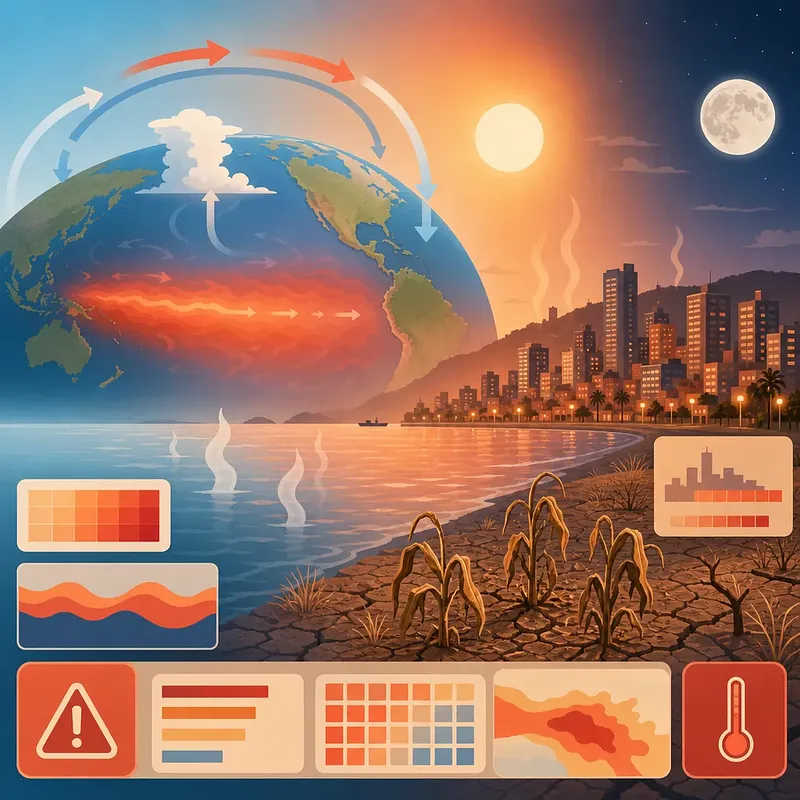
When El Niño and Ocean Warming Converge: Assessing the Risk of a Heat Wave in the Summer of 2026
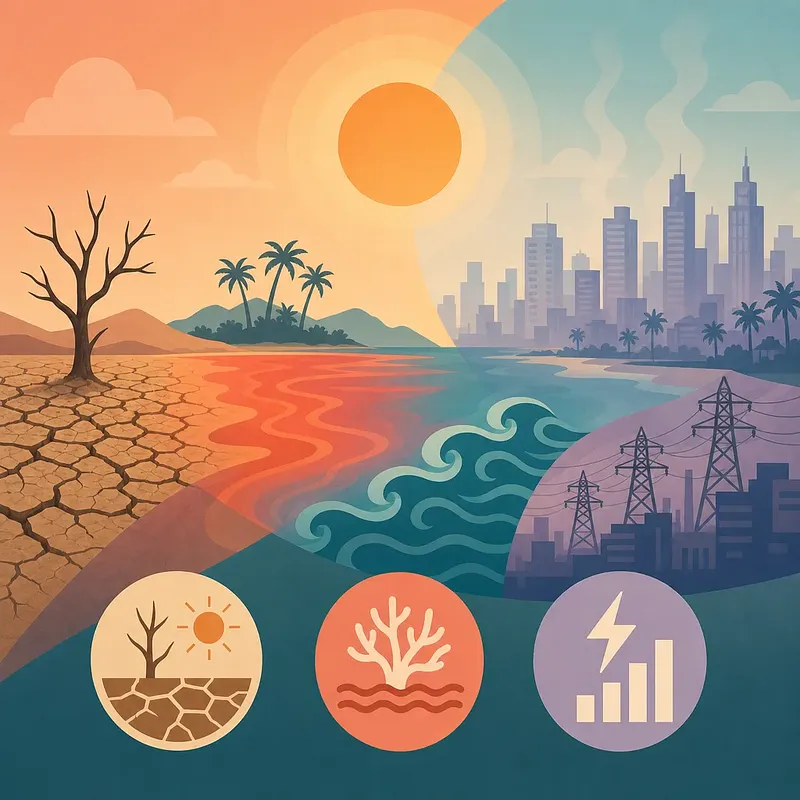
Early July 2026 alerted El Niño planners. The WMO said conditions had developed and could strengthen from July to September. Because seasonal outlooks are probabilistic, they do not predict one region with certainty. The article explains how nighttime lows, humidity, urban heat, sea temperatures, soil moisture and power demand can support more conservative operating decisions. It applies to agriculture, grids, insurance, workplace safety, and sports or cultural events. Read the assessment for summer 2026 planning. #ElNino #ClimateRisk
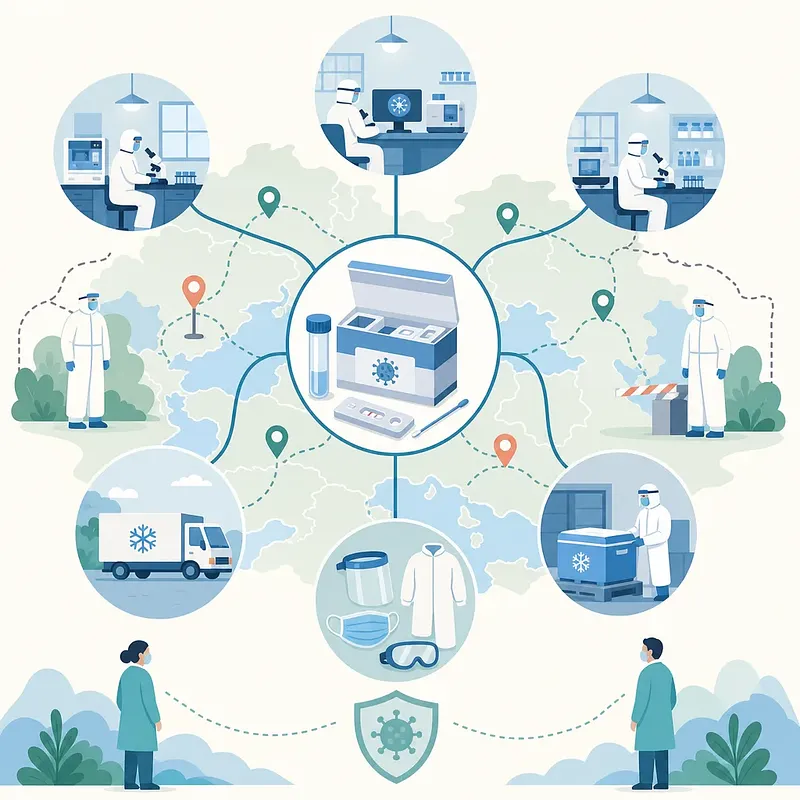
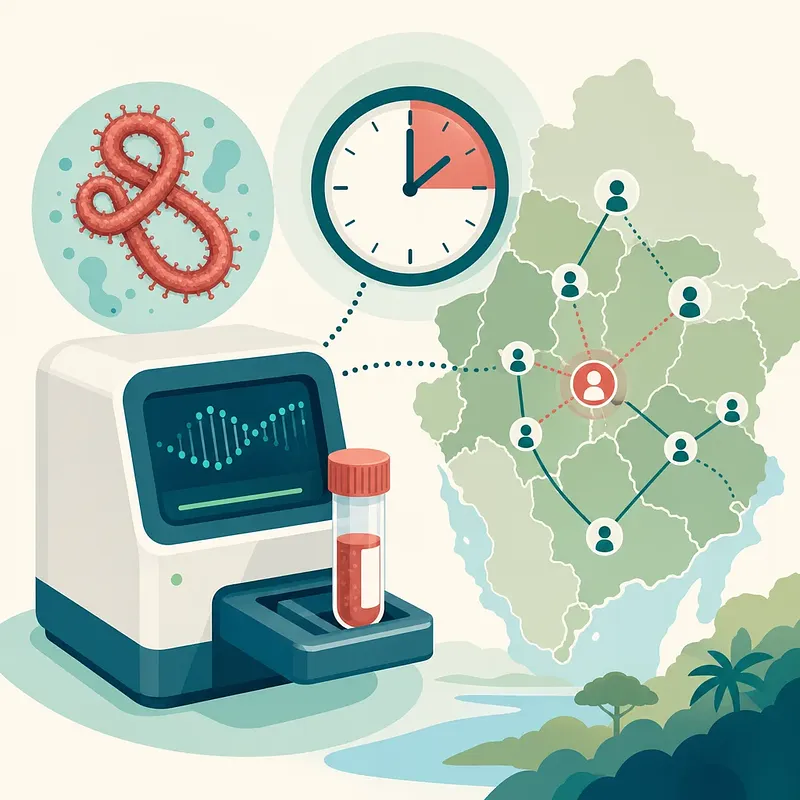
Can the first listed test speed Ebola response? Experience centered on Zaire Ebola virus does not transfer directly to Bundibugyo virus. The July 2, 2026 Emergency Use Listing can build confidence in the molecular test and support faster procurement, case confirmation, isolation, and contact tracing. The article also shows why supplies, transport, laboratories, trained staff, and personal protective equipment remain essential. It applies to Bundibugyo response planning in low-income countries and across borders. Read the article for the capabilities and gaps behind the listing. #Ebola #GlobalHealth
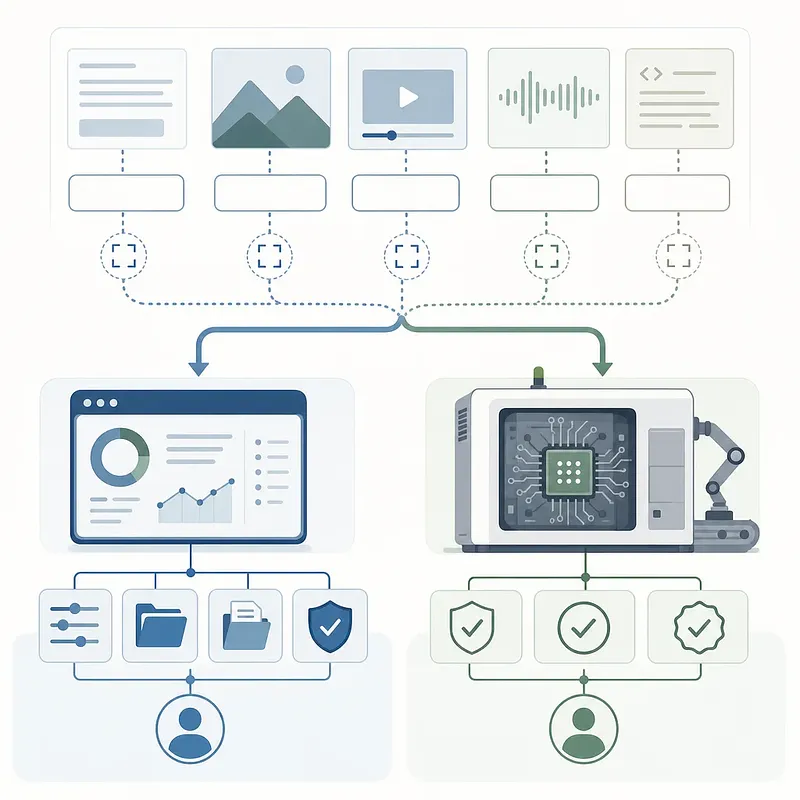
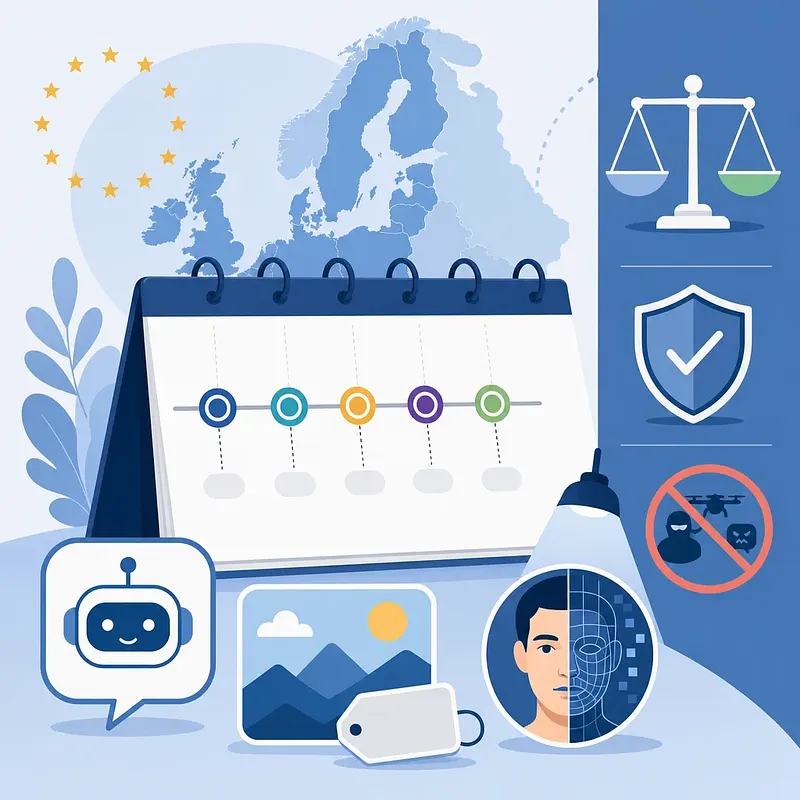
EU AI Act sets Aug. 2, 2028 for embedded AI. Standalone high-risk AI has a Dec 2, 2027 date. Because the schedule now splits by system type, identifying the category keeps compliance planning tied to the right timeline. The article also explains the Aug 2, 2026 transparency duties for chatbots, AI-generated content, and deepfakes, plus which harmful uses should be treated as prohibited rather than resolved through disclosure. Companies preparing under the EU rules can read the full breakdown. #EUAIAct #AICompliance

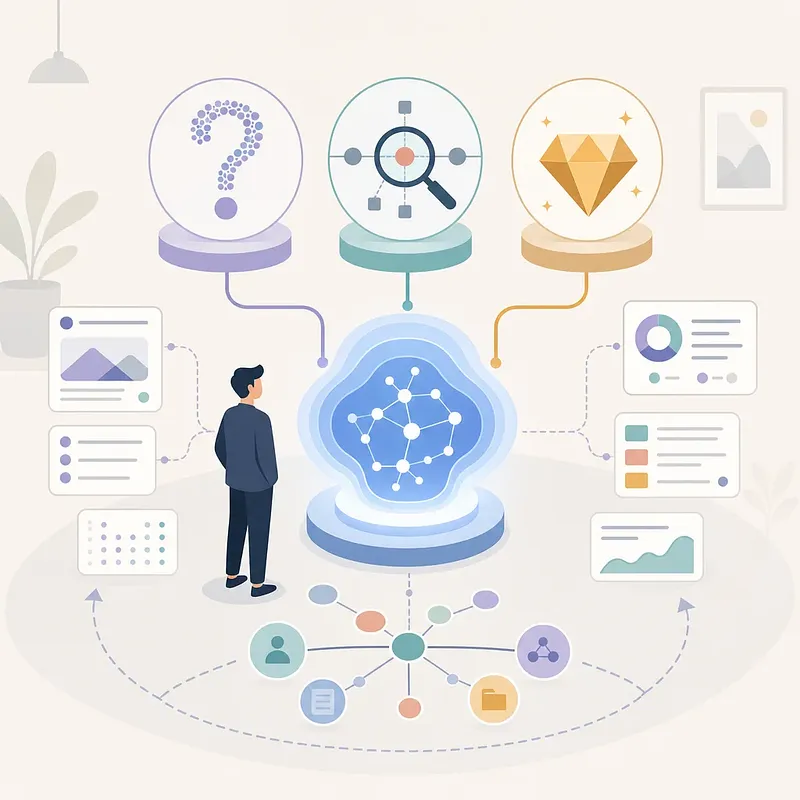
Three AI-era skills help careers stand apart. Knowing how to use tools or follow automation trends is useful, but it is not a durable distinction by itself. The article explains how better questions, critical judgment, and insight grounded in experience can improve decisions. It also shows why unique data and context matter more as access to AI models becomes widespread. This applies to individuals, mid-level managers, and organizations integrating AI into their work. Read the article to see where to focus professional development. #AI #Career
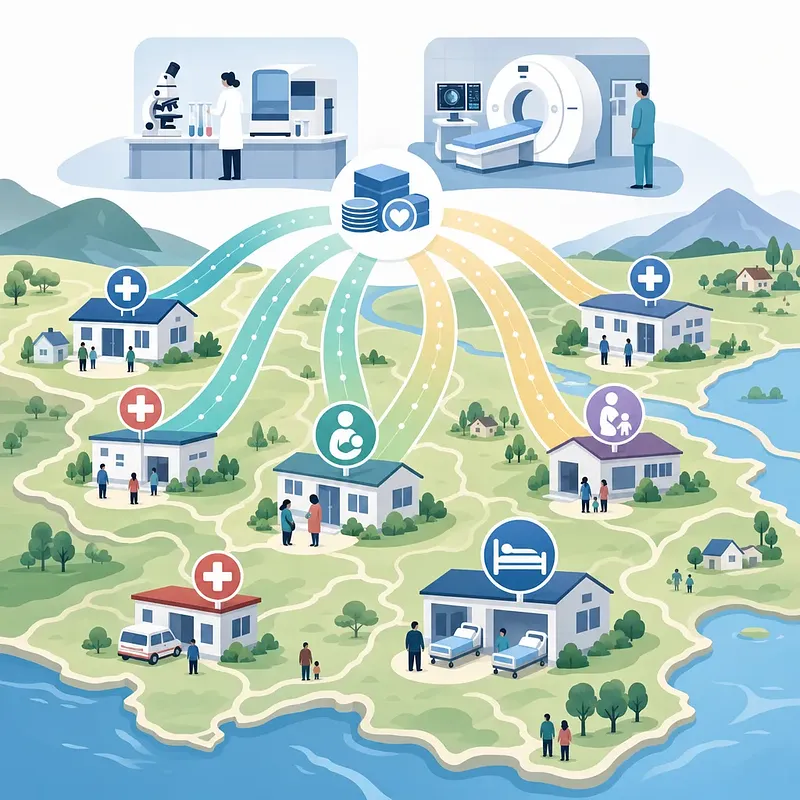
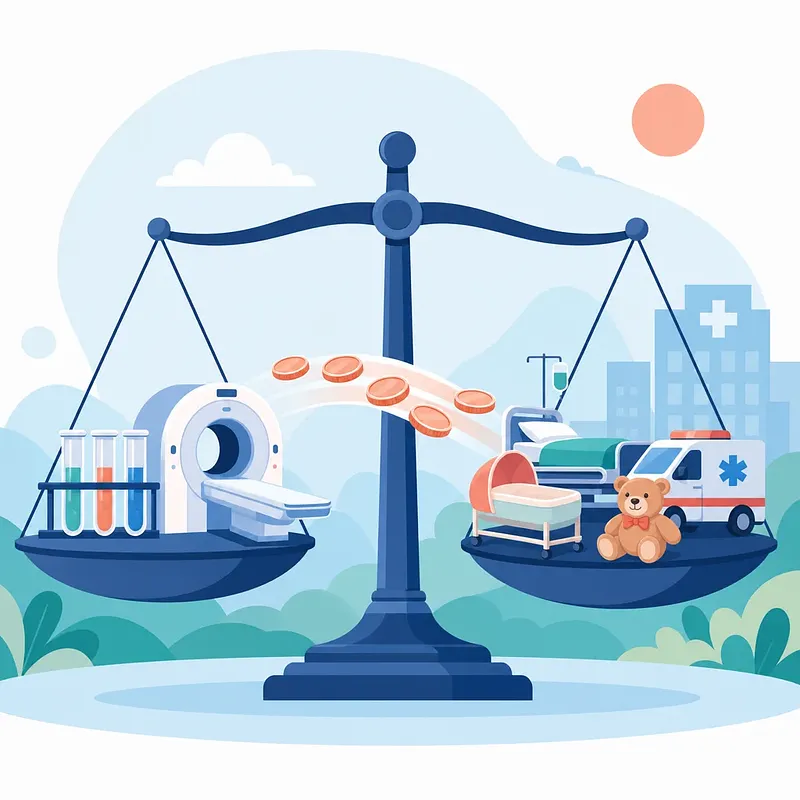
Health reform lifts first-visit fees 6%. It is part of the largest national insurance fee adjustment since the relative value score system began in 2001. The article explains the 4% increase for follow-ups, 7% for general wards, and 10% for ICUs, along with how ₩3.6 trillion a year will be redirected to essential care. Individual bills may vary, but the government says total patient spending is not intended to rise. Regional priority rates cover non-metro areas and underserved parts of metro Seoul. Read the article for the funding and coverage details. #HealthInsurance #EssentialHealthcare
Will Social Media Restrictions for Children Under 16 Actually Work? A Comparison of Online Safety Regulations for Children in Australia and Canada
Parents face age-verification trade-offs. Checking age can support Australia’s proposed under-16 account model, but collecting more personal or biometric data raises privacy and breach concerns. The article contrasts that approach with Canada’s proposed safety-design and oversight model for social media and artificial intelligence chatbots. It explains how audits, data minimization, and access safeguards affect whether either approach works. For families and professionals focused on children’s online safety in Australia and Canada. Read the comparison to weigh safety, privacy, and access together. #ChildOnlineSafety #AgeVerification