Social
A short written take on each piece of content: what changed and why it matters. Skim the point first, then follow through to the full article only for what interests you. Every take is drawn from real content, so the link takes you straight to the material it is based on.

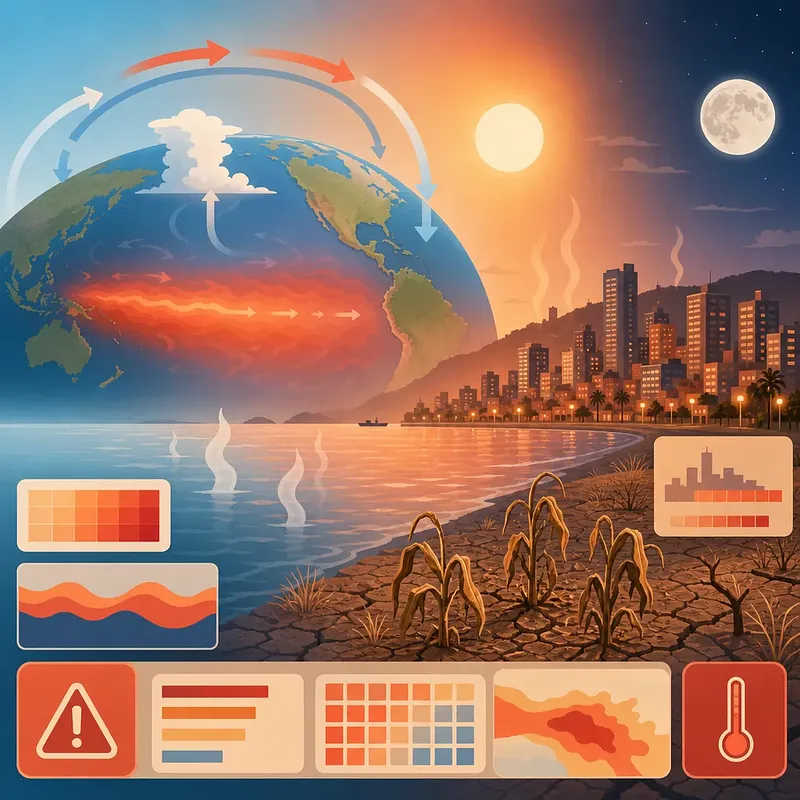
When El Niño and Ocean Warming Converge: Assessing the Risk of a Heat Wave in the Summer of 2026

Do event planners need El Niño night data? Seasonal forecasts are probabilistic, so they cannot determine conditions for one region with certainty. The article explains how nighttime lows, humidity, urban heat, sea temperatures, soil moisture and electricity demand sharpen a summer 2026 heat-risk assessment. It also shows why observations and short-term forecasts should keep updating operational decisions. This applies to agriculture, power grids, insurance, workplace safety, and sports or cultural event teams. #ElNino #HeatWave #MarineHeatwave #ClimateRisk


July 2 marked a Bundibugyo virus milestone. In 2026, WHO added the first molecular diagnostic test for the virus to its Emergency Use List, supporting faster procurement and regulatory decisions. That can move suspected cases toward confirmation, isolation, contact tracing, infection prevention, and cross-border surveillance sooner. The article also explains why listing alone is not enough: test kits, cold-chain and transport networks, laboratory capacity, trained staff, personal protective equipment, and worker-safety systems must function together. The analysis focuses on response readiness in low-income countries and cross-border surveillance. #Ebola #BundibugyoVirus #WHO #DiseaseSurveillance
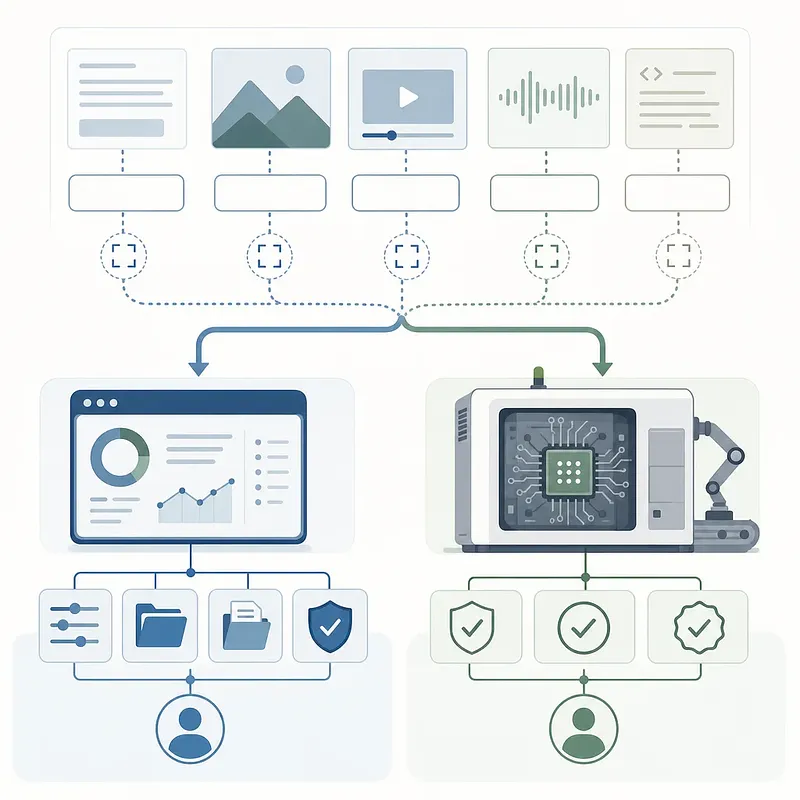
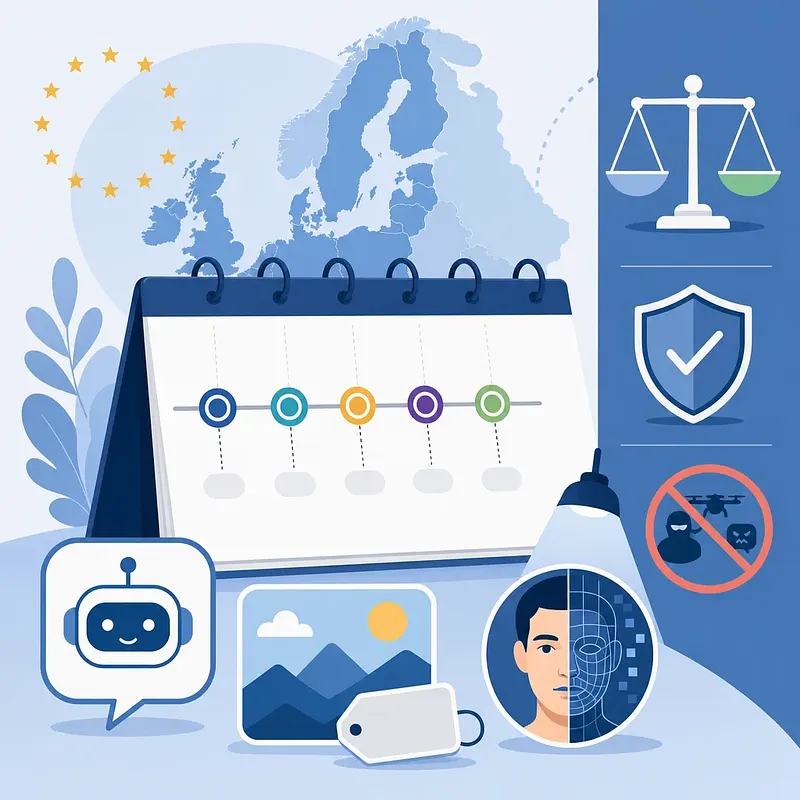
AI-generated content now needs EU AI Act labels. From Aug 2, 2026, chatbot disclosures, labels for AI-generated content, and deepfake disclosures take full effect. The article separates these duties from prohibited uses, including AI used for non-consensual sexual deepfakes and child sexual exploitation material. It also maps the two high-risk timelines: Dec 2, 2027 for standalone systems and Aug 2, 2028 for systems embedded in products. Knowing the category helps teams plan controls against the correct date rather than relying on guidance alone. Companies preparing for EU generative AI transparency or high-risk AI obligations can read the full breakdown. #EUAIAct #AICompliance #GenerativeAI #AIGovernance


Can managers delegate reporting to AI agents? AI agents may take on some coordination and reporting, but responsible judgment and people management still matter. The article explains how question formulation, critical thinking, and experience-led insight help professionals evaluate generated options and make stronger decisions. It also shows why unique data and context—not model access alone—can create meaningful differentiation. For individuals, mid-level managers, and organizations integrating AI into their work. #AI #Career #Productivity #FutureCareers
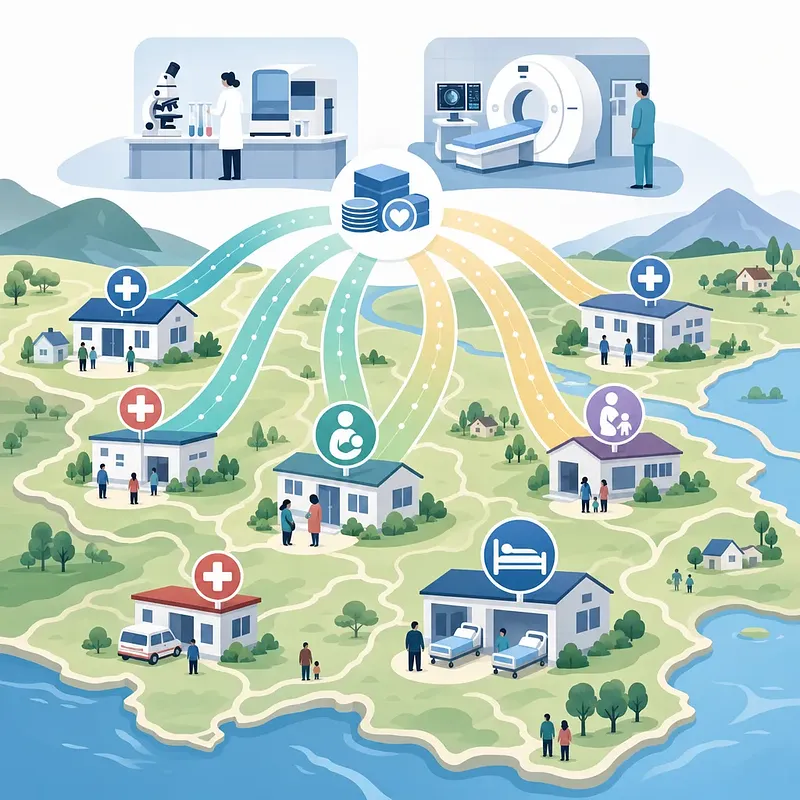

Non-metro hospitals gain health reform priority. The fee schedule is undergoing its largest adjustment since relative value scores began in 2001. Annual savings of ₩2.6 trillion from tests and scans, plus ₩1 trillion from the insurance fund, will support outpatient, hospital, emergency, childbirth, and pediatric care. The article maps increases of 4% to 10% across clinic visits and hospital care. Patient bills may vary, but the government says total out-of-pocket medical spending is not intended to increase. Regional priority rates apply in non-metropolitan areas and underserved areas within the Seoul metropolitan area. #HealthInsurance #MedicalFeeReform #EssentialHealthcare #RegionalHealthcare
Will Social Media Restrictions for Children Under 16 Actually Work? A Comparison of Online Safety Regulations for Children in Australia and Canada
A family reaches a social media age check. That step may support enforcement, but collecting more personal or biometric data can create privacy and breach concerns. The article compares Australia’s proposed under-16 account restriction with Canada’s proposed safety-design, risk-management, and oversight model. It also examines why platform design, independent audits, data minimization, and access safeguards may matter more than statutory wording alone. The comparison helps families weigh safer online use against privacy and access in everyday life. It concerns under-16 social media users in Australia and child users of social media and AI chatbots in Canada. #ChildOnlineSafety #SocialMediaRegulation #AgeVerification #AISafety