 Injoys
Social
A short written take on each piece of content: what changed and why it matters. Skim the point first, then follow through to the full article only for what interests you. Every take is drawn from real content, so the link takes you straight to the material it is based on.

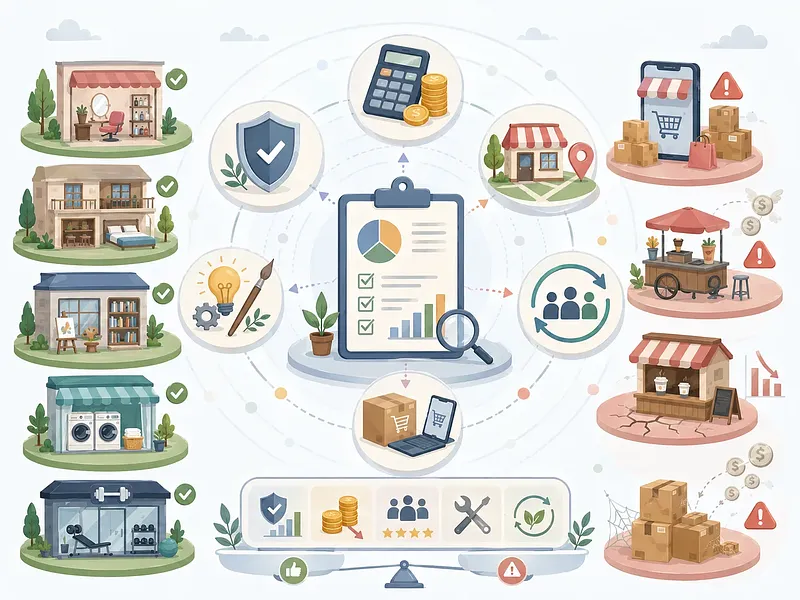
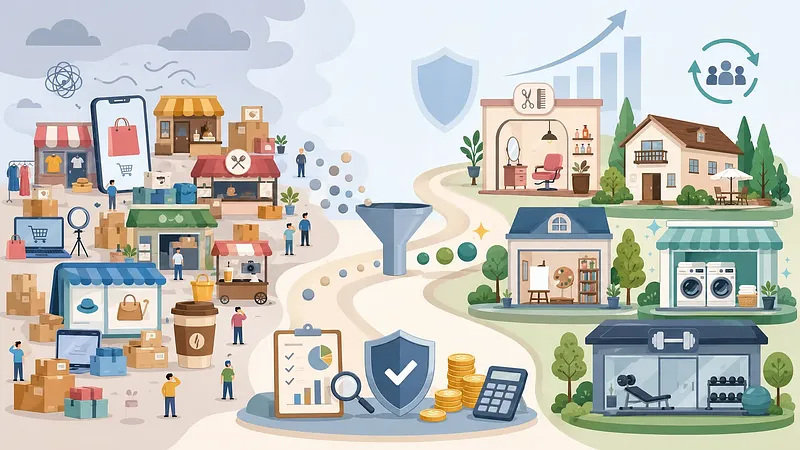
At year three, startup survival stands at 53.8%. Low barriers can make mail-order businesses, restaurants, bars, and online retail easy to enter but more exposed to competition and operating costs. The article compares popular sectors with their survival rates and explains how skills, assets, recurring demand, fixed costs, and exit costs can shape a more informed choice. The 2023 figures cover the National Tax Service’s top 100 everyday business sectors. Read the article before settling on a sector. #Startup #TaxStatistics
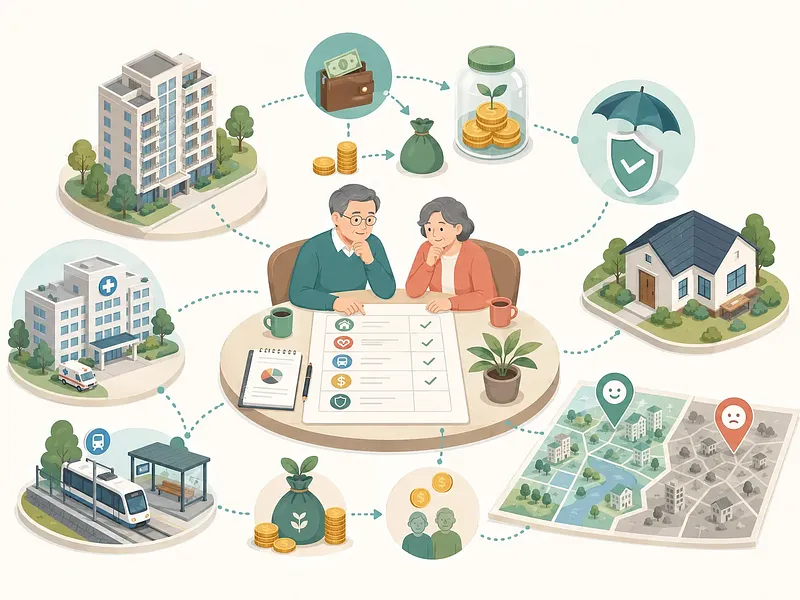
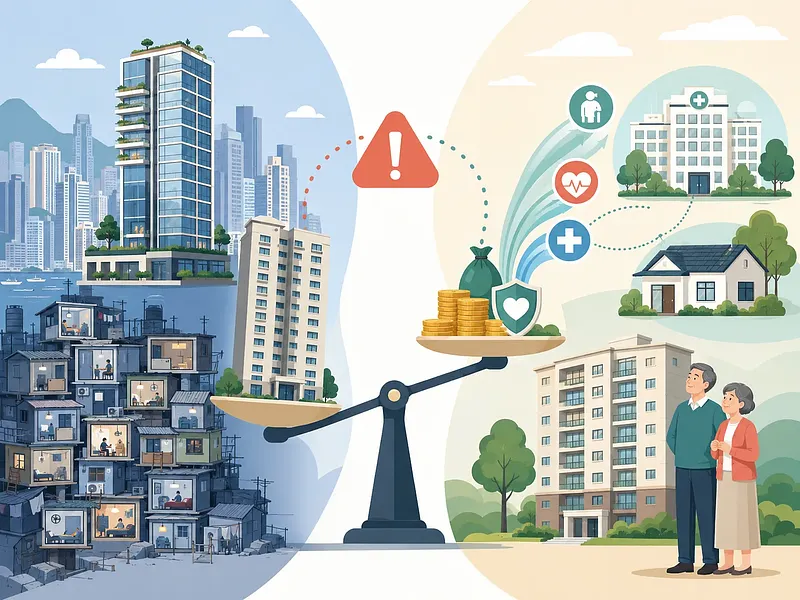
Can 50s–60s South Koreans rely on one home? Hong Kong’s luxury transactions coexist with about 220,000 residents in subdivided homes. It shows how property prices and housing stability can move in different directions. With 75.8% of average household assets held in real assets, the article explains how liquidity, pensions, insurance, and a reverse mortgage can help assess retirement cash flow. This analysis is for South Koreans in their 50s and 60s planning retirement. Read the full article for the housing and asset checks. #RetirementPlanning #RealEstateRisk

Parents face age-verification trade-offs. Checking age can support Australia’s proposed under-16 account model, but collecting more personal or biometric data raises privacy and breach concerns. The article contrasts that approach with Canada’s proposed safety-design and oversight model for social media and artificial intelligence chatbots. It explains how audits, data minimization, and access safeguards affect whether either approach works. For families and professionals focused on children’s online safety in Australia and Canada. Read the comparison to weigh safety, privacy, and access together. #ChildOnlineSafety #AgeVerification

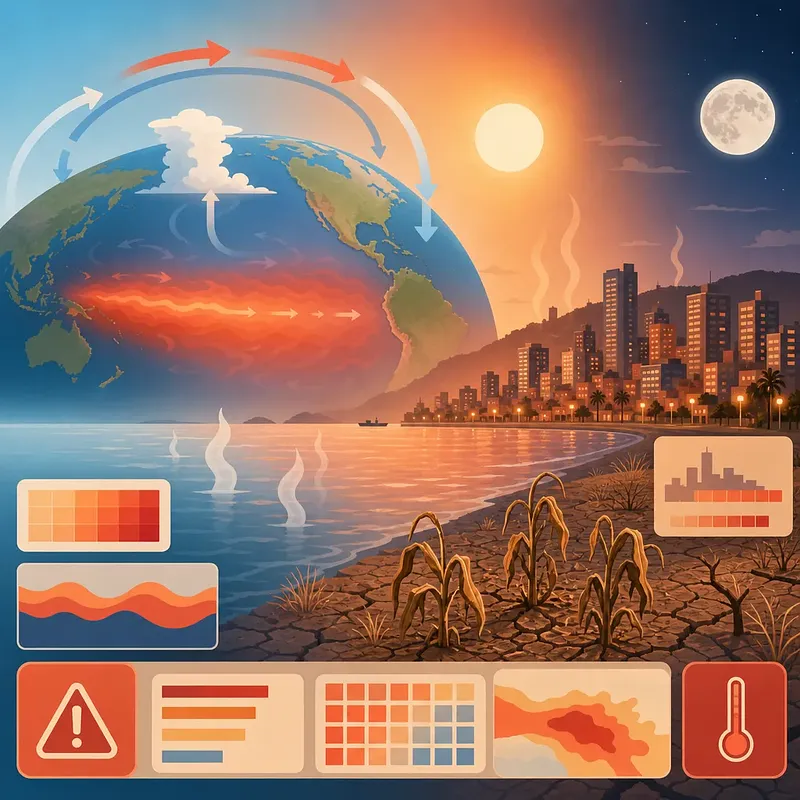
When El Niño and Ocean Warming Converge: Assessing the Risk of a Heat Wave in the Summer of 2026
Early July 2026 alerted El Niño planners. The WMO said conditions had developed and could strengthen from July to September. Because seasonal outlooks are probabilistic, they do not predict one region with certainty. The article explains how nighttime lows, humidity, urban heat, sea temperatures, soil moisture and power demand can support more conservative operating decisions. It applies to agriculture, grids, insurance, workplace safety, and sports or cultural events. Read the assessment for summer 2026 planning. #ElNino #ClimateRisk

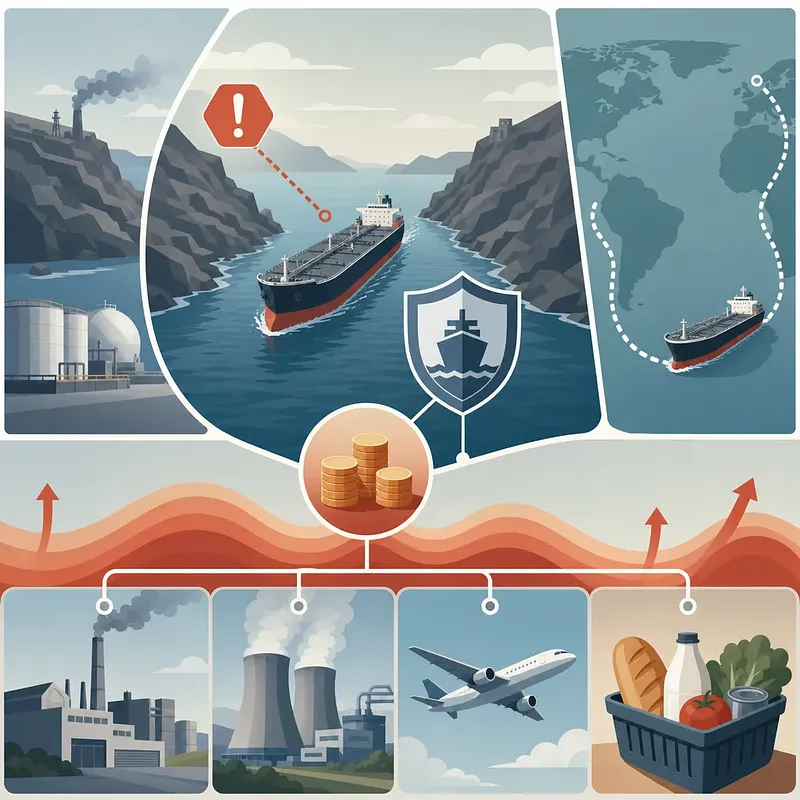
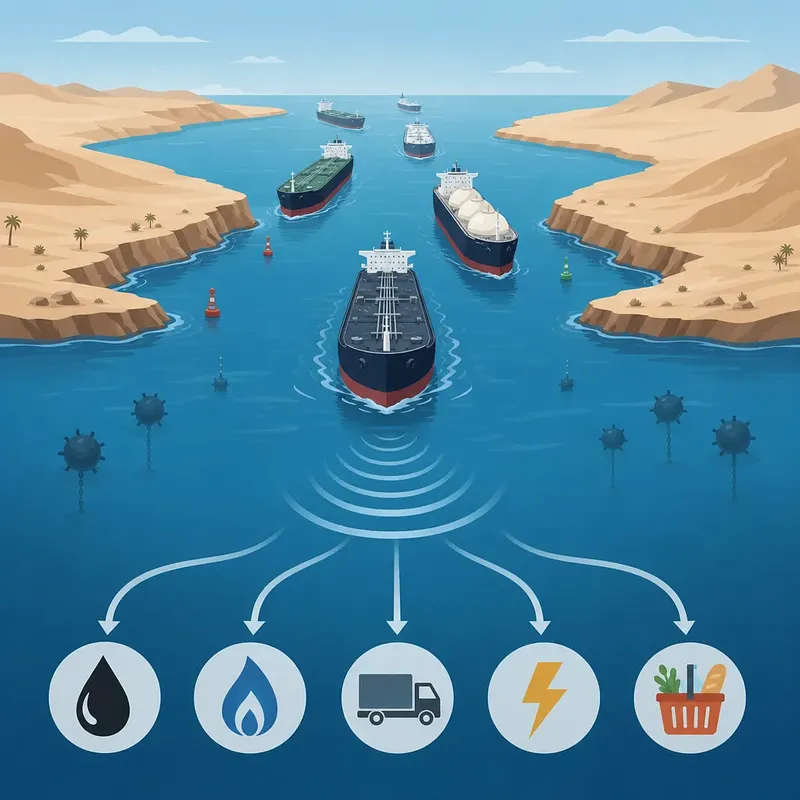
A Strait of Hormuz delay can reach checkout. Oil prices may fall when markets expect shipping to resume, but marine insurance, delays, and alternative-route costs can remain elevated. The article shows how tanker traffic, LNG prices, exchange rates, and supply chains affect electricity, transportation, and food costs. It is especially relevant to energy-importing countries and emerging economies. Read the analysis for the indicators worth watching. #OilPrices #EnergySecurity
Fragmentation of AI Regulation by Country: A Map of UN, EU, and U.S. State Regulations as of July 2026
July 2026 brought fragmented AI rules. The UN commission is a coordination mechanism, not a legal framework; EU timing and U.S. state laws follow separate paths. See how effective dates, scope, duties, exceptions, penalties, and regulators can be structured for easier searches, audits, citations, and planning. This is for global AI companies managing safety, data, labeling, minors, and high-risk uses across regions. Read the full regulatory map. #AIRegulation #Governance