 Injoys
Social
A short written take on each piece of content: what changed and why it matters. Skim the point first, then follow through to the full article only for what interests you. Every take is drawn from real content, so the link takes you straight to the material it is based on.

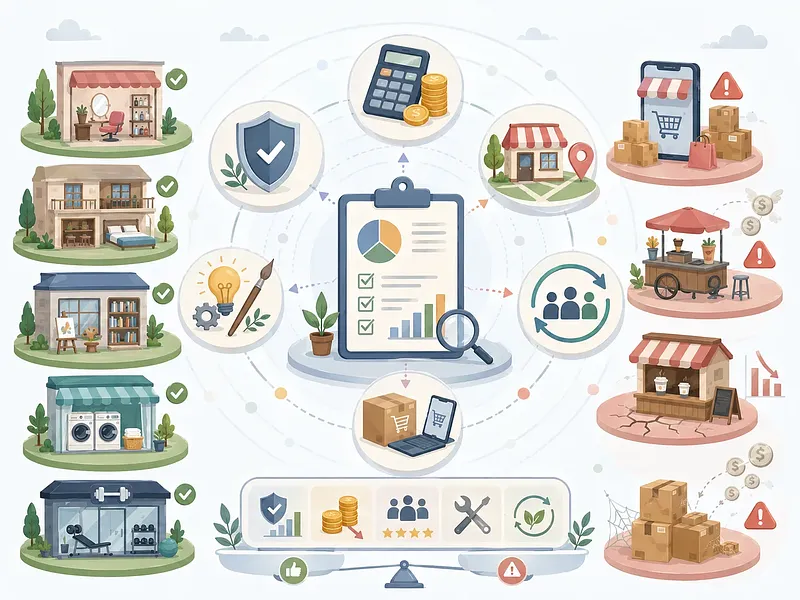
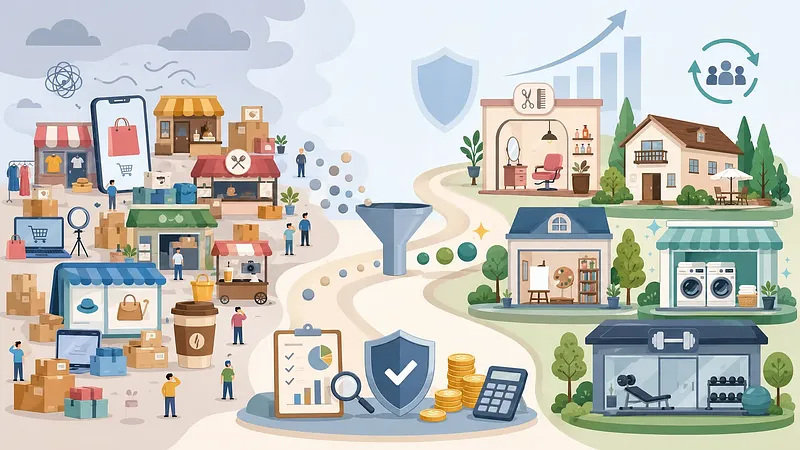
Easy-entry startup sectors face cost pressure. Restaurants, bars, and online retailers are vulnerable to labor, advertising, and production costs, as well as changes in commercial districts. Using 2023 National Tax Service data, the article compares sector popularity with actual survival: 53.8% at three years and 39.6% at five years. It also explains why beauty salons, guesthouses, academies, and laundromats tend to benefit from skills, assets, certifications, or recurring demand. The comparison helps prospective entrepreneurs weigh fixed costs, operating capital, differentiation, and exit costs before selecting a sector. This applies to people assessing the National Tax Service’s top 100 everyday business sectors. #Startup #SelfEmployment #TaxStatistics #IndustrySelection
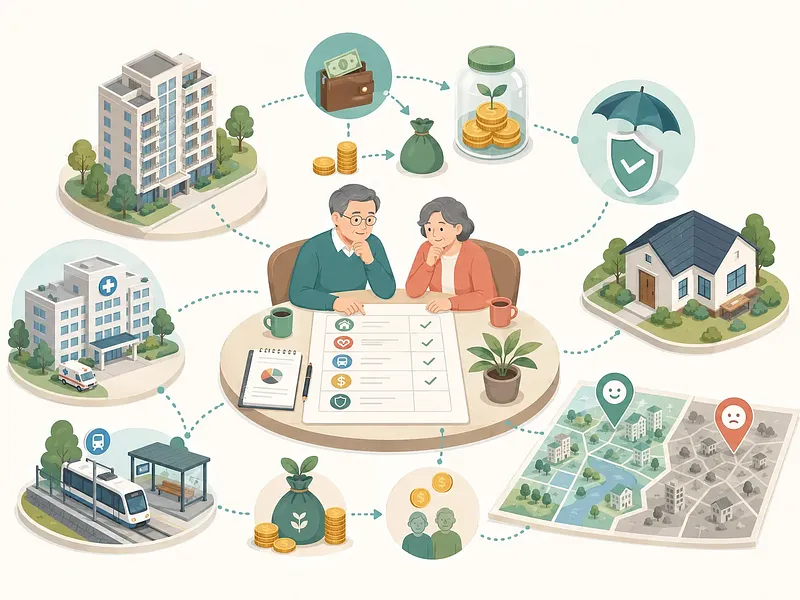
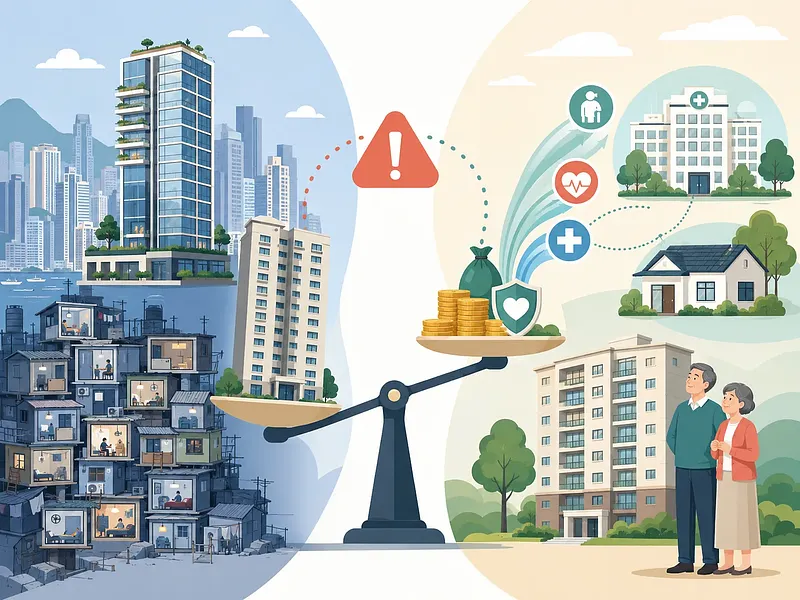
75.8% of household assets are real assets. For the average South Korean household, that concentration can turn a valuable home into a retirement cash-flow constraint. Hong Kong’s luxury transactions coexist with about 220,000 residents in subdivided housing. The lesson is not a forecast of a crash; it is the risk of depending on one asset for an entire retirement. The article shows how to assess housing stability, liquid assets, pensions, insurance, and a possible reverse mortgage. It also explains why local demand, medical access, resale potential, and lending conditions can affect whether a home supports a steadier retirement. For South Koreans in their 50s and 60s planning retirement. #HongKongHousing #RetirementPlanning #RealEstateRisk #ReverseMortgage


A family reaches a social media age check. That step may support enforcement, but collecting more personal or biometric data can create privacy and breach concerns. The article compares Australia’s proposed under-16 account restriction with Canada’s proposed safety-design, risk-management, and oversight model. It also examines why platform design, independent audits, data minimization, and access safeguards may matter more than statutory wording alone. The comparison helps families weigh safer online use against privacy and access in everyday life. It concerns under-16 social media users in Australia and child users of social media and AI chatbots in Canada. #ChildOnlineSafety #SocialMediaRegulation #AgeVerification #AISafety
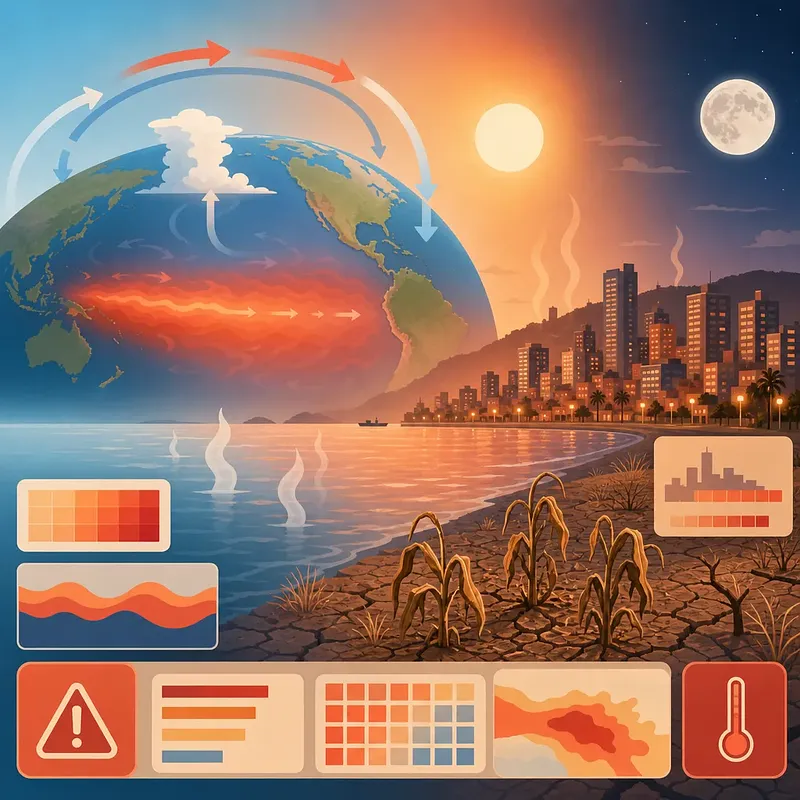
When El Niño and Ocean Warming Converge: Assessing the Risk of a Heat Wave in the Summer of 2026

Do event planners need El Niño night data? Seasonal forecasts are probabilistic, so they cannot determine conditions for one region with certainty. The article explains how nighttime lows, humidity, urban heat, sea temperatures, soil moisture and electricity demand sharpen a summer 2026 heat-risk assessment. It also shows why observations and short-term forecasts should keep updating operational decisions. This applies to agriculture, power grids, insurance, workplace safety, and sports or cultural event teams. #ElNino #HeatWave #MarineHeatwave #ClimateRisk
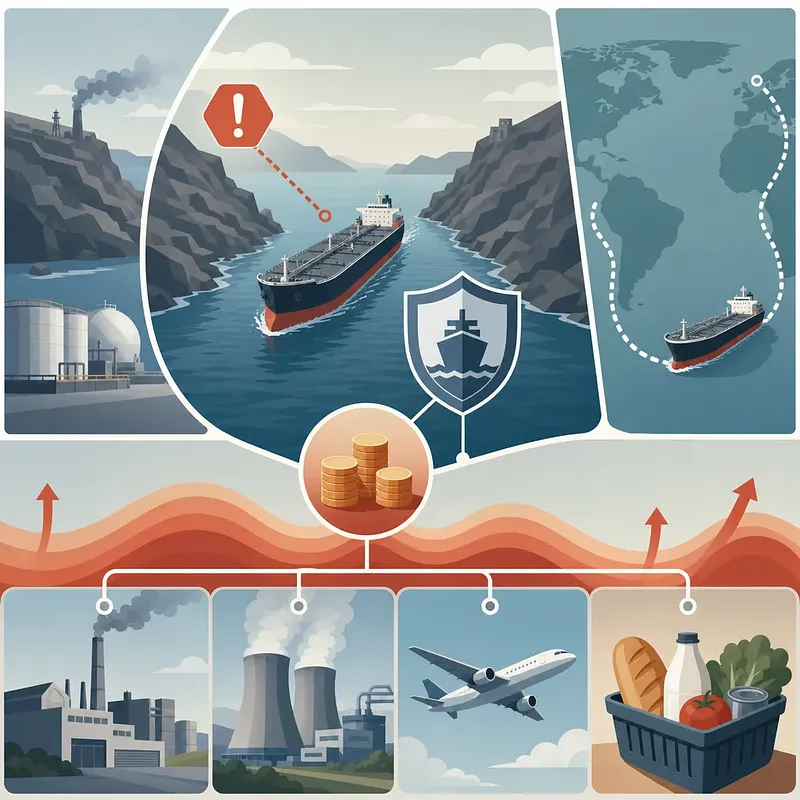
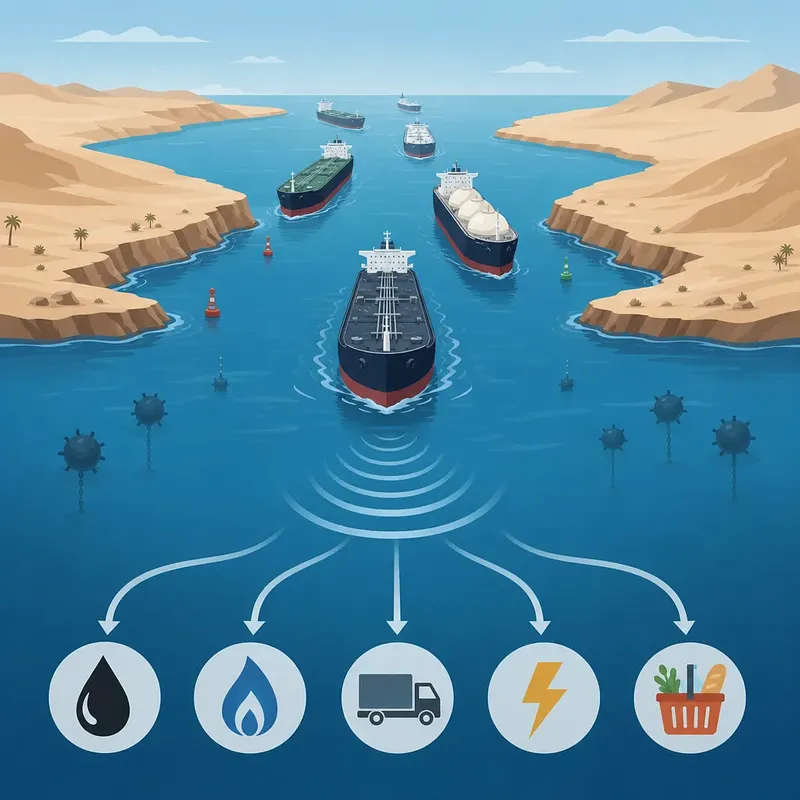
Strait of Hormuz risks extend beyond oil. Expectations of resumed shipping can lower oil prices by reducing the risk premium. Yet ship safety checks, marine insurance premiums, delays, and alternative-route costs may take longer to normalize. The article connects these factors with tanker traffic, spot LNG prices, exchange rates, and central bank forecasts. Together, they explain why electricity, transportation, and food costs may remain elevated even after crude prices decline. This analysis is especially relevant to investors, policymakers, and people tracking inflation in energy-importing or emerging economies. #StraitOfHormuz #OilPrices #EnergySecurity #GlobalEconomy
Fragmentation of AI Regulation by Country: A Map of UN, EU, and U.S. State Regulations as of July 2026
Can global AI teams track three rule fronts? The UN mechanism, EU AI Act, and U.S. state laws differ in legal weight, timing, and scope. This article separates governance coordination from binding regulation, then maps effective dates, risk classifications, transparency duties, protections for minors, and high-risk uses. It also shows how standard fields for exceptions, penalties, and regulators make compliance information easier to search, audit, and cite. It applies to global AI companies managing region-specific controls as of July 2026. #AIRegulation #EUAIACT #USStateLaw #Governance