 Injoys
Social
A short written take on each piece of content: what changed and why it matters. Skim the point first, then follow through to the full article only for what interests you. Every take is drawn from real content, so the link takes you straight to the material it is based on.

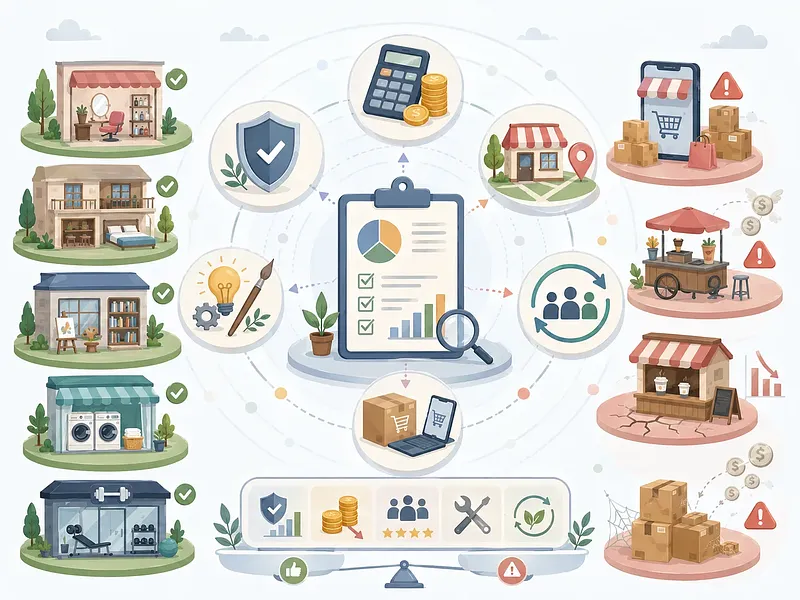
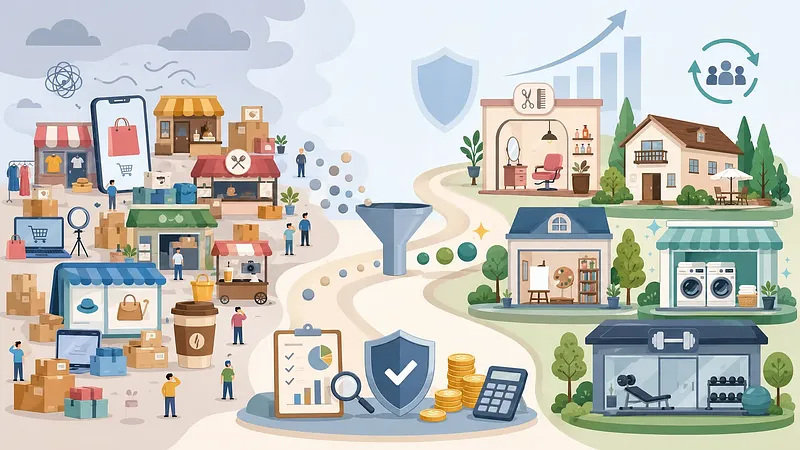
Three-year startup survival is 53.8%. For the National Tax Service’s top 100 everyday business sectors in 2023, five-year survival is 39.6%. Popularity alone is therefore a limited basis for choosing where to build a business. Mail-order businesses attract the most new entrepreneurs, yet low barriers to entry also bring substantial competition and profitability risks. Restaurants, bars, and online retailers are similarly exposed to labor, advertising, production, and commercial-district costs. The article contrasts those pressures with sectors that tend to show higher survival, including beauty salons, vacation rentals and guesthouses, academies, and laundromats. Their relative resilience is linked to combinations of technical skills, certifications, assets, and recurring demand rather than easy entry. For prospective founders and advisers, the practical takeaway is to evaluate the average survival rate alongside the commercial district, fixed costs, operating capital, differentiation, and exit costs. Read the article for a data-based framework for sector selection. #Entrepreneurship #TaxStatistics
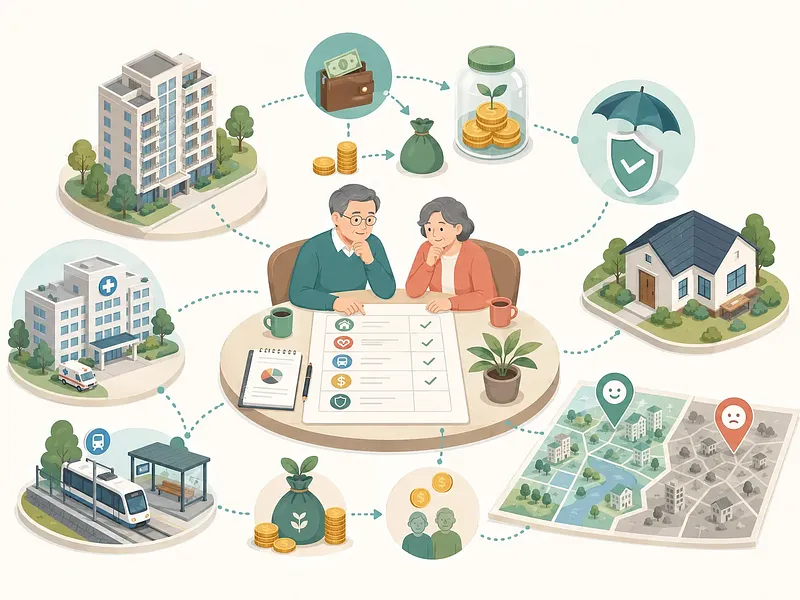
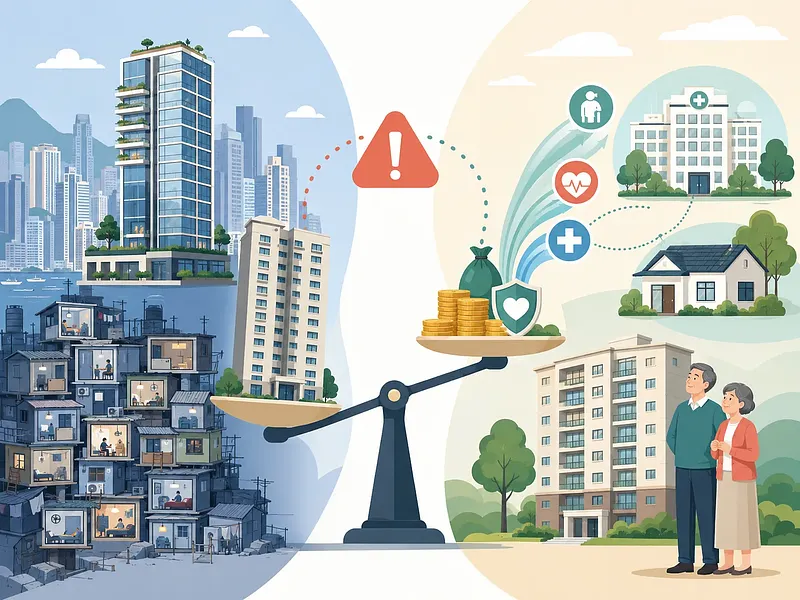
A home-rich retiree reviews cash flow. With 75.8% of the average South Korean household’s assets held in real assets, property value alone may not provide the liquidity retirement requires. Hong Kong illustrates why the distinction matters. Ultra-high-end transactions coexist with approximately 220,000 residents living in subdivided housing, showing that asset prices and housing stability can move in different directions. The article does not predict a housing crash. It uses the Hong Kong case to examine the vulnerability of relying on a single asset for an entire retirement. It lays out a practical review of housing stability, liquid assets, pensions, insurance, and the possible use of a reverse mortgage. Local demand, access to medical care, resale potential, and lending conditions can change a home’s risk profile. South Koreans in their 50s and 60s who are planning retirement should read the analysis before treating home equity as a complete retirement plan. #RetirementPlanning #RealEstateRisk

Platforms weigh Canada's safety plan. Its proposed model emphasizes safety design, risk management, and oversight for social media and AI chatbots, rather than Australia’s direct under-16 account restriction. Age verification is central to enforcement, yet it can require more personal information or biometric data and create breach risks. Registration requirements may also be circumvented, while access and freedom of expression still need protection. The article compares what each model asks platforms to do and why statutory wording alone is not enough. It examines platform design, independent audits, data minimization, and access safeguards—the operational measures that shape whether child safety can improve without treating privacy as an afterthought. Policy, trust and safety, compliance, education, and child-protection professionals assessing online safeguards should read the full comparison. It provides a practical framework for evaluating account restrictions, safety-by-design duties, and AI chatbot oversight. #ChildOnlineSafety #PlatformAccountability


When El Niño and Ocean Warming Converge: Assessing the Risk of a Heat Wave in the Summer of 2026
July–September shapes El Niño planning. WMO says conditions could intensify then. That signal is not a deterministic forecast for any specific region. Elevated background temperatures and warm ocean waters can raise maximum temperatures and make nighttime heat more dangerous, so decisions need more than a daytime-high metric. The article presents a practical monitoring framework: nighttime lows, humidity, urban heat islands, sea-surface temperatures, soil moisture and electricity demand. Combining these indicators with observations and short-term forecasts helps teams update thresholds instead of locking plans to one seasonal outlook. Agriculture, power-grid, insurance, workplace-safety, and sports or cultural-event teams should read the assessment first. It explains why early-warning systems and more conservative operating standards matter when El Niño and warm oceans coincide. Read the full article to support summer 2026 risk planning. #ClimateRisk #ElNino

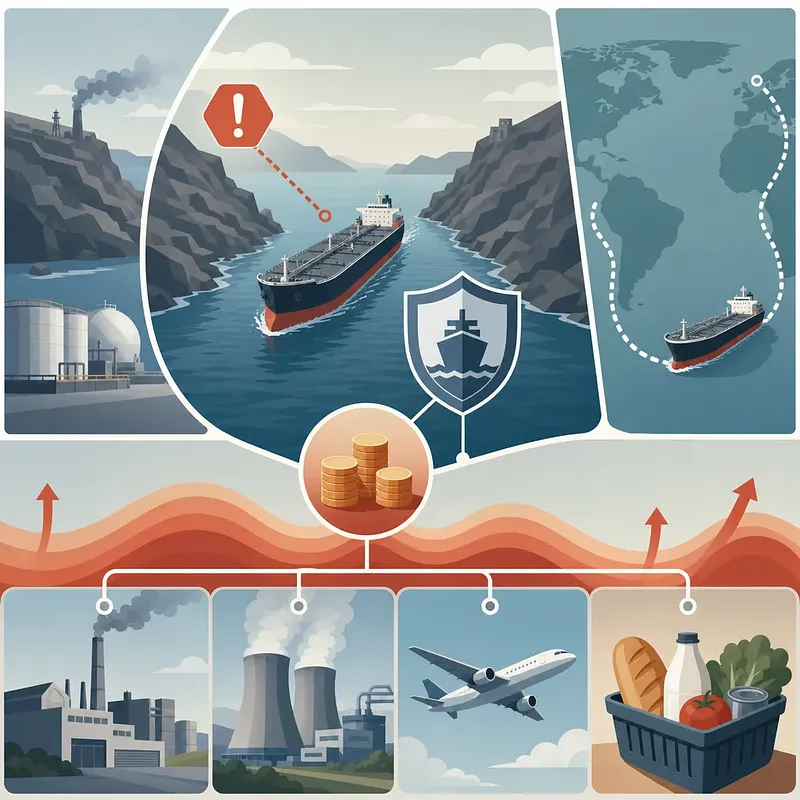
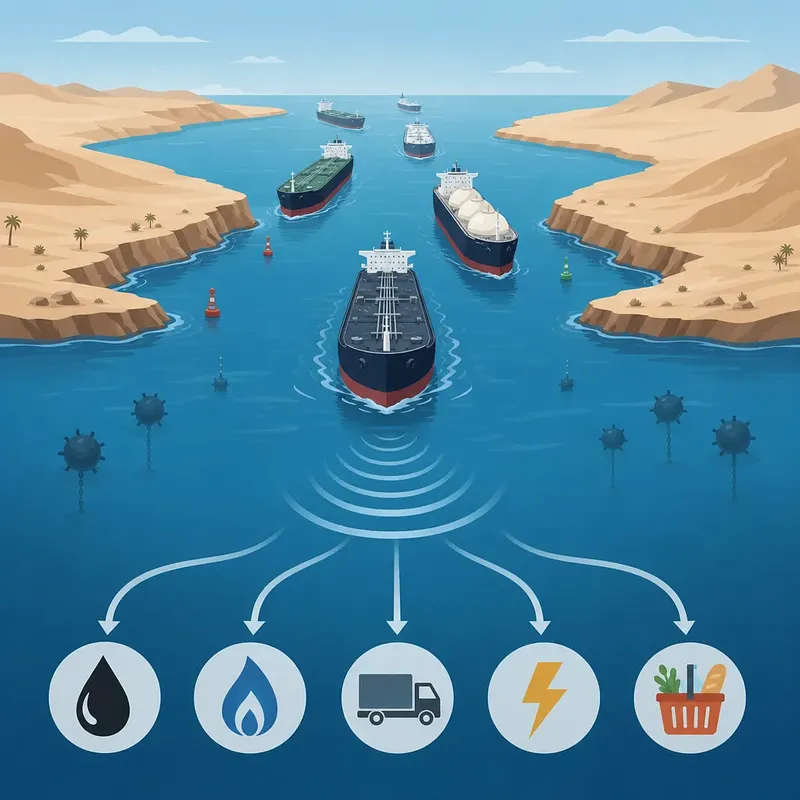
Strait of Hormuz risk enters forecasts. Falling crude prices do not immediately mean lower inflation. Expectations of resumed shipping can reduce the oil-market risk premium, while ship safety, marine insurance, and logistics costs may take longer to normalize. The article explains how an energy shock moves through tanker traffic, spot LNG prices, exchange rates, supply chains, and central bank inflation forecasts. This broader view helps distinguish a change in market expectations from a sustained reduction in household and business costs. For energy-importing countries, higher oil and LNG prices can pass through to electricity, transportation, and food. Emerging economies may face an additional burden when a strong dollar and weaker local currencies raise import costs. Investors and policymakers assessing inflation or energy security should read the full analysis rather than monitor crude prices alone.
Fragmentation of AI Regulation by Country: A Map of UN, EU, and U.S. State Regulations as of July 2026
U.S. AI rules are spreading by state. Without a comprehensive federal law, Illinois, Colorado, and California are advancing state-level regulation while federal preemption remains under debate. Global companies therefore need regional compliance roadmaps rather than one nationwide assumption. The picture is broader than the United States. The UN/ITU’s AI for Good Global Commission serves as a governance coordination mechanism, not a legal framework. Meanwhile, EU AI Act discussions on streamlining and schedule adjustments are influencing implementation planning. The article organizes these developments around effective dates, scope, obligations, exceptions, penalties, and regulators. It also identifies model safety, data sources, content labeling, protections for minors, and high-risk decisions as separate control areas. This structure supports more reliable searches, audits, citations, and internal planning. Compliance, legal, policy, and product leaders at global AI companies should read the full regulatory map before aligning controls across regions. #AIRegulation #Governance