 Injoys
Social
A short written take on each piece of content: what changed and why it matters. Skim the point first, then follow through to the full article only for what interests you. Every take is drawn from real content, so the link takes you straight to the material it is based on.



Leaders may mistake a calm meeting for safety. Psychological safety is not simply comfort. It is the shared belief that questions, concerns, mistakes, and dissent will not bring interpersonal repercussions. When standards stay low, camaraderie can become a “club room.” When standards rise without security, defensiveness and silence can create a “jungle.” The article explains how healthy tension supports candid conversations, rapid feedback, learning, and execution. It also examines how clear goals, customer value, meeting practices, evaluation criteria, and collaborative incentives help establish consistent behavioral norms. This applies to leaders building high-performing organizations. Read the article to review how safety and standards work together in daily leadership practice. #PsychologicalSafety #Leadership #OrganizationalCulture #Collaboration

What Happens When the Base Interest Rate Rises: The Impact on Inflation, Loans, Real Estate, and Consumption

Can savers expect a base rate to ease inflation? The effects do not arrive at once or always point the same way. Supply shocks, policy, economic conditions, and expectations can alter the outcome. The article shows how higher market rates raise debt costs, restrain spending and investment, and ease inflation pressure rather than instantly lowering prices. It also explains why property may weaken while supply, location, income, and policy still matter. That helps households plan repayments without assuming everyday prices will fall at once. Most relevant to variable-rate borrowers, highly indebted households and businesses, and depositors weighing higher interest income against broader economic risks. #BaseRate #MonetaryPolicy #LoanRates #RealEstate #Inflation
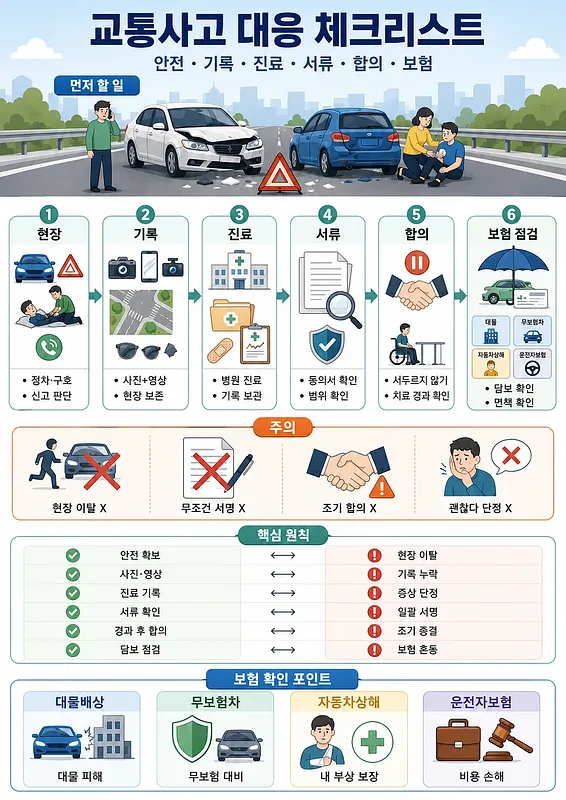
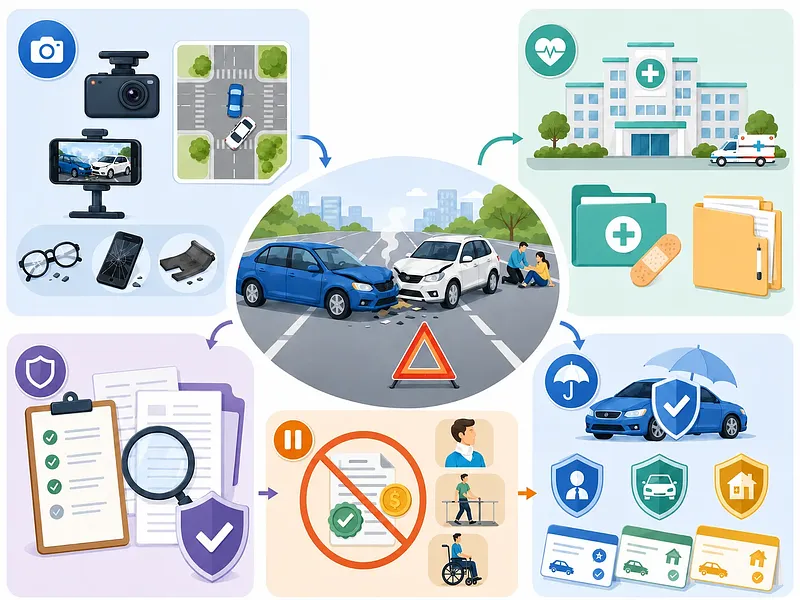
Traffic accident evidence starts at the scene. Photos and video preserve different details: vehicle position, road layout, damaged areas, and personal belongings. That clearer record can make later discussions with medical providers and insurers easier to assess. The guide explains why medical consultation consent is not automatic, what to verify before responding, and when an insurer’s settlement offer should not set the timetable. It also separates property damage liability, uninsured motorist coverage, personal injury protection, and driver’s insurance before renewal. It is for drivers handling an accident claim, especially cases involving serious injury, permanent disability, long-term care, death, or a major form of gross negligence. #TrafficAccident #AutoInsurance #InsuranceSettlement #AccidentEvidence


Qualifying SMEs may deduct business assets. The deduction limit can increase with operating history, but property-heavy businesses raise a harder question: which assets genuinely belong to the business? The article explains the deduction’s purpose and current structure, then uses a bakery café and parking lot to examine business format, business substance, and asset scope. This makes the boundaries behind succession decisions easier to assess. It also outlines the reform goal: preserve genuine family business succession while excluding unrelated assets or transfers with little substantive business value. Relevant to SMEs and mid-sized companies that meet the family business requirements. #InheritanceTax #BusinessSuccession #TaxSystem #AssetSuccession


Investors review a portfolio before using funds. Diversification spreads exposure across products, regions, and time horizons, helping reduce the risk of relying on one asset or company. It does not remove the possibility of loss. The article compares savings accounts and fixed-term deposits with stocks, bonds, and mutual funds through profitability, stability, and liquidity. It also presents portfolio examples by risk tolerance and explains regular rebalancing, helping investors keep their mix aligned with their goal and time horizon. For investors defining a goal or approaching the date they expect to use their funds. #Diversification #Portfolio #AssetAllocation #InvestmentRisk
Insurance Claims and Vehicle Deregistration Procedures in the Event of a Car Theft
30 days must pass for car theft claimants. The period begins when the theft is reported to police, and filing is allowed only after it has elapsed. Coverage for the entire vehicle depends on collision coverage and policy exclusions. Cash, jewelry, electronics, and other belongings inside are generally outside vehicle damage coverage. The article also identifies the police-issued proof needed for deregistration. If the car is recovered, it explains how to confirm damage compensation and apply for re-registration within three months of recovery. This applies to owners dealing with theft of an entire insured vehicle. #CarTheft #AutoInsurance #InsuranceClaim #VehicleDeregistration #CollisionCoverage