Skip to content
Knowledge Base

The End of Work: Jobs and Income in the Post-Work Era

The post-work era is the idea that AI and robots will make it less necessary to work for a living. To assess that outlook, look separately at which tasks will change and who benefits from the time and cost savings.

Read text only

7 min read

Just the words, no images.

The End of Work: Jobs and Income in the Post-Work Era

7 min read

The End of Work: Jobs and Income in the Post-Work Era
The post-work era is the idea that AI and robots will make it less necessary to work for a living. To assess that outlook, look separately at which tasks will change and who benefits from the time and cost savings.
According to the International Labour Organization's May 2025 estimate, about 1 in 4 workers worldwide are in jobs that could be affected by generative AI.
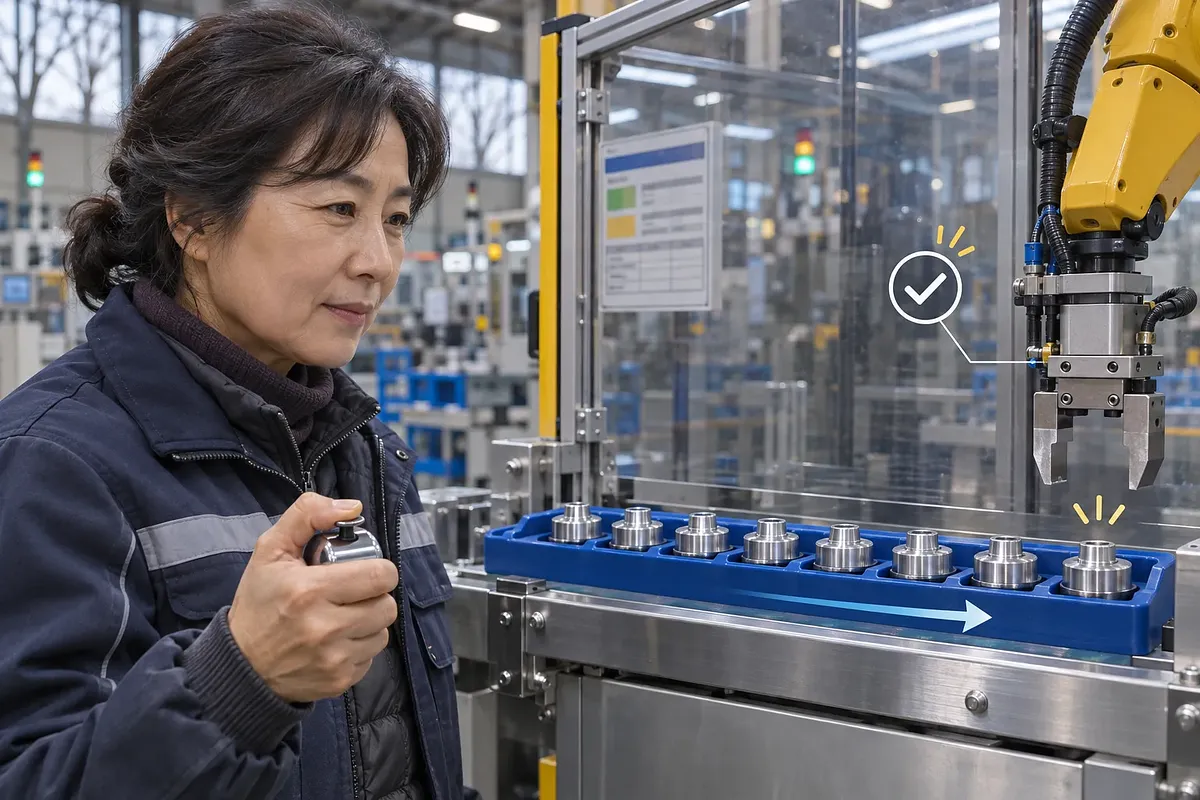
To assess how robots affect production, check how long they run and how much work they complete to the same quality standard.
Universal high income is a vision of the future put forward by Elon Musk, while basic income is a proposal to make regular, unconditional cash payments to individuals.
How households benefit depends on whether savings from automation show up in wages, prices, or profits.
To prepare for changes in income, you can start by checking how much you need to spend each month and how much money you can access right away.
The end of work is the idea that AI and robots will reduce the need to work for a living. The post-work era is a name for that way of life. To prepare now, start by looking at which of your tasks are changing and how savings in time and costs translate into income.
The occupational exposure figures are estimates released by the International Labour Organization (ILO) on May 20, 2025.
What the Post-Work Era and Universal High Income Mean
The post-work era is a metaphor for a future in which working for a living is no longer at the center of life. In this hypothetical future, machines produce enough goods and services to meet people's everyday needs. People can spend the time they once spent choosing what paid work to do on creative pursuits or caregiving.
Elon Musk predicted universal high income during a White House Q&A with reporters on September 29, 2026. He expected robots and AI to bring abundance and change the role people play. The transcript of that day's Q&A on GovInfo, the U.S. government records service, provides the context for his remarks.
Concept | What it means | What to look at in practice Universal High Income | The prediction that technological advances will let everyone share in the abundance | How the gains from production reach each household Basic income (Universal Basic Income) | A proposal to make regular cash payments to each member of a community without income or work requirements | How payment amounts and funding are determined
SpaceX's Mars Plans and Tesla's Automation
SpaceX's stated long-term goal is to lay the groundwork for humanity to live on multiple planets. The company lists power generation, construction, and transportation among the tasks needed to settle Mars. In this vision, too, creating places for people to live generates new work.
Tesla's ride service illustrates the difference between owning a car and using one. Robotaxi passengers call for a car when they need one and use it for one trip at a time. When using FSD (Supervised) in a personal vehicle, drivers must keep supervising the vehicle as it drives, according to Tesla's instructions.
An Example of How to Calculate Robot Operating Time
Dividing 24 hours in a day by 8 hours gives 3 times the operating time. The calculation assumes the robot runs all day. It is not a measure of the productivity of Optimus, the humanoid robot Tesla is developing for repetitive tasks.
For a task that involves moving identical parts, you can count how many are moved without damage in a day. Include any downtime for charging or maintenance in that day. If someone has to correct errors, record that time too so you can tell how much human labor was actually saved.
How to Interpret Occupational Exposure to Generative AI
Occupational exposure shows how much generative AI could affect the tasks that make up an occupation. In the ILO's May 2025 estimates, about 1 in 4 workers worldwide are in occupations with some exposure. Of all workers worldwide, 3.3% work in occupations with the highest level of exposure.
Reading these figures as projected layoffs mixes up the denominator and what is being measured. The ILO counted the people working in those occupations. Because many tasks require human judgment, the ILO considered changes to the work itself more likely than the disappearance of entire occupations.
Consider a customer service representative who uses AI to draft replies. Drafting may get faster, but unusual refund requests may still require the representative's judgment. In your own work, timing drafting and error checking separately can show how much time you actually saved.

Who Benefits From Automation Cost Savings?
Even when companies save the same amount, who benefits depends on how they spend the money. Suppose, for example, that bringing in robots lowers the cost of making a product. The company's savings could reach households in the ways shown below.
How the savings are used | What could change for households | What to check Lower the selling price | Buyers can get more for the same money | The actual price paid for the same quality and quantity Raise wages or reduce paid working hours | Workers gain income or leisure time | Monthly pay and actual hours worked Distribute some of the profits as dividends | Households that own shares receive cash | Dividend decisions and shares held
For example, even if it takes less time to handle an inquiry, you'll still leave work at the same time if you handle more inquiries during the same work hours. Conversely, if your hours are cut without reducing your monthly pay, the time saved becomes leisure time. That's why it's worth looking at both output and working hours when considering the prospect of a post-work era.
How to Check Your Living Expenses to Prepare for Income Changes
Your actual spending can help you estimate how well your household could weather a drop in income. You don't need to predict when automation will change jobs. Separate money for living expenses from money for investing based on when you'll need to spend it.
· Review your recent spending and add up what you need to spend each month on essentials such as housing and food. · Assume your income stops, then divide the money you can use right away for living expenses by your essential monthly expenses. The result is an estimate of how many months you can maintain your current spending. · Write down when you'll need to use the money you invest. Your investment time horizon and how much you can afford to lose are also among the factors the U.S. Securities and Exchange Commission lists in its investor guidance on asset allocation.
Leisure and Caregiving When Working Hours Shrink
If paid work decreases, how much more leisure time you gain depends on how much time you need for caregiving or housework you've put off. In this scenario, Deep Entertainment means leisure activities you can immerse yourself in for long periods. Examples include learning an instrument and playing with others or creating something together in a virtual world.
Even now, you can try a leisure activity you've planned when you have a little time to spare. Pick one activity you've put off and note what part of it you'd like to do again. If you enjoyed playing music together, setting aside time to practice together may matter more than taking a longer vacation.
0:00 0:00
1 / 33

Advertisement

Download text

File name
end-of-work-post-history-ai-jobs-and-income-en.txt
Format
TXT (text/plain)
Paragraphs
33

Downloads exactly what you see as a text file.

Please cite the source when quoting.

Advertisement

Large text

Makes the text larger and the colors clearer. Turn it on if the text feels too small.

To assess AI’s impact on work, first identify which tasks it changes.

Key points

  • According to the International Labour Organization's May 2025 estimate, about 1 in 4 workers worldwide are in jobs that could be affected by generative AI.
  • To assess how robots affect production, check how long they run and how much work they complete to the same quality standard.
  • Universal high income is a vision of the future put forward by Elon Musk, while basic income is a proposal to make regular, unconditional cash payments to individuals.
  • How households benefit depends on whether savings from automation show up in wages, prices, or profits.
  • To prepare for changes in income, you can start by checking how much you need to spend each month and how much money you can access right away.

The end of work is the idea that AI and robots will reduce the need to work for a living. The post-work era is a name for that way of life. To prepare now, start by looking at which of your tasks are changing and how savings in time and costs translate into income.

The occupational exposure figures are estimates released by the International Labour Organization (ILO) on May 20, 2025.

What the Post-Work Era and Universal High Income Mean

The post-work era is a metaphor for a future in which working for a living is no longer at the center of life. In this hypothetical future, machines produce enough goods and services to meet people's everyday needs. People can spend the time they once spent choosing what paid work to do on creative pursuits or caregiving.

Elon Musk predicted universal high income during a White House Q&A with reporters on September 29, 2026. He expected robots and AI to bring abundance and change the role people play. The transcript of that day's Q&A on GovInfo, the U.S. government records service, provides the context for his remarks.

Concept What it means What to look at in practice
Universal High Income The prediction that technological advances will let everyone share in the abundance How the gains from production reach each household
Basic income (Universal Basic Income) A proposal to make regular cash payments to each member of a community without income or work requirements How payment amounts and funding are determined
To assess a robot’s impact on production, track both its runtime and how much it produces at the same level of quality.

SpaceX's Mars Plans and Tesla's Automation

SpaceX's stated long-term goal is to lay the groundwork for humanity to live on multiple planets. The company lists power generation, construction, and transportation among the tasks needed to settle Mars. In this vision, too, creating places for people to live generates new work.

Tesla's ride service illustrates the difference between owning a car and using one. Robotaxi passengers call for a car when they need one and use it for one trip at a time. When using FSD (Supervised) in a personal vehicle, drivers must keep supervising the vehicle as it drives, according to Tesla's instructions.

An Example of How to Calculate Robot Operating Time

Dividing 24 hours in a day by 8 hours gives 3 times the operating time. The calculation assumes the robot runs all day. It is not a measure of the productivity of Optimus, the humanoid robot Tesla is developing for repetitive tasks.

For a task that involves moving identical parts, you can count how many are moved without damage in a day. Include any downtime for charging or maintenance in that day. If someone has to correct errors, record that time too so you can tell how much human labor was actually saved.

How to Interpret Occupational Exposure to Generative AI

Occupational exposure shows how much generative AI could affect the tasks that make up an occupation. In the ILO's May 2025 estimates, about 1 in 4 workers worldwide are in occupations with some exposure. Of all workers worldwide, 3.3% work in occupations with the highest level of exposure.

Reading these figures as projected layoffs mixes up the denominator and what is being measured. The ILO counted the people working in those occupations. Because many tasks require human judgment, the ILO considered changes to the work itself more likely than the disappearance of entire occupations.

Consider a customer service representative who uses AI to draft replies. Drafting may get faster, but unusual refund requests may still require the representative's judgment. In your own work, timing drafting and error checking separately can show how much time you actually saved.


Who Benefits From Automation Cost Savings?

Even when companies save the same amount, who benefits depends on how they spend the money. Suppose, for example, that bringing in robots lowers the cost of making a product. The company's savings could reach households in the ways shown below.

How the savings are used What could change for households What to check
Lower the selling price Buyers can get more for the same money The actual price paid for the same quality and quantity
Raise wages or reduce paid working hours Workers gain income or leisure time Monthly pay and actual hours worked
Distribute some of the profits as dividends Households that own shares receive cash Dividend decisions and shares held

For example, even if it takes less time to handle an inquiry, you'll still leave work at the same time if you handle more inquiries during the same work hours. Conversely, if your hours are cut without reducing your monthly pay, the time saved becomes leisure time. That's why it's worth looking at both output and working hours when considering the prospect of a post-work era.

How to Check Your Living Expenses to Prepare for Income Changes

Your actual spending can help you estimate how well your household could weather a drop in income. You don't need to predict when automation will change jobs. Separate money for living expenses from money for investing based on when you'll need to spend it.

  1. Review your recent spending and add up what you need to spend each month on essentials such as housing and food.
  2. Assume your income stops, then divide the money you can use right away for living expenses by your essential monthly expenses. The result is an estimate of how many months you can maintain your current spending.
  3. Write down when you'll need to use the money you invest. Your investment time horizon and how much you can afford to lose are also among the factors the U.S. Securities and Exchange Commission lists in its investor guidance on asset allocation.

Leisure and Caregiving When Working Hours Shrink

If paid work decreases, how much more leisure time you gain depends on how much time you need for caregiving or housework you've put off. In this scenario, Deep Entertainment means leisure activities you can immerse yourself in for long periods. Examples include learning an instrument and playing with others or creating something together in a virtual world.

Even now, you can try a leisure activity you've planned when you have a little time to spare. Pick one activity you've put off and note what part of it you'd like to do again. If you enjoyed playing music together, setting aside time to practice together may matter more than taking a longer vacation.

Open the link

Opens in a new window.

Advertisement

Sign-in required

Sign in with your Google or Apple account to like, comment, and save highlights.

FAQ

When does the post-work era begin?

The post-work era is a term for an imagined society where people need to spend less time working to make a living. There is no official standard for determining the year it begins or the length of the transition.

If I work in an occupation exposed to generative AI, do I have a one-in-four chance of losing my job?

The roughly one-quarter figure the ILO published in May 2025 is the share of employed people worldwide who work in occupations with some degree of exposure. The index cannot be used to calculate an individual's chances of losing their job.

How much would universal high income pay?

When Elon Musk spoke about universal high income in a Q&A with reporters in September 2026, he did not specify how much each person would receive or how often payments would be made. He was describing the standard of living he expects when robots and AI increase production.

How can I measure the effect on output when robots work for long periods?

Compare how much work was completed over the same period at the same level of quality. Also record downtime for charging and maintenance and the time people spend correcting errors to see how much labor was actually saved.

How is requesting a Robotaxi different from using FSD in a personal vehicle?

Robotaxi is a service that lets passengers request a ride. According to Tesla's guidance, FSD (Supervised) for personal vehicles is a feature that requires the driver to keep supervising the vehicle while it is in motion.

How can I tell whether the time AI saved me actually became leisure time?

Keep separate records of how long it takes to complete a task and what time you actually finish work. If only the number of tasks you completed went up, you did more work in the same amount of time. If your working hours went down while your monthly pay stayed the same, you gained more time without losing income.

Should I buy stock in robotics companies to prepare for automation?

The outlook for automation alone cannot tell you whether a particular stock is right for your household. First, calculate how much you will need for living expenses in the near future. You can allocate the remaining funds based on how long you plan to invest and how much you can afford to lose.

Sources

Data formats

This content is available in several machine-friendly formats.

Data-only languages (machine translated, files only)

Indonesian JSON MD Portuguese JSON MD Chinese (Traditional) JSON MD Deutsch JSON MD

Verification

This article was drafted with AI and then reviewed and edited by a person.

Reviewed by 신익희 · 편집장 · 2026-11-29

Figures in this article were checked against the source material during generation. · 2026-11-29

This translation has been cross-checked by AI. · 2026-11-29

Reuse & AI usage

Search indexing and AI citation with attribution are welcome. See the license policy for details.

Site license policy (commercial republishing requires permission) · License

Loading…

Loading…

Loading…

Where this content lives

Related content

From Injoys

Request the content you want and take 70% of what it earns

Just leave the subject. We handle production, review, translation and distribution.

See how revenue sharing works

Comments