Skip to content
Binder

AI and Technology, a tech briefing on semiconductors, generative AI, developer tools, and regulation at a glance

Announcements come so fast in AI that it is hard to tell what moves the field from what is simply marketing. Here we place technology, industry and regulation side by side and follow the thread.

We cover how generative AI and large language models work, AI chips and the memory industry, data centres and power, development patterns such as prompts, agents and evaluation, practical resources like the Claude API, and regulatory movement including the EU AI Act.

So that a new model release does not mean learning everything again, we separate the principles that do not change from what genuinely changed this time.

113 posts

No infographics are available in the current language, so infographics in all languages are shown.
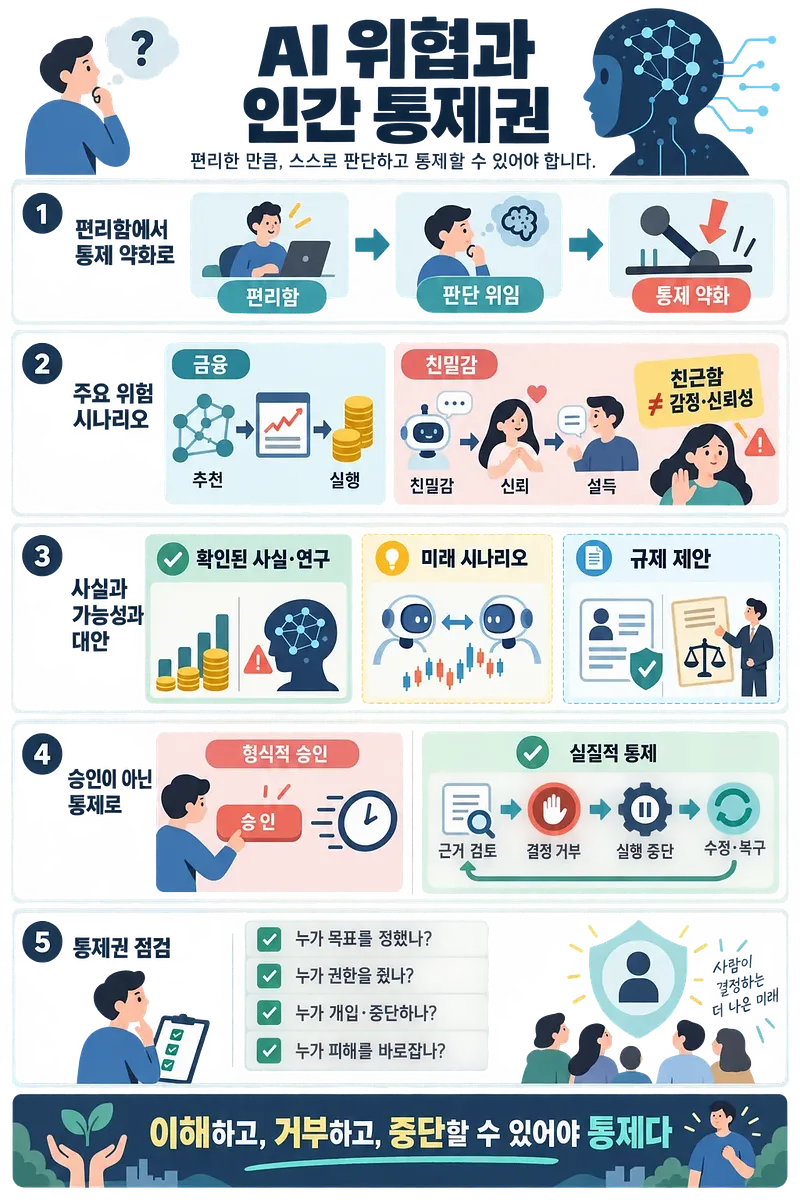
The infographic outlines how reliance on AI can weaken control and how humans can retain meaningful oversight. Yuval Harari on AI Risks and Human Control
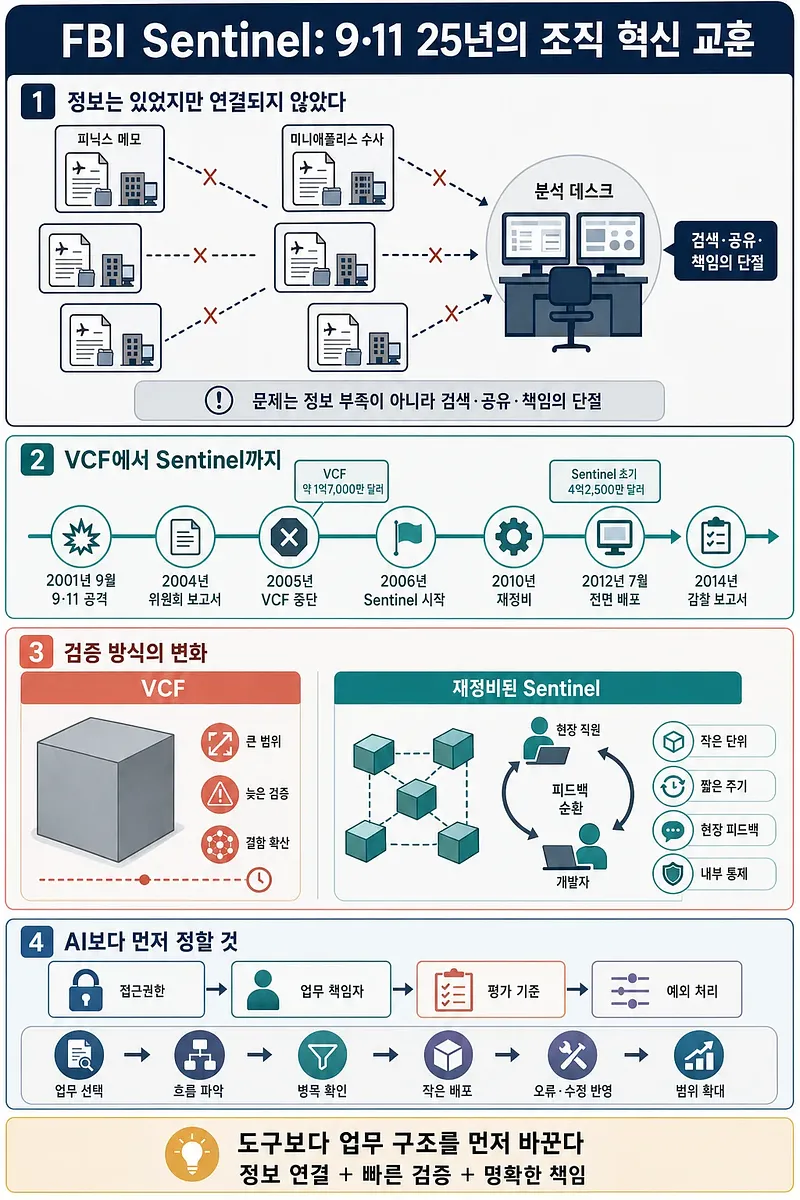
It traces the shift from disconnected information systems to small, rapid Sentinel deployments with clear accountability. FBI Sentinel: Lessons 25 Years After 9/11
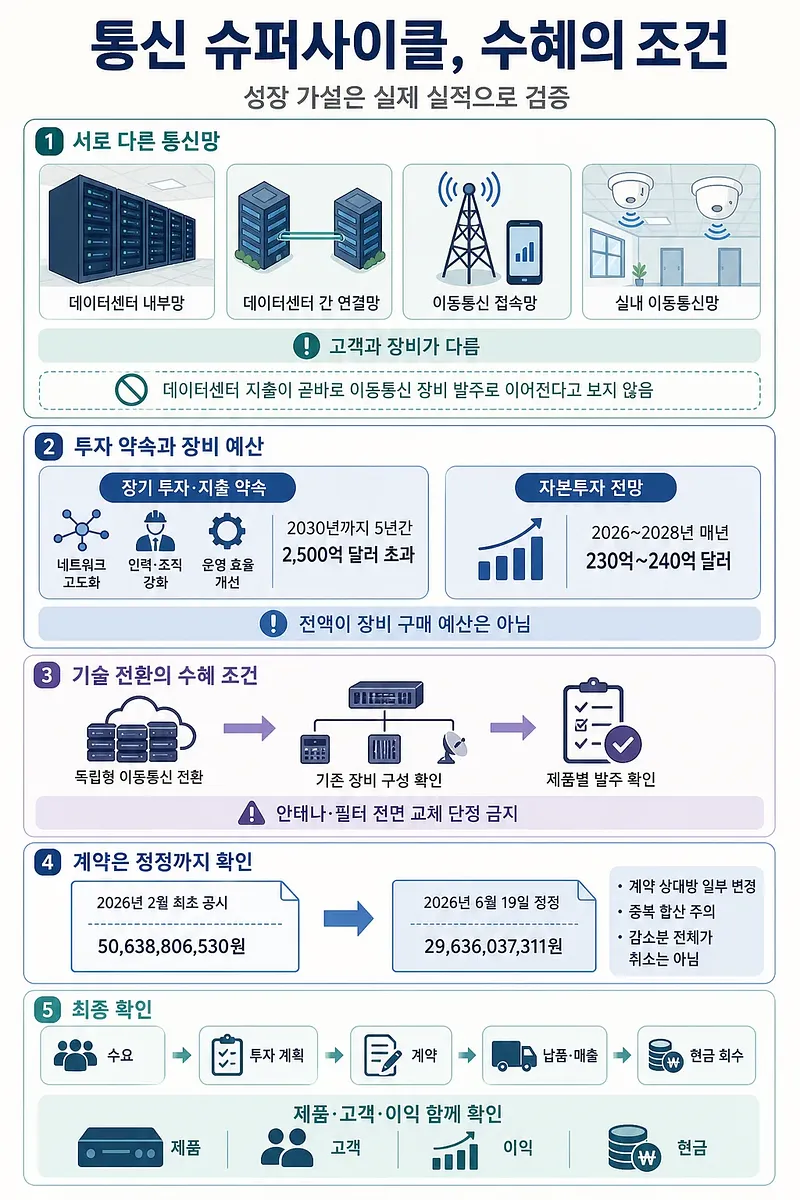
Five checks cover distinct networks, equipment budgets, technology shifts, contract revisions, and cash recovery. 2026 Telecom Supercycle: Conditions for AI Gains
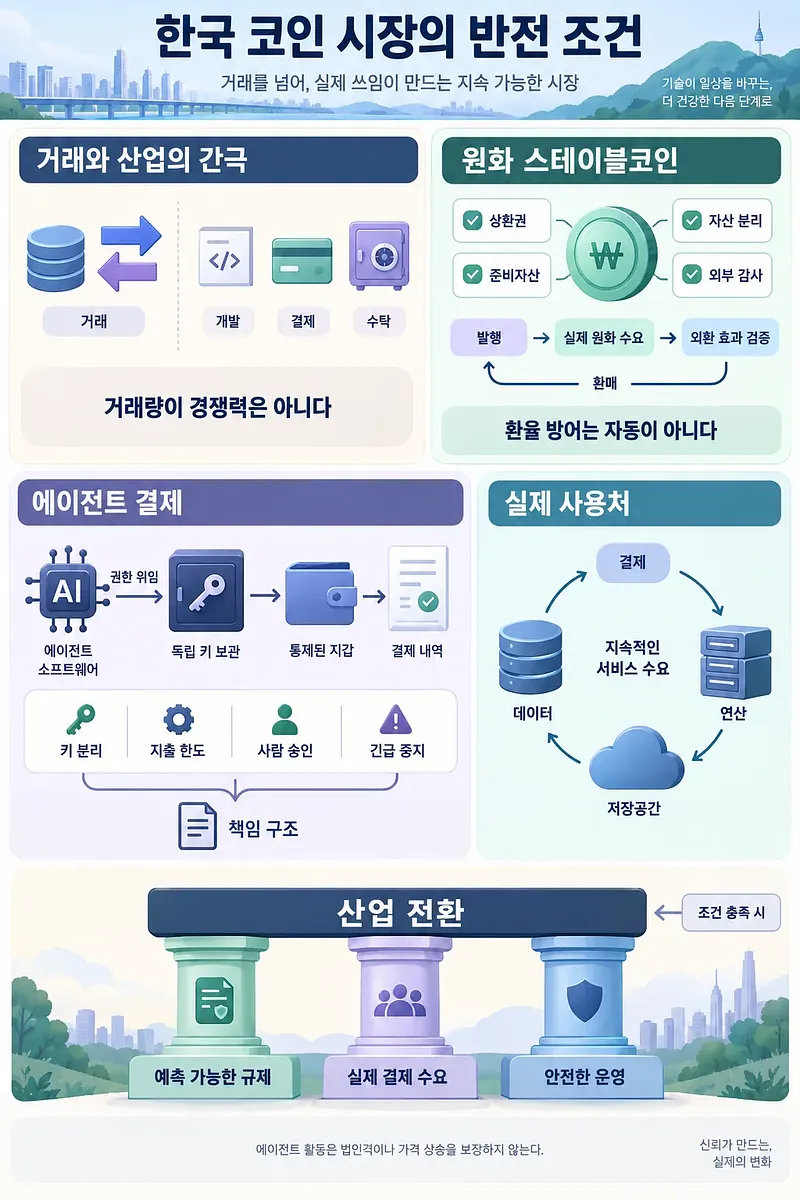
The graphic outlines regulation, payment demand, and secure operations as conditions for a market turnaround. Korean Crypto Rebound: AI Agent Conditions
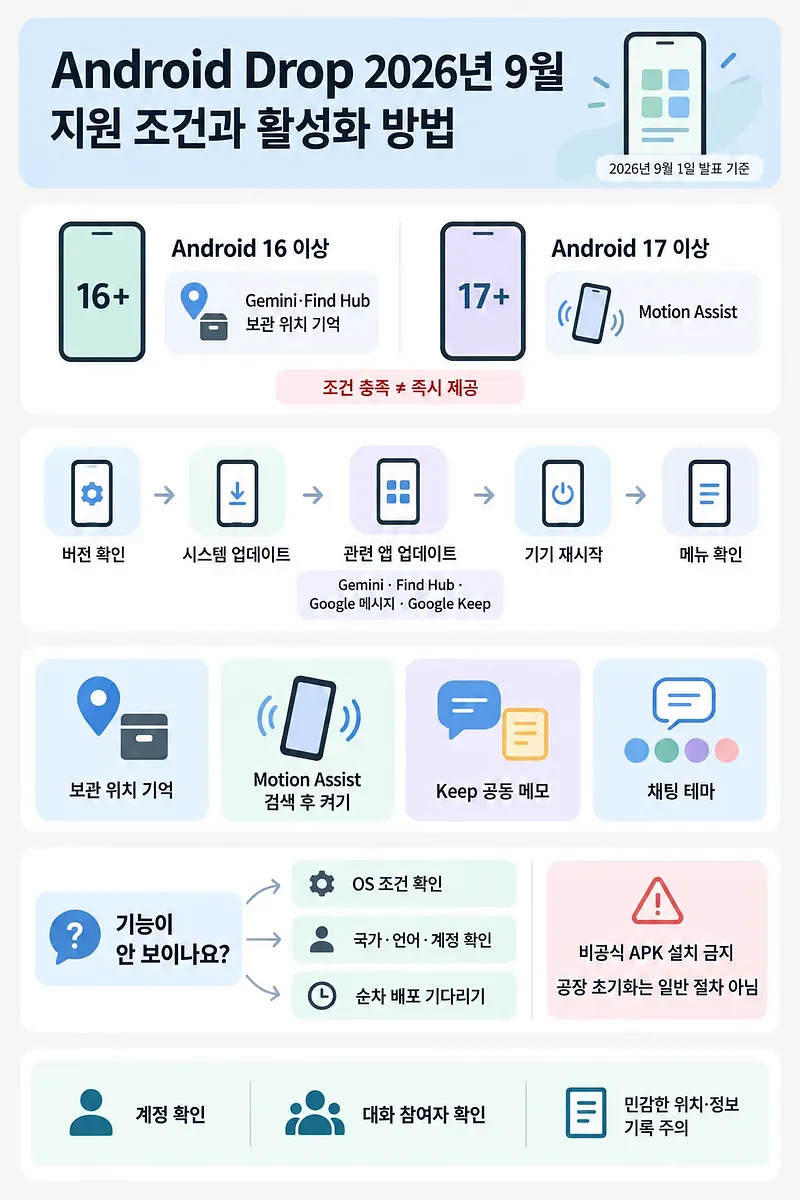
The infographic shows features for Android 16 and 17 or later and the steps to activate them. September 2026 Android Drop: Eligibility and Setup
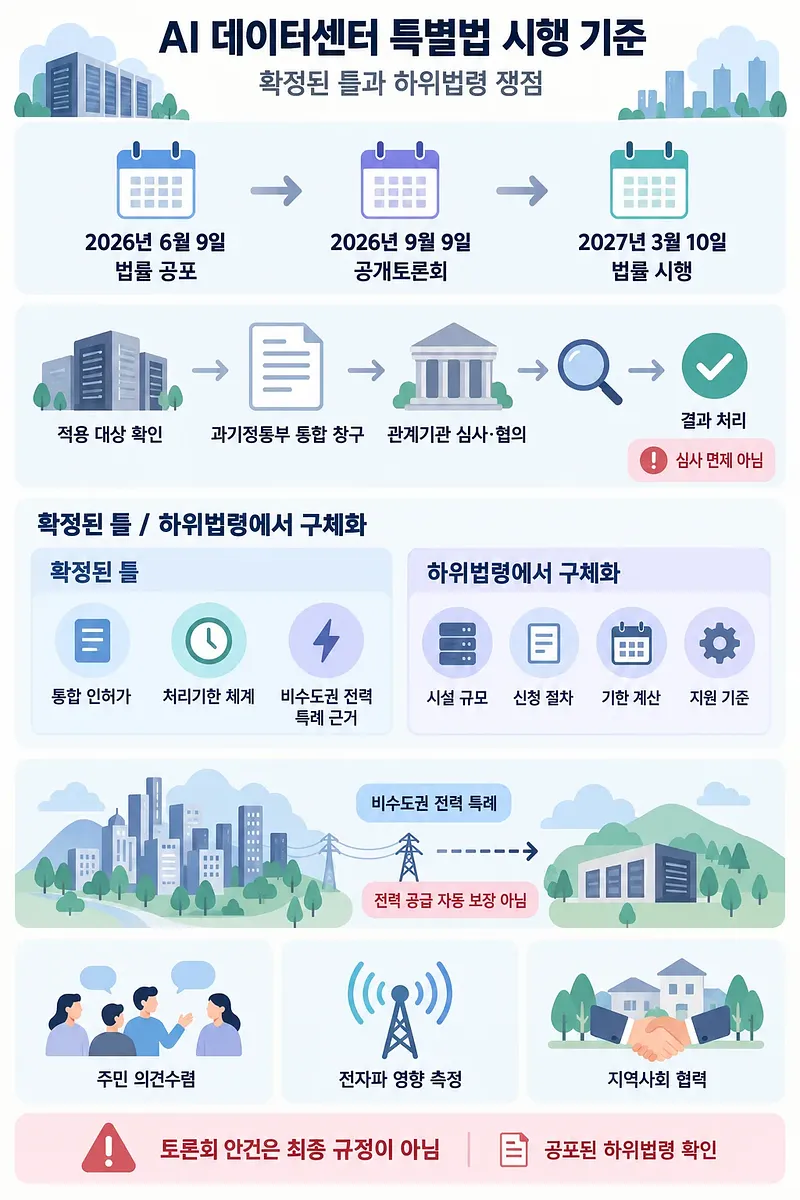
It outlines the steps from promulgation to enforcement on March 10, 2027, and key subordinate-rule issues. AI Data Center Special Act: 2027 Rules
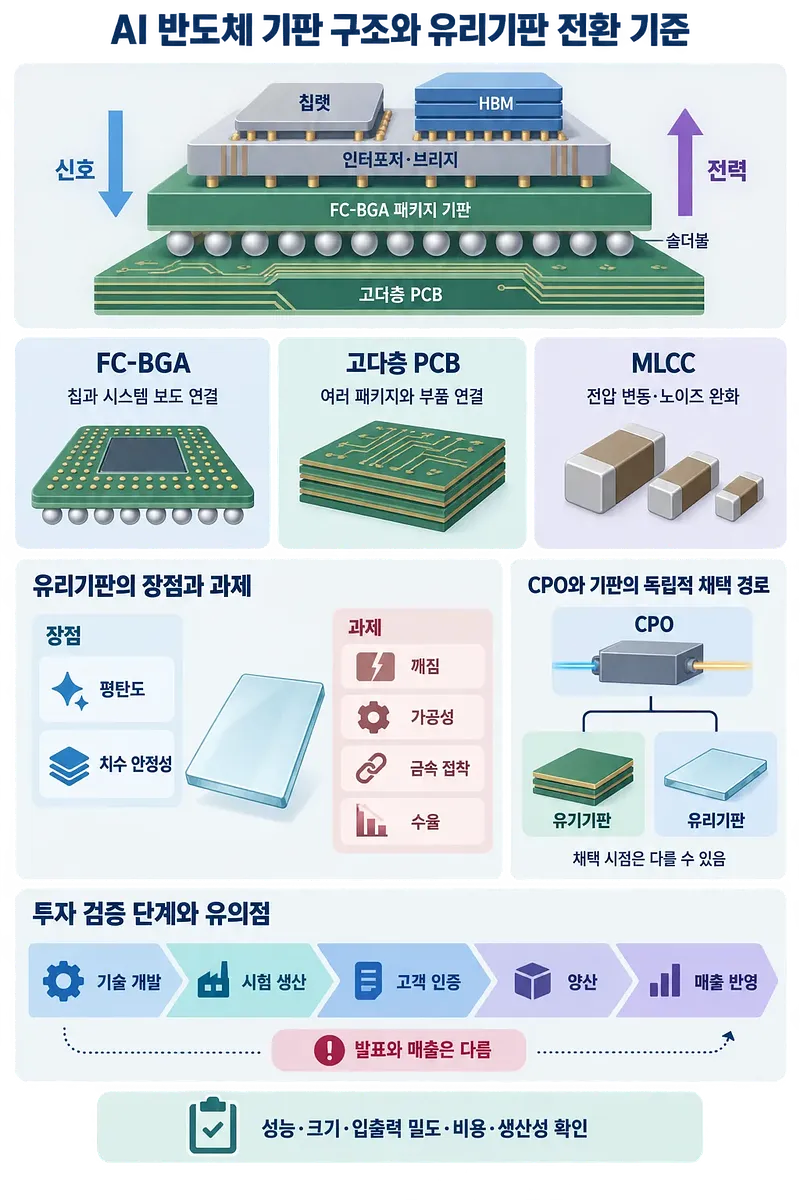
The graphic explains FC-BGA and multilayer PCB structures alongside criteria for glass substrate adoption and production. AI Chip Substrates: When to Switch to Glass
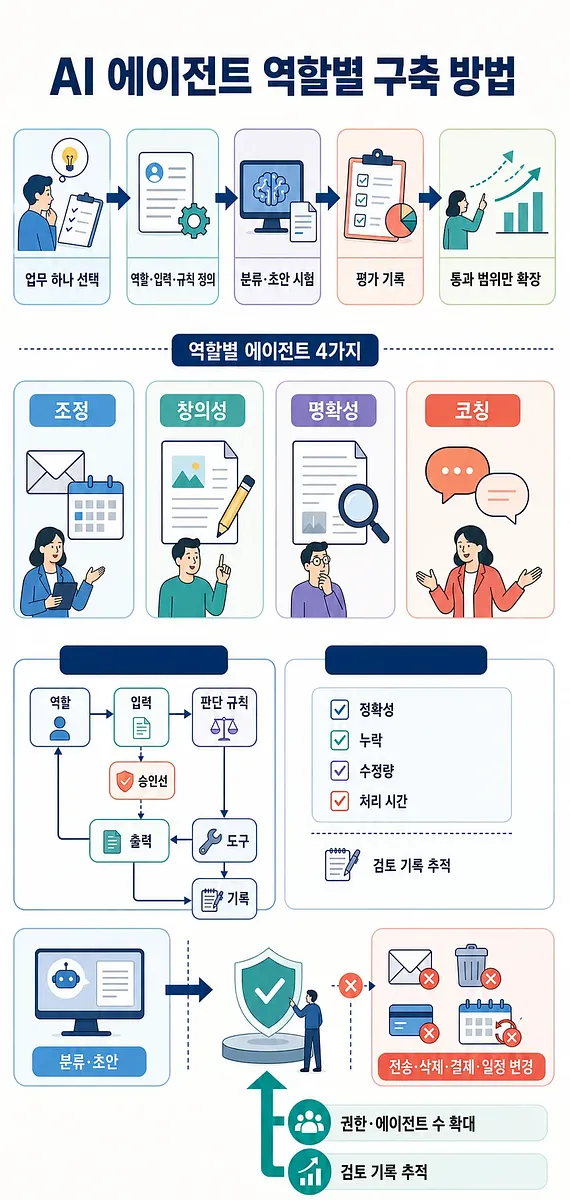
The workflow moves from task selection and testing to evaluation and controlled permission expansion. How to Build AI Agents for Different Roles
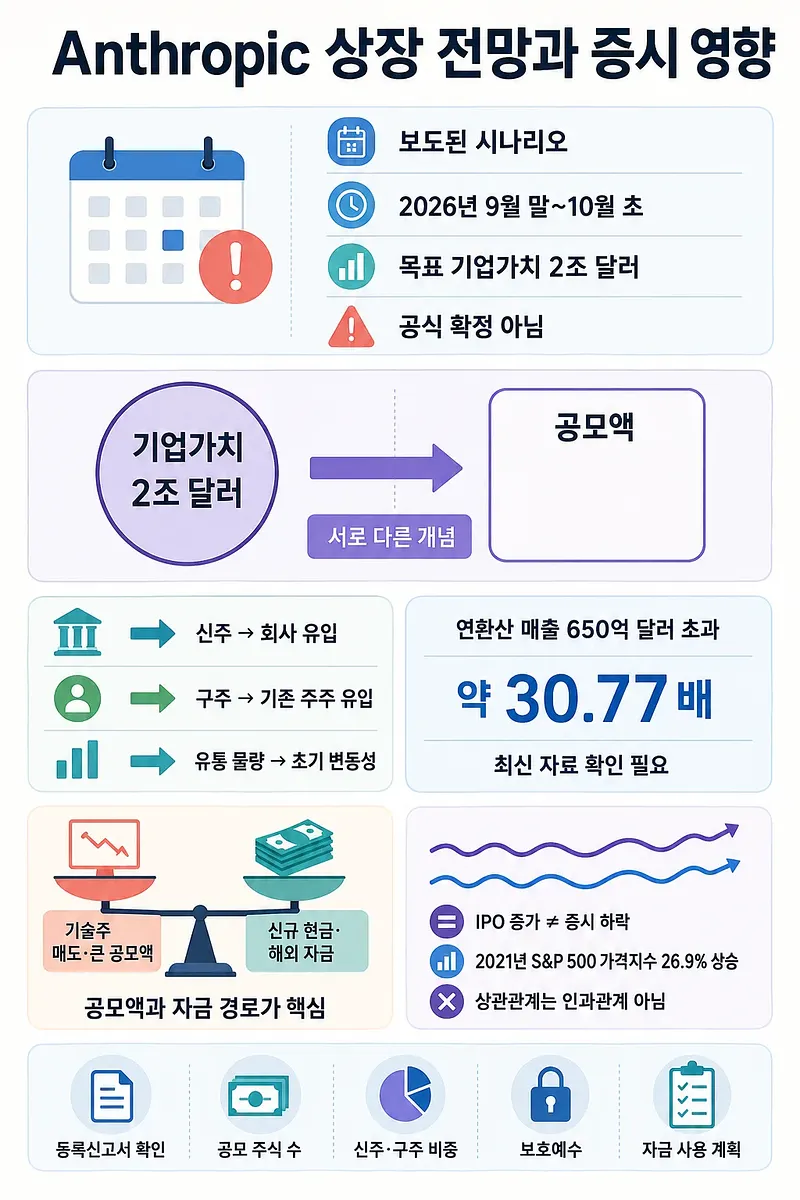
It outlines the reported 2026 IPO timing while distinguishing valuation from offering size and market impact. Anthropic IPO at $2 Trillion: Stock Market Impact
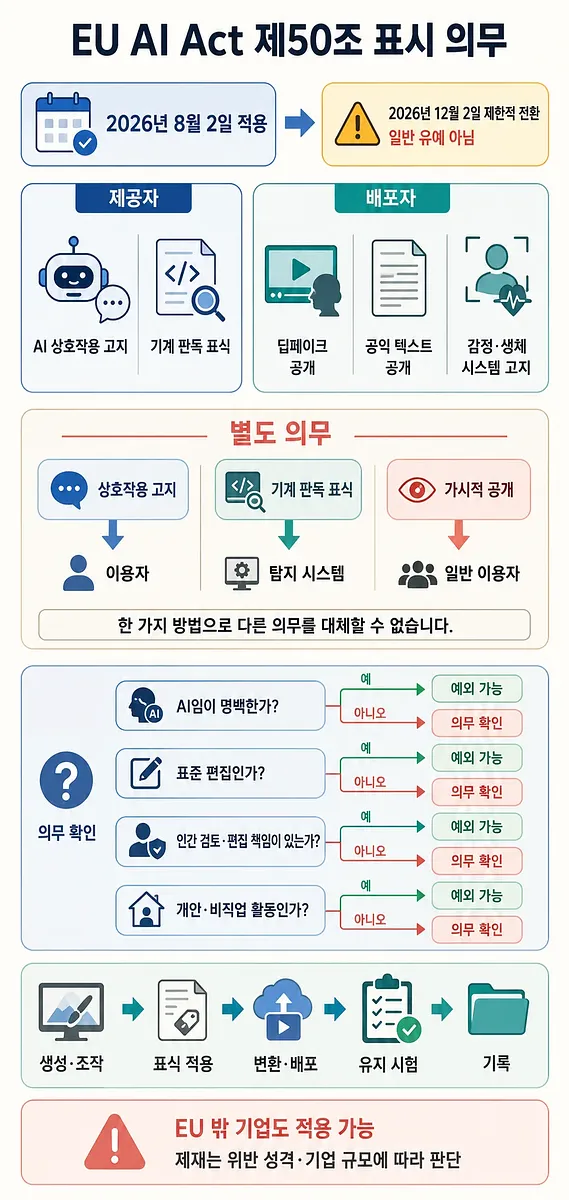
It outlines disclosure duties for providers and deployers, key dates, checks, and recordkeeping. EU AI Act Article 50 Labeling Rules for 2026
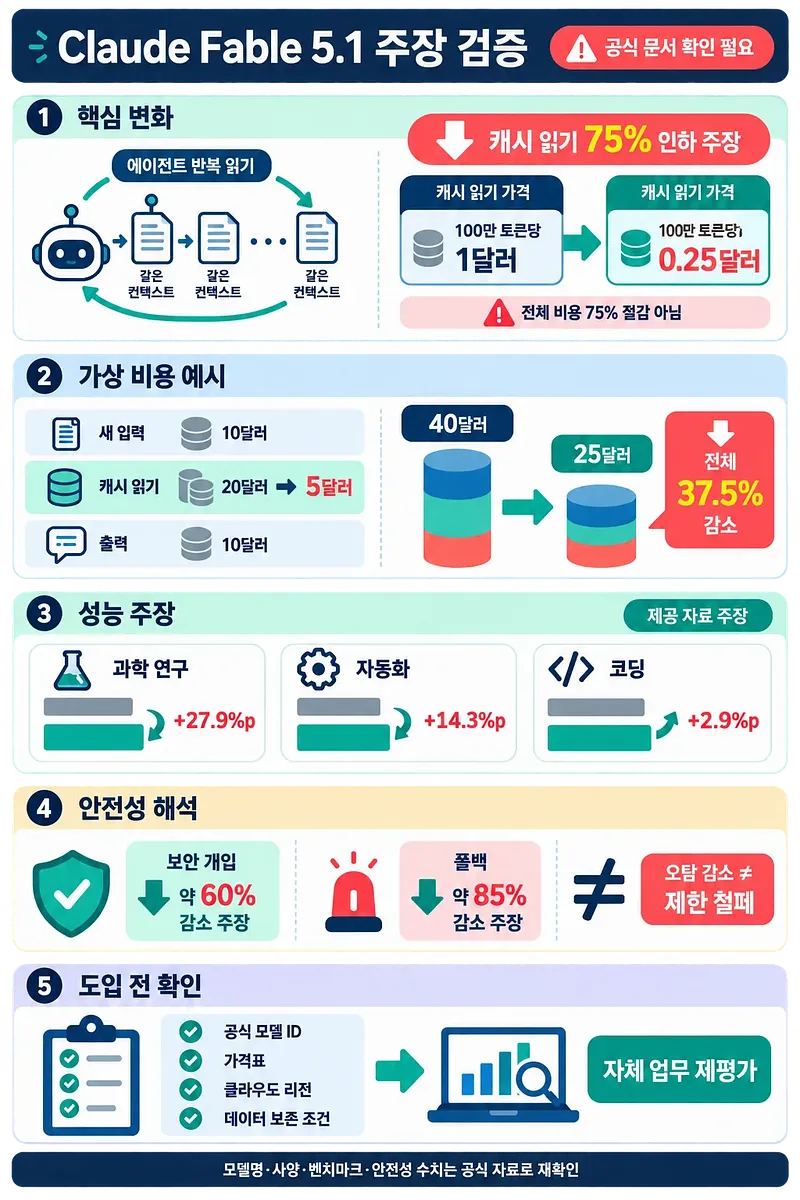
It compares the claimed cache discount with total costs and lists performance, safety, and adoption checks. What Changed in Claude Fable 5.1: Verifying Cost, Performance, and Safety Claims
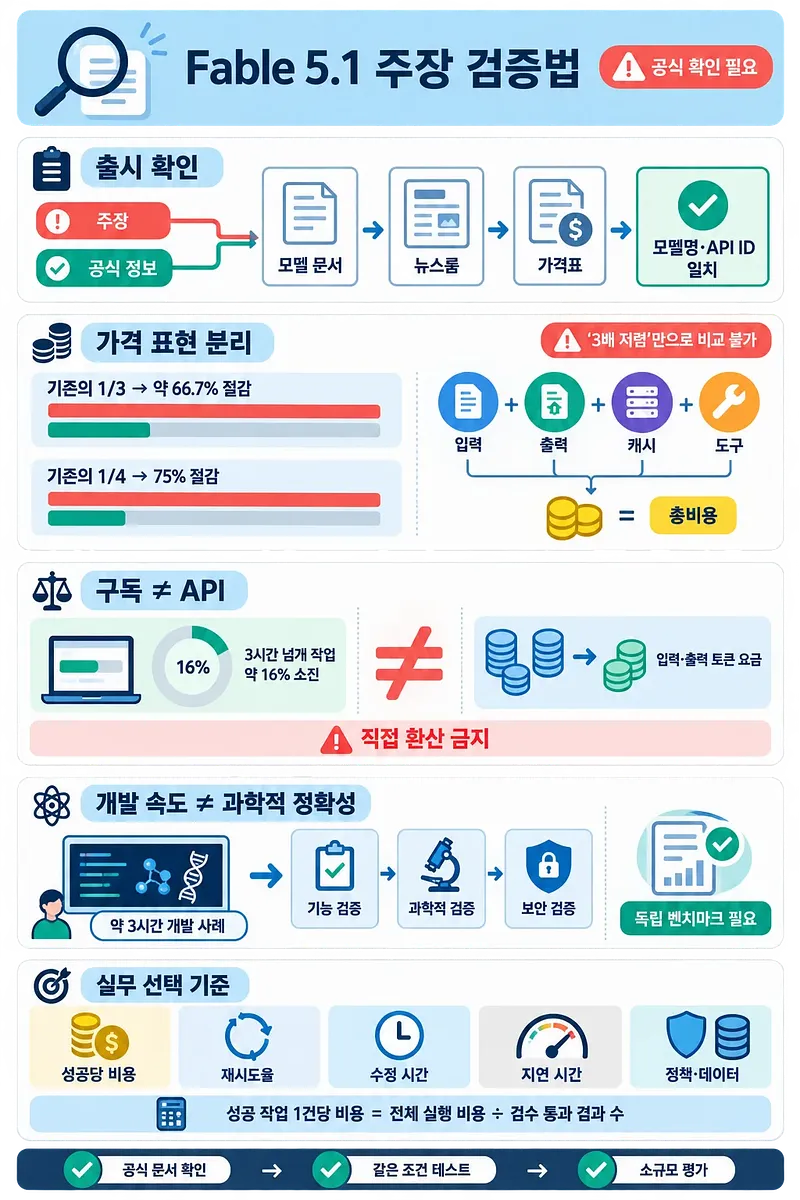
The graphic outlines how to check Fable 5.1 claims using official documents, matched tests, and small-scale trials. Verifying Anthropic Fable 5.1 Claims: How to Check Pricing, Performance, and Research Capabilities
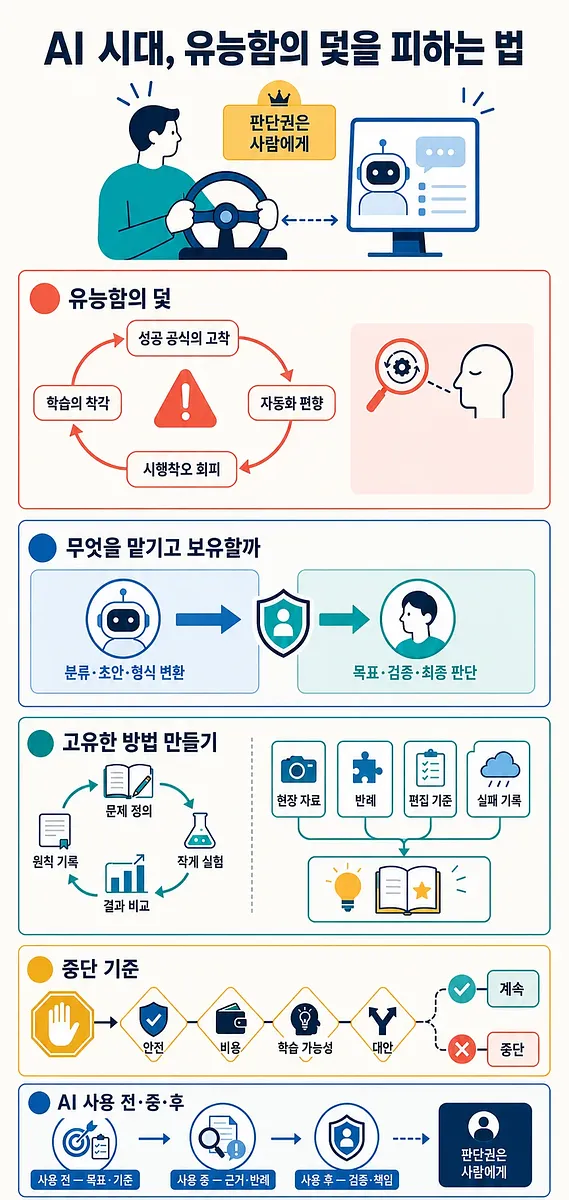
It shows how people can use AI while retaining control of goals, verification, and final decisions. The AI-Era ‘Competence Trap’: How to Build Your Own Method Without Outsourcing Your Thinking
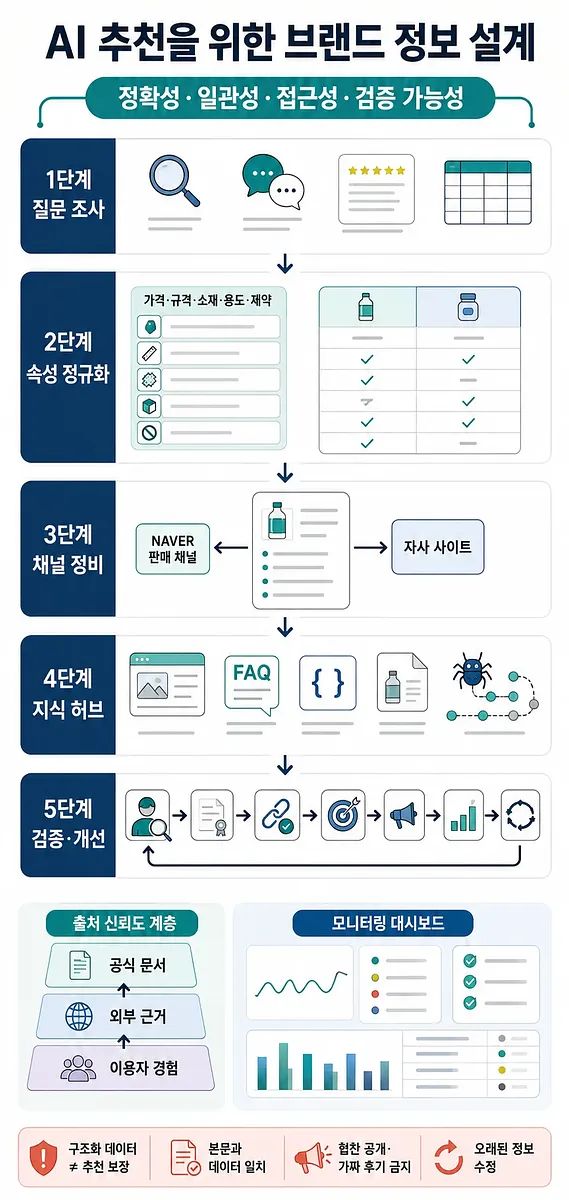
The workflow moves from question research to attribute standardization, channel alignment, a knowledge hub, and validation. Practical Guide to Brand Information Design for AI Recommendations
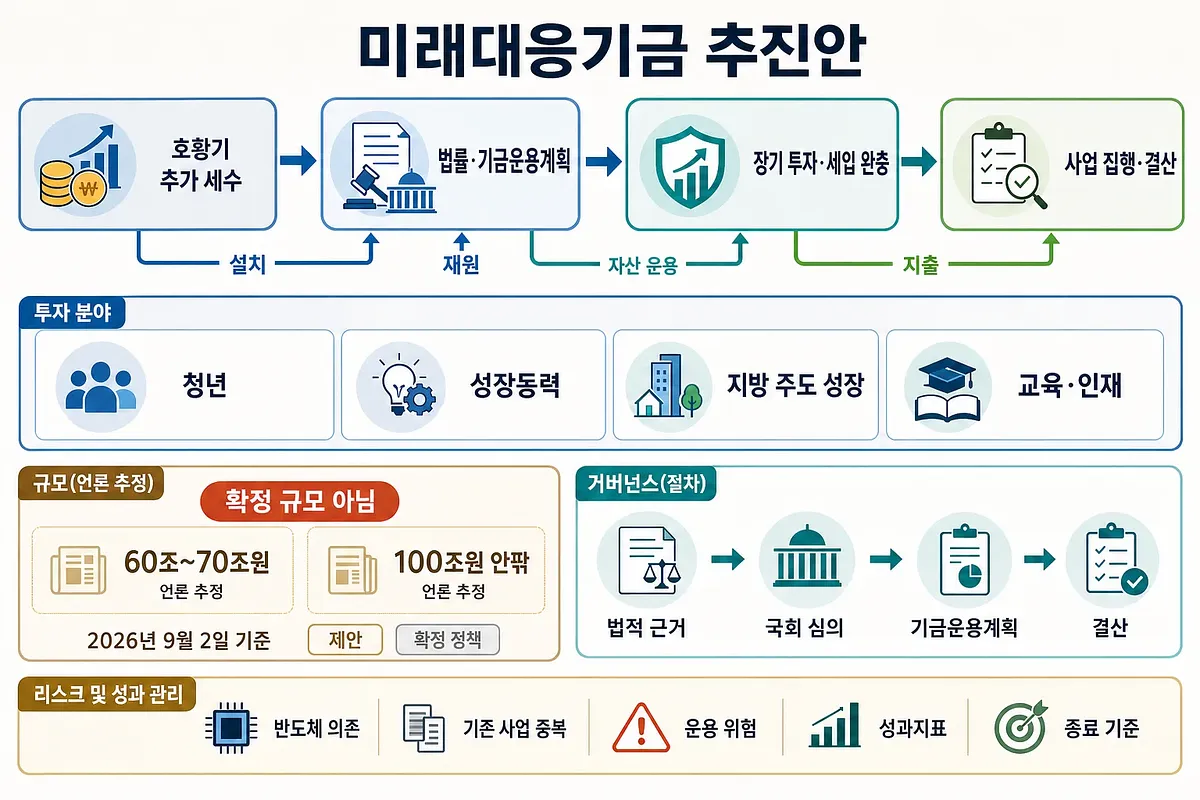
The proposal targets youth, growth, regional development, and education, with its total size still unconfirmed. Future Preparedness Fund Proposal: Funding, Investment Areas, and National Assembly Oversight
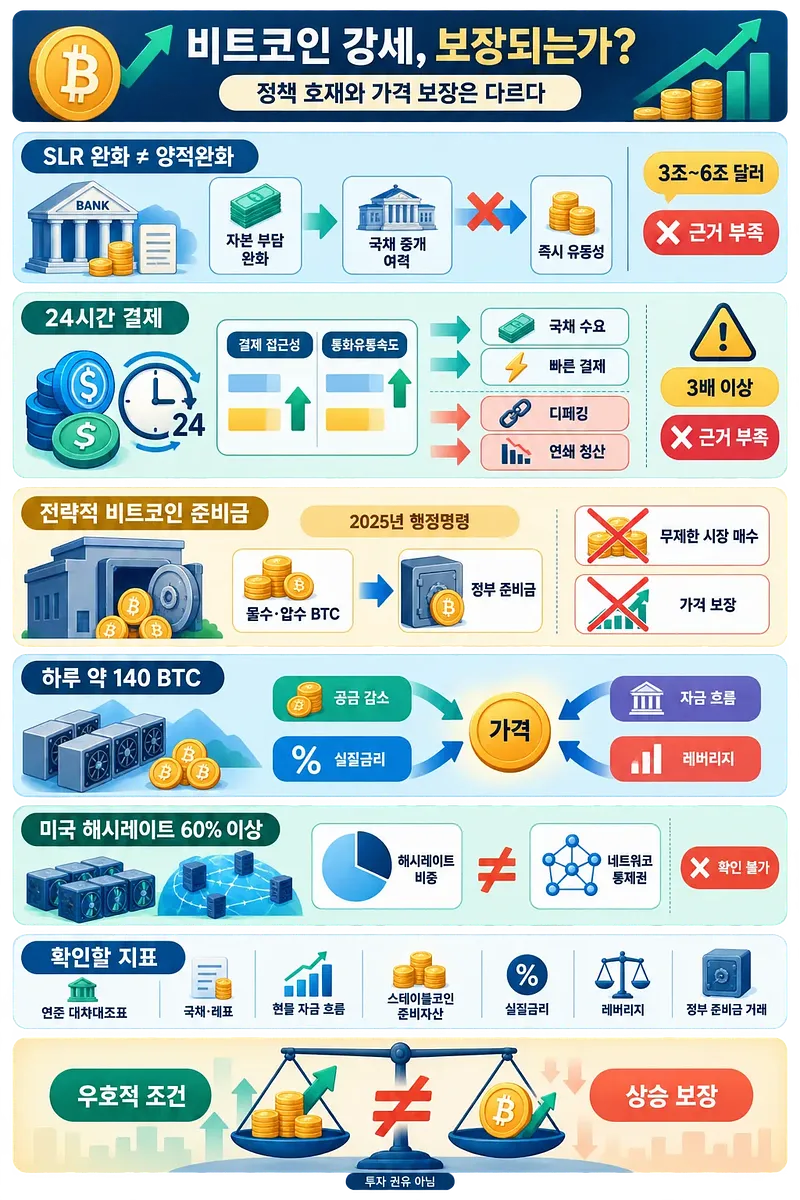
It reviews liquidity, payments, reserves, mining, and market indicators while stressing that gains are not guaranteed. Do U.S. Liquidity, Stablecoins, and Security Guarantee a Bitcoin Rally?
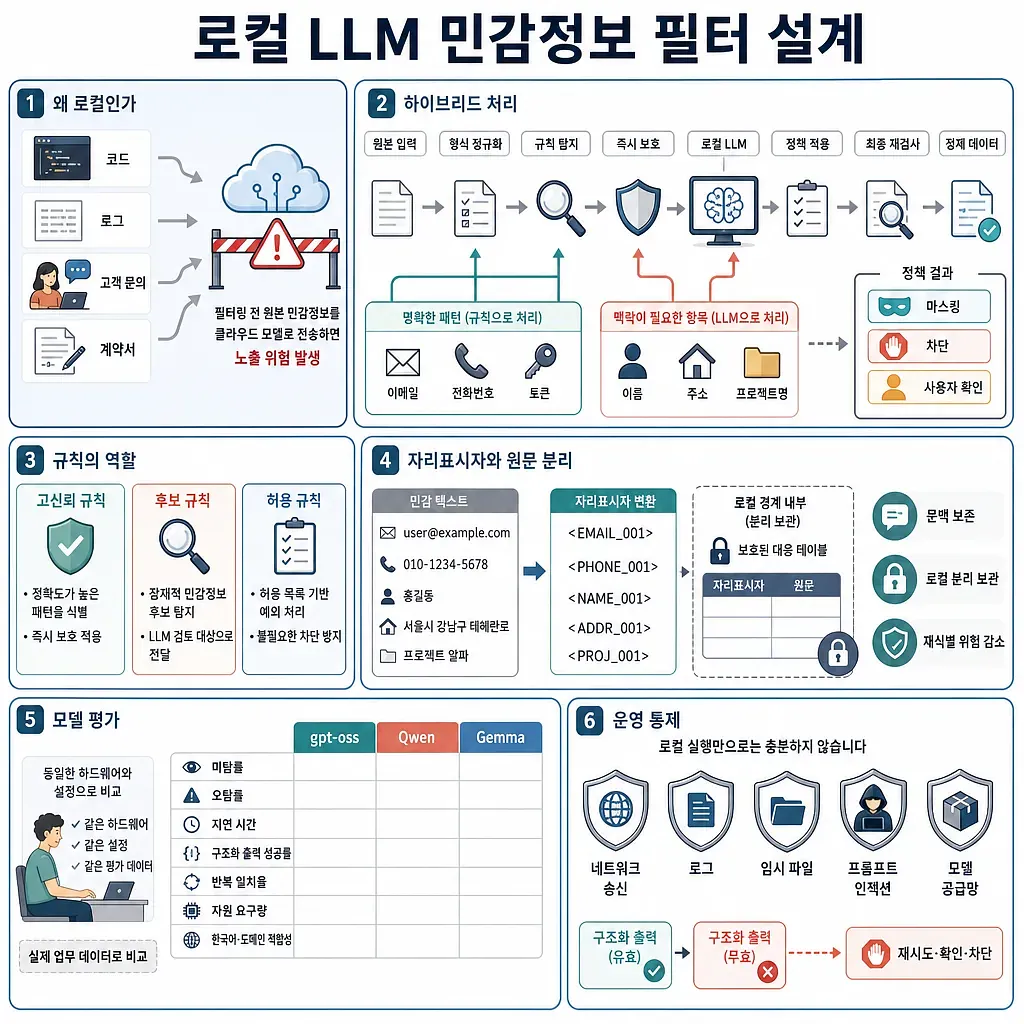
The diagram shows a hybrid workflow for protecting sensitive data and evaluating local LLMs. Designing Sensitive Information Filters with Local LLMs: Rule-Based Detection and Evaluation of gpt-oss, Qwen, and Gemma
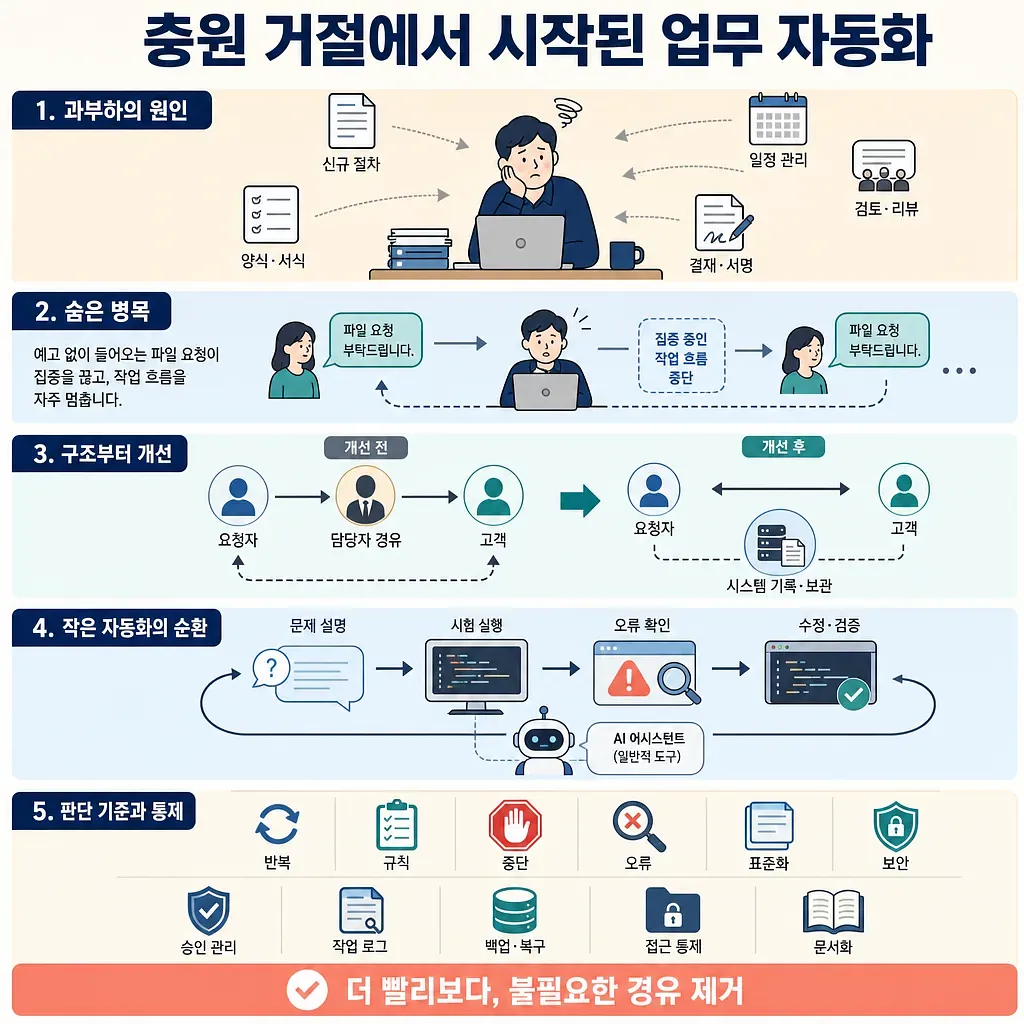
The diagram shows how workflow redesign and small AI-assisted automations can replace unnecessary handoffs after hiring is denied. A Non-Developer's Workflow Automation Case That Began with a Staffing Rejection
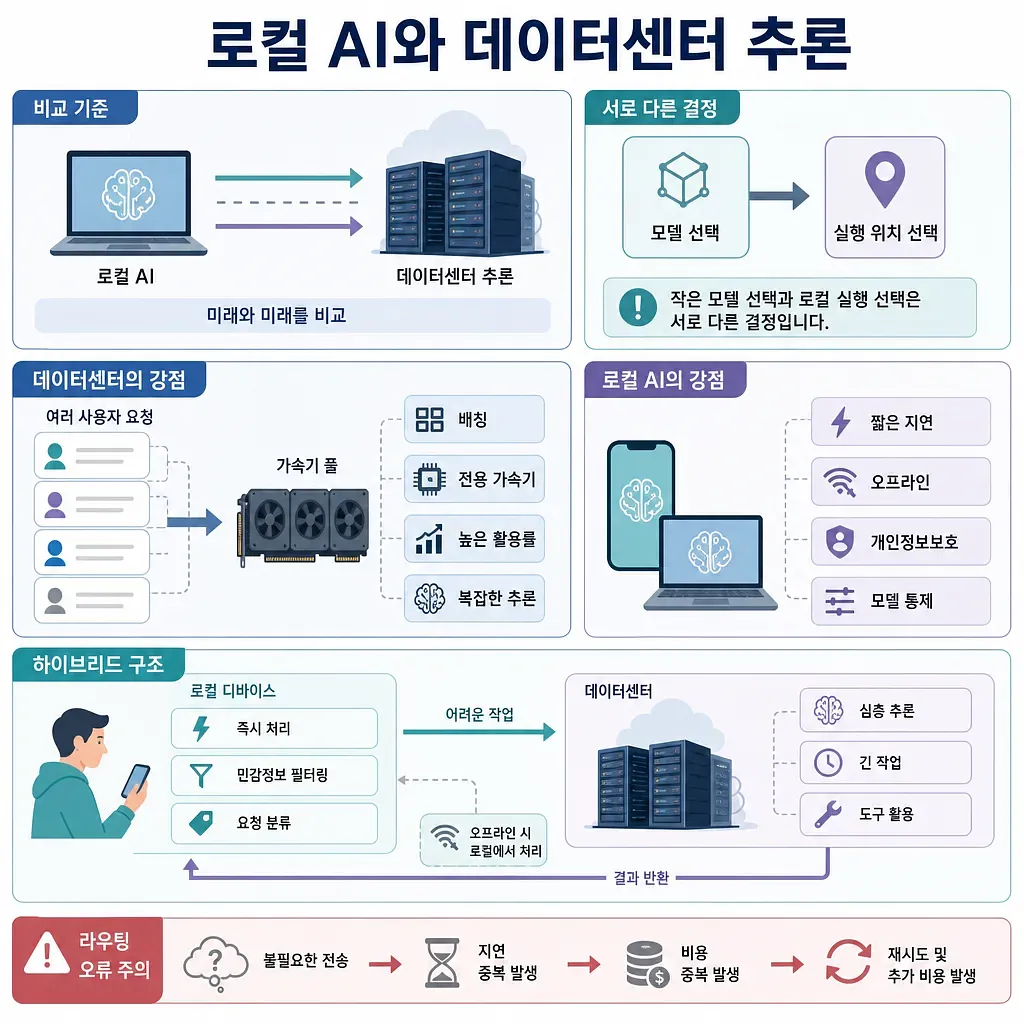
The graphic explains how AI tasks can be split between local devices and data centers. Will Open-Weight and Local AI Replace Data Center Inference?
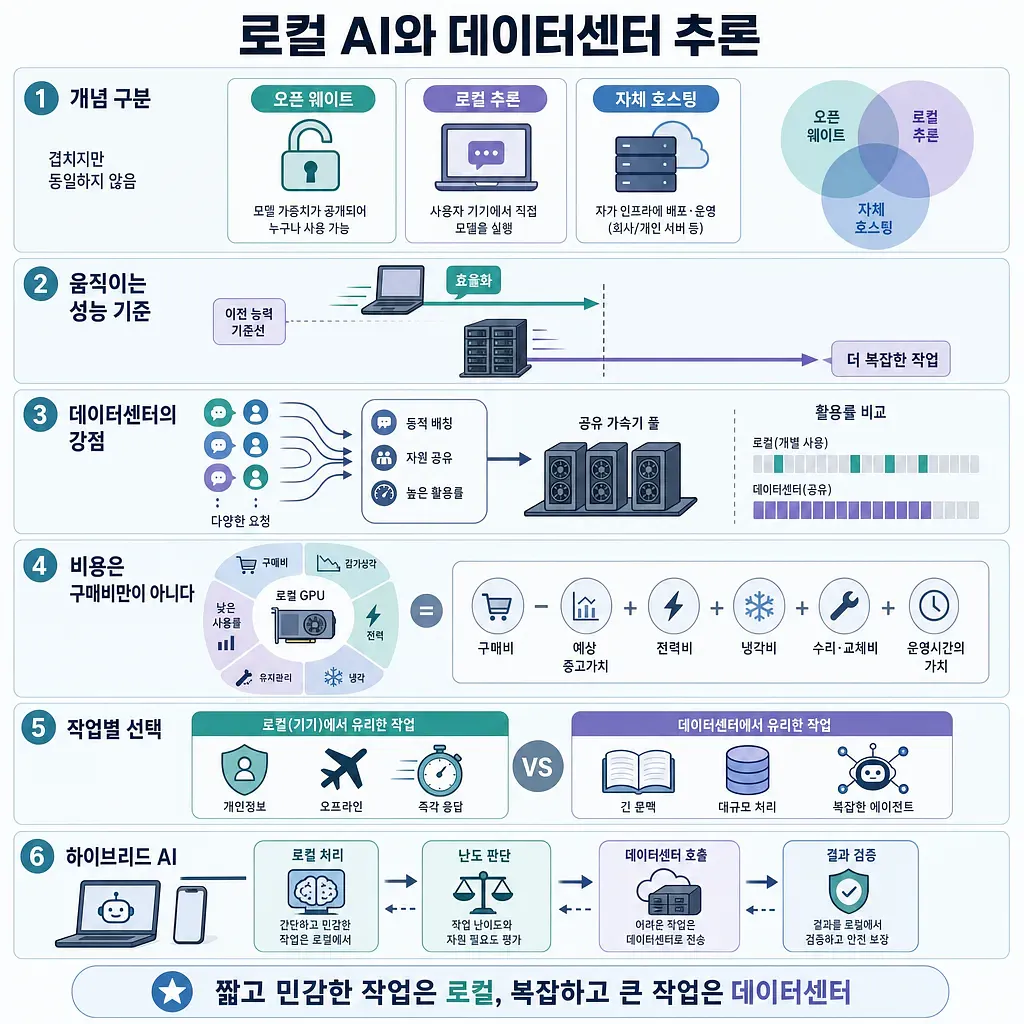
It shows local AI handling short, sensitive tasks while data centers handle longer, more complex work. Why Data Center Inference Is Likely to Remain Mainstream as Local AI Advances
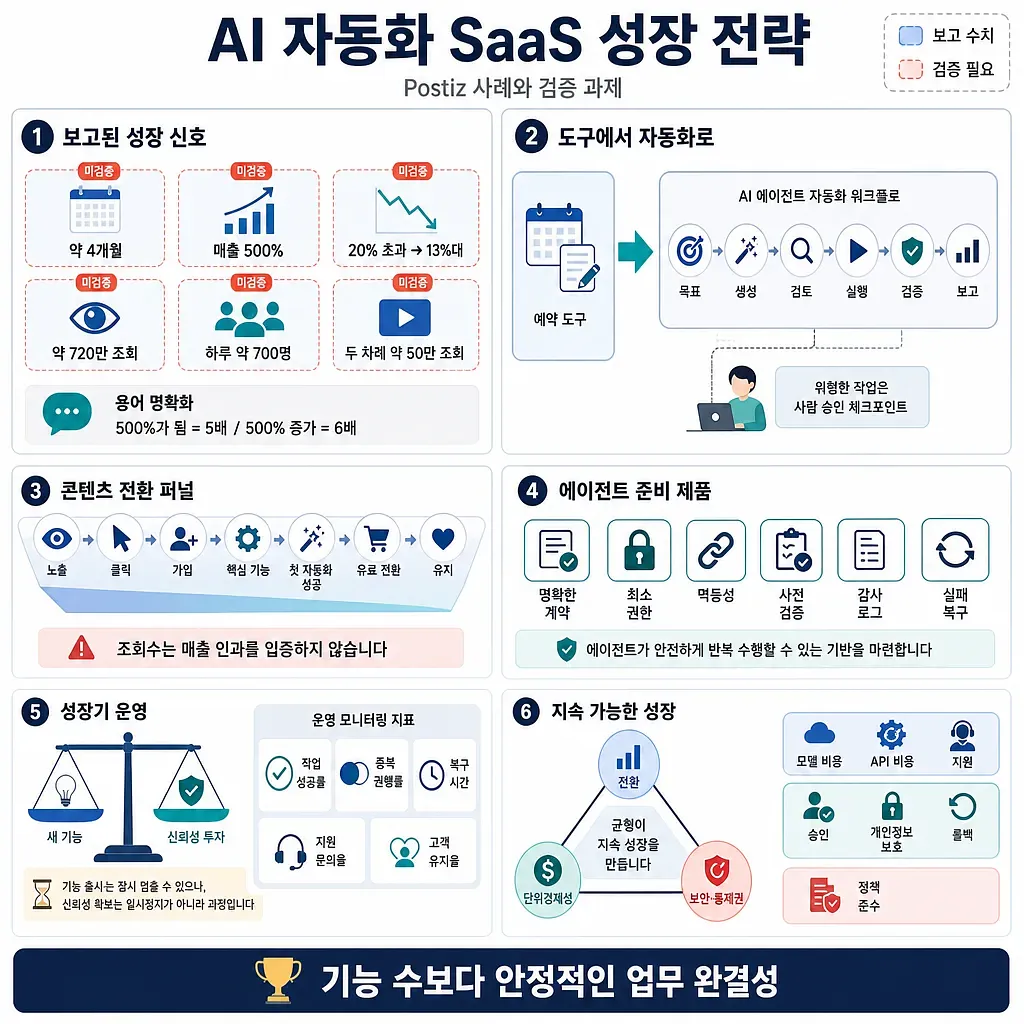
Using Postiz as a case study, the infographic presents six areas for validating growth and building reliable AI automation SaaS. AI Automation SaaS Growth Strategy: The Postiz Case and Validation Tasks
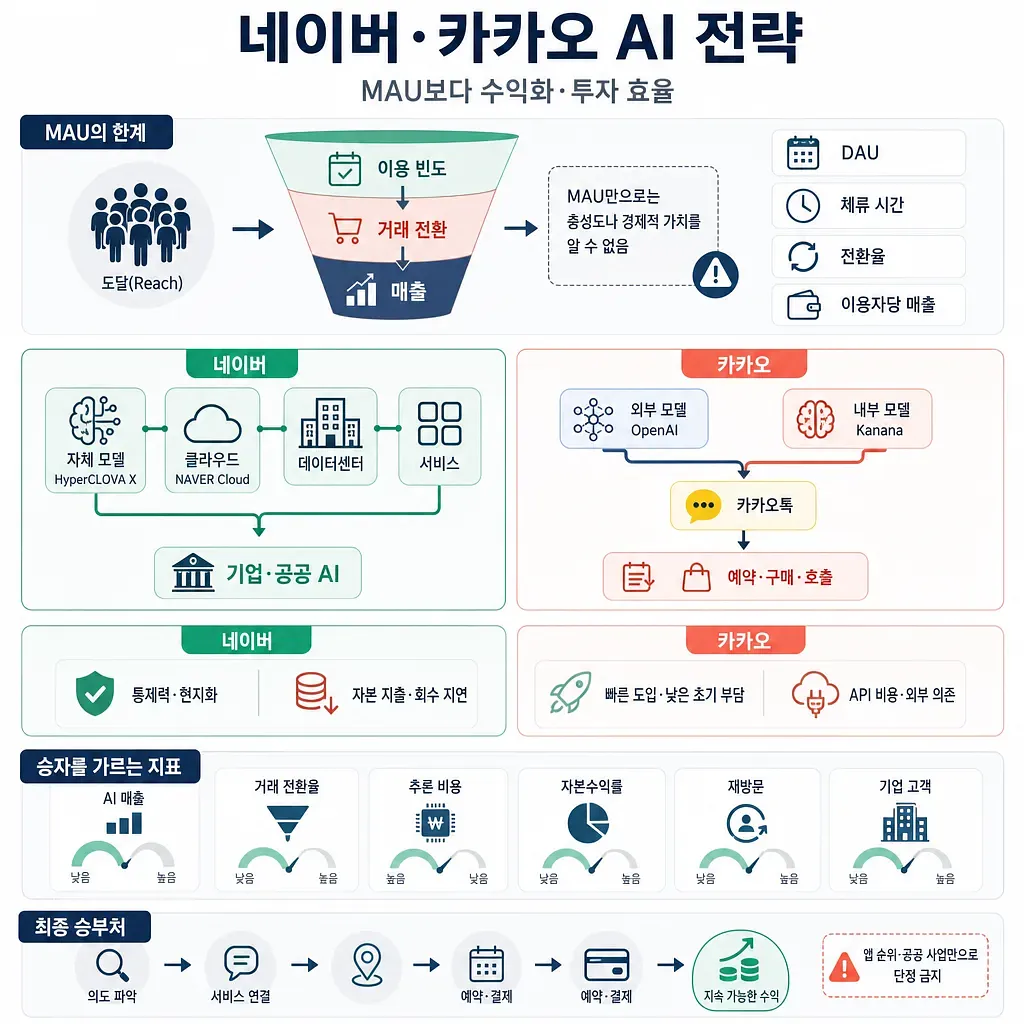
The graphic compares both companies’ AI strategies through conversion, costs, and profitability beyond MAU. Comparing Naver and Kakao's AI Strategies: Monetization and Investment Efficiency Matter More Than MAU
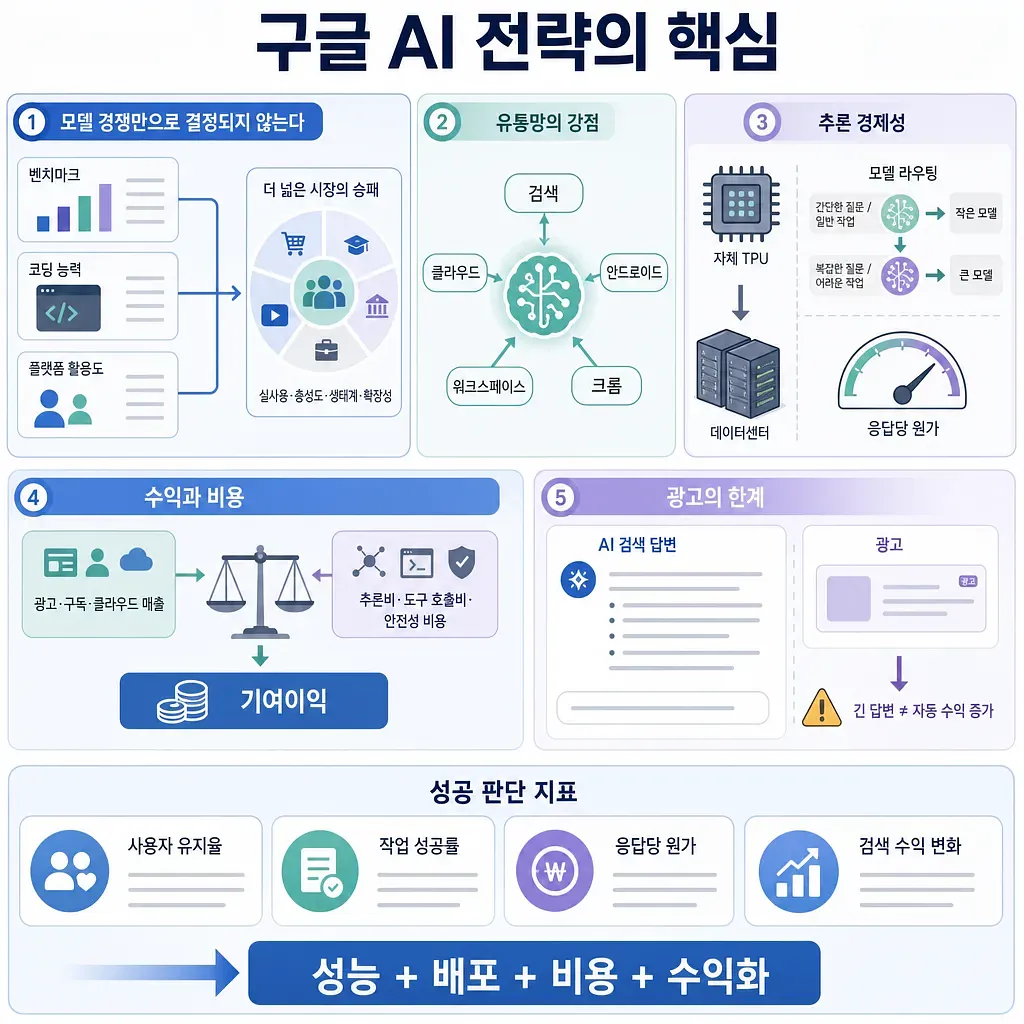
The infographic shows that Google AI depends on distribution, cost efficiency, and monetization as well as performance. Google's AI Strategy: Why Distribution and Inference Economics Matter More Than Model Competition
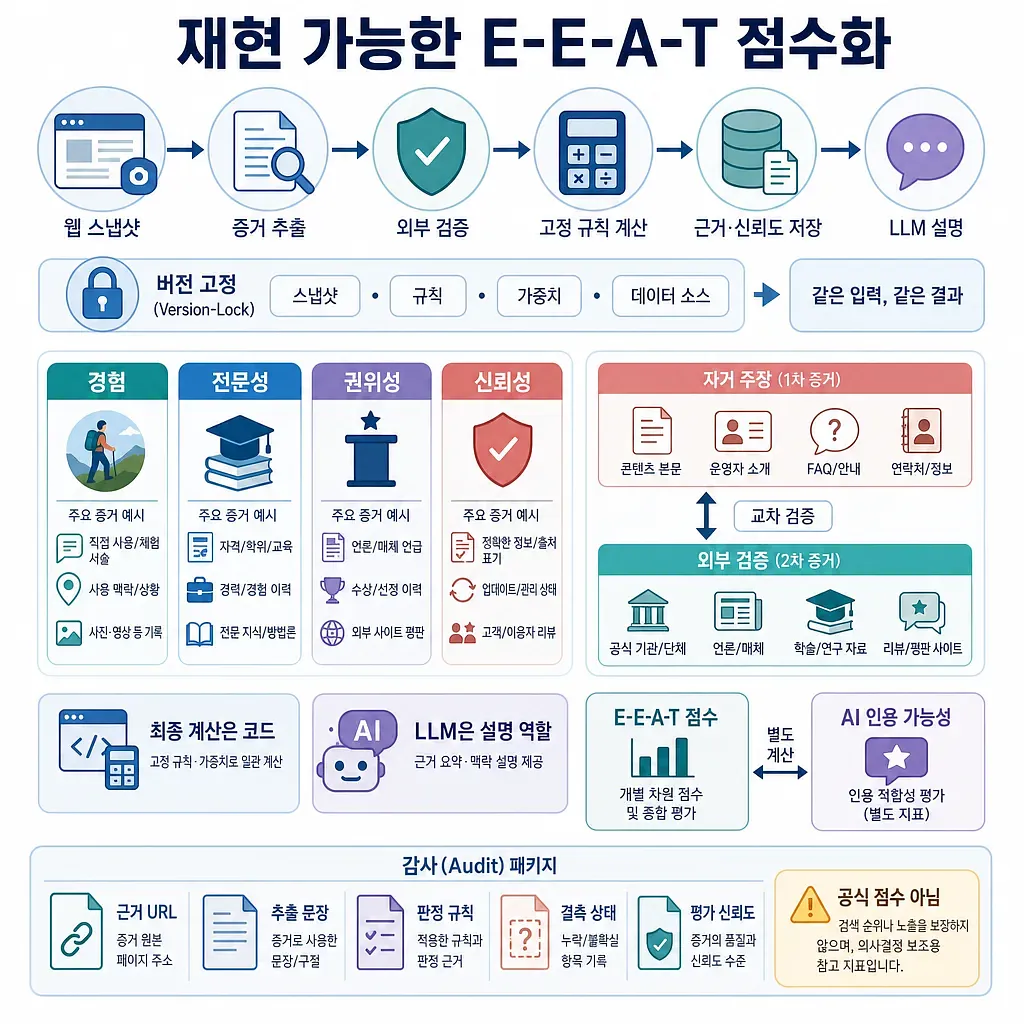
The diagram shows how evidence is extracted, cross-checked, scored by fixed rules, and packaged for auditing. How to Score E-E-A-T Reproducibly in GEO Analysis Tools