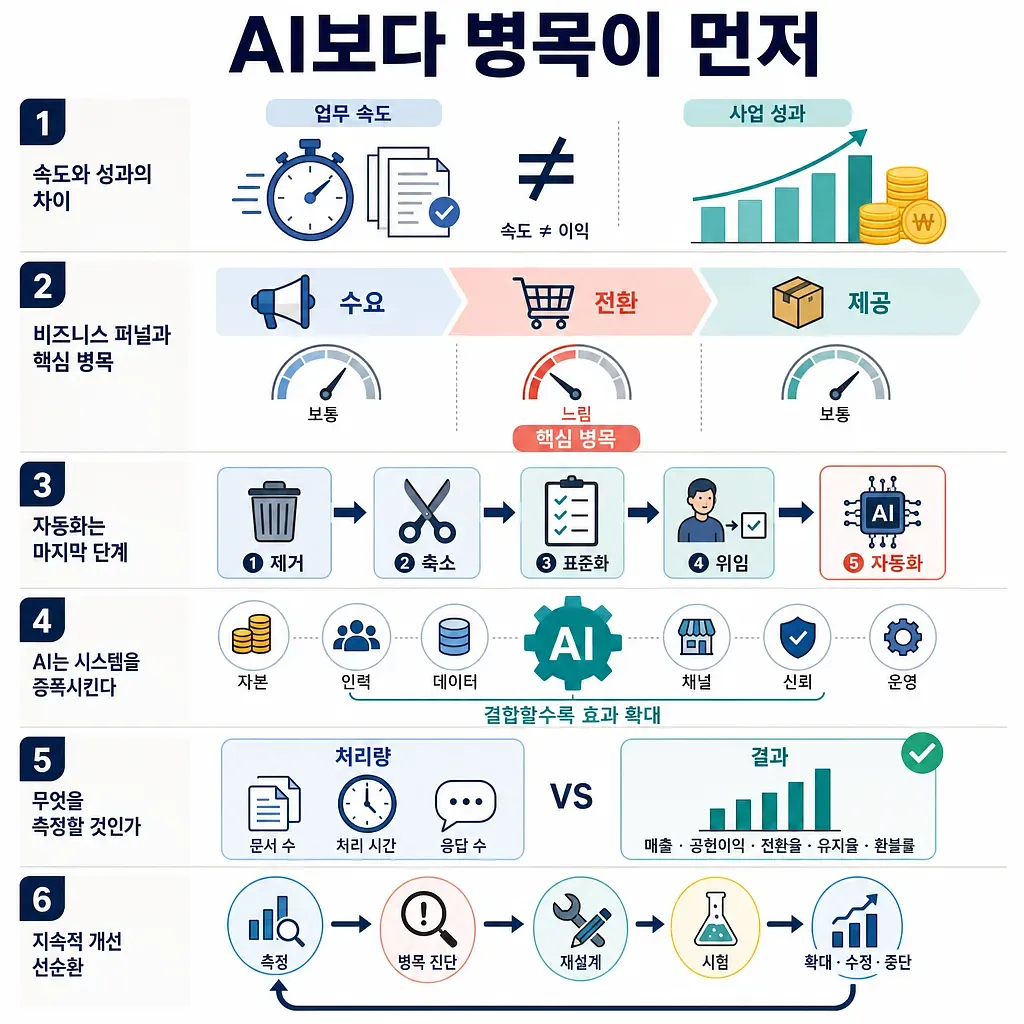
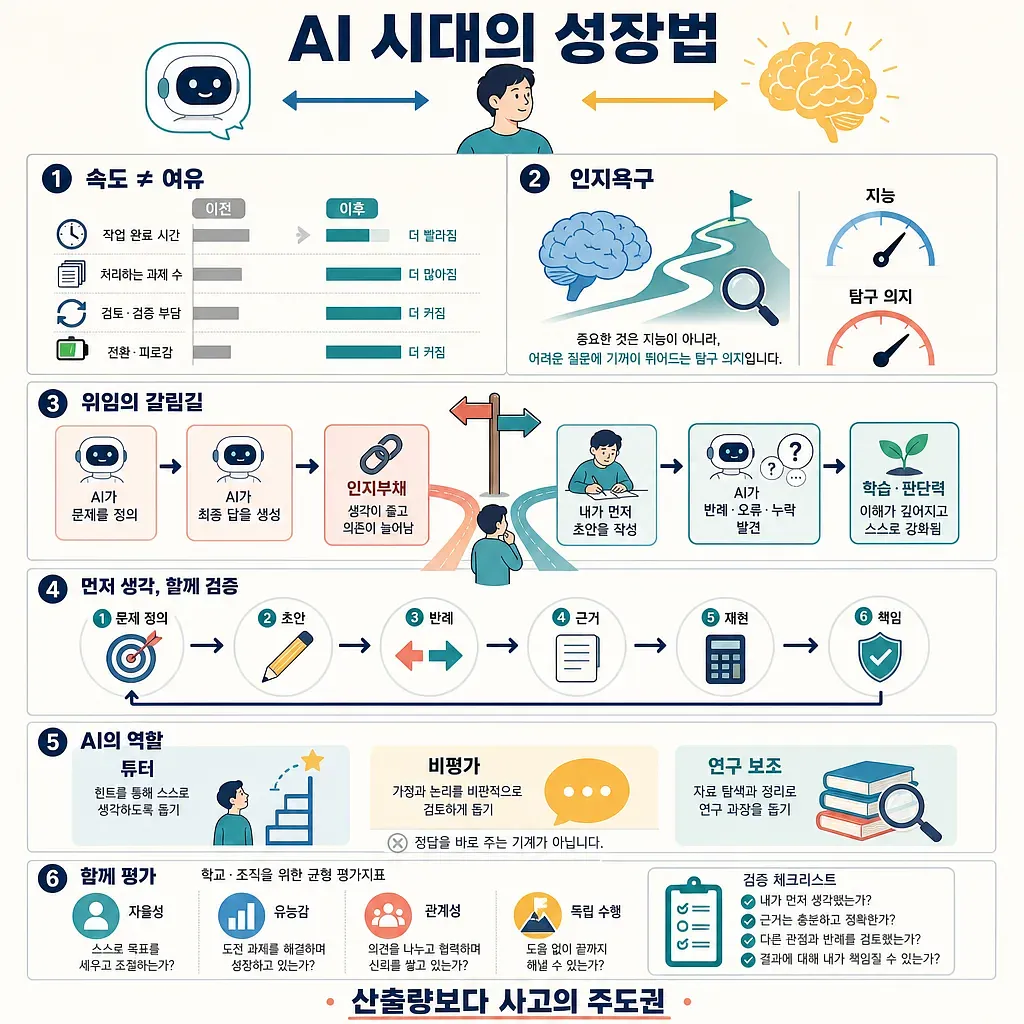
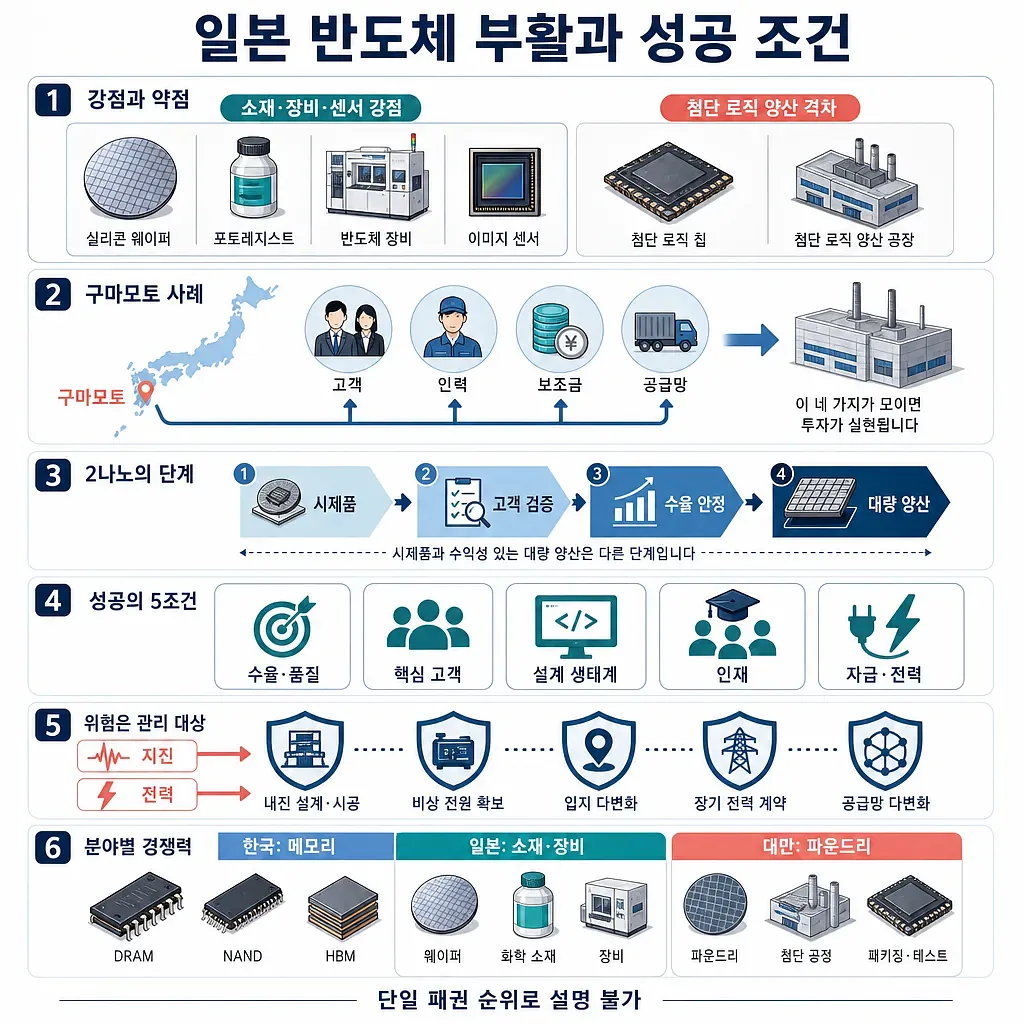
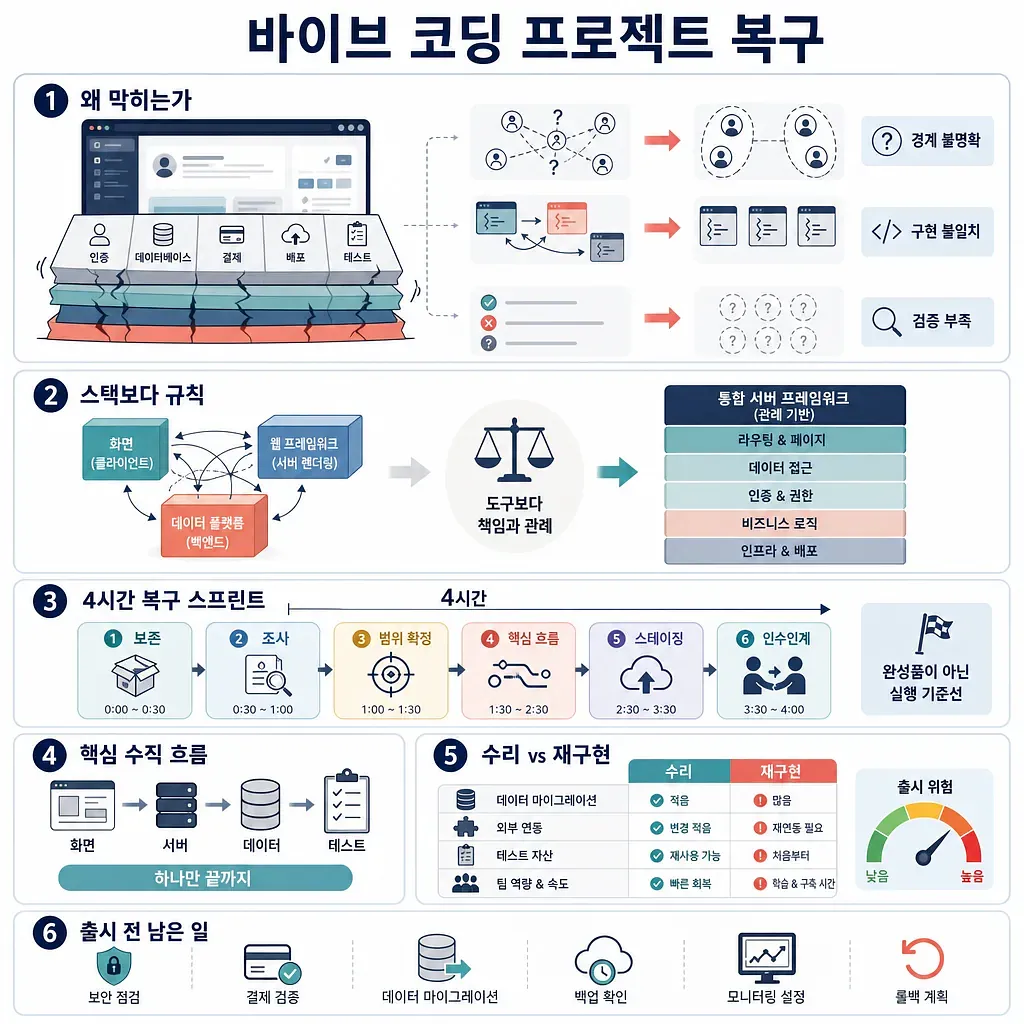
AI and Technology, a tech briefing on semiconductors, generative AI, developer tools, and regulation at a glance
Announcements come so fast in AI that it is hard to tell what moves the field from what is simply marketing. Here we place technology, industry and regulation side by side and follow the thread.
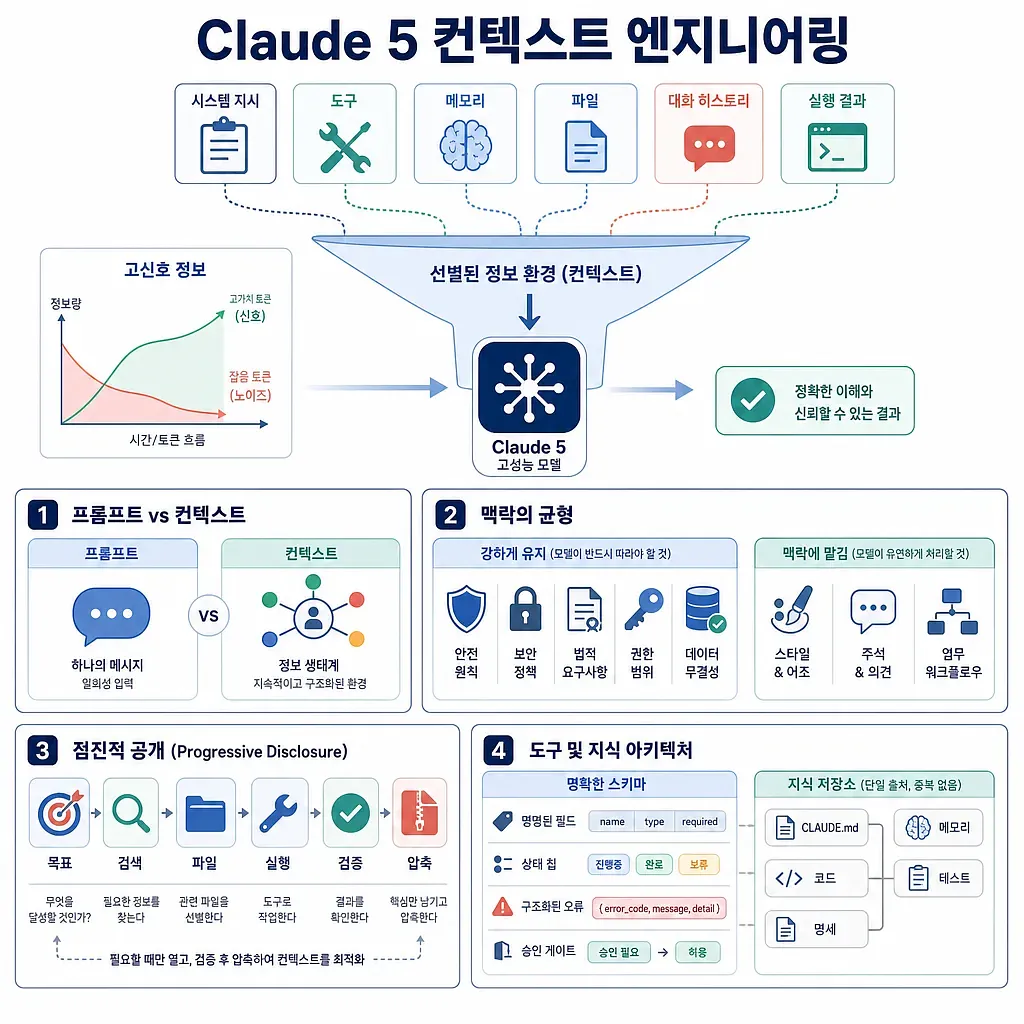
We cover how generative AI and large language models work, AI chips and the memory industry, data centres and power, development patterns such as prompts, agents and evaluation, practical resources like the Claude API, and regulatory movement including the EU AI Act.
So that a new model release does not mean learning everything again, we separate the principles that do not change from what genuinely changed this time.
113 posts

Subscribe to the newsletter
Get new articles and binder updates by email every day. Issues may also include affiliate products and articles about them (advertising).
Request content
Can't find what you're looking for? Request a topic and we'll create it after review.
Request contentContent API
Serve our reviewed content in 5 formats such as JSON and Markdown, in multiple languages. Start free with an API key.
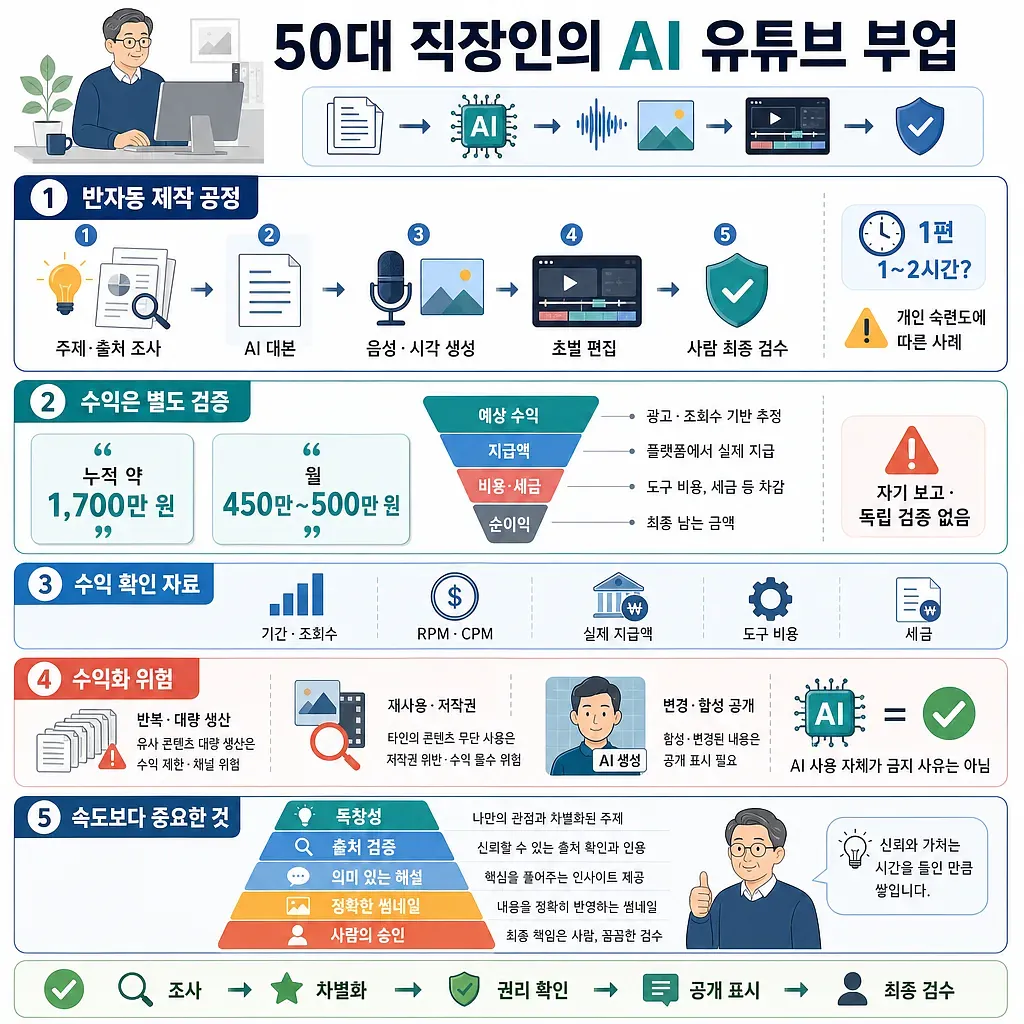
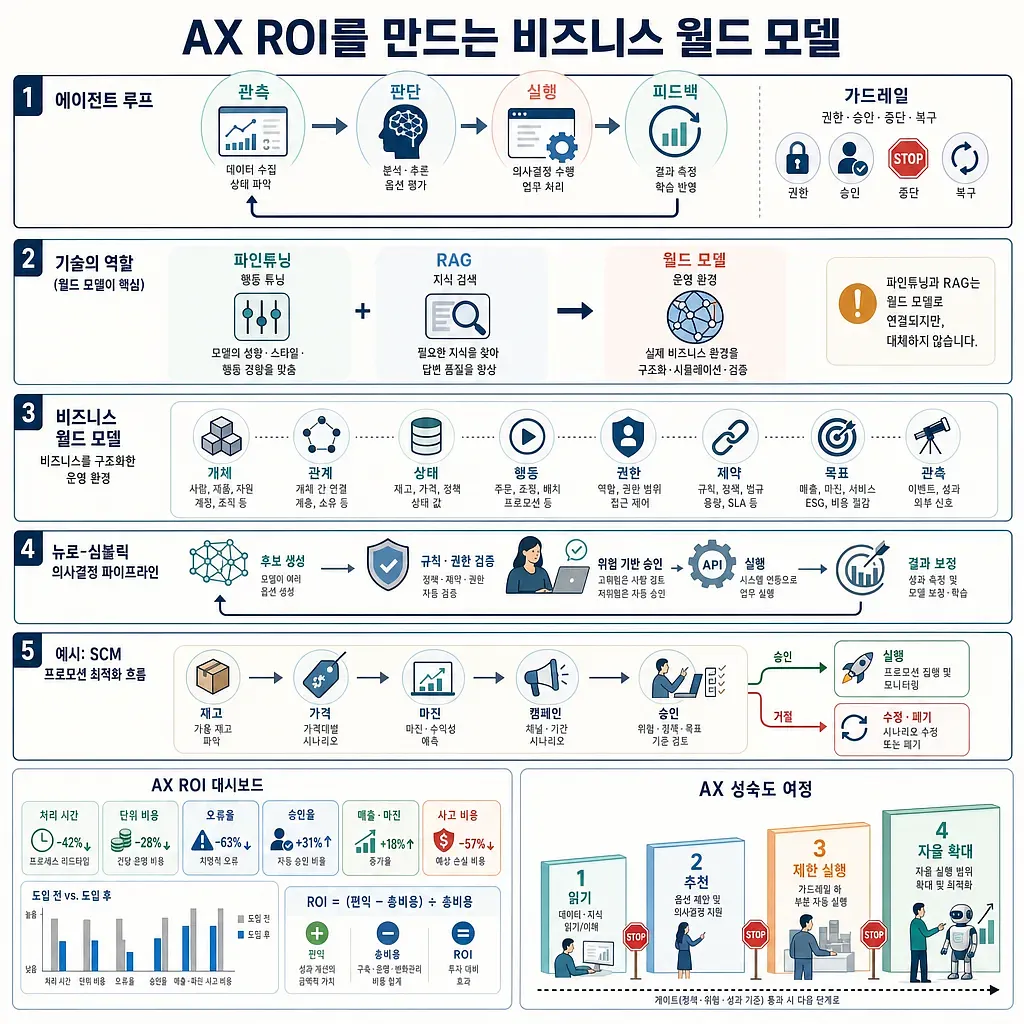
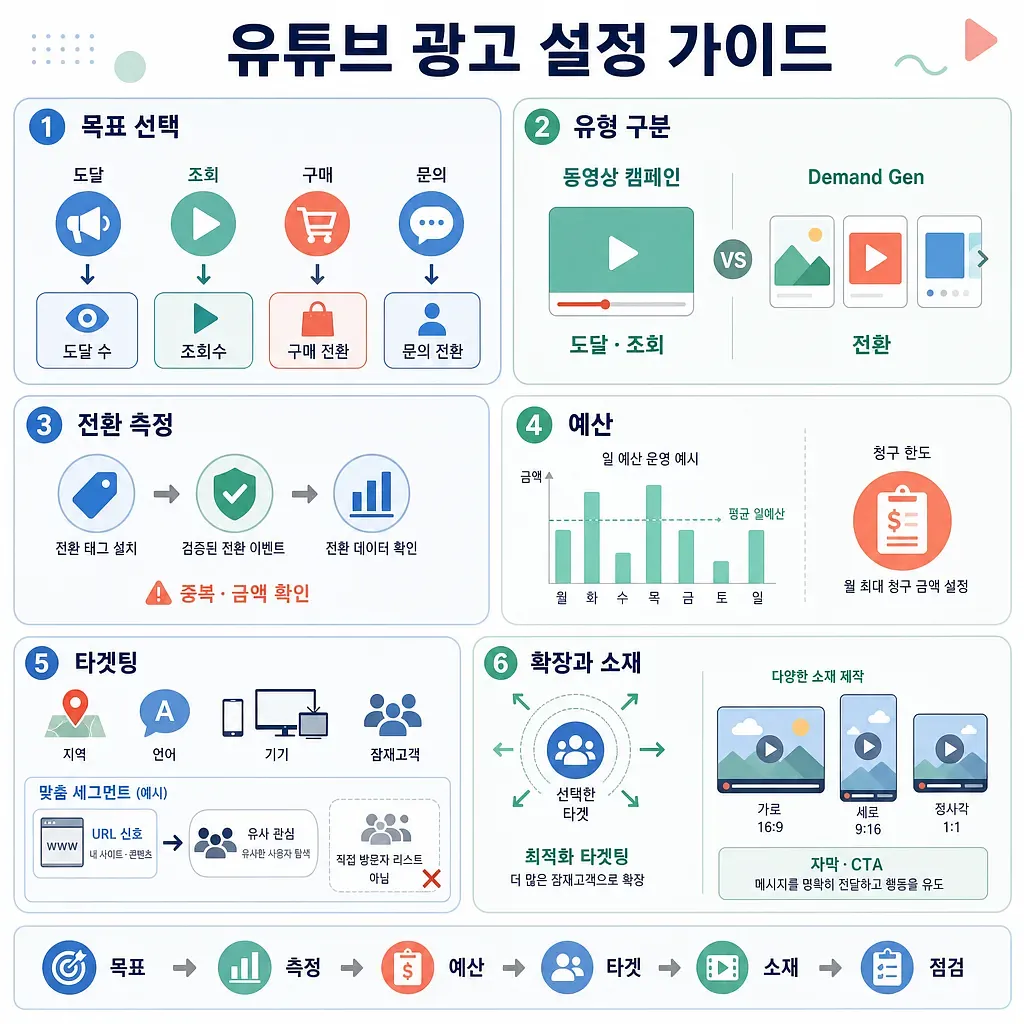
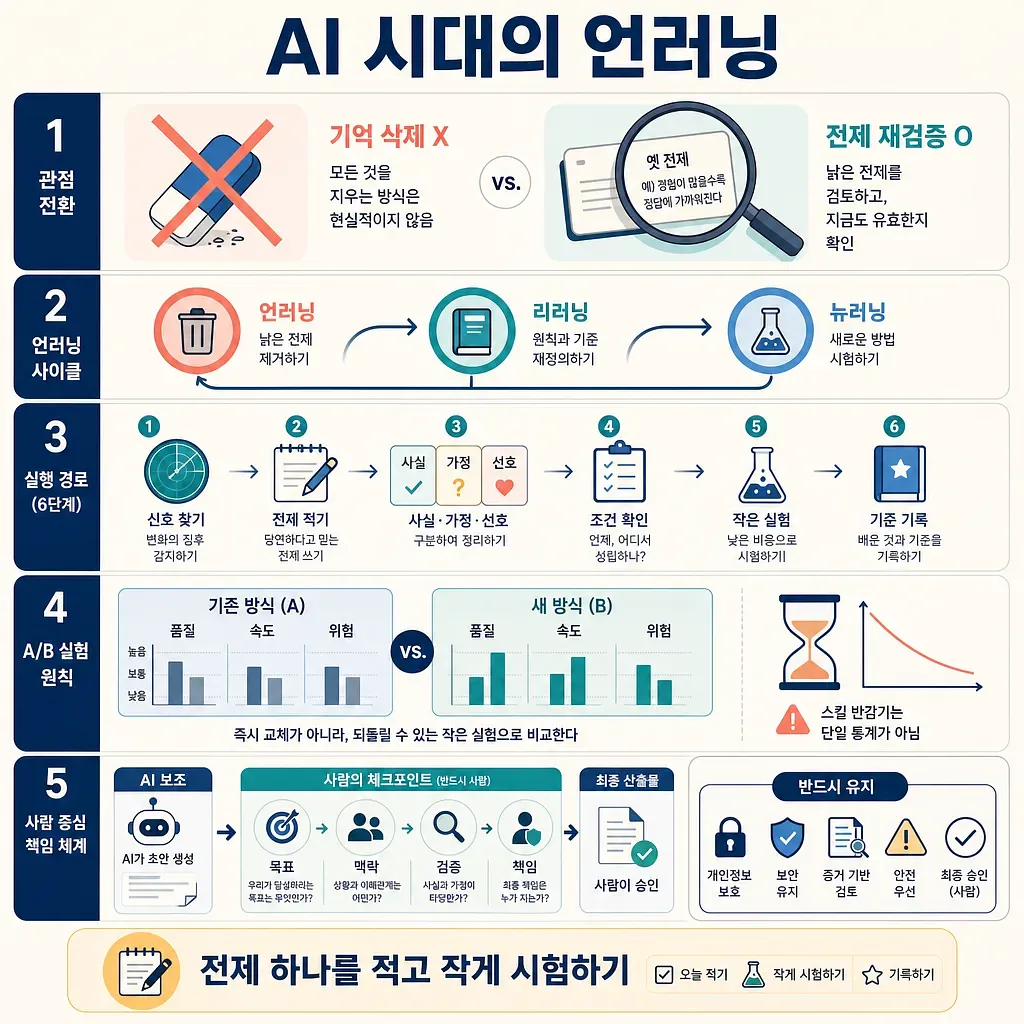
Explore the APINo infographics are available in the current language, so infographics in all languages are shown.