 Injoys
Social
A short written take on each piece of content: what changed and why it matters. Skim the point first, then follow through to the full article only for what interests you. Every take is drawn from real content, so the link takes you straight to the material it is based on.

How to Compare Quotes for Truck, Partial-Packing, and Full-Service Moves in the Fall Moving Season
Moving quotes can look similar while covering very different scopes of work. Truck-only and standard options may suit households that can handle packing and carrying, while partial-packing and full-service options can reduce the workload. However, “partial-packing” may not mean the same thing at every company. For a reliable comparison, provide at least three movers with identical inventory and property-access information. Evaluate crew size, floors, elevator access, parking distance, lift-truck needs, installation work, included services, and additional-charge criteria. Cancellation terms, insurance, damage compensation, and valuables exclusions also matter when comparing overall risk—not just price. #MovingQuotes #FullServiceMoving


Happy Housing applicants review terms. August 2026 applications start with the regional recruitment notice. Its deadline, applicant category, and notice date establish which eligibility criteria an applicant must assess before proceeding. The details can be easy to misjudge because university students, young adults, newlyweds, and seniors face different category requirements. Applicants must also compare the relevant scope of non-homeownership, household members, income, assets, and vehicle criteria as of the notice date. The article organizes the process from preparation to the contract stage. It covers the resident registration certificate, family relationship certificate, category-specific evidence, notice forms, login preparation, complex and category selection, and submission through LH Subscription Plus. It then explains document submission, eligibility review, clarification, waitlist position, and contract instructions. This sequence can reduce repeated checks and help applicants plan each step with greater confidence. Those applying under an August 2026 regional notice, or supporting an eligible applicant, should read the full guide before preparing the application. #HappyHousing #HousingSubscription


Overseas real estate funds invest in tangible assets, but their capital structures can create risks that are easy to underestimate. Sale proceeds typically repay secured lenders first, so even a partial decline in property value may cause a much larger loss for fund investors. A cash-trap provision can also halt distributions despite continued rental income. This matters because fund maturity does not necessarily equal the recovery date. A failed sale, loan extension, or beneficiary decision may delay repayment. Before committing capital, calculate the LTV and break-even sale price. Obtain written confirmation of loan maturity, tenant concentration, currency-hedging terms, early-redemption availability, and the planned exit strategy. #RealEstateInvesting #RiskManagement #InvestmentFunds


For anyone considering a Seoul apartment application in August 2026, the resident recruitment notice—not a tentative schedule—should be the basis for decision-making. Each notice may set different reference dates and requirements for residential-area priority, household homeownership status, head-of-household status, subscription account membership, deposits, and payment history. Applicants also need to distinguish special supply from general supply and select the appropriate housing type. Financial readiness matters just as much as eligibility. A realistic plan should include the deposit, interim and final payments, optional items, taxes, and uncertainty around loan availability. The article provides a practical checklist for reviewing these points and applying through CheongyakHome. #HousingSubscription #SeoulHousing #Homeownership

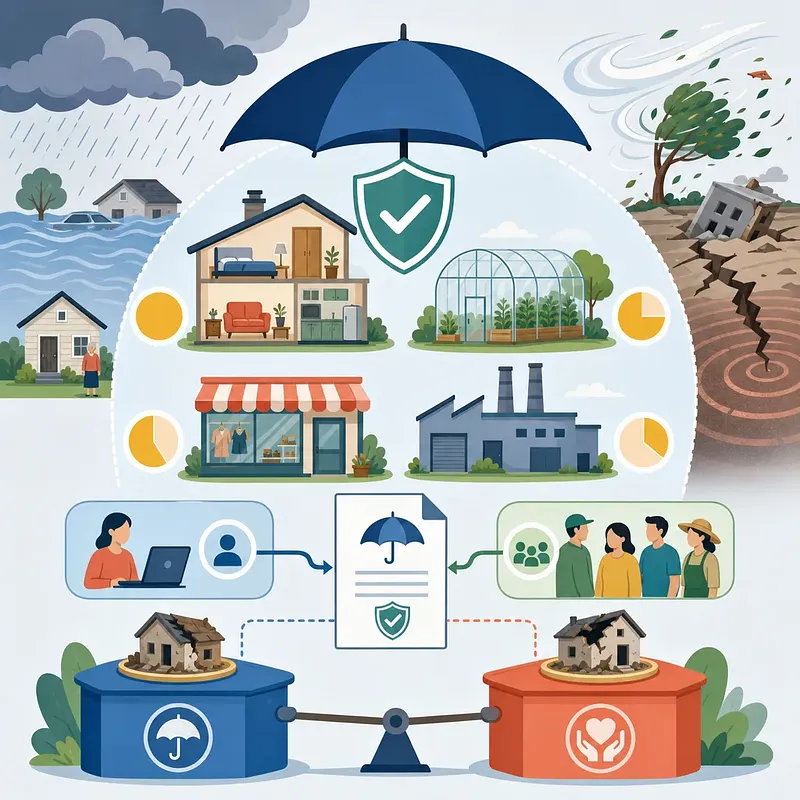
2026 Storm and Earthquake Disaster Insurance Subsidy Rates: Homes, Greenhouses, Shops, and Factories
Understanding subsidy eligibility can make disaster insurance more accessible for households, farmers, and small businesses. In 2026, basic premium support starts at 55% for general households and small-business shops or factories, and 70% for agricultural and forestry greenhouses. Higher rates apply to certain households: at least 77.5% for eligible single-parent and near-poverty households, and at least 86.5% for basic livelihood security recipients. Full premium support may also be available when low-income, disaster-history, or disaster-vulnerable-area conditions are met. The article clarifies tenant-owned property coverage, individual versus group enrollment, and why insurance payouts and disaster relief grants must be reviewed under their separate rules. #DisasterPreparedness #NaturalDisasterInsurance

Claim Verification Report: Grok 4.6, Computer History, and Gemini 3.7
AI claims need primary-source checks. Reported names such as Grok 4.6, GPT-5.6 Soul, and Gemini 3.7 Flash remain unconfirmed unless official company documentation supports them. Benchmark rankings can be misleading when scores from different testing conditions are combined with leaks, previews, or promotional statements. Release status, tools, prompts, and evaluation methods must be considered before drawing performance conclusions. This report sets out a practical evidence hierarchy: company announcements, model cards, and API documentation for names, prices, and capabilities. It also explains why open weight means access to model weights, not automatic access to source code or permission for free and commercial use. Security claims involving surveillance, crime reporting, voice cloning, and hidden-reasoning extraction require technical facts to be separated from legal and ethical interpretations. Professionals evaluating AI model news, benchmarks, or security claims can use the report to assess evidence more consistently.