 Injoys
Social
A short written take on each piece of content: what changed and why it matters. Skim the point first, then follow through to the full article only for what interests you. Every take is drawn from real content, so the link takes you straight to the material it is based on.


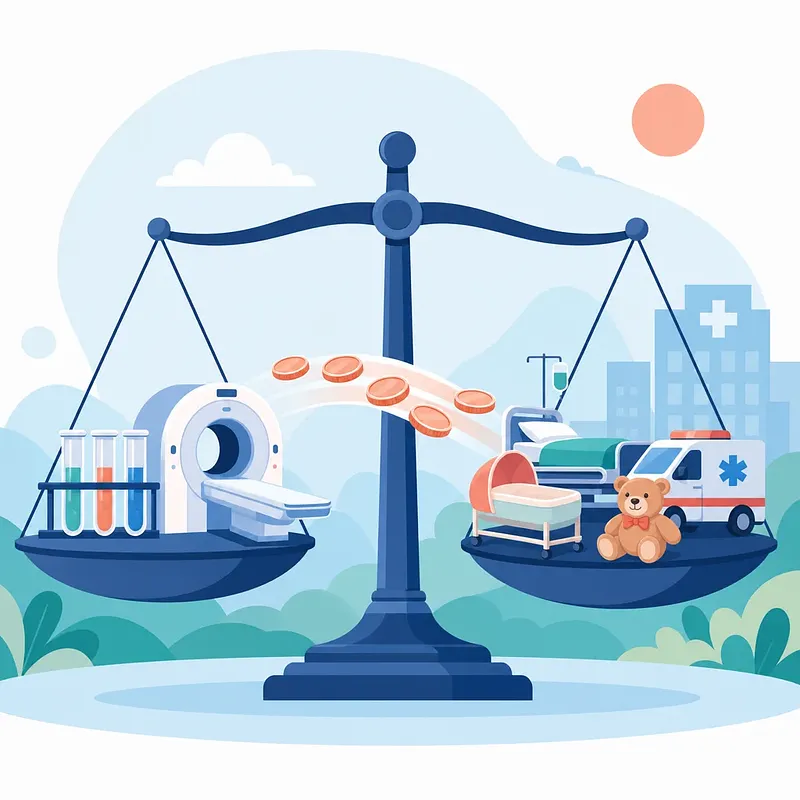
Health reform targets ₩2.6T in savings. The June 2026 plan combines those annual savings with ₩1 trillion from the National Health Insurance Fund, redirecting ₩3.6 trillion toward regional and essential care. This is the largest fee-schedule adjustment since the relative value score system was introduced in 2001. Laboratory tests, CT scans, MRIs, and other diagnostic procedures are the main areas targeted for reduced over-reimbursement. The article details scheduled reimbursement increases of 6% for initial clinic visits, 4% for follow-ups, 7% for general wards, and 10% for ICUs. It also explains stronger rates for surgery, emergency operations, high-risk deliveries, and pediatric intensive care, making the funding priorities easier to assess. Providers in non-metropolitan areas and underserved parts of the Seoul metropolitan area should read it first. Patient costs may vary by treatment and copayment rate, although the government says the design is intended to prevent an overall increase in out-of-pocket spending. Read the article for the full allocation and regional scope. #HealthcarePolicy #HealthInsurance
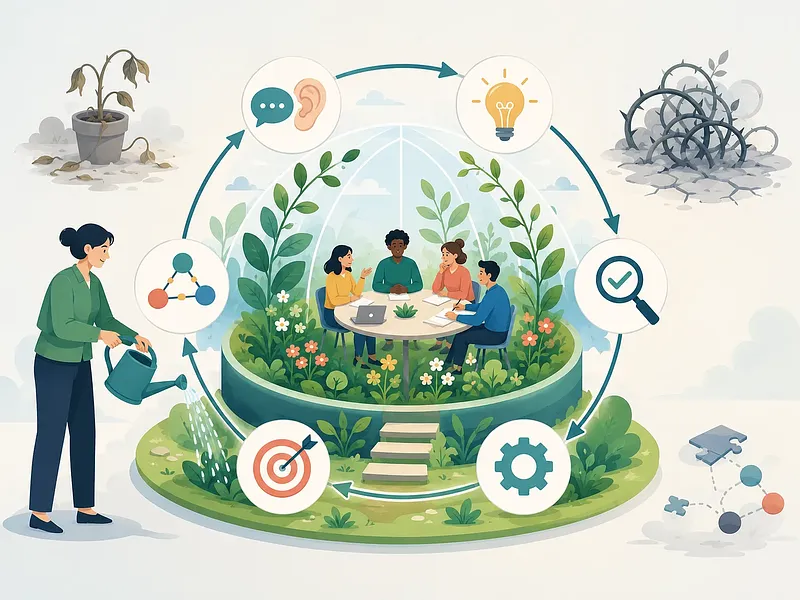
Two conditions shape team performance. Psychological safety and demanding standards must rise together. Raising only one can weaken the learning and execution an organization needs. Security with low standards can create a “club room” centered on camaraderie. High standards without security can create a defensive “jungle,” where concerns, questions, mistakes, and dissent remain unspoken. The article presents healthy tension as the productive alternative: an environment where difficult conversations can happen without lowering expectations. It outlines how attention to external change, customer value, clear goals, rapid feedback, and collaborative incentives supports both candor and accountability. It also explains why policy statements are insufficient. Team norms are shaped by how leaders consistently ask questions, respond to mistakes, conduct meetings, and apply evaluation criteria. Those recurring behaviors determine whether people can speak honestly while remaining focused on strong execution. Leaders building high-performing organizations should read the article to assess whether their culture supports both security and challenge. #Leadership #PsychologicalSafety

3 Skills That Will Keep People from Being Replaced in the Age of AI
AI access no longer sets teams apart. Unique data, operating context, and accountable judgment do. This changes where professionals and organizations should invest their development efforts. As generative AI becomes more widespread, familiarity with tools and automation content is useful for tracking technology trends. However, neither offers a durable advantage on its own. The differentiator is how deeply AI is integrated with proprietary context, practical experience, and responsible decision-making. The article identifies three capabilities worth developing: formulating better questions, applying a critical mindset, and combining experience with intuition. It also examines creativity as the ability to recognize and refine the strongest options produced by AI—not only to create from a blank page. For individuals, mid-level managers, and organizations planning AI-enabled work, this framework can help prioritize skills that support stronger decisions. Read the article for the full analysis. #AI #FutureCareers