 Injoys
Social
A short written take on each piece of content: what changed and why it matters. Skim the point first, then follow through to the full article only for what interests you. Every take is drawn from real content, so the link takes you straight to the material it is based on.

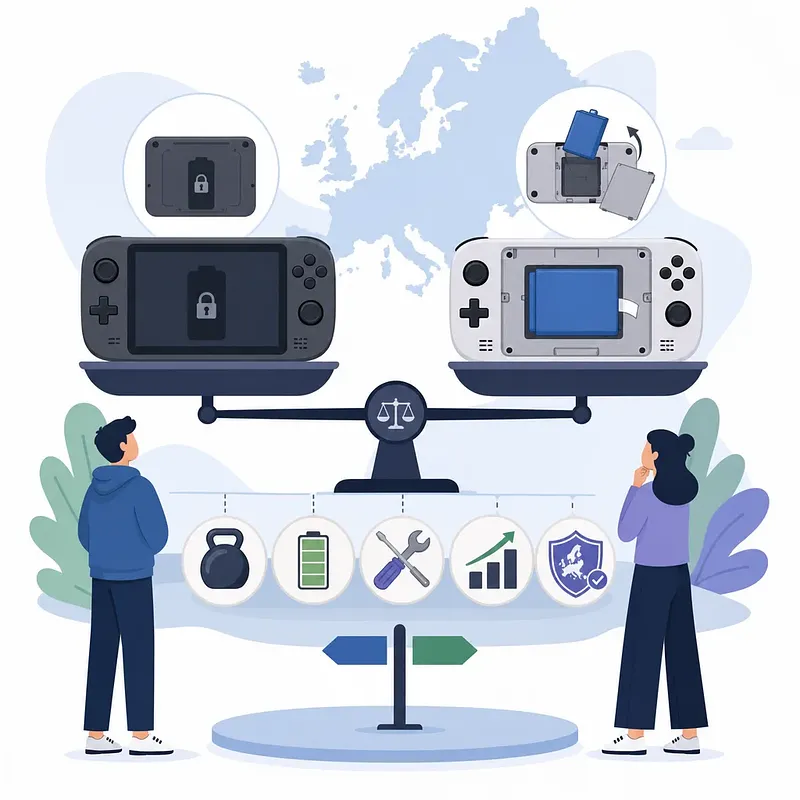
The discussion around a possible user-replaceable battery revision of the Nintendo Switch 2 in Europe highlights a broader shift in consumer electronics: regulation is starting to affect hardware purchasing decisions. The key issue is not simply whether a battery is “replaceable.” Buyers and analysts need to understand the replacement grade: fully removable, standard-tool serviceable, adhesive-dependent, or intended only for professional repair. Each version has different implications for durability, warranty coverage, parts availability, and resale value. For hardware tracking, structured data matters: model name, regional SKU, battery capacity in Wh, tools required, replacement parts availability, and official specifications should all be monitored before making assumptions. Read more : https://injoys.com/en/articles/switch-2-user-replaceable-battery-eu-regulation #RightToRepair #GamingHardware #EUBatteryRegulation

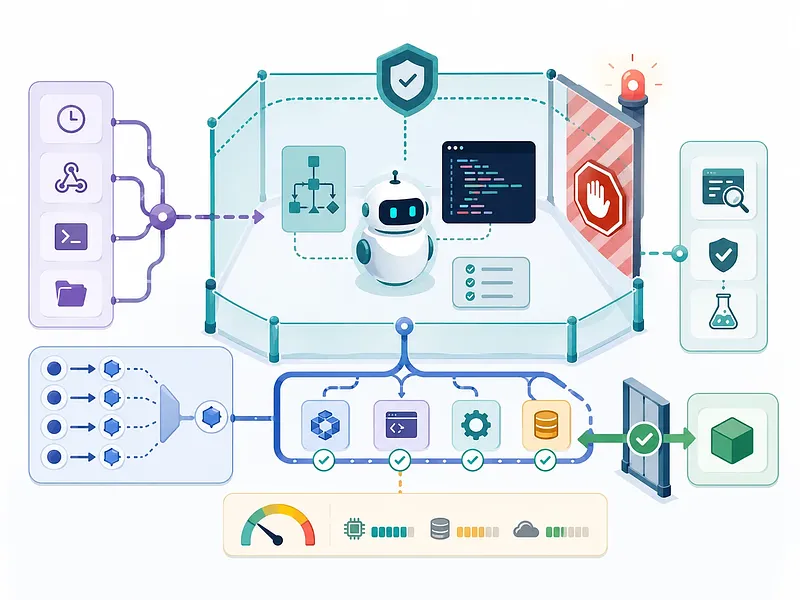
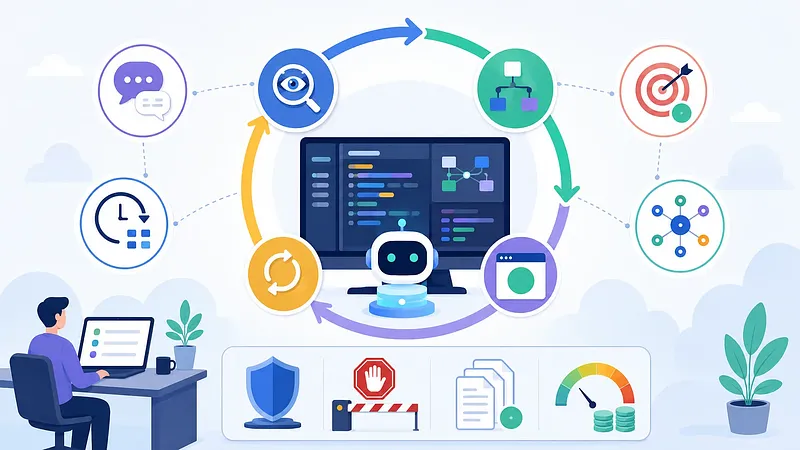
As AI agents take on more development automation tasks, loop design becomes a reliability and safety issue—not just an implementation detail. This article explains four Claude Code loop patterns: turn-based loops for verification procedures, goal-based loops for termination decisions, time-based loops for scheduled re-execution, and proactive loops for system-led initiation and orchestration. It also outlines practical safeguards: measurable completion criteria, external verification evidence, forced termination, idempotent actions, cost control, and least-privilege permissions. These details matter because goal evaluation depends on the evidence visible in the conversation, including test outputs, exit codes, and clearly reported change scope. Read more : https://injoys.com/en/articles/claude-code-loop-engineering-guide #AIAgents #DevelopmentAutomation #ClaudeCode
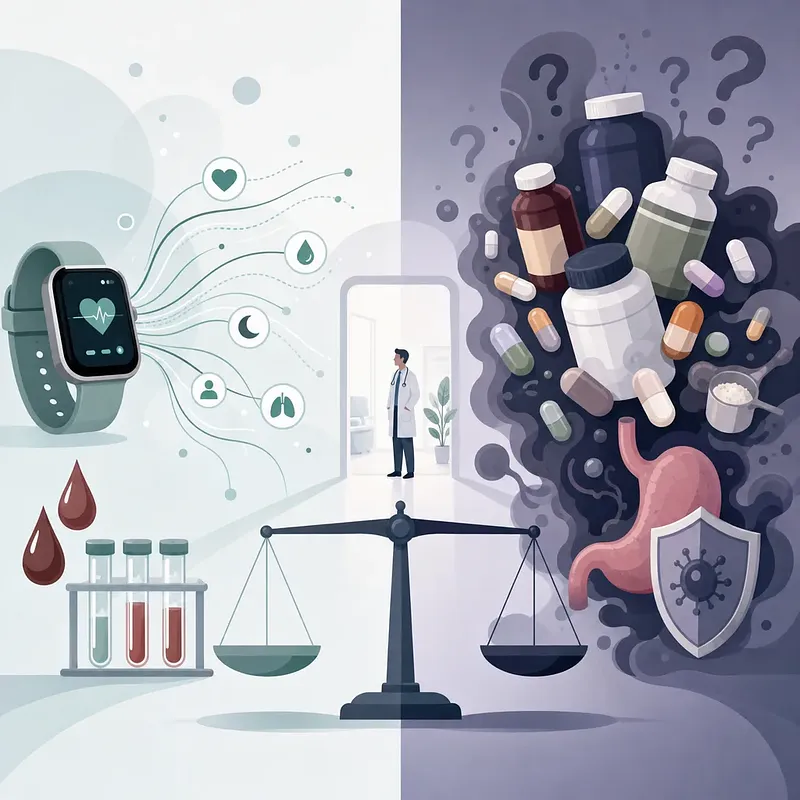
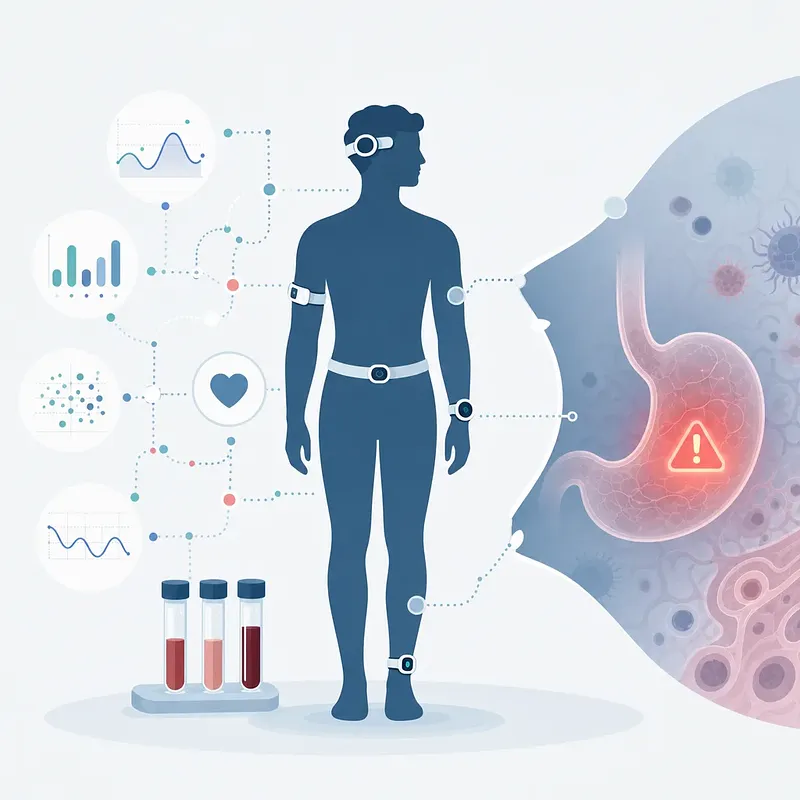
The Brian Johnson autoimmune gastritis discussion highlights a timely question for anyone using wearables, blood panels, or supplement protocols: what can health data actually tell us—and where does it stop? This article examines how biomarkers may reveal indirect signs such as vitamin B12 deficiency, iron deficiency, or anemia, while still falling short of explaining autoimmune disease mechanisms or tissue-level damage. It also looks at the uncertainty created when multiple supplements and prescription medications are combined. For professionals and general readers alike, the key takeaway is practical: define the purpose of testing, track symptoms with criteria, involve a clinician, and know when to stop self-testing. Read more : https://injoys.com/en/articles/bryan-johnson-biohacking-data-limits-autoimmune-gastritis #Biohacking #HealthData
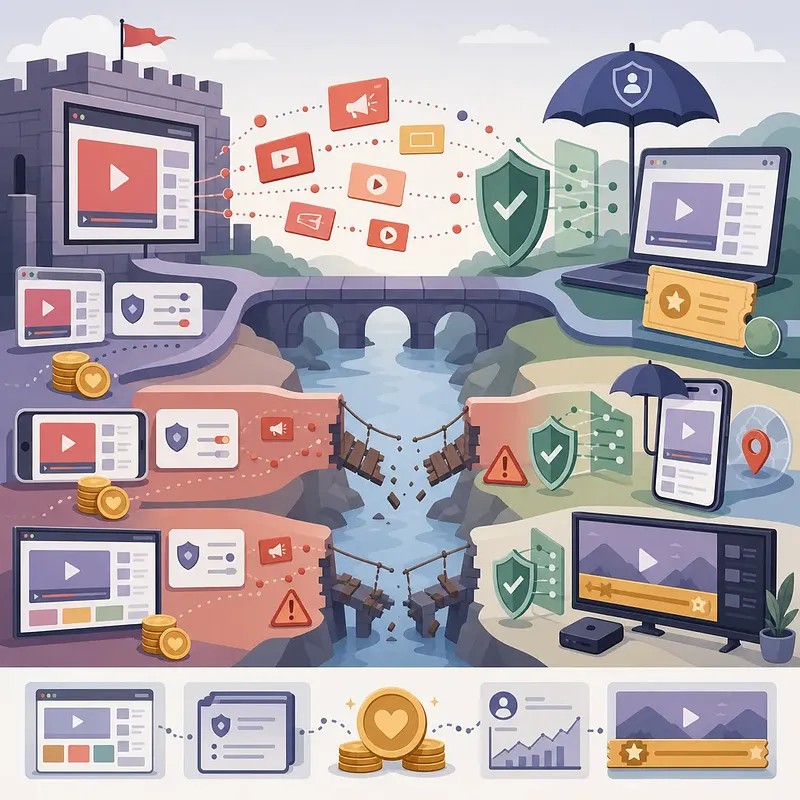
The 2026 discussion around YouTube ad blocking is no longer just about browser extensions. Users are comparing DuckDuckGo, Firefox with uBlock Origin, Brave, TV/Roku alternatives, YouTube Premium, and SponsorBlock—each with different levels of stability, convenience, privacy, and risk. This article explains how options vary by device, what Manifest V3 actually changes for Chrome-based extensions, and why Premium removes YouTube-served ads but not creator-read sponsorship segments. It also looks at the broader impact: stronger platform detection, measurement losses for advertisers, and growing pressure on creators to diversify revenue through memberships, donations, and sponsorships. Useful for anyone evaluating the tradeoffs between free access, privacy, convenience, and supporting creators. Read more : https://injoys.com/en/articles/youtube-adblock-options-2026-duckduckgo-ublock-premium #YouTube #AdBlocking #DigitalMedia

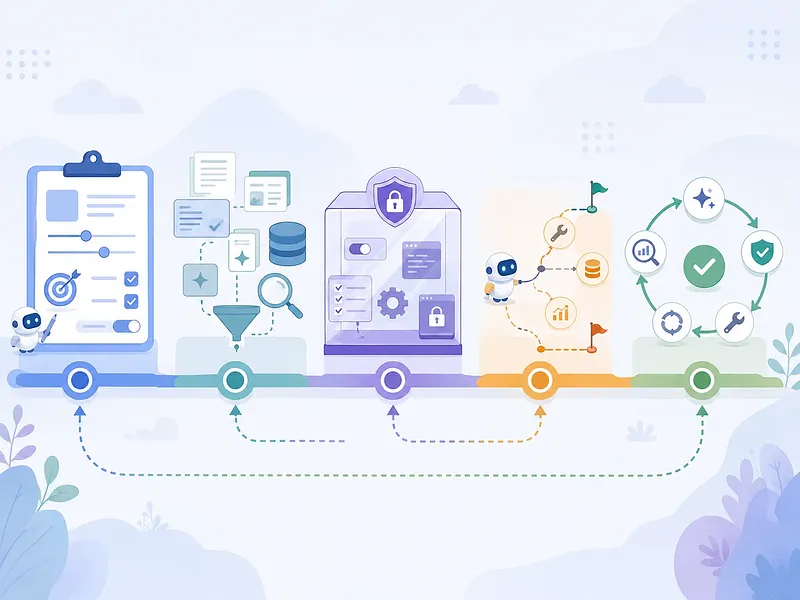
Differences and Design Methods for Prompts, Context, Harnesses, Agentics, and Loop Engineering
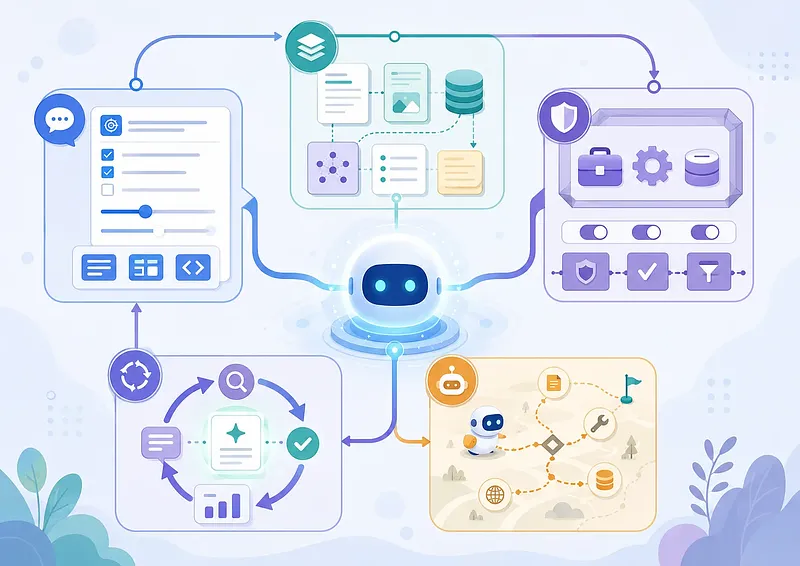
Reliable AI systems require more than well-written prompts. This article explains the practical boundaries between Prompt Engineering, Context Engineering, Harness Engineering, Agentic Engineering, and Loop Engineering. It matters because each approach solves a different problem: defining instructions, managing information quality, creating safe tool environments, delegating limited autonomy, and improving results through verification and correction cycles. The article also covers integration structures, application sequences, validation metrics, and failure prevention methods—useful for teams building or evaluating AI workflows. Read more : https://injoys.com/en/articles/prompt-context-harness-agentic-loop-engineering #AI #PromptEngineering #AIEvaluation
2027 Minimum Wage of 10,700 Won: Monthly Salary Conversion and Implementation Schedule
The proposed 2027 minimum wage has been set at 10,700 won per hour, a 380 won increase from 2026, or 3.7%. For employers, payroll teams, and workers, the key practical figure is the monthly conversion: based on a 40-hour workweek and 209 hours per month, the pre-tax monthly equivalent is 2,236,300 won. The daily wage based on an 8-hour workday is 85,600 won. The proposal is scheduled to be finalized and officially announced by Aug. 5, 2026, with implementation planned for Jan. 1, 2027. The article also explains why estimates of affected workers vary depending on the survey method used. Read more : https://injoys.com/en/articles/2027-korea-minimum-wage-10700-won-guide #MinimumWage #LaborPolicy