 Injoys
Social
A short written take on each piece of content: what changed and why it matters. Skim the point first, then follow through to the full article only for what interests you. Every take is drawn from real content, so the link takes you straight to the material it is based on.


The application period for the first-half 2026 semiannual Earned Income Tax Credit runs from September 1–15, 2026. Preparation matters because eligibility depends on more than the current application form. Applicants should confirm that both spouses have only earned income in 2026, review their combined total income for 2025, and check household assets as of June 1, 2025. Identity verification and payment account information are also needed for the Hometax application. This guide outlines the application process, how to check the review and payment outcome by December 30, and how the June 2027 settlement may result in an additional payment or recovery. #EITC #Hometax #Taxes

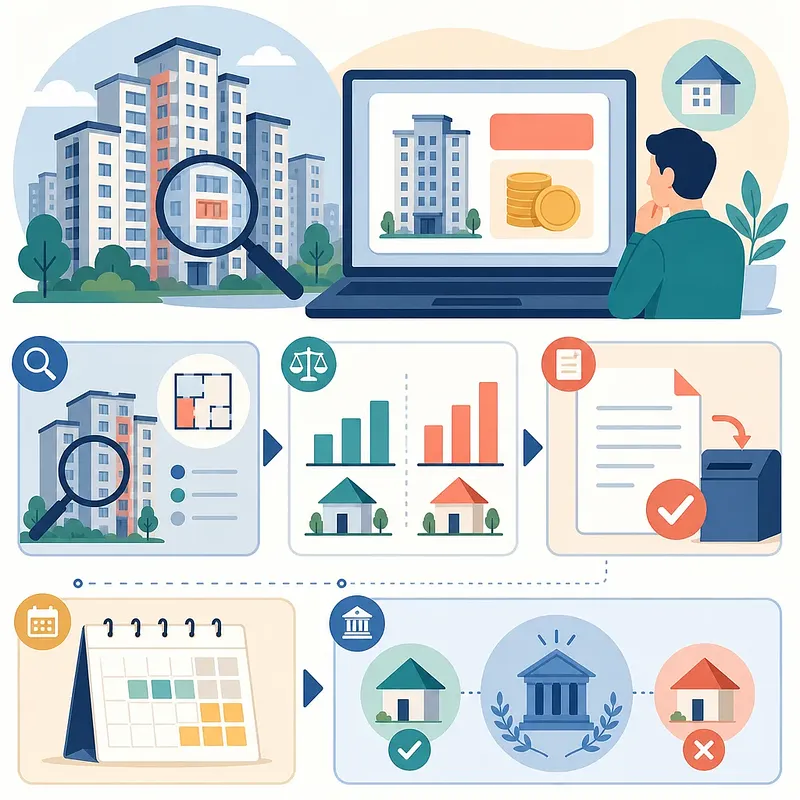
The proposed public prices of eligible multi-unit housing as of June 1, 2026, are open for inspection and comments from August 5 through August 24. This matters because public prices can affect property-related financial decisions and obligations. The article explains how to determine whether a home qualifies following new construction, major repairs, a change of use, or another qualifying event between January 1 and May 31. It also covers how to find the proposed price, review property characteristics and comparable transactions, and submit a supported comment online or at a designated location. Owners and legally interested parties can also learn how to check the outcome and consider the separate objection process after the September 30 announcement. #RealEstatePolicy #HousingMarket

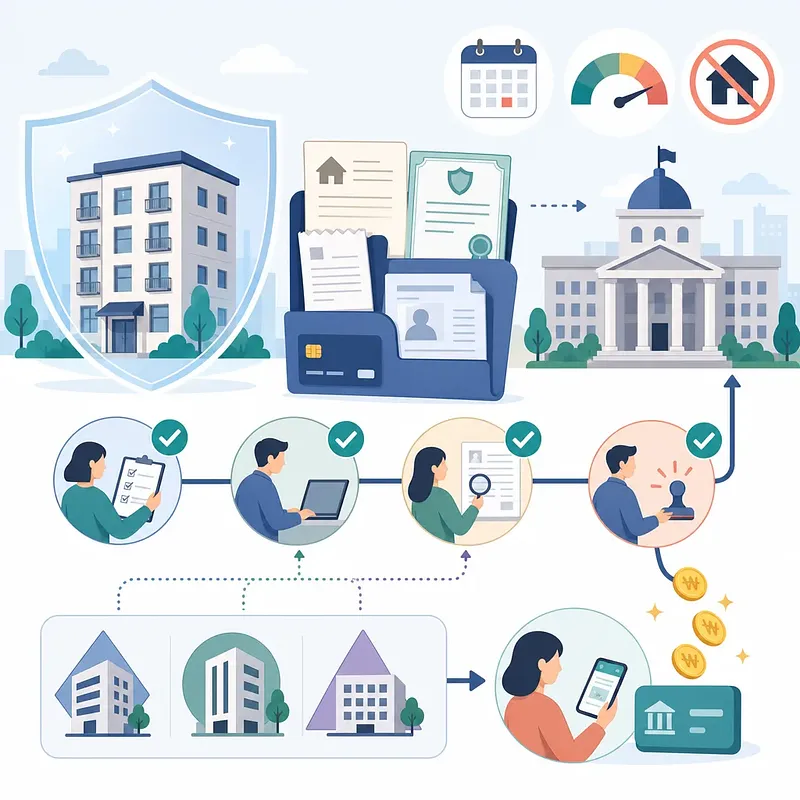
The 2026 jeonse deposit return guarantee premium support program can reimburse eligible tenants without a home for premiums already paid, up to KRW 400,000. Why it matters: eligibility depends on more than holding a guarantee. Applicants must have a valid HUG, HF, or SGI guarantee as of the application date, a rental deposit of no more than KRW 300 million, and income within the threshold for their applicant type. The application also requires supporting records such as the guarantee certificate, premium payment proof, lease agreement, and relevant income and marriage documents. Because application periods, remaining budgets, and online or in-person channels are set locally, applicants should review the 2026 notice issued by the government where they reside and monitor any requests for supplementary documents. #Jeonse #HousingCosts

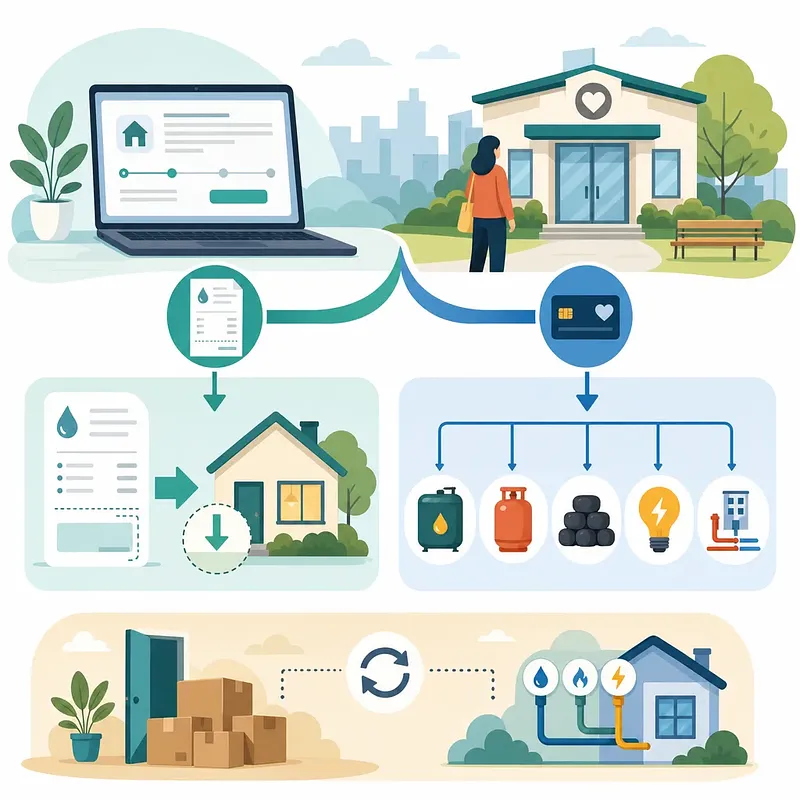
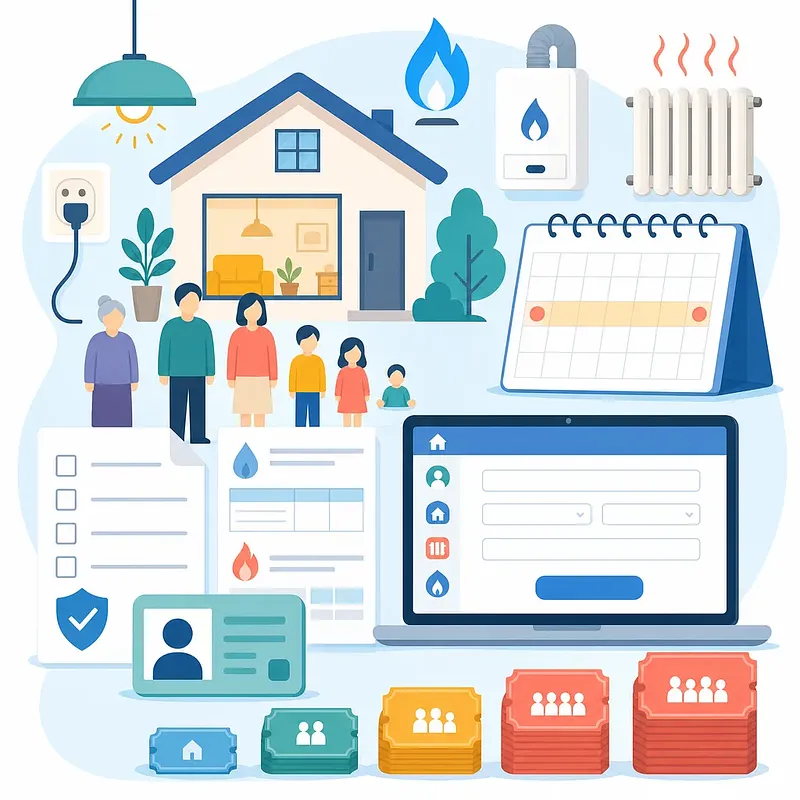
The 2026 Energy Voucher application period runs from June 15 through December 31, but eligibility requires more than receiving a qualifying benefit. Households must also meet the registered household member criteria. This practical guide explains support amounts by household size, the documents applicants should prepare, and how to apply online through Bokjiro or at the administrative welfare center for their registered address. It also outlines the difference between deductions from electricity, city gas, or district heating bills and using the National Happiness Card. Understanding these steps can help households select the appropriate support method and avoid missing updates after a move, provider change, or household membership change. #EnergyVoucher #Bokjiro

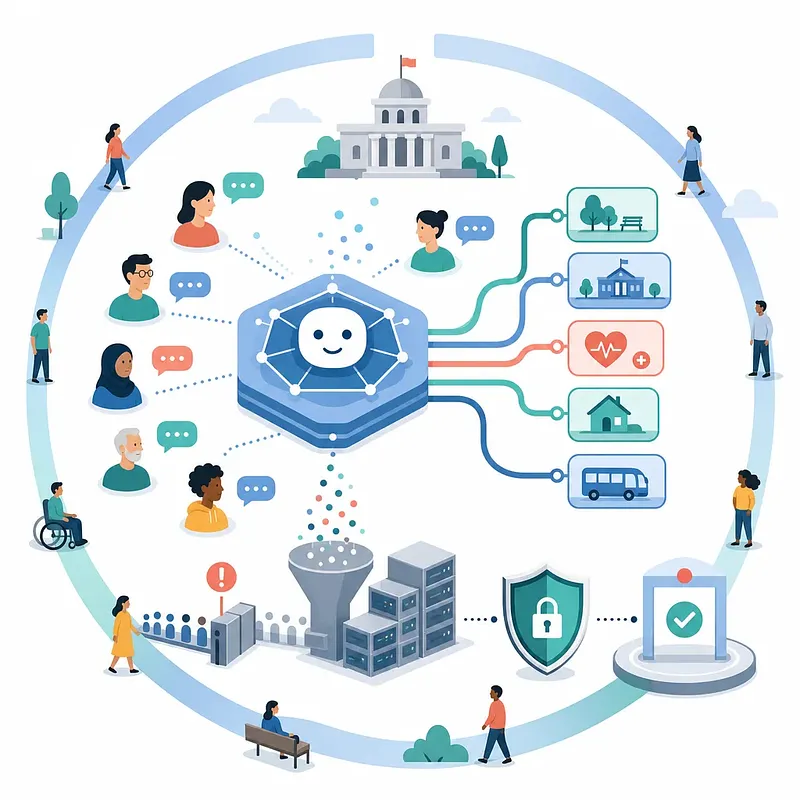
The government’s “AI for Everyone” project could expand access to generative AI and simplify the use of public services. Its impact, however, will depend on verifiable operating standards—not just the promise of free, unlimited access. The call for operators closed on August 11, 2026, but selection, contracting, and launch remain separate stages. The article reviews key questions around measuring the required 50% proprietary and 30% other domestic model usage, conducting external audits, protecting personal data, and assigning responsibility for erroneous applications. It also explains why success should be measured through usage gaps, task completion, error rates, incidents, costs, and reliability rather than subscriber totals alone. #AI #DigitalGovernment
2026 Storm and Earthquake Disaster Insurance Subsidy Rates: Homes, Greenhouses, Shops, and Factories
Understanding subsidy eligibility can make disaster insurance more accessible for households, farmers, and small businesses. In 2026, basic premium support starts at 55% for general households and small-business shops or factories, and 70% for agricultural and forestry greenhouses. Higher rates apply to certain households: at least 77.5% for eligible single-parent and near-poverty households, and at least 86.5% for basic livelihood security recipients. Full premium support may also be available when low-income, disaster-history, or disaster-vulnerable-area conditions are met. The article clarifies tenant-owned property coverage, individual versus group enrollment, and why insurance payouts and disaster relief grants must be reviewed under their separate rules. #DisasterPreparedness #NaturalDisasterInsurance