 Injoys
Social
A short written take on each piece of content: what changed and why it matters. Skim the point first, then follow through to the full article only for what interests you. Every take is drawn from real content, so the link takes you straight to the material it is based on.

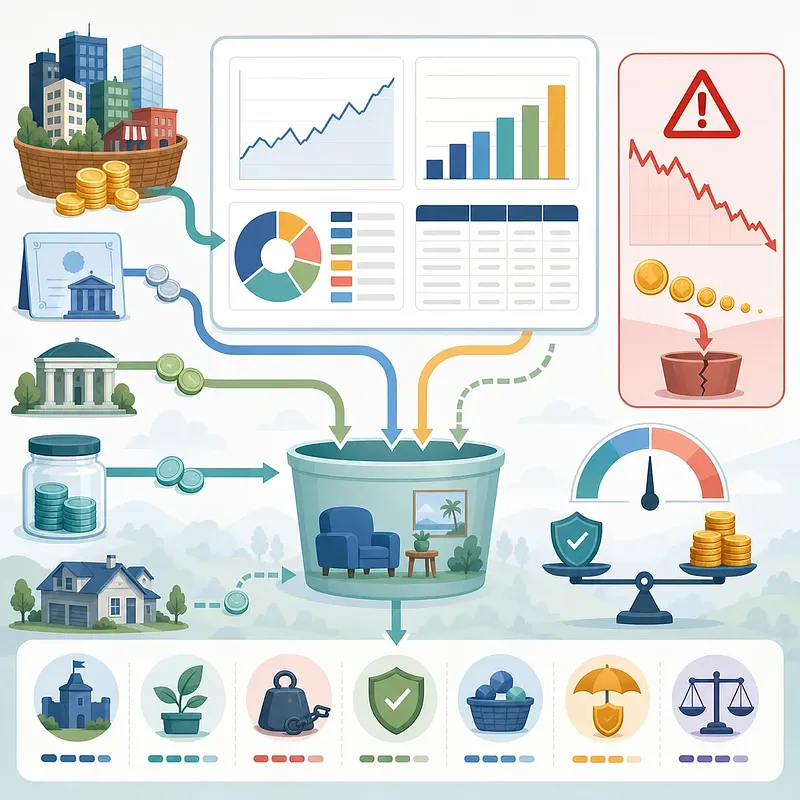
Dividend investing can contribute to retirement cash flow, but neither distributions nor principal are guaranteed. That makes portfolio design more important than simply selecting the highest yields. A rising yield may reflect a declining share price or increased risk of a dividend cut. Investors should evaluate payout capacity using both earnings and free cash flow, while also considering debt, competitive strength, and industry-specific capital structures. Dividend ETFs can simplify diversification, but their index methodology, costs, concentration, and distribution composition still require review. For retirement planning, combining dividends with pensions, interest, cash equivalents, and selective asset sales may create a more resilient approach aligned with actual spending needs. #AssetAllocation #Diversification #RetirementPlanning


7 Rules for Growing Wealth: Conditions and Pitfalls of Ownership, Compounding, and Leverage
Popular wealth-building principles are often presented through success stories, but each depends on conditions that are easy to overlook. Long-term ownership can support compounding only when the underlying asset produces real value and remains financially durable. A minority economic stake is also different from the control required to direct a business. Meanwhile, leverage raises more than return on equity: it increases losses, interest obligations, liquidity pressure, and the risk of forced sales. This article brings seven principles into one risk-management framework, including how to assess asymmetric rewards through loss limits and probability—not maximum upside alone. It also explains why asset allocation, diversification, cash reserves, and liquidity management are central to long-term survival. #RiskManagement #AssetAllocation #Investing


The distinction between natural aging and illness often comes down to timing, progression, and impact on daily life. Gradual change may be expected, but sudden decline or rapidly worsening symptoms should be evaluated for disease or medication side effects. Persistent pain, urinary problems, vision loss, or memory changes should not be dismissed when they interfere with everyday activities. Sudden paralysis, speech difficulty, severe chest pain, breathing difficulty, vision loss, or acute confusion requires immediate emergency assistance. Understanding these differences supports earlier care and safer aging. The article also explains the value of medication reviews, fall-risk assessments, healthy routines, and personalized screening plans. #HealthyAging #HealthScreening

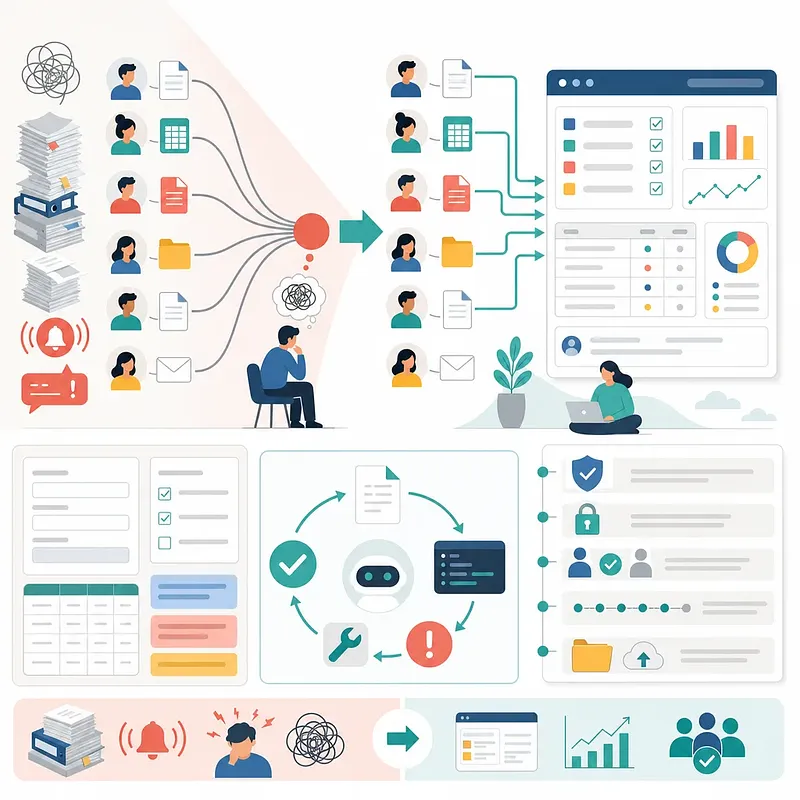
Automation is not always the first—or most valuable—step in operational improvement. This case examines an operations manager facing more than a staffing shortage: the existing team also had to create new procedures and deliverable standards while handling daily work. Even brief import and export requests became costly because they repeatedly disrupted concentration. The first measurable improvement came from rerouting requests to eliminate an unnecessary handoff. After fixing that workflow structure, the manager used Claude Code to build small automations through an iterative cycle of describing the problem, running a solution, reviewing errors, and correcting them. For teams evaluating automation, the case highlights broader criteria: error risk, interruption frequency, standardization potential, and security controls. #Productivity #GenerativeAI #WorkflowAutomation

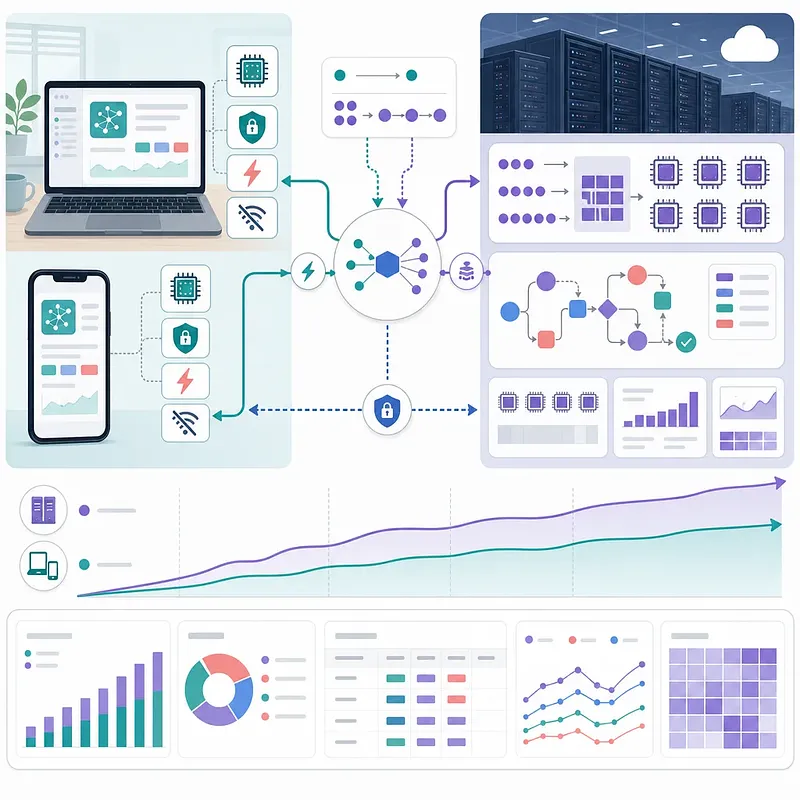
Open-weight models and personal AI hardware are improving, but that does not necessarily mean data center inference will be replaced. The relevant comparison is between future local models and the data center models available at the same time—not today’s leading systems. Data centers also benefit from batching, dedicated accelerators, and higher hardware utilization, although they are not automatically cheaper for every workload. Local inference remains compelling for privacy, low latency, offline use, air-gapped environments, and model control. This points toward a hybrid architecture: local models handle immediate processing and request classification, while data center systems perform more complex inference. #AI #GenerativeAI #AIInfrastructure

Korea Exchange's New Securities Market: Fractional Investment Structure and Differences from STO
Korea Exchange plans to open a new securities market on November 16, 2026, for qualifying fractional investment securities involving artworks, real estate, and other assets. The structure matters: investors purchase securities containing contractual rights to returns and redemption rather than co-ownership of the underlying assets. Evaluating potential returns also requires deducting fees, taxes, and transaction costs from dividends and capital gains. Exchange listing does not eliminate liquidity risk, as limited trading volume may still make timely sales difficult. The article also clarifies a key distinction: this conventional electronic securities market is not the same as token securities issued and recorded through distributed ledgers. #FractionalInvesting #TokenSecurities