Skip to content
Injoys
Knowledge Base

The Line Between Natural Aging and Disease: Signs You Should Not Ignore

Although bodily functions may gradually change with age, persistent pain or sudden functional decline should not be considered normal aging. Pay attention to when symptoms began, how they change, and how they affect daily life, and seek medical care promptly if warning signs appear.

Listen or read this article

16:43

Listen, or read the text only.

The Line Between Natural Aging and Disease: Signs You Should Not Ignore

Kokoro 82M AI-generated voice 17 min read

0:00 16:43

Advertisement

Download audio

File name
normal-aging-vs-disease-warning-signs-en.mp3
Format
MP3 (audio/mpeg)
Duration
16:43
File size
11.5 MB
Engine
Kokoro 82M

This audio was generated by AI.

You may download and use it freely for personal use.

The Line Between Natural Aging and Disease: Signs You Should Not Ignore

12 min read

The Line Between Natural Aging and Disease: Signs You Should Not Ignore
Although bodily functions may gradually change with age, persistent pain or sudden functional decline should not be considered normal aging. Pay attention to when symptoms began, how they change, and how they affect daily life, and seek medical care promptly if warning signs appear.
Normal aging generally progresses gradually, but sudden changes or those that worsen rapidly should first be evaluated for disease or medication side effects.
If pain, urinary problems, vision loss, or memory changes interfere with daily life, do not simply attribute them to age; seek an evaluation.
Sudden paralysis, speech problems, vision loss, severe chest pain or difficulty breathing, and acute confusion are signs that require immediate emergency assistance.
The key to healthy aging is managing exercise, nutrition, sleep, and social interaction, while also reviewing medications, assessing fall risks, and following a personalized screening plan.
Aging is not a disease but a biological process in which the body’s reserve capacity and speed of recovery change over time. However, problems that limit daily life—such as pain, incontinence, vision loss, and severe memory decline—are not all inevitable consequences of aging.
The important criteria are not age itself but how suddenly symptoms appeared, whether they continue to worsen, and whether they impair daily functioning. Symptoms alone cannot confirm the cause, but knowing these criteria can help you decide when to monitor symptoms and when to seek medical care.
How Normal Aging Differs From Disease
Normal aging varies greatly from person to person, but changes generally appear gradually. In contrast, disease, infection, nutritional problems, or medication side effects can cause new symptoms or relatively rapid functional decline.
The following table is not a set of diagnostic criteria but a comparison intended to help assess the need for medical care.
Area | Changes That May Occur During Aging | Changes Whose Causes Should Be Evaluated Medically Muscles and movement | Muscle mass and explosive strength gradually decrease, and recovery becomes slower | Sudden loss of strength, repeated falls, weakness in one arm or leg, difficulty standing up or walking Joints and shoulders | Mild stiffness may occur when starting an activity | Persistent pain, swelling or warmth, nighttime pain, joint locking, shoulder restriction severe enough to make dressing or combing hair difficult Memory | A name or word may not come to mind immediately but is remembered later | Repeating the same questions, getting lost on familiar routes, difficulty managing medications, finances, or meals Vision | Presbyopia that makes it difficult to focus on nearby text | Blurred vision, straight lines appearing bent, reduced vision in one eye, an increase in flashes or floaters, or vision that seems covered by a curtain Urination | Urination patterns may differ from the past | Pain, blood in the urine, inability to urinate, repeated incontinence, sudden frequent urination, fever with flank pain Mood and sleep | Temporary sadness or changes in sleep patterns due to life changes | Persistent depression, loss of interest, severe insomnia, thoughts of self-harm, or repeated pauses in breathing during sleep Fatigue and weight | Recovery after activity may take longer | Unexplained weight loss, persistent extreme fatigue, fever, loss of appetite, or symptoms suggesting anemia
Pain is also not an unavoidable symptom of aging. It can have many causes, including arthritis, tendon injuries, nerve compression, inflammation, and fractures, so persistent pain or pain that limits function requires evaluation.
Warning Signs Requiring Immediate Help
If you have any of the following symptoms, do not wait until your next routine checkup; contact your local emergency medical system immediately.
· Sudden drooping on one side of the face or sudden weakness in one arm or leg · Sudden difficulty speaking or understanding, severe loss of balance, or an extreme headache unlike previous headaches · Sudden vision loss or an area of vision becoming obscured · Severe chest pain, shortness of breath, cyanosis, fainting, or pressure accompanied by a cold sweat · Acute confusion in which a person suddenly cannot recognize people or places · Repeated vomiting, severe drowsiness, or altered consciousness after a head injury, or a head injury while taking anticoagulants · Heavy bleeding, black stools, or vomiting blood · Severe lower abdominal pain with a complete inability to urinate · Thoughts of self-harm or suicide, or a specific plan
Acute confusion is different from dementia. Sudden confusion requires prompt investigation, beginning with causes of delirium such as infection, dehydration, medication, or metabolic abnormalities. Ask a healthcare professional about the specific criteria for assessment.
Symptoms Often Mistakenly Attributed to Age
Joint Pain and Limited Shoulder Movement
The fact that a knee makes noise is not enough to diagnose arthritis. However, medical care is needed if there is pain, swelling, or instability, or if using stairs and walking are difficult. Shoulder pain and limited range of motion can have several causes, including adhesive capsulitis, rotator cuff disorders, and arthritis.
Repeatedly climbing stairs or doing squats despite pain may worsen symptoms, depending on the condition. The intensity and movements of exercise should be adjusted to your current function and medical condition.
Loss of Strength and Falls
Muscle mass and strength can decrease with age, but noticeable difficulty standing up, walking, or lifting objects may be associated with sarcopenia, neurological disease, anemia, nutritional deficiencies, or medication effects.
A fall may not be a simple mistake but the combined result of vision, balance, muscle strength, blood pressure, footwear, the home environment, and medications. If you repeatedly fall or nearly fall, the cause should be evaluated.
Osteoporosis and Fractures
Osteoporosis may cause no particular pain until a fracture occurs. If you have lost height, developed a stooped back, or experience back, lower-back, or hip pain after a minor impact, you need an evaluation that includes the possibility of a vertebral compression fracture.
Eligibility for bone density testing varies according to sex, age, menopausal status, previous fractures, family history, weight, smoking and alcohol use, steroid use, and other factors. It is safest to ask a healthcare professional about your country’s screening guidelines and your individual risk.
Blurred Vision and Eye Disease
Presbyopia, which makes nearby text appear blurry, and cataracts, in which the eye’s lens becomes cloudy, are different problems. If your vision is hazy or you have severe glare or halos around lights, you can be evaluated for cataracts and other conditions. If straight lines appear bent or your central vision becomes dark, a macular disorder may be suspected.
If you suddenly develop many more floaters, see flashes of light, or your vision becomes obscured like a curtain, it may be a retinal problem and requires urgent ophthalmic evaluation.
Memory Changes and Dementia
Occasionally forgetting an appointment and then remembering it on your own is not enough to indicate dementia. A more important criterion is whether memory changes affect independent living.
Consider an evaluation if the following changes recur:
· Repeating the same question or story at short intervals · Difficulty following familiar steps for cooking, making payments, or taking medication · Frequently becoming confused about time and place · Clear changes in personality or judgment · Family members noticing the changes first
Symptoms resembling cognitive decline can also occur with depression, sleep disorders, thyroid abnormalities, hearing loss, vitamin deficiencies, medications, and other causes. Early evaluation is not merely a process for determining whether someone has dementia; it is also a way to identify causes that can be treated or corrected.
Urinary Problems
Frequent urination, nighttime urination, urinary urgency, incontinence, and a weak urine stream may be common, but they are not automatically normal. Urinary tract infections, prostate disease, overactive bladder, pelvic floor dysfunction, diabetes, neurological disease, or medications may contribute.
Do not delay medical care for blood in the urine, pain, fever, recurrent infections, or inability to urinate. Arbitrarily reducing fluid intake can worsen dehydration or constipation, so do not severely restrict it without first identifying the cause.
Declining Kidney Function
Chronic kidney disease may not cause obvious symptoms in its early stages, making it difficult to assess based on fatigue or swelling alone. Blood tests for glomerular filtration rate and urine albumin tests are used for evaluation.
If you have diabetes, high blood pressure, cardiovascular disease, a family history of kidney disease, or a history of acute kidney injury, discuss the frequency of testing with a healthcare professional. Ask a healthcare professional about the criteria for interpreting test results, and consider whether abnormalities persist along with any other findings.
Digestive Symptoms and Unexplained Weight Loss
Before concluding that digestion has weakened because of age, check for difficulty swallowing, persistent abdominal pain, repeated vomiting, bloody or black stools, anemia, or unexplained weight loss. These changes can have many causes, ranging from ulcers, medication side effects, and nutritional problems to tumors, and therefore require testing.
Recording Symptoms Makes Medical Care More Accurate
Organizing and recording symptoms before an appointment helps narrow down possible causes more effectively than vague descriptions.
· Time of onset: Note whether symptoms began suddenly or developed gradually. · Duration and frequency: Record whether symptoms are continuous or occur at a particular time or after certain activities. · Aggravating and relieving factors: Check how symptoms relate to meals, exercise, posture, sleep, and urination. · Functional changes: Note their effects on walking, bathing, dressing, cooking, driving, and managing medications. · Associated symptoms: Look for fever, swelling, weight changes, bleeding, shortness of breath, or reduced sensation. · Items taken: Make a list that includes not only prescription medications but also over-the-counter medications, sleeping pills, pain relievers, and dietary supplements.
Do not record only numbers such as pain scores or blood pressure readings; it is also helpful to note which activities you can no longer do that you could previously perform.
Easily Overlooked Causes: Medications and Sensory Decline
Changes that appear to be aging may begin with medications. Sleeping pills, certain antihistamines, medications with sedative effects, blood pressure medications, and pain relievers can contribute to dizziness, drowsiness, constipation, urinary problems, falls, or confusion.
If you receive prescriptions from multiple healthcare facilities, have your complete medication list reviewed regularly in one place. However, even if you suspect side effects, stopping a prescription medication on your own can be dangerous, so consult the prescribing healthcare professional or a pharmacist first.
Hearing and vision loss can also appear as avoidance of conversation, cognitive decline, or balance problems. If your function has changed, your sensory function should be checked along with testing for disease.
Lifestyle Management for Healthy Aging
Combine Aerobic, Strength, and Balance Exercises
Within your capabilities, combine aerobic activities such as walking with exercises that strengthen major muscle groups and improve balance. It is safer to begin with short, light sessions and gradually increase them.
If you have chest pain, severe shortness of breath, dizziness, a recent fracture, or severe joint pain, or if you have been inactive for a long time, consult a healthcare professional before increasing exercise intensity. Exercise repeated while enduring pain is not necessarily good exercise.
Tailor Protein and Meals to Your Individual Condition
To maintain muscle, protein sources such as fish, eggs, legumes, tofu, dairy products, and lean meat can be distributed evenly across meals. Vegetables, fruit, whole grains, and adequate fluids are also important.
However, if you have chronic kidney disease, heart failure, difficulty swallowing, or a specific metabolic disorder, guidelines for protein, fluid, and electrolyte intake may differ. Check your individualized guidance before substantially increasing any particular nutrient.
Identify the Cause of Sleep Problems
A regular wake-up time, daytime physical activity, and limiting bright screens and caffeine before bedtime may help with sleep. However, repeated loud snoring, pauses in breathing during sleep, severe daytime drowsiness, or leg discomfort requires evaluation for a sleep disorder.
Maintain Social Connections and Mental Health
Retirement, bereavement, illness, and changes in roles can increase the risk of depression and isolation. Regular contact, community activities, learning, and hobbies are ways to maintain a daily routine and social connections. If depression or loss of interest persists, or if you have thoughts of self-harm, do not view it as a matter of willpower; seek professional help.
Tailor Screening to Individual Risk, Not Age
Undergoing more tests is not always safer. Potential benefits and harms should be considered based not only on age but also on medical history, family history, current function, life expectancy, medications, and personal preferences.
You can review the following items with a healthcare professional:
· Blood pressure and cardiovascular risk factors · Kidney function when diabetes, high blood pressure, or related conditions are present · Fracture risk and the need for bone density testing · Vision, hearing, and dental health · History of falls, walking, and balance · Vaccinations and country-specific cancer screening · Changes in memory, mood, and sleep · Duplication and side effects of prescription and over-the-counter medications
Even if screening results are normal, any new symptoms that develop later should be evaluated separately. Conversely, the absence of symptoms should not be a reason to skip risk assessments for conditions that can be silent in their early stages, such as high blood pressure, osteoporosis, and chronic kidney disease.
Assuming It Is Due to Age Can Itself Be Dangerous
The tendency to attribute symptoms to aging can occur not only in individuals but also among family members and healthcare professionals. This assumption can cause treatable diseases, medication side effects, depression, or sensory decline to be missed.
If you are simply told during a medical appointment that “it is because you are getting older,” you can ask the following specific questions:
· What is the basis for determining that this is normal aging? · What other causes need to be ruled out? · What changes should prompt me to seek medical care again? · What treatment or rehabilitation can I pursue now to maintain function?
The goal of healthy aging is not to eliminate every change but to avoid missing treatable problems and to preserve function and independence for as long as possible.
0:00 0:00
1 / 72

Advertisement

Download text

File name
normal-aging-vs-disease-warning-signs-en.txt
Format
TXT (text/plain)
Paragraphs
72

Downloads exactly what you see as a text file.

Please cite the source when quoting.

Large text

Makes the text larger and the colors clearer. Turn it on if the text feels too small.

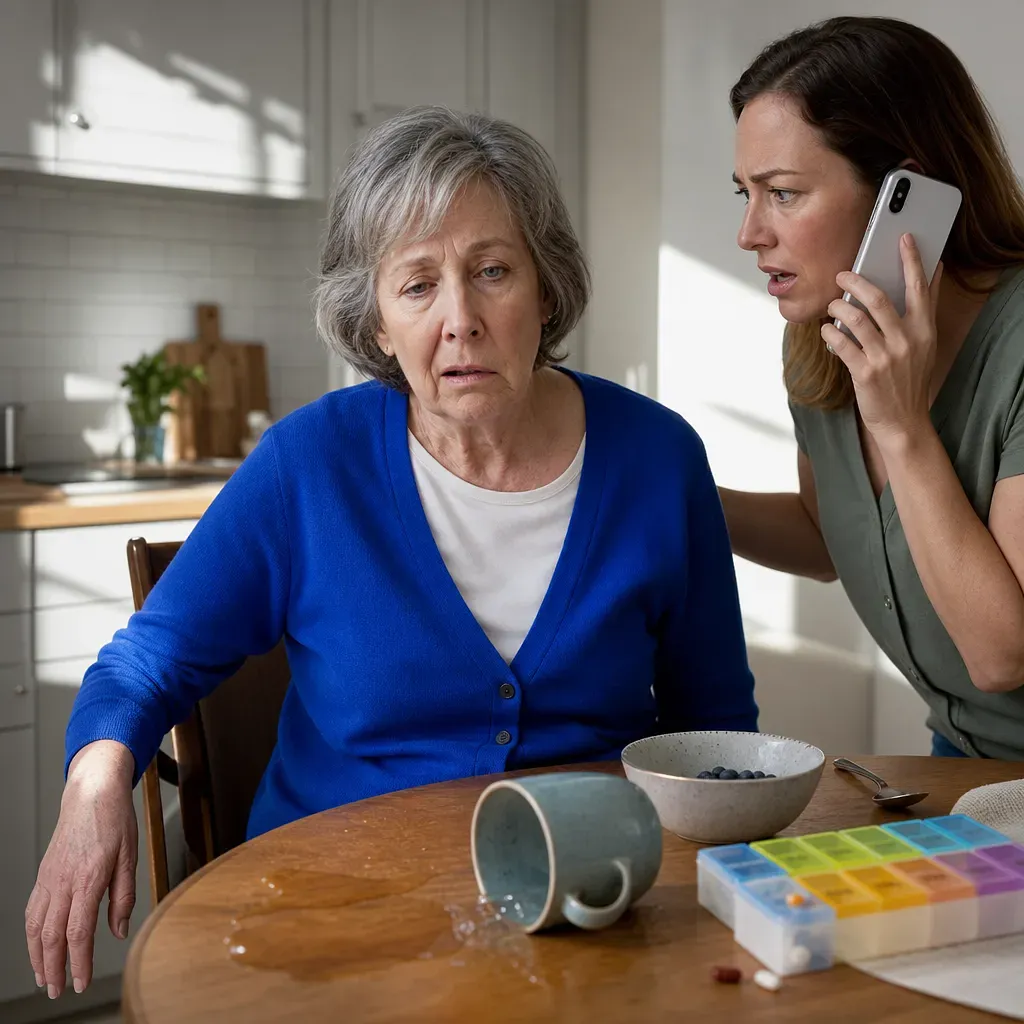
A concerned woman makes an urgent call after noticing the older woman's troubling condition.

Key points

  • Normal aging generally progresses gradually, but sudden changes or those that worsen rapidly should first be evaluated for disease or medication side effects.
  • If pain, urinary problems, vision loss, or memory changes interfere with daily life, do not simply attribute them to age; seek an evaluation.
  • Sudden paralysis, speech problems, vision loss, severe chest pain or difficulty breathing, and acute confusion are signs that require immediate emergency assistance.
  • The key to healthy aging is managing exercise, nutrition, sleep, and social interaction, while also reviewing medications, assessing fall risks, and following a personalized screening plan.

Aging is not a disease but a biological process in which the body’s reserve capacity and speed of recovery change over time. However, problems that limit daily life—such as pain, incontinence, vision loss, and severe memory decline—are not all inevitable consequences of aging.

The important criteria are not age itself but how suddenly symptoms appeared, whether they continue to worsen, and whether they impair daily functioning. Symptoms alone cannot confirm the cause, but knowing these criteria can help you decide when to monitor symptoms and when to seek medical care.

How Normal Aging Differs From Disease

Normal aging varies greatly from person to person, but changes generally appear gradually. In contrast, disease, infection, nutritional problems, or medication side effects can cause new symptoms or relatively rapid functional decline.

The following table is not a set of diagnostic criteria but a comparison intended to help assess the need for medical care.

Area Changes That May Occur During Aging Changes Whose Causes Should Be Evaluated Medically
Muscles and movement Muscle mass and explosive strength gradually decrease, and recovery becomes slower Sudden loss of strength, repeated falls, weakness in one arm or leg, difficulty standing up or walking
Joints and shoulders Mild stiffness may occur when starting an activity Persistent pain, swelling or warmth, nighttime pain, joint locking, shoulder restriction severe enough to make dressing or combing hair difficult
Memory A name or word may not come to mind immediately but is remembered later Repeating the same questions, getting lost on familiar routes, difficulty managing medications, finances, or meals
Vision Presbyopia that makes it difficult to focus on nearby text Blurred vision, straight lines appearing bent, reduced vision in one eye, an increase in flashes or floaters, or vision that seems covered by a curtain
Urination Urination patterns may differ from the past Pain, blood in the urine, inability to urinate, repeated incontinence, sudden frequent urination, fever with flank pain
Mood and sleep Temporary sadness or changes in sleep patterns due to life changes Persistent depression, loss of interest, severe insomnia, thoughts of self-harm, or repeated pauses in breathing during sleep
Fatigue and weight Recovery after activity may take longer Unexplained weight loss, persistent extreme fatigue, fever, loss of appetite, or symptoms suggesting anemia

Pain is also not an unavoidable symptom of aging. It can have many causes, including arthritis, tendon injuries, nerve compression, inflammation, and fractures, so persistent pain or pain that limits function requires evaluation.

Warning Signs Requiring Immediate Help

If you have any of the following symptoms, do not wait until your next routine checkup; contact your local emergency medical system immediately.

  • Sudden drooping on one side of the face or sudden weakness in one arm or leg
  • Sudden difficulty speaking or understanding, severe loss of balance, or an extreme headache unlike previous headaches
  • Sudden vision loss or an area of vision becoming obscured
  • Severe chest pain, shortness of breath, cyanosis, fainting, or pressure accompanied by a cold sweat
  • Acute confusion in which a person suddenly cannot recognize people or places
  • Repeated vomiting, severe drowsiness, or altered consciousness after a head injury, or a head injury while taking anticoagulants
  • Heavy bleeding, black stools, or vomiting blood
  • Severe lower abdominal pain with a complete inability to urinate
  • Thoughts of self-harm or suicide, or a specific plan

Acute confusion is different from dementia. Sudden confusion requires prompt investigation, beginning with causes of delirium such as infection, dehydration, medication, or metabolic abnormalities. Ask a healthcare professional about the specific criteria for assessment.

Symptoms Often Mistakenly Attributed to Age

Joint Pain and Limited Shoulder Movement

The fact that a knee makes noise is not enough to diagnose arthritis. However, medical care is needed if there is pain, swelling, or instability, or if using stairs and walking are difficult. Shoulder pain and limited range of motion can have several causes, including adhesive capsulitis, rotator cuff disorders, and arthritis.

Repeatedly climbing stairs or doing squats despite pain may worsen symptoms, depending on the condition. The intensity and movements of exercise should be adjusted to your current function and medical condition.

Loss of Strength and Falls

Muscle mass and strength can decrease with age, but noticeable difficulty standing up, walking, or lifting objects may be associated with sarcopenia, neurological disease, anemia, nutritional deficiencies, or medication effects.

A fall may not be a simple mistake but the combined result of vision, balance, muscle strength, blood pressure, footwear, the home environment, and medications. If you repeatedly fall or nearly fall, the cause should be evaluated.

Osteoporosis and Fractures

Osteoporosis may cause no particular pain until a fracture occurs. If you have lost height, developed a stooped back, or experience back, lower-back, or hip pain after a minor impact, you need an evaluation that includes the possibility of a vertebral compression fracture.

Eligibility for bone density testing varies according to sex, age, menopausal status, previous fractures, family history, weight, smoking and alcohol use, steroid use, and other factors. It is safest to ask a healthcare professional about your country’s screening guidelines and your individual risk.

Blurred Vision and Eye Disease

Presbyopia, which makes nearby text appear blurry, and cataracts, in which the eye’s lens becomes cloudy, are different problems. If your vision is hazy or you have severe glare or halos around lights, you can be evaluated for cataracts and other conditions. If straight lines appear bent or your central vision becomes dark, a macular disorder may be suspected.

If you suddenly develop many more floaters, see flashes of light, or your vision becomes obscured like a curtain, it may be a retinal problem and requires urgent ophthalmic evaluation.

Memory Changes and Dementia

Occasionally forgetting an appointment and then remembering it on your own is not enough to indicate dementia. A more important criterion is whether memory changes affect independent living.

Consider an evaluation if the following changes recur:

  • Repeating the same question or story at short intervals
  • Difficulty following familiar steps for cooking, making payments, or taking medication
  • Frequently becoming confused about time and place
  • Clear changes in personality or judgment
  • Family members noticing the changes first

Symptoms resembling cognitive decline can also occur with depression, sleep disorders, thyroid abnormalities, hearing loss, vitamin deficiencies, medications, and other causes. Early evaluation is not merely a process for determining whether someone has dementia; it is also a way to identify causes that can be treated or corrected.

Urinary Problems

Frequent urination, nighttime urination, urinary urgency, incontinence, and a weak urine stream may be common, but they are not automatically normal. Urinary tract infections, prostate disease, overactive bladder, pelvic floor dysfunction, diabetes, neurological disease, or medications may contribute.

Do not delay medical care for blood in the urine, pain, fever, recurrent infections, or inability to urinate. Arbitrarily reducing fluid intake can worsen dehydration or constipation, so do not severely restrict it without first identifying the cause.

Declining Kidney Function

Chronic kidney disease may not cause obvious symptoms in its early stages, making it difficult to assess based on fatigue or swelling alone. Blood tests for glomerular filtration rate and urine albumin tests are used for evaluation.

If you have diabetes, high blood pressure, cardiovascular disease, a family history of kidney disease, or a history of acute kidney injury, discuss the frequency of testing with a healthcare professional. Ask a healthcare professional about the criteria for interpreting test results, and consider whether abnormalities persist along with any other findings.

Digestive Symptoms and Unexplained Weight Loss

Before concluding that digestion has weakened because of age, check for difficulty swallowing, persistent abdominal pain, repeated vomiting, bloody or black stools, anemia, or unexplained weight loss. These changes can have many causes, ranging from ulcers, medication side effects, and nutritional problems to tumors, and therefore require testing.

Recording Symptoms Makes Medical Care More Accurate

Organizing and recording symptoms before an appointment helps narrow down possible causes more effectively than vague descriptions.

  1. Time of onset: Note whether symptoms began suddenly or developed gradually.
  2. Duration and frequency: Record whether symptoms are continuous or occur at a particular time or after certain activities.
  3. Aggravating and relieving factors: Check how symptoms relate to meals, exercise, posture, sleep, and urination.
  4. Functional changes: Note their effects on walking, bathing, dressing, cooking, driving, and managing medications.
  5. Associated symptoms: Look for fever, swelling, weight changes, bleeding, shortness of breath, or reduced sensation.
  6. Items taken: Make a list that includes not only prescription medications but also over-the-counter medications, sleeping pills, pain relievers, and dietary supplements.

Do not record only numbers such as pain scores or blood pressure readings; it is also helpful to note which activities you can no longer do that you could previously perform.

Easily Overlooked Causes: Medications and Sensory Decline

Changes that appear to be aging may begin with medications. Sleeping pills, certain antihistamines, medications with sedative effects, blood pressure medications, and pain relievers can contribute to dizziness, drowsiness, constipation, urinary problems, falls, or confusion.

If you receive prescriptions from multiple healthcare facilities, have your complete medication list reviewed regularly in one place. However, even if you suspect side effects, stopping a prescription medication on your own can be dangerous, so consult the prescribing healthcare professional or a pharmacist first.

Hearing and vision loss can also appear as avoidance of conversation, cognitive decline, or balance problems. If your function has changed, your sensory function should be checked along with testing for disease.

Lifestyle Management for Healthy Aging

Combine Aerobic, Strength, and Balance Exercises

Within your capabilities, combine aerobic activities such as walking with exercises that strengthen major muscle groups and improve balance. It is safer to begin with short, light sessions and gradually increase them.

If you have chest pain, severe shortness of breath, dizziness, a recent fracture, or severe joint pain, or if you have been inactive for a long time, consult a healthcare professional before increasing exercise intensity. Exercise repeated while enduring pain is not necessarily good exercise.

Tailor Protein and Meals to Your Individual Condition

To maintain muscle, protein sources such as fish, eggs, legumes, tofu, dairy products, and lean meat can be distributed evenly across meals. Vegetables, fruit, whole grains, and adequate fluids are also important.

However, if you have chronic kidney disease, heart failure, difficulty swallowing, or a specific metabolic disorder, guidelines for protein, fluid, and electrolyte intake may differ. Check your individualized guidance before substantially increasing any particular nutrient.

Identify the Cause of Sleep Problems

A regular wake-up time, daytime physical activity, and limiting bright screens and caffeine before bedtime may help with sleep. However, repeated loud snoring, pauses in breathing during sleep, severe daytime drowsiness, or leg discomfort requires evaluation for a sleep disorder.

Maintain Social Connections and Mental Health

Retirement, bereavement, illness, and changes in roles can increase the risk of depression and isolation. Regular contact, community activities, learning, and hobbies are ways to maintain a daily routine and social connections. If depression or loss of interest persists, or if you have thoughts of self-harm, do not view it as a matter of willpower; seek professional help.

Tailor Screening to Individual Risk, Not Age

Undergoing more tests is not always safer. Potential benefits and harms should be considered based not only on age but also on medical history, family history, current function, life expectancy, medications, and personal preferences.

You can review the following items with a healthcare professional:

  • Blood pressure and cardiovascular risk factors
  • Kidney function when diabetes, high blood pressure, or related conditions are present
  • Fracture risk and the need for bone density testing
  • Vision, hearing, and dental health
  • History of falls, walking, and balance
  • Vaccinations and country-specific cancer screening
  • Changes in memory, mood, and sleep
  • Duplication and side effects of prescription and over-the-counter medications

Even if screening results are normal, any new symptoms that develop later should be evaluated separately. Conversely, the absence of symptoms should not be a reason to skip risk assessments for conditions that can be silent in their early stages, such as high blood pressure, osteoporosis, and chronic kidney disease.

Assuming It Is Due to Age Can Itself Be Dangerous

The tendency to attribute symptoms to aging can occur not only in individuals but also among family members and healthcare professionals. This assumption can cause treatable diseases, medication side effects, depression, or sensory decline to be missed.

If you are simply told during a medical appointment that “it is because you are getting older,” you can ask the following specific questions:

  • What is the basis for determining that this is normal aging?
  • What other causes need to be ruled out?
  • What changes should prompt me to seek medical care again?
  • What treatment or rehabilitation can I pursue now to maintain function?

The goal of healthy aging is not to eliminate every change but to avoid missing treatable problems and to preserve function and independence for as long as possible.

Sign-in required

Sign in with your Google account to like, comment, and save highlights.

Images

A concerned woman makes an urgent call after noticing the older woman's troubling condition.
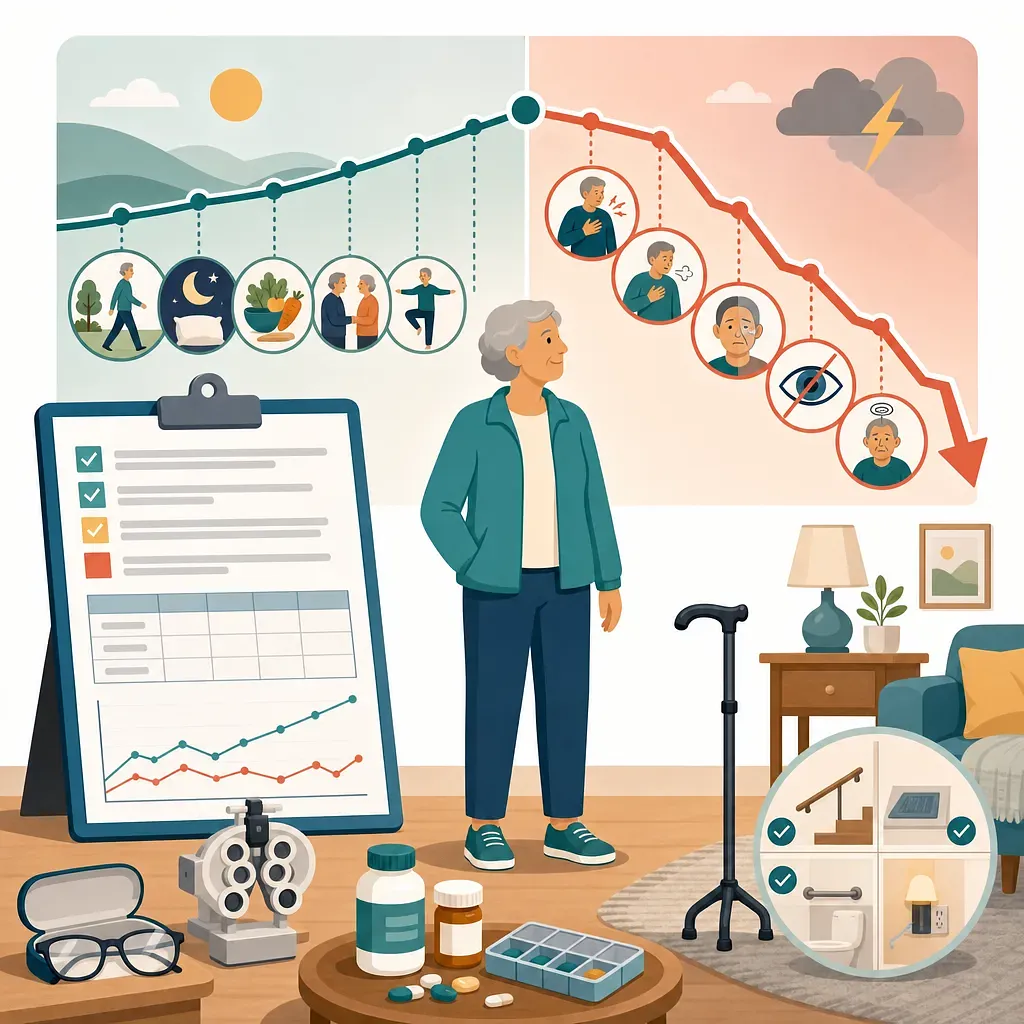
The illustration contrasts healthy aging routines with symptoms that may require medical attention.

FAQ

Is it normal for joints to hurt as you get older?

Joint structure and the ability to recover may change with age, but persistent pain is not an inevitable result of normal aging. If you have swelling, warmth, nighttime pain, joint locking, or difficulty walking, possible causes such as arthritis, tendon damage, nerve problems, or fractures should be investigated.

Should I be tested for dementia if I am becoming more forgetful?

Occasionally forgetting something and remembering it later is not enough to determine that you have dementia. Consider a cognitive assessment if changes that affect independent living recur, such as repeatedly asking the same questions, having difficulty finding your way, or failing to manage medications or money.

If my health checkup results are normal, can I wait and see how new symptoms develop?

Routine health checkups do not test for every disease. New pain, bleeding, weight loss, vision changes, or functional decline that develops after a checkup should be evaluated separately from the checkup results.

Can osteoporosis be detected before it causes pain?

Osteoporosis may cause no symptoms until a fracture occurs. The need for a bone density test is determined according to individual risk factors, such as age, sex, menopausal status, previous fractures, family history, low body weight, smoking, and steroid use, as well as the guidelines of the relevant country.

Is frequent urination or urinary leakage also a natural part of aging?

These are common symptoms, but they should not be assumed to be normal. Possible causes include urinary tract infections, prostate conditions, overactive bladder, pelvic floor problems, diabetes, neurological disorders, or medication effects. Blood in the urine, fever, pain, or inability to urinate requires prompt medical attention.

Can older adults start strength training?

Most people can begin with light exercise suited to their current abilities, and maintaining strength and balance is important for preventing falls and preserving daily functioning. If you have had a recent fracture or have severe joint pain, chest pain, shortness of breath, or cardiovascular disease, consult a healthcare professional first about the type and intensity of exercise.

Is sudden confusion also a symptom of dementia?

For confusion that develops suddenly, the possibility of delirium should be considered before gradually progressive dementia, and specific diagnostic criteria should be confirmed with a healthcare professional. Because there may be an urgent cause, such as infection, dehydration, medication, or a metabolic abnormality, immediate medical evaluation is necessary.

If my vision is blurry, do I only need reading glasses?

It may be presbyopia, which makes it difficult to focus on nearby text, but cloudy vision, glare, distortion of straight lines, or reduced vision in one eye may signal another eye condition. Sudden vision loss, an increase in flashes or floaters, or a curtain-like obstruction of vision requires urgent evaluation.

Sources

Also available as video and a short read

Videos and a short write-up made from this content. Watch instead of reading, or skim the gist first.

Short version

Loading…

Data formats

This content is available in several machine-friendly formats.

Data-only languages (machine translated, files only)

Indonesian JSON MD Portuguese JSON MD Chinese (Traditional) JSON MD Deutsch JSON MD

Verification

Reviewed by 신익희 · 편집장 · 2026-08-29

Figures in this article were checked against the source material during generation. 3 correction(s) applied. · 2026-08-29

This translation has been cross-checked by AI. · 2026-08-29

Reuse & AI usage

Search indexing and AI citation with attribution are welcome. See the license policy for details.

CC BY · License

Loading…

Loading…

Related content

From Injoys

Request the content you want and take 70% of what it earns

Just leave the subject. We handle production, review, translation and distribution.

See how revenue sharing works

Comments