Injoys

Hyperlipidemia is a form of dyslipidemia that may require treatment, and there is no way to flush out blood vessels without medication. Diet, exercise, and smoking cessation are fundamental, but they do not replace medication. Medication and additional testing are determined by considering LDL levels, existing conditions, age, and overall cardiovascular risk together.
Reference date not specified: Check the Korean Society of Hypertension guidelines and the Korea Disease Control and Prevention Agency’s National Health Information Portal for the latest figures and diagnostic criteria.
The Relationship Between Hyperlipidemia and Blood Vessels
Hyperlipidemia refers to an abnormal level of lipids in the blood. The term dyslipidemia is also used in clinical practice. Elevated LDL cholesterol is a representative type. Triglycerides and HDL cholesterol are also evaluated together.
LDL particles can accumulate in artery walls. An inflammatory response can then lead to the formation of atherosclerotic plaque. This is not the same as grease clinging to a drainpipe. It cannot be washed away with a particular food or drink.
Lifestyle changes lower blood lipid levels and overall risk. Medications such as statins lower LDL and reduce risk. Stabilization of atherosclerotic plaque has been observed with some treatments. This does not mean that existing lesions disappear immediately.
The original wording of the official criteria can be found in the Korean Society of Hypertension guidelines and the National Health Information Portal. The claims reviewed in this article did not include quotations from official documents or their publication dates.
What Can Be Managed Without Medication
Whether lifestyle changes alone are sufficient depends on an individual’s risk level. Not everyone is treated in the same way based on a single LDL level. Treatment intensity differs if cardiovascular disease is already present. Diabetes and smoking status are also considered.
The following habits apply regardless of whether medication is used.
- Quit smoking, including cigarettes and e-cigarettes.
- Do not start drinking alcohol, or reduce consumption as much as possible.
- Include vegetables, whole grains, legumes, and fish in your diet.
- Reduce your intake of saturated fat and trans fat.
- Do aerobic and strength exercise appropriate for your current condition.
- Do not reduce or stop prescribed medication on your own.
It is also incorrect to assume that lifestyle changes are unnecessary when taking medication. Conversely, following healthy lifestyle habits does not mean medication is unnecessary. The two approaches can be used together. Treatment goals should be set with your healthcare provider.
How to Measure Blood Pressure at Home
Home blood pressure can be interpreted only when it is measured repeatedly under standardized conditions. A rise immediately after exercise or stress differs from resting blood pressure. You should rest quietly before taking a measurement. Cuff size and arm position also affect the result.
- Rest in a chair for at least 5 minutes before measuring.
- Sit with your back supported and both feet on the floor.
- Wrap an appropriately sized cuff around your bare upper arm.
- Rest your arm comfortably at heart level.
- Repeat the measurement at the same time of day and record the results.
- Show the device and records to your healthcare provider during your appointment.
A diagnosis should not be confirmed based on a single systolic blood pressure result above 140mmHg. The criteria for office and home blood pressure may differ. Repeated results and accompanying risk factors must be considered together. Very high readings or unusual symptoms require immediate evaluation.
Blood pressure can be an indicator that helps you review your lifestyle and health. However, it is not a health report card meant to induce guilt. Sleep, pain, medications, and caffeine also affect the readings. The cause should not be reduced simply to a lack of willpower.
Summary by Condition
Treatment and testing priorities vary depending on your current condition. The table below distinguishes situations that require medical care. It does not replace individualized diagnostic criteria.
| Current condition | What to check first | Interpretations to avoid |
|---|---|---|
| High LDL without symptoms | Repeat lipid testing and overall cardiovascular risk | Assuming it is safe because there are no symptoms |
| History of myocardial infarction or stroke | Prescribed treatment and target LDL management | Replacing medication with diet alone |
| One blood pressure reading above 140mmHg | Repeat measurement after resting and medical consultation | Confirming a diagnosis based on a single reading |
| Palpitations or an irregular pulse | Medical-grade electrocardiogram and evaluation of the cause | Confirming a diagnosis from smartwatch alerts alone |
| Sudden onset of neurological symptoms | Immediate evaluation in the emergency room | Waiting until a scheduled screening appointment |
| Considering screening without symptoms | Need for testing based on risk factors | Scheduling regular MRI scans based on age alone |
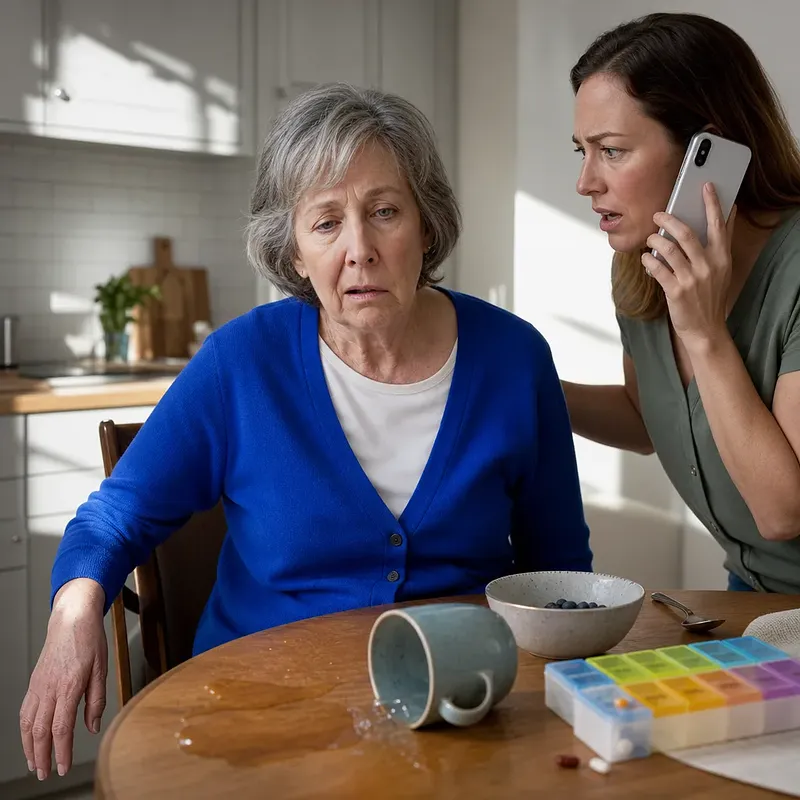
Slurred speech or weakness in an arm or leg on one side may indicate an emergency. Sudden visual disturbances and severe headache also require evaluation. These symptoms should not be assessed using home blood pressure records. Use your local emergency medical system.
Comparison by Test
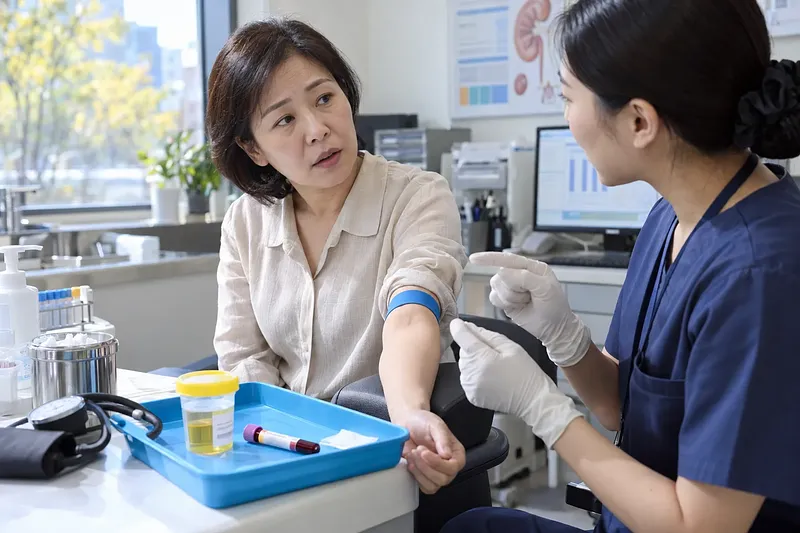
Undergoing more tests does not necessarily increase the preventive benefit. Testing must account not only for the likelihood of detection but also for false positives and subsequent procedures. Symptoms and risk factors are the primary criteria.
| Test | What it assesses | General use | Points to note |
|---|---|---|---|
| Lipid test | LDL, HDL, and triglycerides | Cardiovascular risk assessment and treatment monitoring | Whether fasting is required depends on the test components |
| Glycated hemoglobin | Average blood glucose level over the past several months | Diabetes screening and management | Some conditions, including anemia, can affect the result |
| Office and home blood pressure | Resting blood pressure | Hypertension screening and treatment monitoring | Proper posture and repeated measurements are necessary |
| 12-lead electrocardiogram | Electrical activity of the heart at the time of measurement | Evaluation of arrhythmias and heart conditions | May miss intermittent arrhythmias |
| Smartwatch ECG | Heart rhythm information while worn | A supplementary record of abnormal signals | Not a medical-grade confirmatory test |
| Carotid ultrasound | Narrowing and lesions in the neck arteries | Selected when symptoms or examination findings are present | The benefit of screening asymptomatic members of the general public is uncertain |
| Brain MRI·MRA | Structure of brain tissue and cerebral blood vessels | Selected according to indications such as symptoms and family history | Incidental findings and additional testing are possible |
The U.S. Preventive Services Task Force does not recommend screening asymptomatic adults for carotid artery stenosis. This conclusion considers not only the ultrasound itself but also the potential harms of subsequent testing and procedures. Guidelines in other countries may differ in their detailed application. Tell your healthcare provider about your personal medical history.
Criteria for Brain MRI and Cerebral Aneurysm Decisions
There is no universal standard recommending a one-time brain MRI·MRA for everyone aged 40 or older. The benefits of testing vary according to individual risk factors. Family history and certain genetic disorders may affect the decision. Sudden neurological symptoms require emergency evaluation, not routine screening.
Cerebral aneurysms are not treated based on size alone. Their location, shape, and whether they are growing are also considered. Age and procedural risk are compared as well. The claim that every aneurysm at least 4mm in size requires a procedure is inaccurate.
Even if a screening center and a tertiary hospital use the same imaging equipment, the care they provide is not the same. Imaging methods and interpretation experience affect the results. The consultation and follow-up systems for abnormal findings should also be checked. Do not choose a testing facility based on price alone.