 Injoys
Social
A short written take on each piece of content: what changed and why it matters. Skim the point first, then follow through to the full article only for what interests you. Every take is drawn from real content, so the link takes you straight to the material it is based on.

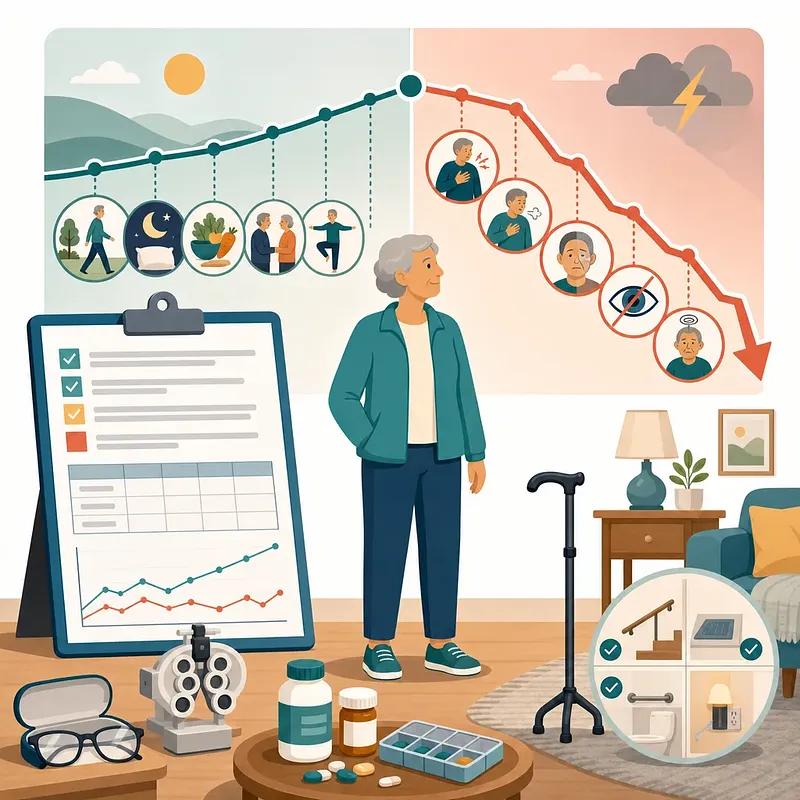
The distinction between natural aging and illness often comes down to timing, progression, and impact on daily life. Gradual change may be expected, but sudden decline or rapidly worsening symptoms should be evaluated for disease or medication side effects. Persistent pain, urinary problems, vision loss, or memory changes should not be dismissed when they interfere with everyday activities. Sudden paralysis, speech difficulty, severe chest pain, breathing difficulty, vision loss, or acute confusion requires immediate emergency assistance. Understanding these differences supports earlier care and safer aging. The article also explains the value of medication reviews, fall-risk assessments, healthy routines, and personalized screening plans. #HealthyAging #HealthScreening

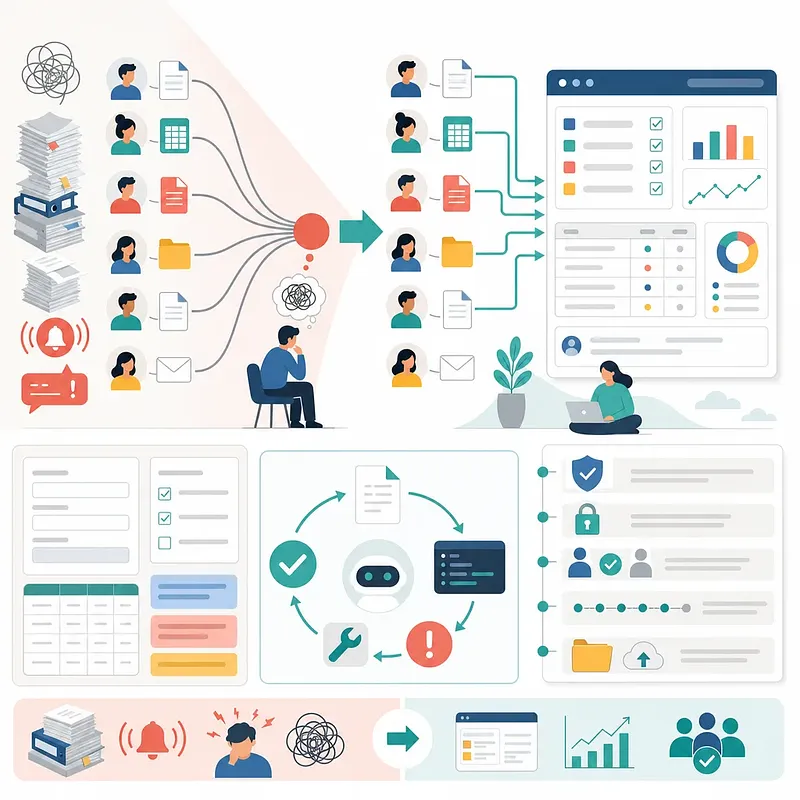
Automation is not always the first—or most valuable—step in operational improvement. This case examines an operations manager facing more than a staffing shortage: the existing team also had to create new procedures and deliverable standards while handling daily work. Even brief import and export requests became costly because they repeatedly disrupted concentration. The first measurable improvement came from rerouting requests to eliminate an unnecessary handoff. After fixing that workflow structure, the manager used Claude Code to build small automations through an iterative cycle of describing the problem, running a solution, reviewing errors, and correcting them. For teams evaluating automation, the case highlights broader criteria: error risk, interruption frequency, standardization potential, and security controls. #Productivity #GenerativeAI #WorkflowAutomation

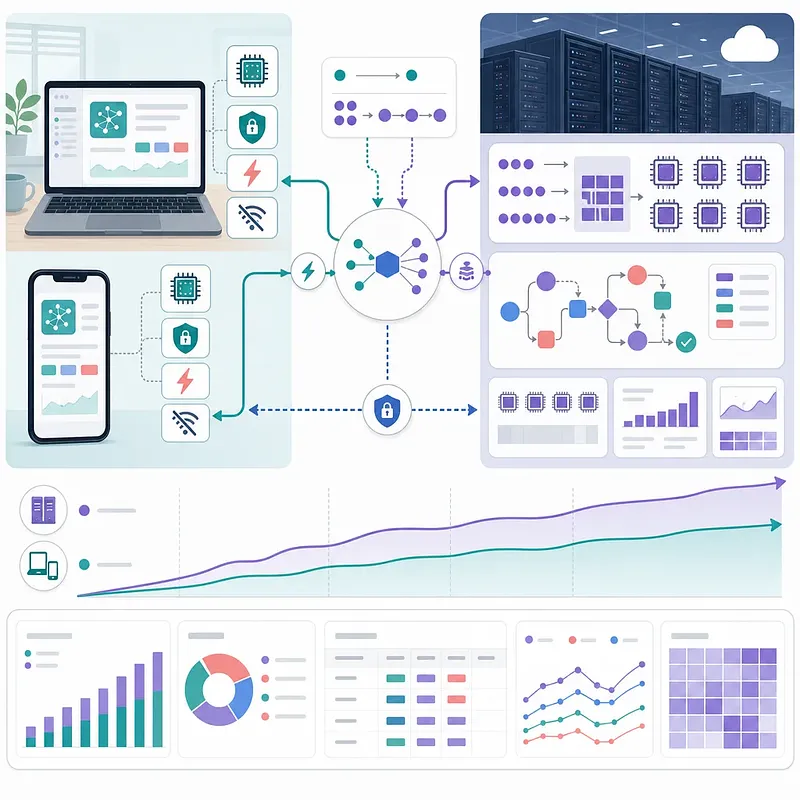
Open-weight models and personal AI hardware are improving, but that does not necessarily mean data center inference will be replaced. The relevant comparison is between future local models and the data center models available at the same time—not today’s leading systems. Data centers also benefit from batching, dedicated accelerators, and higher hardware utilization, although they are not automatically cheaper for every workload. Local inference remains compelling for privacy, low latency, offline use, air-gapped environments, and model control. This points toward a hybrid architecture: local models handle immediate processing and request classification, while data center systems perform more complex inference. #AI #GenerativeAI #AIInfrastructure

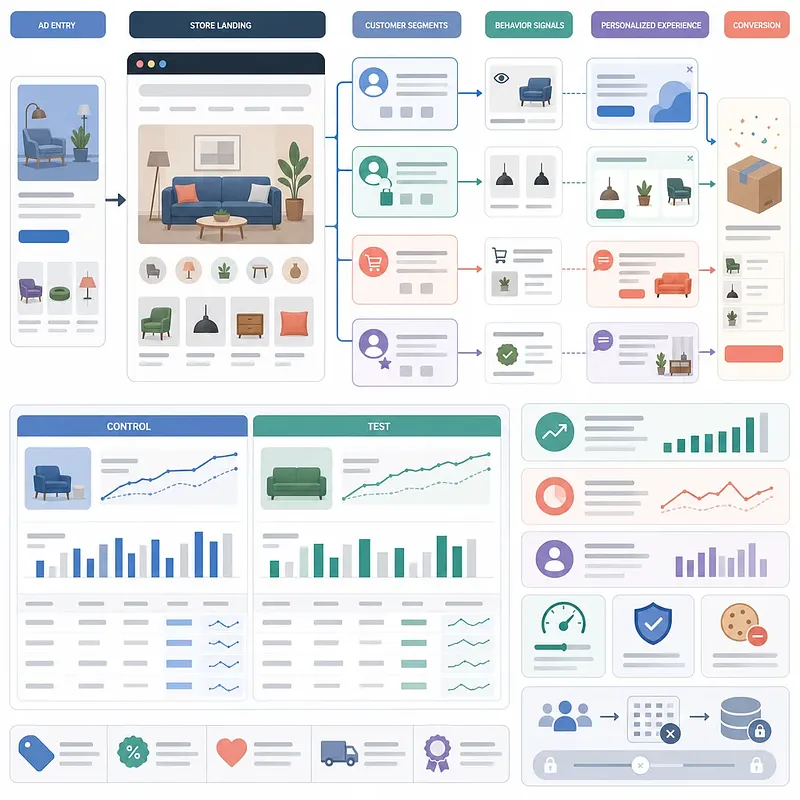
On-site marketing can help close the gap between paid acquisition and purchase—but only when it responds to the visitor’s context rather than showing everyone the same message. This practical guide outlines a structured design process: segment customers using collectable data, define behaviors that signal purchase intent, and connect each segment to one focused message and delivery method. It also explains why evaluation should go beyond conversion rates to include profit, returns, and subscription cancellations. For teams improving ad efficiency, the key lesson is to validate scenarios with a control group before scaling, while managing duplicate exposure, discount dependence, and consent-based tracking. #OnsiteMarketing #Ecommerce

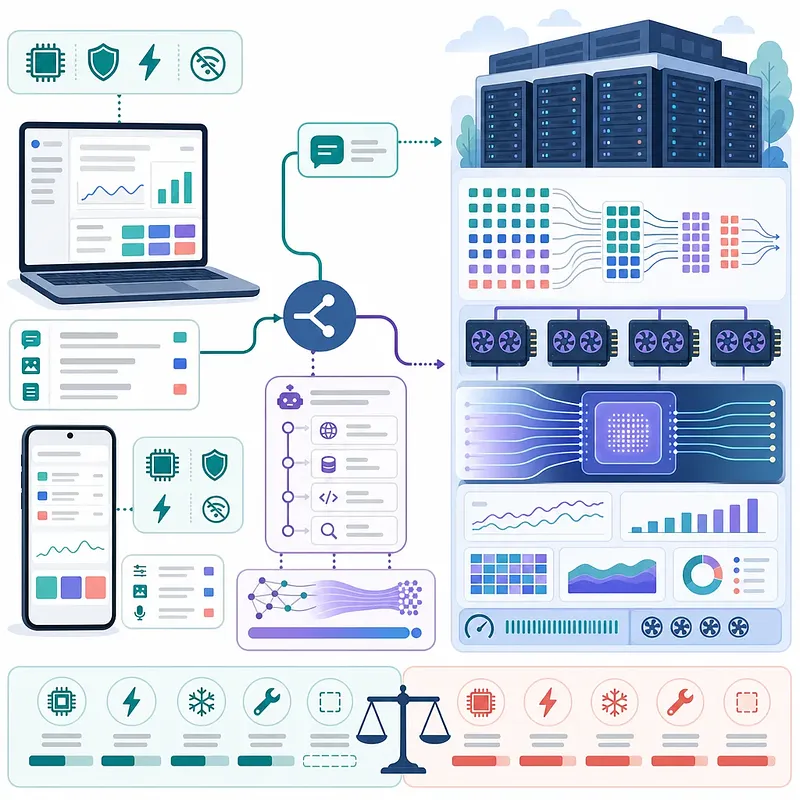
As local AI improves, it is tempting to assume that inference will steadily move away from data centers. The economics and performance dynamics suggest a more nuanced outcome. Open-weight availability does not guarantee efficient execution on personal hardware. Data centers can dynamically batch requests, share accelerators, and achieve higher utilization. Meanwhile, the true cost of local inference includes depreciation, electricity, cooling, maintenance, and periods of low use—not just the initial GPU price. The performance frontier also keeps moving. Future laptops may run today’s leading models, while future data center systems handle more capable models, longer workflows, and complex agent tasks. This points toward hybrid architecture rather than a winner-takes-all market. #AIInfrastructure #GenerativeAI

7 Rules for Growing Wealth: Conditions and Pitfalls of Ownership, Compounding, and Leverage
Popular wealth-building principles are often presented through success stories, but each depends on conditions that are easy to overlook. Long-term ownership can support compounding only when the underlying asset produces real value and remains financially durable. A minority economic stake is also different from the control required to direct a business. Meanwhile, leverage raises more than return on equity: it increases losses, interest obligations, liquidity pressure, and the risk of forced sales. This article brings seven principles into one risk-management framework, including how to assess asymmetric rewards through loss limits and probability—not maximum upside alone. It also explains why asset allocation, diversification, cash reserves, and liquidity management are central to long-term survival. #RiskManagement #AssetAllocation #Investing