 Injoys
Social
A short written take on each piece of content: what changed and why it matters. Skim the point first, then follow through to the full article only for what interests you. Every take is drawn from real content, so the link takes you straight to the material it is based on.

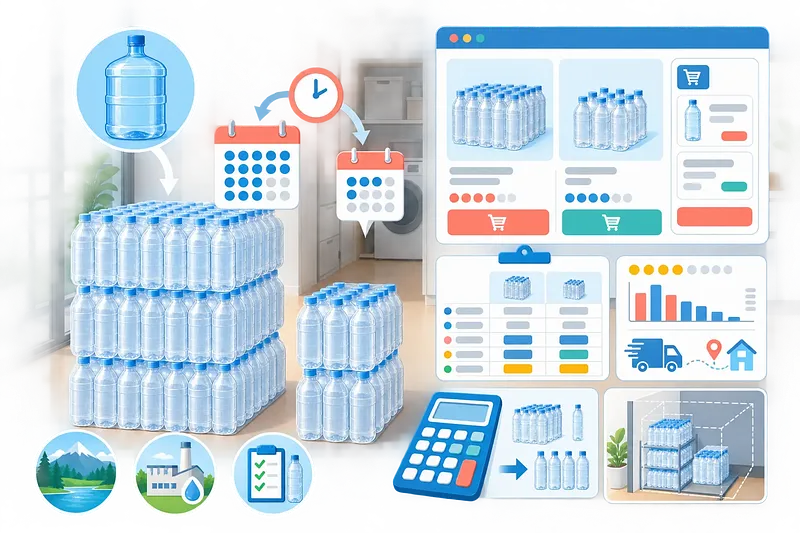
Sparkle 500ml Water 80-Pack Price, Pros and Cons
This post contains Toss Shopping ShareLink affiliate links, for which a commission is earned. Office buyers weigh Sparkle 40 vs. 80. The 80-pack is KRW 8,800 as of September 8, 2026, equal to KRW 110 per bottle. Unit cost is only one part of the purchasing decision. Eighty 500ml bottles total 40L, so available storage and expected consumption determine whether the larger pack is practical. Buyers with lower consumption may find the 40-pack easier to manage. The current price can be compared with KRW 24,000 (based on the seller's listed price). The marketplace rating is 4.9/5 from 49,791 reviews, but that figure represents buyer feedback rather than quality test results. The article also identifies checkout details that can affect the final decision: the label-free option, shipping fee, water source, and manufacturing information. Office purchasers and households comparing pack sizes should read the full breakdown before ordering. #Procurement #DecisionMaking

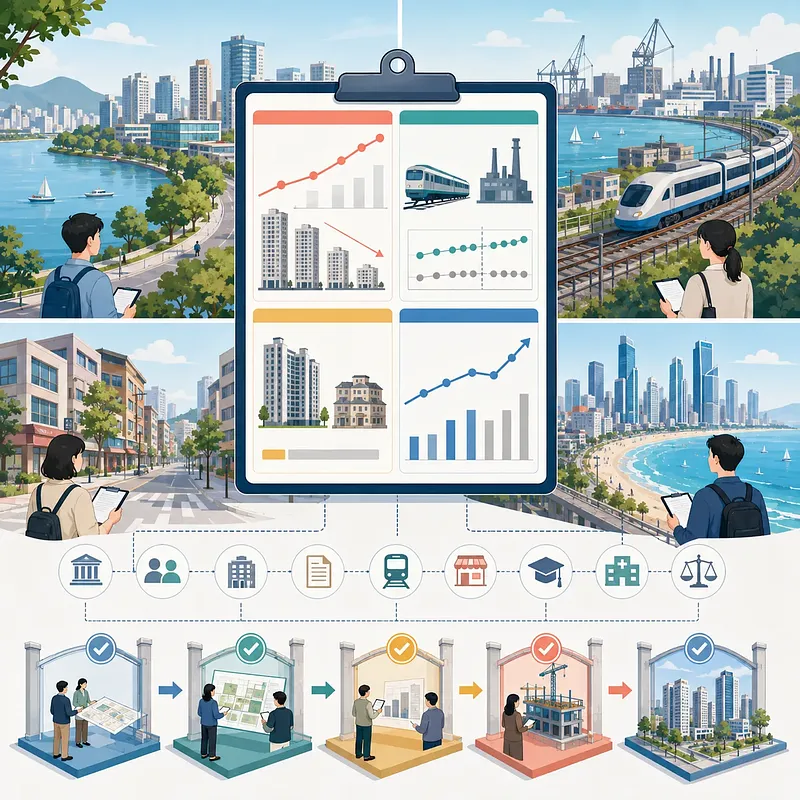
Busan analysts need volume context. The 2026 rebound in consumer sentiment is informative, but it should be assessed alongside actual transaction volume before drawing conclusions about market momentum. The article compares four regional markets through price, supply, transaction, and sentiment indicators. Chuncheon combines a rising price index with declining unsold inventory in June 2026. Donghae’s 3.67 index gap is expressed in points, not as a percentage. Jeonju’s activity is concentrated in new and nearly new properties while move-in supply remains low. It also provides a practical verification framework for summer fieldwork: check actual transaction records, then review each development announcement by project stage and approval status. This helps professionals distinguish observed market data from plans that may still depend on approvals or execution. Professionals evaluating Chuncheon, Donghae, Jeonju, or Busan in summer 2026 should read the regional tour before structuring a site visit. #HousingMarket #SiteVisit

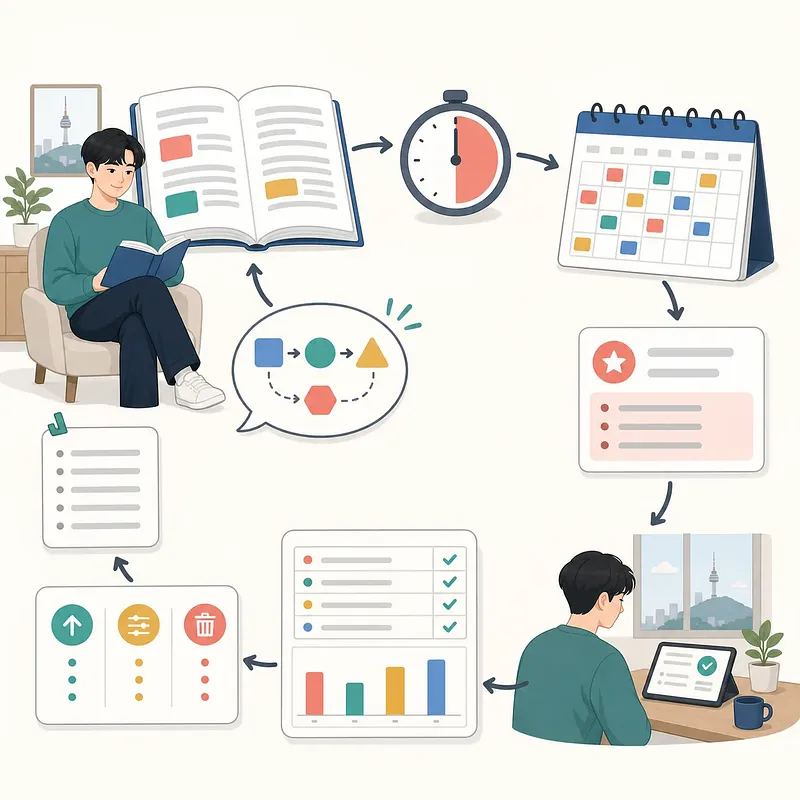
In 24 hours, avid readers test an idea. A small step after closing a book moves learning from information intake toward observable practice, giving readers something concrete to assess. Volume alone may not create change when books are collected, abandoned midway, or consumed without application. This guide offers a repeatable workflow rather than another target for books completed. It lays out a 30-minute daily reading rhythm instead of binge-reading. After each session, a 3-minute explanation or five-line summary checks whether the material is understood. One selected idea is then applied, with results recorded so actions that do not work can be revised or discarded. Professionals and other readers who consume many books without seeing practical change should read the article first. Use it to structure the next book around follow-through, understanding, and evidence from daily life. #Productivity #HabitFormation


Teams track AI agent revision data. Permissions expand only when consistent acceptance criteria are met. Start with frequent, repeatable work whose result a person can review. The operating specification should define the role, input materials, conduct rules, output format, approval chain, and prohibited actions. These boundaries make expected behavior and reviewer responsibility explicit. Initial tests should cover classification and drafting only, without email delivery or schedule changes. Record accuracy, omissions, revision volume, and processing time against consistent criteria. This creates an evidence base for deciding whether the workflow is ready to expand. Increase tool permissions and the number of agents only within the scope that meets the criteria. Teams evaluating automation for reviewable, repetitive work should read the guide before planning a broader deployment. #AIAgents #PromptEngineering


Income earners need a payday system. The routine uses income day as the reference date, then transfers fixed expenses automatically the following day. That creates a repeatable starting point for each pay cycle. A transfer into an investment account is not the final step. The actual products purchased through the ISA and pension savings account should also be confirmed each month. The article explains the role of each of three accounts: a payment account for fixed expenses, a CMA for the remaining reserve funds, and an ISA plus pension savings account for the investment portion. It also lays out the allocation formulas and how to adapt the process under different conditions. For professionals receiving salary or business income, this 30-minute routine can reduce repeated allocation decisions and make monthly cash flow easier to review. Read the article for the complete sequence and account checks. #AssetAllocation #EverydayFinance

Good Friend Standards: Rude Comments and Ending Friendships
One rude comment can test a friendship. Length alone does not make a relationship respectful. Family-structure assumptions and appearance judgments can be genuinely hurtful, while an immediate reaction may also include pain shaped by personal experience. Distinguishing the two supports a more grounded decision. The article offers a practical standard: assess whether the friend respects stated boundaries, can genuinely celebrate good news, and checks in without needing something. These signals help move the decision beyond either tolerating every remark or ending the relationship over one exchange. It also draws an important evidence boundary. A personal health experience or product advertisement should not be treated as proof that a medical treatment works. This is most relevant for people reassessing a longtime friendship after comments about family or appearance. Read the article for a clearer framework before deciding how to proceed. #PsychologicalSafety #DecisionMaking #InterpersonalRelationships