 Injoys
Social
A short written take on each piece of content: what changed and why it matters. Skim the point first, then follow through to the full article only for what interests you. Every take is drawn from real content, so the link takes you straight to the material it is based on.


8.13 Three-Part Youth Housing Support Package: Homeownership, Semi-Jeonse, Jeonse, and Risks to Check
Korea’s August 13 proposal introduces three forms of youth housing finance support: a homeownership loan, a combined guarantee for semi-jeonse and monthly rent, and expanded special youth jeonse loan guarantees. For prospective buyers, the distinction between policy benefits and property risk matters. The proposed Youth Future Bogeumjari Loan targets people aged 39 or younger with annual income of KRW 70 million or less who buy qualifying non-apartment homes priced at KRW 400 million or less. However, the interest rate, LTV margin, fees, income calculation, and application process remain subject to final announcements. The article reviews proposed eligibility, an illustrative repayment calculation, and essential due diligence for non-apartment purchases. #HousingPolicy #RealEstate

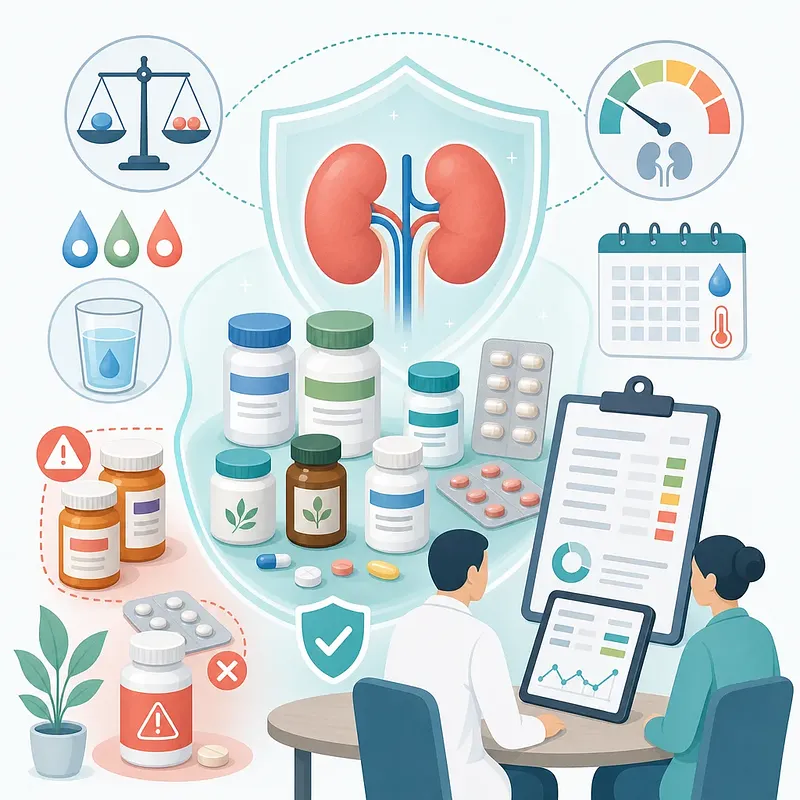
Medication management for kidney protection is about appropriateness—not simply reducing the number of drugs. Necessary prescriptions should generally be continued unless a healthcare professional recommends a change. Regular reviews can identify doses that do not match current kidney function, duplicate prescriptions, and unnecessary over-the-counter medicines or supplements. This article also outlines why dosing assessments may include glomerular filtration rate, electrolytes, hydration status, and drug-specific criteria. It highlights situations in which NSAIDs can increase acute kidney injury risk and explains the value of creating a personalized medication plan for illnesses involving dehydration or difficulty eating and drinking. #KidneyHealth #MedicationSafety #ChronicKidneyDisease

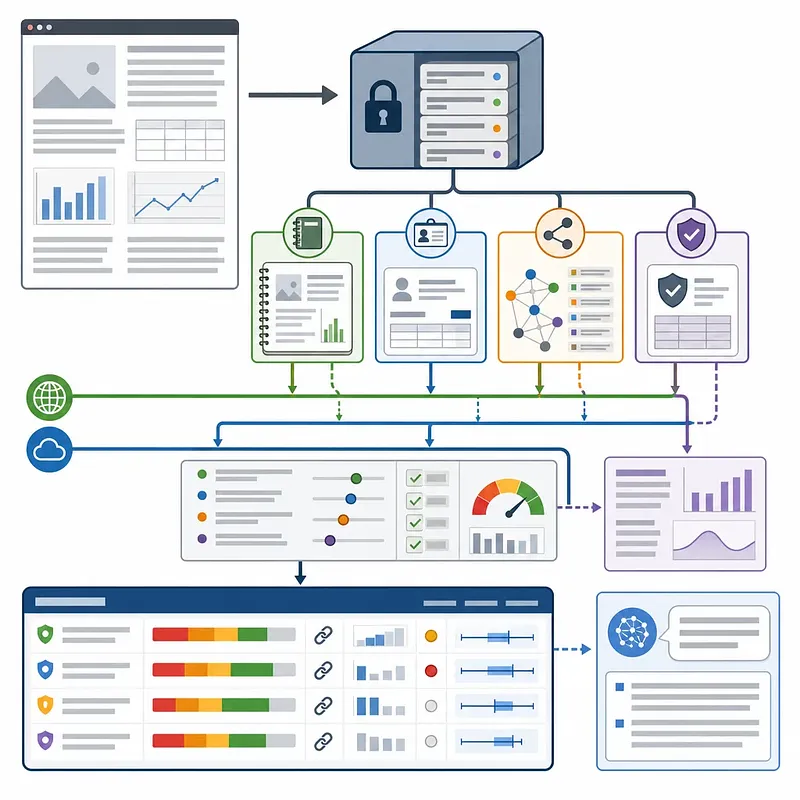
E-E-A-T is not an official Google score or a publicly disclosed formula for generative AI citations. That makes methodology especially important when GEO analysis tools attempt to quantify it. A reproducible approach fixes the webpage snapshot, evaluation rules, weights, and data-source versions. It also evaluates experience, expertise, authoritativeness, and trustworthiness through distinct evidence, keeping self-assertions separate from external verification. Rather than asking an LLM to determine the final score, the article proposes using code with fixed rules for calculation and reserving the LLM for evidence explanation. It also shows why E-E-A-T and AI citation likelihood should remain separate modules—and why every result should include evidence, missing-data status, decision rules, and confidence. #AI #AIDevelopment #TechnologyStrategy

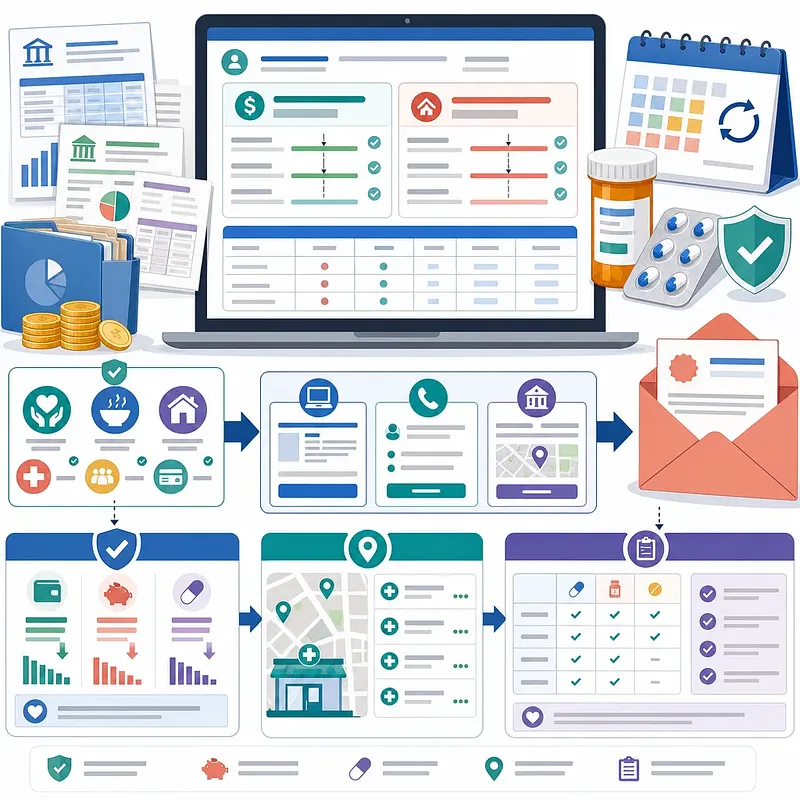
Understanding Medicare Extra Help eligibility can make a meaningful difference in prescription drug expenses. For 2026, the general limits are $23,940 in annual income and $18,090 in assets for individuals, and $32,460 in income and $36,100 in assets for couples. The article explains automatic qualification through Medicaid, certain Medicare Savings Programs, or SSI; documents applicants may need; and how to apply through Social Security at any time. It also covers why people slightly above the limits may still want to apply and what to review in a Part D plan after approval. #Medicare #HealthInsurance


California community college students pursuing additional Cal Grant consideration for 2026–27 should plan around the September 2, 2026 application deadline. The process starts with determining whether the FAFSA or California Dream Act Application applies to your circumstances. Students should gather 2024 income and tax records, household information, and details about their intended college before filing. Submission is only one part of the process. It is also important to confirm that a Cal Grant GPA was electronically reported and to review school, GPA, and award eligibility information through WebGrants 4 Students. The article outlines each step and explains how to identify and correct errors. #CalGrant #FinancialAid

Google's AI Strategy: Why Distribution and Inference Economics Matter More Than Model Competition
Model quality matters, but it is only one component of AI market competition. Google’s strategic position depends heavily on distribution and inference economics: Gemini can be deployed across Search, Android, Chrome, Workspace, and Cloud, while proprietary TPUs may lower the cost of serving responses at scale. The article also explains why advertising assumptions require caution. The presence of ads in AI Overviews does not prove that longer AI answers automatically generate more revenue. A stronger assessment focuses on user retention, task success rates, cost per response, and changes in existing search revenue. These operating metrics may reveal more than benchmark rankings alone. #AI #GenerativeAI