Social
A short written take on each piece of content: what changed and why it matters. Skim the point first, then follow through to the full article only for what interests you. Every take is drawn from real content, so the link takes you straight to the material it is based on.

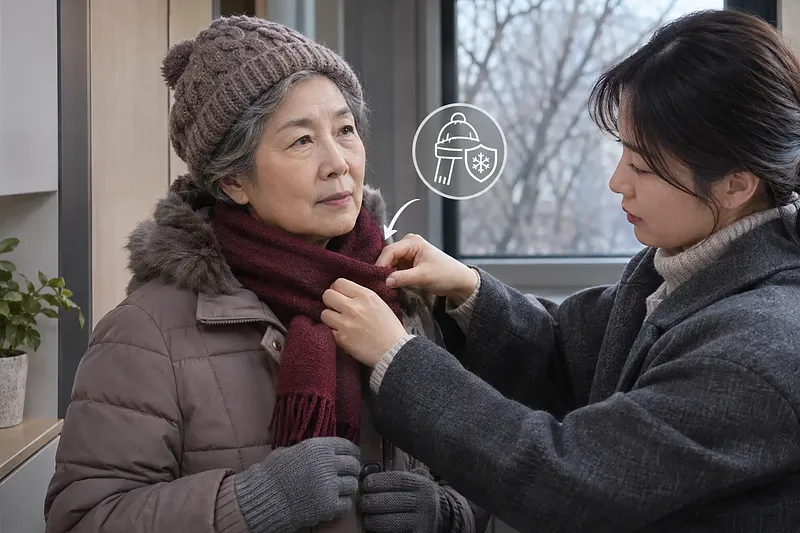
Carers plan for Oct-Apr cold waves. Alerts may be issued during these months when a sharp temperature drop or persistent severe cold is expected. For families supporting older adults or people with cognitive impairments, the guide connects forecasts with practical checks on outing plans and indoor warmth. These checks help make cold-weather care easier to plan. It also sets out home precautions: insulating water meter boxes and exposed pipes to help prevent freeze damage, including preparation for an extended absence. Carers coordinating these checks can start with the article. For current conditions, it points to the Korea Meteorological Administration's Weather Nuri, where cold wave impact forecasts provide the latest alerts and response guidance.

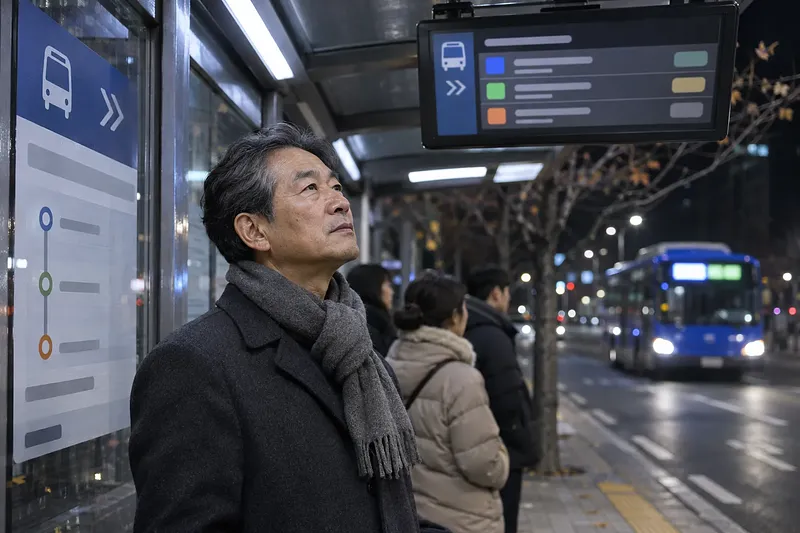
1,500 won is a trunk bus rider's fare. In Seoul, that is the standard base fare for trunk and branch buses, whether paid by card or cash. The fare still needs to be checked against bus type and age group. Youth and children's transit cards should also be checked for discount registration, rather than treating the standard fare as the amount for every passenger. The article sets out a sequence: confirm the route and direction, check the estimated arrival time, and have a transit card ready. Tapping the same card when boarding and getting off is part of the transfer process; transfers must stay within the valid window. For people planning Seoul bus journeys, these steps mean less guesswork before boarding. The guide can help match the fare and card use to the trip.

Poetry scholars trace family support. Heo Nanseolheon's family of writers broadened her opportunities in Joseon. Women's literary activity was restricted, so that educational setting helps explain her opportunities to write. Her poems should not simply be treated as autobiography: the poor female speaker in Binnyeoeum should not be equated with an author from a yangban, or elite, family. The article separates the conditions in which she wrote from the later preservation of her poems. Gyujanggak bibliographic records document Heo Gyun's role as compiler, distinct from Heo Nanseolheon's authorship. Compilation in 1590 and the publication of a Joseon woodblock edition in 1608 were separate events. Researchers and readers of Joseon literary history can use these distinctions to avoid confusing poetic voice with biography, or compilation with publication. The article offers the fuller account of her life and how her work was passed down.


Park golf groups check access rules. Busan resident priority depends on the day of the week, even at these free courses. There is no course fee to budget for a planned outing to Samnak, Hwamyeong and Daejeo. Entry is first-come, first-served on site for each 9-hole round. The article explains how to find course and visitor information on the Busan Park Golf website, then check same-day closures and reopenings in Nakdong River Management Headquarters notices. It also lists what to bring: a physical ID with a photo and address, plus park golf equipment. Visitors planning a round at these three Busan courses can read the article for the preparation steps and on-site entry process.


18+ US adults can seek Tabletop access. Entry is staged through a waitlist, with no specified approval timing or official launch date. Google unveiled the experimental Google Labs service on November 11, 2026. It supports real-time group collaboration through meal polls, expense-splitting tools and tournament brackets. Groups can use these tools to choose meals together, divide shared costs or organize a tournament. Pricing and usage limits remain undisclosed. Google has also not announced a South Korean launch schedule or Korean language support. Future pricing and launch details need confirmation from Google, rather than assumptions based on the unveiling. US adults considering a group collaboration tool can read the article to weigh the supported uses against the current access conditions.

OpenAI ChatGPT Wallet rolls out to US Pro users
US Pros face Wallet eligibility rules. An eligible US-issued card is not enough: the terms require US residency and use within the US. OpenAI said the ChatGPT Wallet rollout at dots began on November 13, 2026, in the United States. A US credit-card billing address is also required. Users approve purchases through biometric authentication, such as Face ID or Touch ID. The article distinguishes confirmed access conditions from unanswered questions. The official documents reviewed did not specify a Korea launch schedule, separate usage fees or payment processing fees, or limits on purchase amounts or the number of purchases. Unspecified does not mean free or unlimited. For US Pro users with eligible US-issued cards, these distinctions help separate access checks from assumptions about fees and limits. Read the article for the eligibility breakdown; consult OpenAI's official Wallet terms and announcements for updates on unresolved details.