Social
A short written take on each piece of content: what changed and why it matters. Skim the point first, then follow through to the full article only for what interests you. Every take is drawn from real content, so the link takes you straight to the material it is based on.

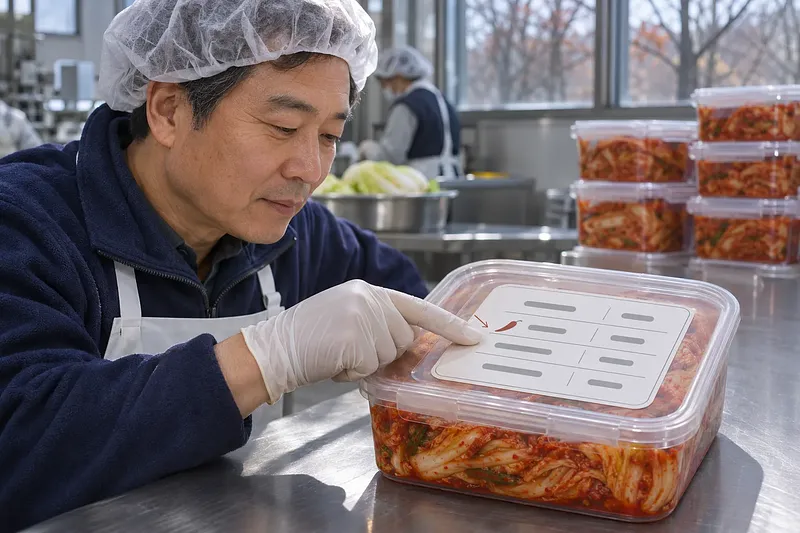
Salted Napa Cabbage Origin Labeling Rules: Cabbage and Salt
A kimchi maker adds chili powder. For napa cabbage kimchi made in Korea, that choice determines which ingredient origins must appear on the label. The label must give the origins of the chili powder and the salt. Set those two aside, then rank the remaining ingredients by their share of the mix. The label must also give the origins of the two with the largest shares. Salted napa cabbage made in Korea with just cabbage and salt has a simpler rule. Listing each origin separately lets a buyer check where the salt came from even when the cabbage was grown elsewhere. For teams preparing online listings, the article explains where shoppers should find the origin label and what directions to give when it opens in a separate window.


Gemini teams wonder about quotas. Google confirmed file range selection and left open whether separate API call limits apply to each file type. Starting November 23, 2026, Google said developers could select a range through Google AI Studio or the Gemini API. When a task depends on one section of a file, the developer can specify just that section for processing. File range selection only partly helps teams estimate how many calls a workflow can make. Google's API documentation is the place to check the limits that apply. Teams planning to use the feature in Korea may want to read the article before assuming local access. It explains what Google announced and which regional detail it left open.


A silkworm keeps up with a group chat. The familiar setting gives families a clue when they read this dad joke aloud. How did the silkworm keep up with the group chat? It followed the thread. In a group chat, following a thread means keeping up with a conversation. A silkworm spins a thread of silk. Once both meanings are clear, even someone hearing the expression for the first time can see why this particular insect belongs in the joke. For families taking turns as joke teller, the article pairs each of its 12 questions and answers with a one-line explanation. Try another together and listen for the clue in the insect’s sound or the way it moves.

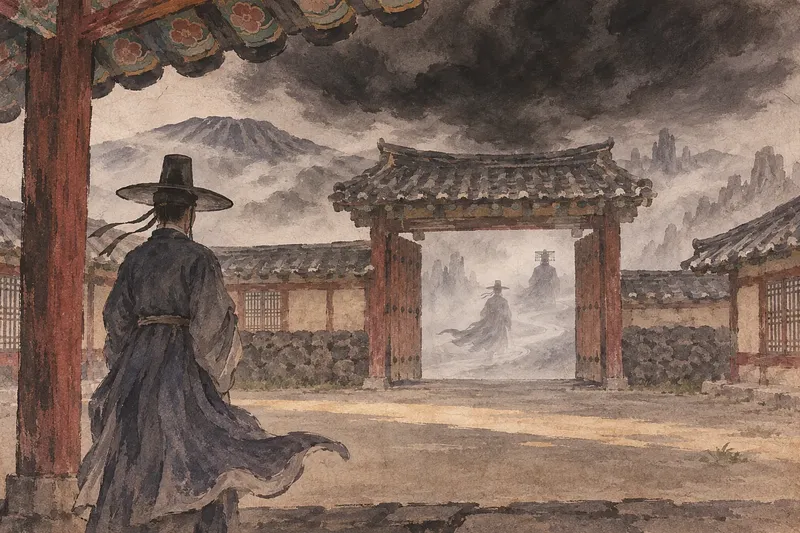
Gangnim recognizes Dongbangsak. Kim Deok-sam includes that encounter in Chasa Bonpuri, a traditional tale from Jeju. Park Bong-chun leaves it out. That difference affects how Gangnim is described. In Kim Deok-sam's telling, recognizing Dongbangsak earns Gangnim the title Bondang Chasa. Naming the teller makes clear where that account of the title comes from. The article also places the story in two Jeju rites, Gwiyangpuri and Siwangmaji. In both, people sing of the reaper's beginnings before asking him to guide the dead safely to the afterlife. For readers teaching or comparing folktales, the article traces Gangnim's errand for the magistrate and shows where the two tellings differ.
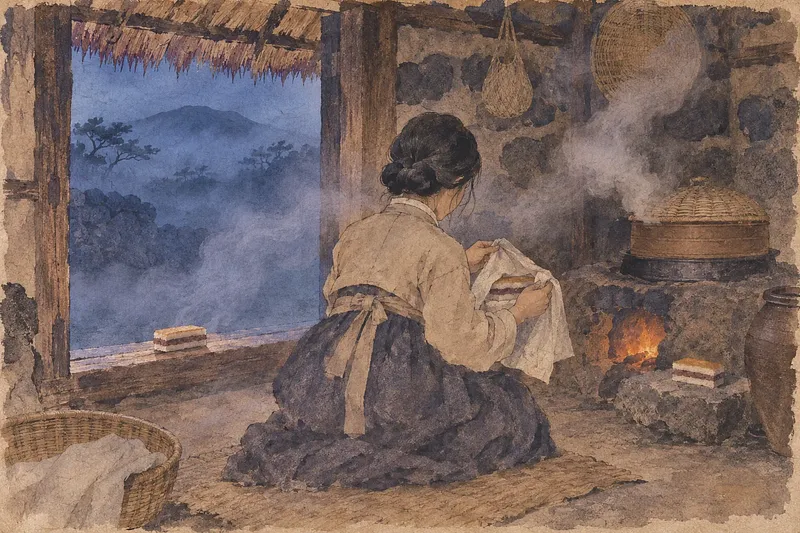
33 names appeared on the declaration. Choe Nam-seon drafted the text. The national representatives named on it came from three religious communities. The distinction helps explain who did what on March 1, 1919. Of the 33 representatives from the Cheondogyo, Christian and Buddhist communities, 29 held a declaration ceremony at Taehwagwan in Seoul. Tapgol Park was the site of a separate reading. There, students and citizens took to the streets after hearing the declaration read. Religious contacts made beforehand also help explain how Pyongyang and Sonchon saw protests on the same day as Seoul. The article follows the declaration from the Boseongsa printing shop to those who carried it beyond Seoul, showing who took part in the independence movement.

OpenAI and Cisco Release Shirudo for Linux
Teams weighing Shirudo have one case. OpenAI reported a blocked exploit attempt and gave no independent validation results from production. In OpenAI's account, rules created by Codex blocked an attempt to exploit Java4Shell without restarting Elasticsearch. The rules took effect while Elasticsearch was in use, a detail for teams assessing how to protect a running service. OpenAI and Cisco released the open-source Linux runtime on November 24, 2026. The announcement gave no timeline for an official release and left the availability and cost of commercial technical support open. The article pairs the reported result with a local question for teams considering a Linux deployment in Korea. Dedicated support for Korea has yet to be confirmed.