 Injoys
Social
A short written take on each piece of content: what changed and why it matters. Skim the point first, then follow through to the full article only for what interests you. Every take is drawn from real content, so the link takes you straight to the material it is based on.

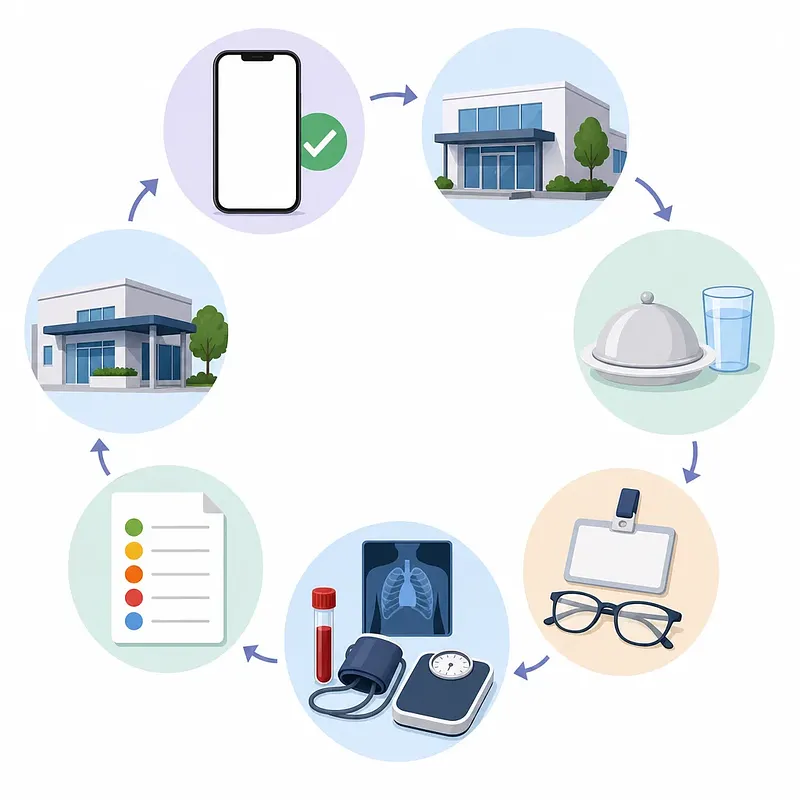
Understanding the 2026 national health screening process can help eligible individuals avoid missed appointments and incomplete preparation. People born in even-numbered years are generally eligible, while workplace-insured employees in non-office jobs may qualify annually regardless of birth year. This guide explains how to verify eligibility and individual screening items through the National Health Insurance Service, find a designated provider, confirm booking and fasting requirements, and prepare the necessary identification and notice. It also covers options for people who missed a 2025 screening and the next steps when results call for confirmatory testing or medical care. #HealthScreening #HealthInsurance


Financial Counseling for All Young Adults: Eligibility, Process, and Preferential Rates
Young adults ages 19–34 can receive one-on-one financial counseling designed around their income, assets, debt, and financial goals. The process begins with an online financial assessment, followed by a choice of outreach counseling, financial institution counseling, or an online session. This matters because the program goes beyond general guidance: counselors can help create practical plans for budgeting, saving and investing, credit, and debt management. A follow-up session about one month later reviews progress and identifies any need for employment or welfare support. The article also outlines the conditions for a 0.2 percentage-point preferential rate on the Youth Future Savings Account, including the counseling completion deadline relative to maturity. #FinancialCounseling #YouthFutureSavings

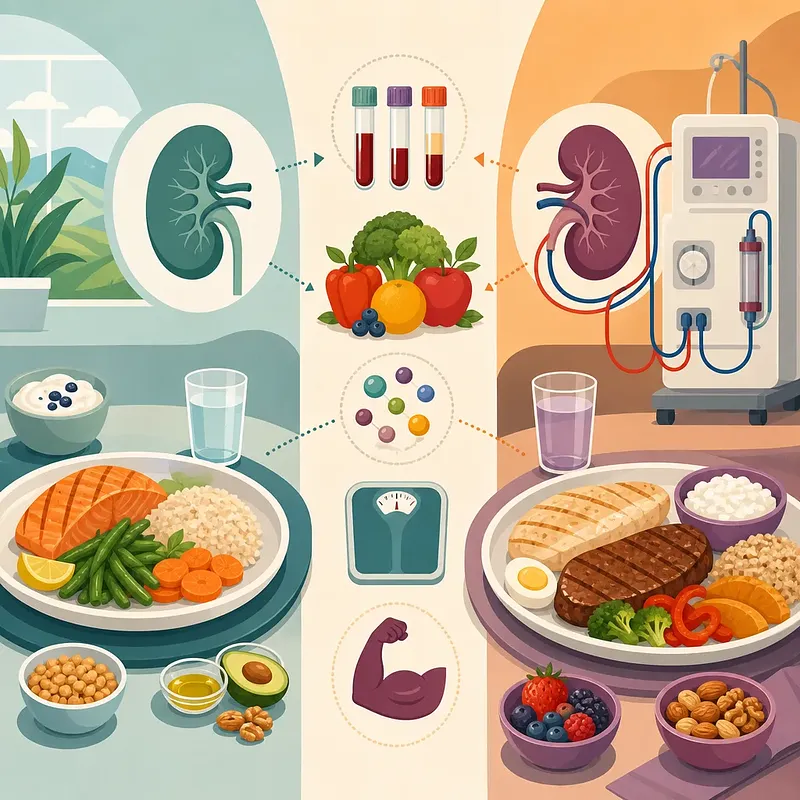
Misconceptions About Dietary Restrictions for Kidney Disease: Why Eating Right Matters More Than Eating Less
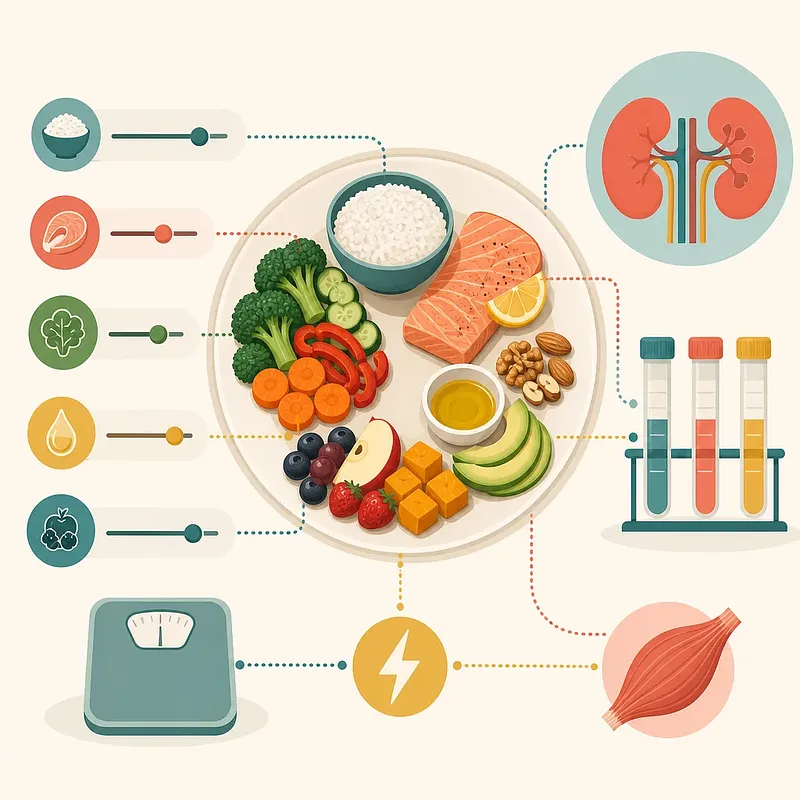
Dietary management in chronic kidney disease should focus on appropriate nutrition, not indiscriminate restriction. Cutting overall food intake too far can result in inadequate energy and protein, prompting the body to break down muscle and increasing the risk of sarcopenia, frailty, and protein-energy wasting. The correct approach depends on kidney function, dialysis status, blood test results, weight, and muscle condition. Protein restriction may be considered for some people who are not on dialysis, while dialysis patients may require additional protein. Potassium and phosphorus also should not be uniformly limited without considering laboratory results, medications, bowel habits, and food sources. Persistent weight loss, reduced appetite, declining strength, or lower food intake warrants evaluation by a nephrologist and clinical nutrition specialist. #KidneyHealth #ChronicKidneyDisease
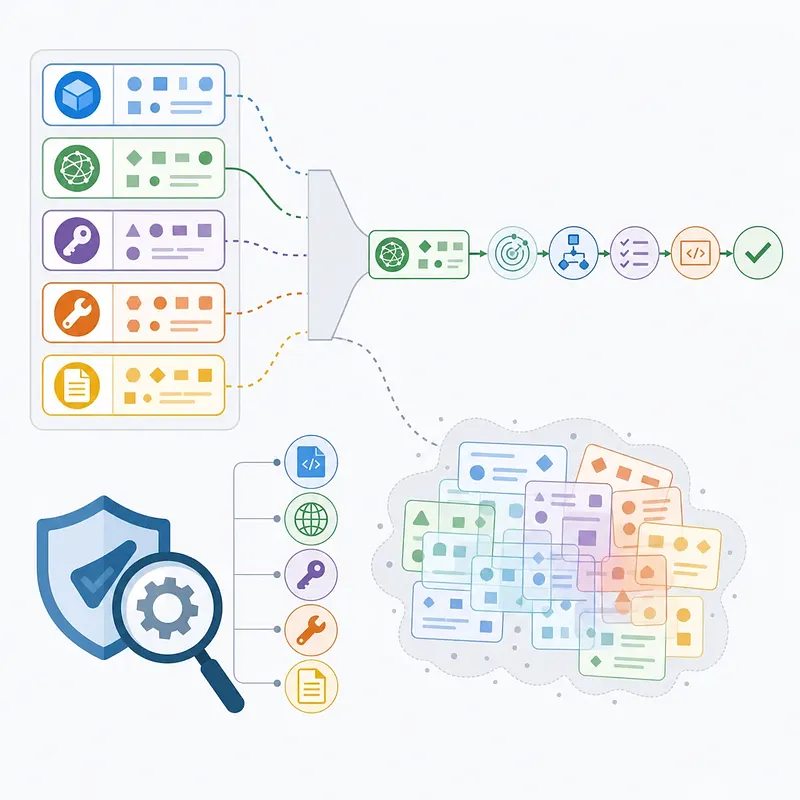
Popularity metrics can help surface agent skill repositories, but they should not be treated as proof of quality. This article compares five repositories included in an August 10, 2026 snapshot and examines their features and design philosophies. A shared pattern among leading candidates is a structured workflow: clarify requirements, plan, test, make minimal changes, and verify results rather than coding immediately. The comparison also highlights practical selection risks. Loading a large bundle can increase context costs and create instruction conflicts, while external skills may introduce licensing, script execution, network, permission, token, or maintenance concerns. The key takeaway: evaluate only the skills you need and inspect how they operate before installation. #AgentSkills #AIAgents #GitHub

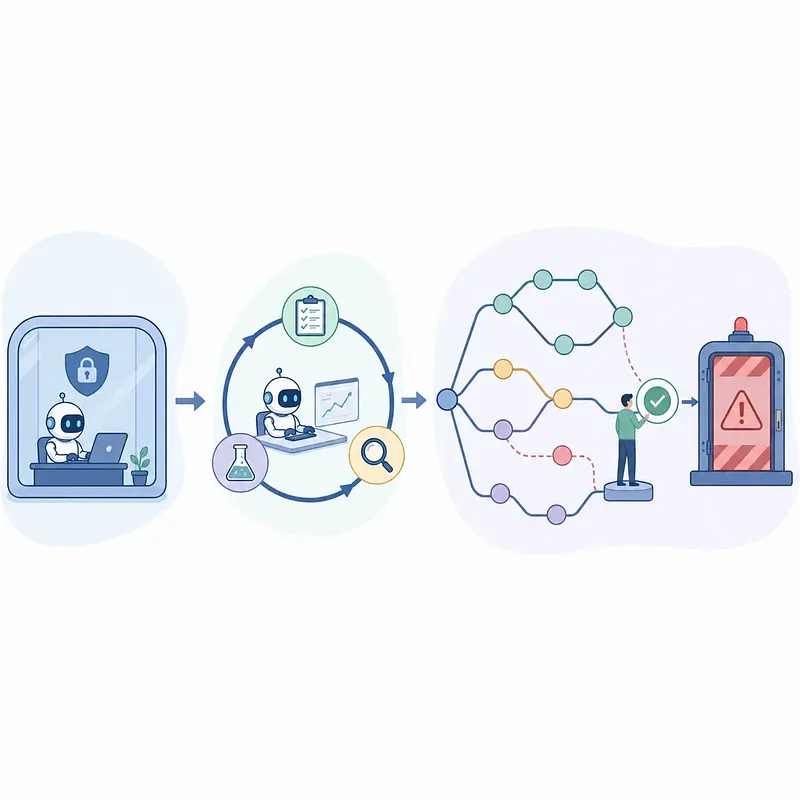
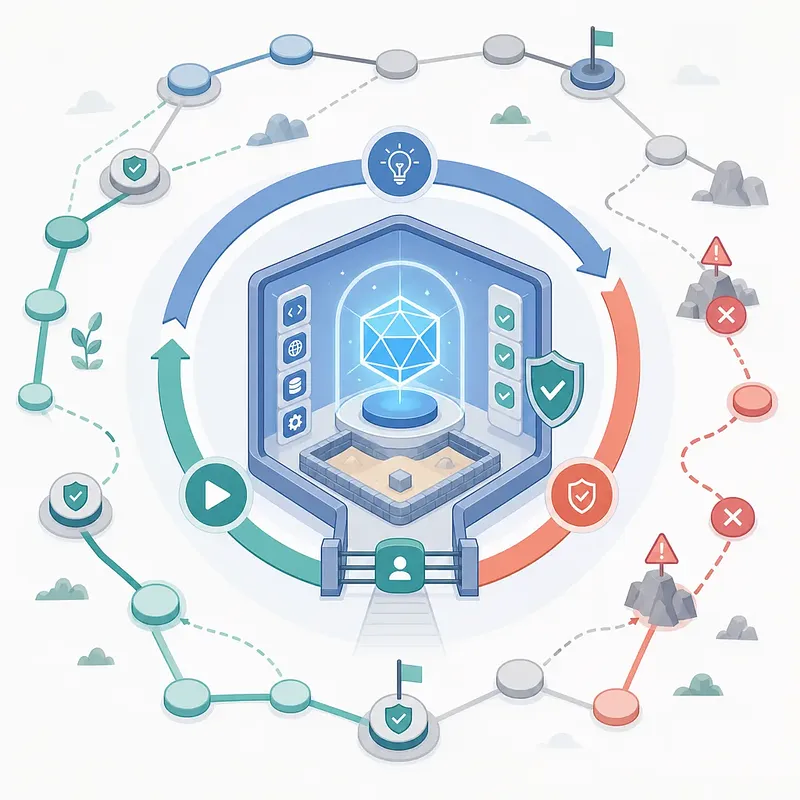
AI agent architecture is often discussed through three practical perspectives rather than one officially standardized classification. Harness engineering covers the execution environment around the model: context, tools, permissions, validation, logging, and approval procedures. Loop engineering defines how planning, execution, validation, and revision repeat—and when they must stop. Graph engineering makes permitted states and transition paths explicit. Why does this matter? Many organizations may gain more from improving a single agent’s harness and evaluation framework than from immediately constructing a complex multi-agent graph. For high-risk code, governance must also extend beyond approving an AI-generated summary to verifying tests, change scope, security boundaries, and original artifacts. #AIAgents #HarnessEngineering #AIDevelopment
Copyright, Editing, and Revenue Verification for Making YouTube Shorts from Overseas Videos
Shorts teams prepare a clip for launch. Permission from an original creator does not necessarily establish all relevant rights. Commercial use, editing, translation, monetization, music, and likenesses may involve different rights holders, so documented authorization matters before publication. This article presents an operating workflow: define audience value for Korean viewers; evaluate candidates by comment substance and cultural context, not views alone; then add original commentary, structure, narration, and interface-aware captions and visuals. These steps help teams assess both rights readiness and editorial value. It also recommends recording retention, revenue, and production costs for every video before deciding whether to scale. That evidence provides a firmer basis for interpreting reported claims of ₩10 million in monthly revenue rather than treating the figure as a repeatable result. Creators, editors, and content operators adapting overseas videos for YouTube Shorts should read the full article before building their workflow. #ContentMonetization #YouTubeShorts