Social
A short written take on each piece of content: what changed and why it matters. Skim the point first, then follow through to the full article only for what interests you. Every take is drawn from real content, so the link takes you straight to the material it is based on.

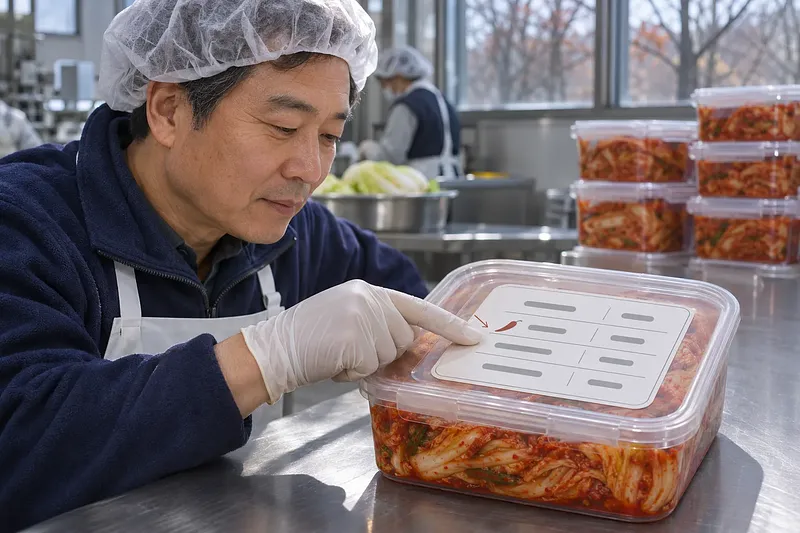
Salted Napa Cabbage Origin Labeling Rules: Cabbage and Salt
A kimchi maker adds chili powder. For napa cabbage kimchi made in Korea, that choice determines which ingredient origins must appear on the label. The label must give the origins of the chili powder and the salt. Set those two aside, then rank the remaining ingredients by their share of the mix. The label must also give the origins of the two with the largest shares. Salted napa cabbage made in Korea with just cabbage and salt has a simpler rule. Listing each origin separately lets a buyer check where the salt came from even when the cabbage was grown elsewhere. For teams preparing online listings, the article explains where shoppers should find the origin label and what directions to give when it opens in a separate window.

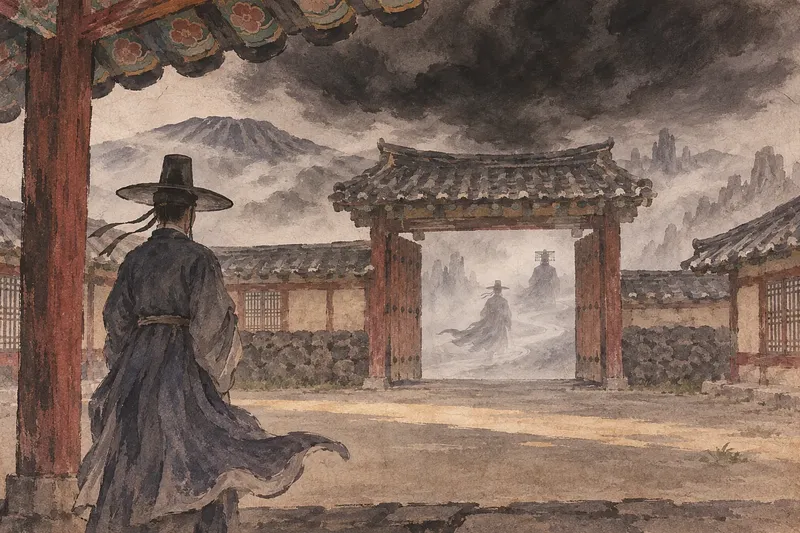
Gangnim recognizes Dongbangsak. Kim Deok-sam includes that encounter in Chasa Bonpuri, a traditional tale from Jeju. Park Bong-chun leaves it out. That difference affects how Gangnim is described. In Kim Deok-sam's telling, recognizing Dongbangsak earns Gangnim the title Bondang Chasa. Naming the teller makes clear where that account of the title comes from. The article also places the story in two Jeju rites, Gwiyangpuri and Siwangmaji. In both, people sing of the reaper's beginnings before asking him to guide the dead safely to the afterlife. For readers teaching or comparing folktales, the article traces Gangnim's errand for the magistrate and shows where the two tellings differ.
33 names appeared on the declaration. Choe Nam-seon drafted the text. The national representatives named on it came from three religious communities. The distinction helps explain who did what on March 1, 1919. Of the 33 representatives from the Cheondogyo, Christian and Buddhist communities, 29 held a declaration ceremony at Taehwagwan in Seoul. Tapgol Park was the site of a separate reading. There, students and citizens took to the streets after hearing the declaration read. Religious contacts made beforehand also help explain how Pyongyang and Sonchon saw protests on the same day as Seoul. The article follows the declaration from the Boseongsa printing shop to those who carried it beyond Seoul, showing who took part in the independence movement.


A breach alert flags a saved password. Check which site the alert names. A reuse alert tells you which saved accounts share a password. In Google Password Manager, open Checkup to see the site names associated with each alert. On an iPhone, open Security in the Passwords app. The names give you a list of accounts to work through. Open each site's account settings and choose a password you use nowhere else. Save the updated login in your password manager, then run the check again. Remaining reuse alerts flag accounts that still need changes. If you also need to know whether a specific password appears on a public list of leaked passwords, the article walks through that separate check in My Information Security Check.

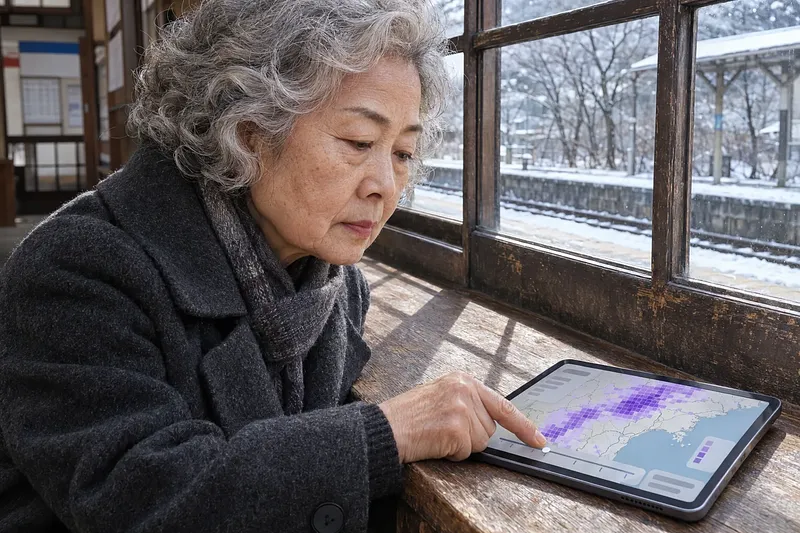
Japan 6-Hour Snowfall Forecast Map and Heavy Snow Warnings
The snow forecast covers 6 hours. For teams planning travel in Japan, the Korean-language map can help assess conditions before departure. On November 12, 2026, the Japan Meteorological Agency added short-term snowfall forecasts to its preparedness pages in 15 languages, including Korean. The forecast updates hourly and gives an average for each area, about 5 km on each side. The selected time matters when planning a stop. On the map, “6-hour snowfall” gives the amount of new snow over the 6 hours ending at that time. Moving the time forward shows how much new snow is forecast by the expected arrival time. If you coordinate travel in Japan, the article explains how to pair the map with the separate Weather Warnings and Advisories table to check each stop for heavy snow or blizzard warnings.
OpenAI and Cisco Release Shirudo for Linux
Teams weighing Shirudo have one case. OpenAI reported a blocked exploit attempt and gave no independent validation results from production. In OpenAI's account, rules created by Codex blocked an attempt to exploit Java4Shell without restarting Elasticsearch. The rules took effect while Elasticsearch was in use, a detail for teams assessing how to protect a running service. OpenAI and Cisco released the open-source Linux runtime on November 24, 2026. The announcement gave no timeline for an official release and left the availability and cost of commercial technical support open. The article pairs the reported result with a local question for teams considering a Linux deployment in Korea. Dedicated support for Korea has yet to be confirmed.