 Injoys
Social
A short written take on each piece of content: what changed and why it matters. Skim the point first, then follow through to the full article only for what interests you. Every take is drawn from real content, so the link takes you straight to the material it is based on.


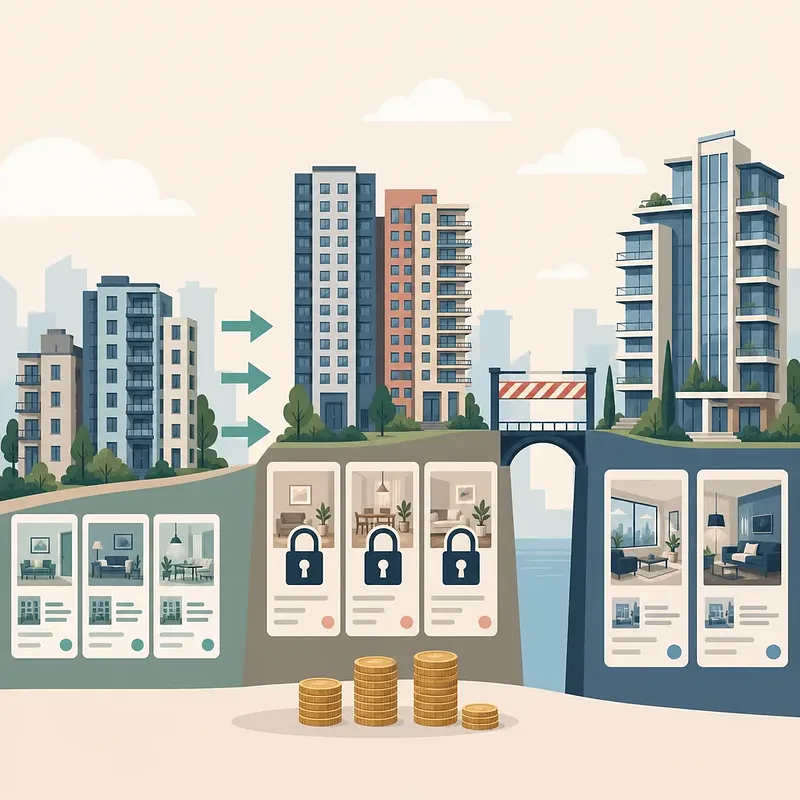
Apartment strength in the KRW 1.5–2.5 billion range may reflect both constrained supply and demand moving up from lower price brackets. Under the price-tiered mortgage framework announced in October 2025, nominal loan caps decrease as home prices rise within covered areas. Yet the stated cap is not the amount every buyer can borrow: LTV, stress DSR, income, existing debt, and lender reviews still apply. If upgrading requires substantially more cash, owners may postpone moving and withhold their current homes from sale, contributing to listing lock-in. However, isolated record transactions—especially in a low-volume market—cannot prove either a broad price increase or a direct regulatory effect. Reliable analysis should track volume, comparable repeat transactions, listings, cancellations, and financing costs. #ApartmentMarket #LoanRegulations

Comparing back-to-school costs across Spanish-speaking regions requires more than checking listed prices. Quantities, shipping, durability, reusability, and school requirements can all change the real value of a purchase. This guide presents a consistent way to evaluate essential supplies, aesthetic stationery, bundles, plastic covers, and giveaways. It explains why a low unit price may not save money when only part of a bundle is needed, how to assess reusable products over their useful life, and which details to verify independently before relying on a giveaway post. A practical framework can help families distinguish genuine value from an attractive headline price. #SchoolSupplies #LivingExpenses


Air-conditioner efficiency cannot be determined from labels such as “cooling” or “dehumidification” alone. Weak-cooling dehumidification removes moisture by cooling the air, while reheat dehumidification warms the cooled air again and may consume more power under comparable conditions. The same caution applies to advice about leaving an air conditioner running during short outings: experimental results reflect specific weather and housing conditions, not a universal time threshold. For meaningful cost comparisons, measure cumulative kWh over the same period. When planning summer travel in Japan, review WBGT and official heatstroke warnings as well as temperature, particularly during tropical nights affected by urban heat retention. #EnergyEfficiency #AirConditioning #HeatSafety


The distinction between advertising and content is becoming less useful. In 2026, stronger marketing systems will connect UGC, creator partnerships, branded content, and owned media—while recognizing that each serves a different role based on reach, control, cost, and audience fit. Measurement must evolve as well. A month-over-month sales increase is not automatically an incremental effect. Seasonality, pricing, promotions, and distribution changes can all influence the result. This article explains how platform attribution, holdout and geographic experiments, brand research, and marketing mix modeling can be combined according to their intended purposes. #MarketingMeasurement #ContentMarketing


The 2026 UK A-level results day falls on August 13, and a structured plan can make UCAS Clearing easier to navigate. This practical timeline explains how to search for available courses, prepare for university calls and register a Clearing choice. It also notes that Manchester expects to publish its full Clearing course list at around 5 p.m. BST on August 12, although courses and remaining places may continue to change. The guide highlights important follow-up actions too: once a university change is confirmed in UCAS, students should update the relevant Student Finance authority and review the contract terms for both existing and new accommodation. It also clarifies why contextual Clearing eligibility cannot be determined by postcode alone. #UCASClearing #UniversityAdmissions

Is It Illegal for a Child to Use a Parent's Credit Card? Card Transfers and Gift Tax Rules
Allowing a child to use a credit card issued in a parent’s name can create both legal and tax issues—even when the cardholder has given consent. This article examines how unrestricted use may violate card terms and when transferring the card and authority to use it could result in criminal penalties. It also explains why a single payment made on another person’s behalf does not automatically establish a transfer offense; the full circumstances matter. On the tax side, ordinary living or educational expenses may be exempt from gift tax when the child needs support and the funds are spent directly for those purposes. The article also clarifies that deductions of 50 million won for adult children and 20 million won for minors apply over a 10-year period, rather than as annual tax-free card-use limits. #GiftTax #FinancialLaw #CreditCard