 Injoys
Social
A short written take on each piece of content: what changed and why it matters. Skim the point first, then follow through to the full article only for what interests you. Every take is drawn from real content, so the link takes you straight to the material it is based on.

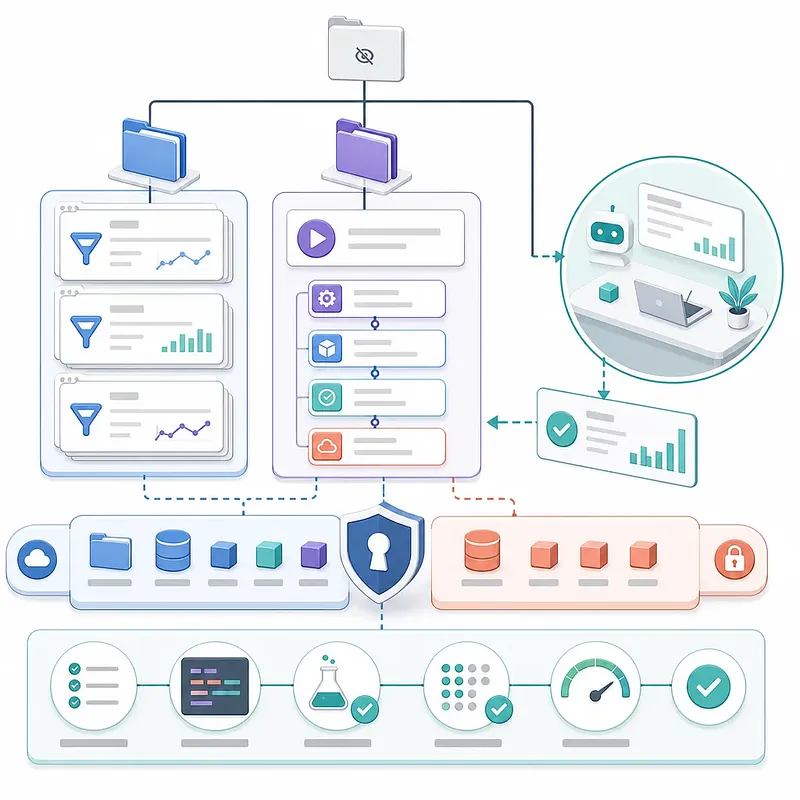
Claude Code Rules, Skills, and Agents solve different context-management problems. Treating them as interchangeable can make configurations harder to maintain and review. This guide shows how to structure a project-level `.claude` directory, place persistent standards under `.claude/rules`, define recurring procedures in `.claude/skills/<name>/SKILL.md`, and delegate tasks with independent roles and context through `.claude/agents/<name>.md`. It also explains shared versus personal scope, path-limited rules, automatic versus explicit skill invocation, and small validation tasks for checking loading behavior, tool permissions, and result quality before team adoption. #ClaudeCode #ContextEngineering #AICoding

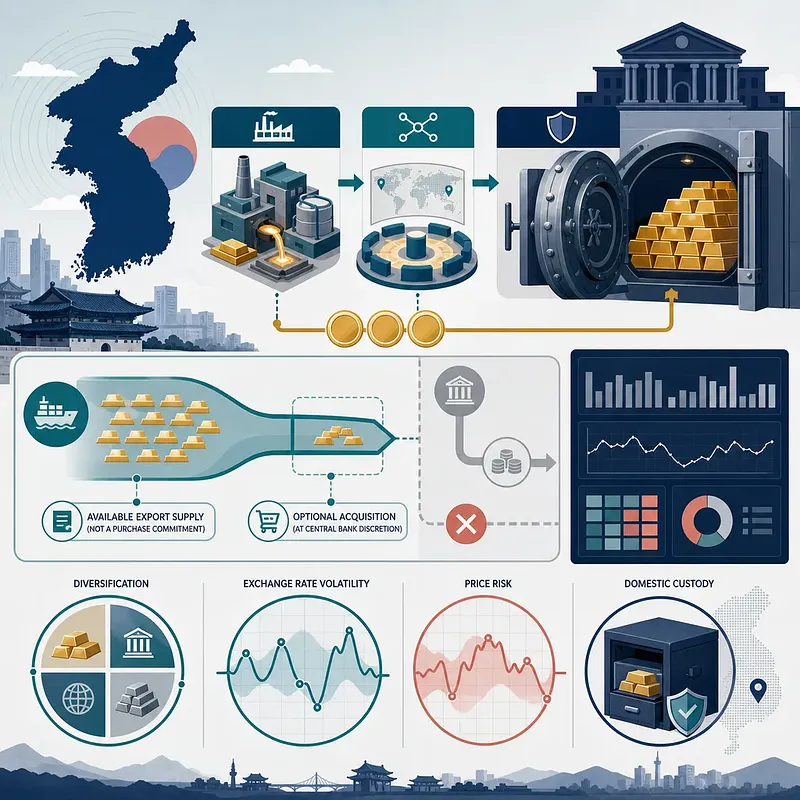
The Bank of Korea is considering a new procurement channel for physical gold in 2026, potentially adding to the 104.4 tonnes it currently holds. The proposed structure would purchase domestically refined, export-bound gold in won through negotiated OTC block trades. Why it matters: won settlement could reduce direct pressure on the foreign exchange market, while domestic storage may support reserve diversification. However, the widely cited 4–5 tonnes represents potential annual supply—not a guaranteed purchase volume. Gold prices, exchange rates, and storage risks remain important considerations. For investors, this is best understood as a long-term reserve-management development rather than a short-term buying signal. #Gold #AssetAllocation #BankOfKorea

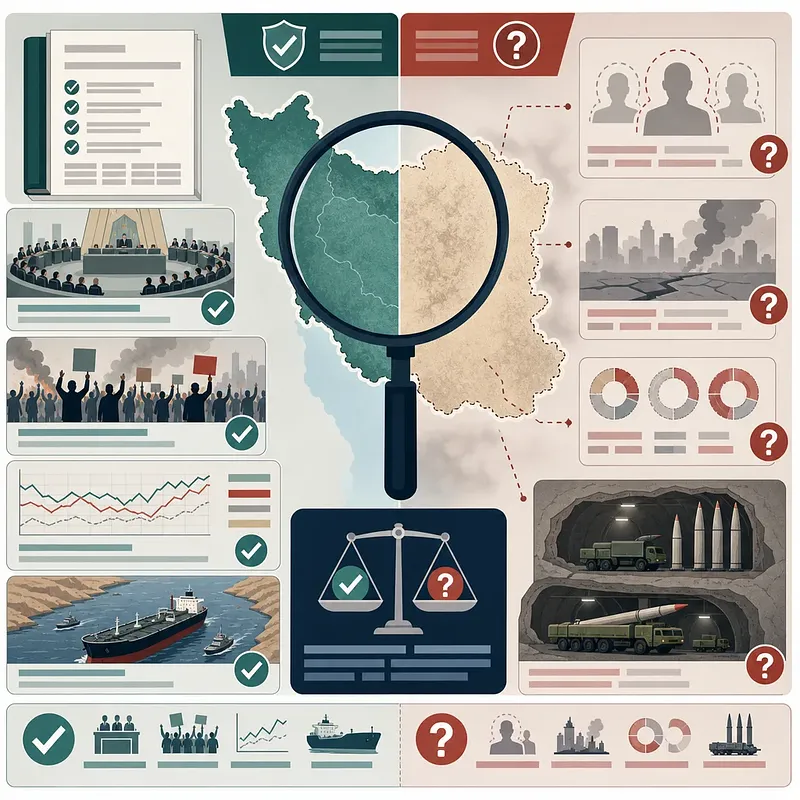
Assessments of political instability can become misleading when verified developments and unsupported predictions are presented together. This article evaluates prominent claims about Iran using its constitution, international investigations, energy statistics, and military analysis. It explains why the office of Supreme Leader does not automatically pass from father to son, distinguishes documented IRGC influence from broader claims of total economic control, and examines the limits of outside estimates concerning underground missile bases and launch capacity. The distinction matters for analysts, investors, and policy observers: economic hardship and elite tensions indicate vulnerability, but they are not sufficient evidence of imminent regime collapse or war. #Geopolitics #Iran

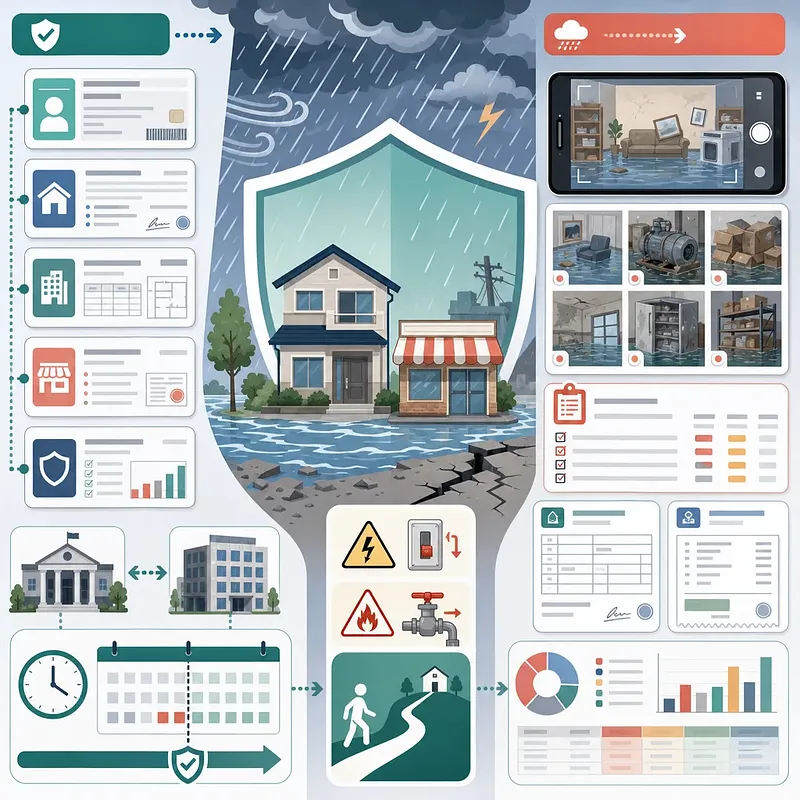
Storm, flood, and earthquake damage can create significant financial pressure for households, tenants, and small businesses. Government-backed disaster insurance may provide protection, but enrollment must be completed before damage occurs because coverage is not retroactive. This guide explains how to identify the property to insure, prepare identification and property or business documents, verify the premium subsidy and deductible, and confirm the exact date and time coverage begins. It also outlines practical claim steps: prioritize safety, record damage with photos and videos, list affected items, and notify the insurer promptly. Advance confirmation with the relevant community service center or participating insurer can prevent costly misunderstandings. #DisasterPreparedness #Insurance

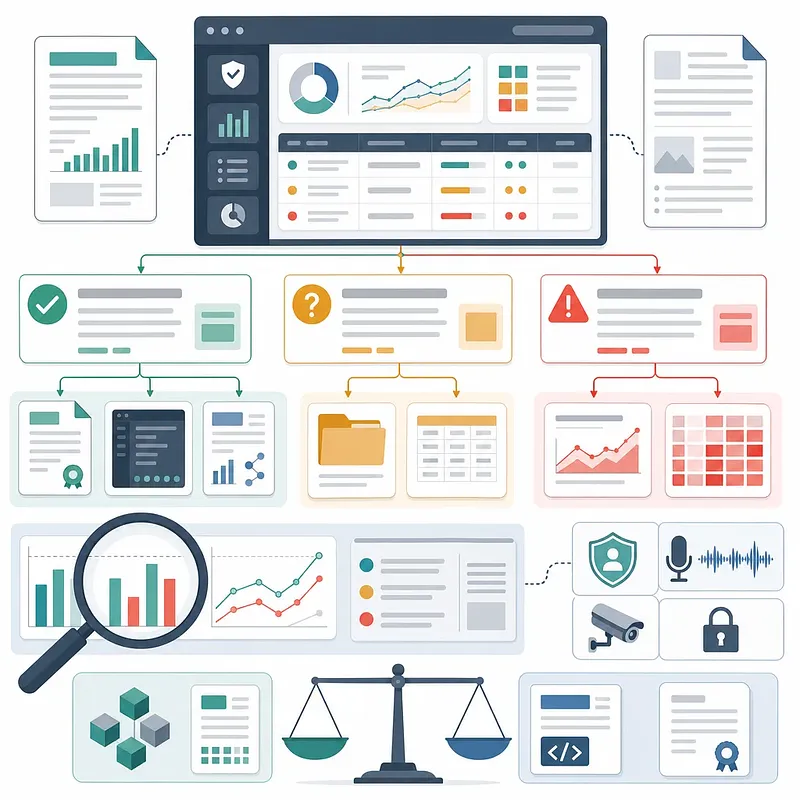
AI claims need primary-source checks. Reported names such as Grok 4.6, GPT-5.6 Soul, and Gemini 3.7 Flash remain unconfirmed unless official company documentation supports them. Benchmark rankings can be misleading when scores from different testing conditions are combined with leaks, previews, or promotional statements. Release status, tools, prompts, and evaluation methods must be considered before drawing performance conclusions. This report sets out a practical evidence hierarchy: company announcements, model cards, and API documentation for names, prices, and capabilities. It also explains why open weight means access to model weights, not automatic access to source code or permission for free and commercial use. Security claims involving surveillance, crime reporting, voice cloning, and hidden-reasoning extraction require technical facts to be separated from legal and ethical interpretations. Professionals evaluating AI model news, benchmarks, or security claims can use the report to assess evidence more consistently.

The Illusion of Multitasking: How Task-Switching Costs Undermine Your Work
Complex multitasking is often misunderstood. Rather than processing two demanding tasks simultaneously, people typically switch between them—suppressing one set of rules, retrieving another, and carrying attention residue from the previous activity. These cognitive costs can slow work and increase errors, especially when both tasks require judgment or memory. This matters at an organizational level. Reducing task-switching should involve better notification policies, meeting design, messaging expectations, and task assignment—not merely asking employees to focus harder. The article also examines why widely repeated figures about interruption and lost work time should not be applied universally without checking their original methods and sources. #Productivity #WorkManagement