 Injoys
Social
A short written take on each piece of content: what changed and why it matters. Skim the point first, then follow through to the full article only for what interests you. Every take is drawn from real content, so the link takes you straight to the material it is based on.

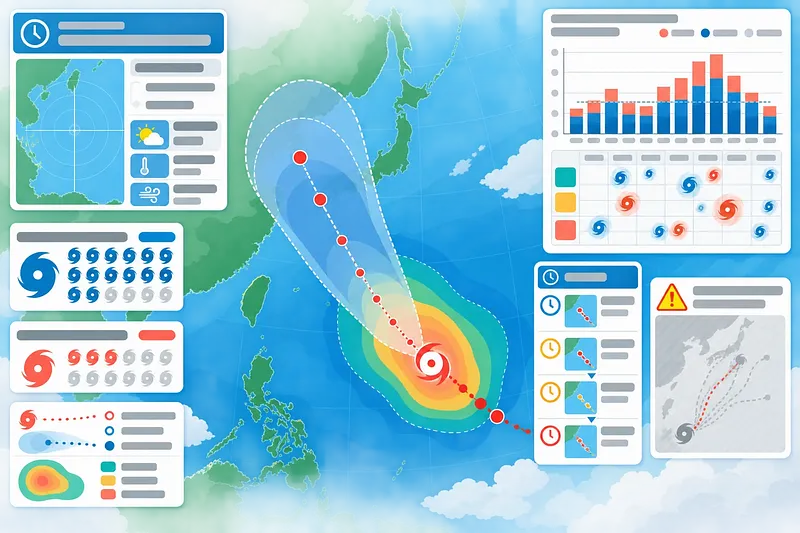
Reading the September 2026 Typhoon Status: The Difference Between ‘None Currently’ and Seasonal Risk
A clear reading of typhoon information requires separating current conditions from climatology and forecasts. On September 1, 2026, the Korea Meteorological Administration had no active typhoon or tropical depression information. That described the status at the time; it did not predict a typhoon-free September. The historical September average of 5.1 formations across the northwestern Pacific is also not a forecast for 2026, nor does it represent the number affecting Korea. The article further explains why probability radii and strong-wind radii convey different information. For risk decisions, the latest official bulletins, issuance times, warnings, advisories, and timing information should take priority over unverified long-range track images. #Typhoon #DisasterPreparedness

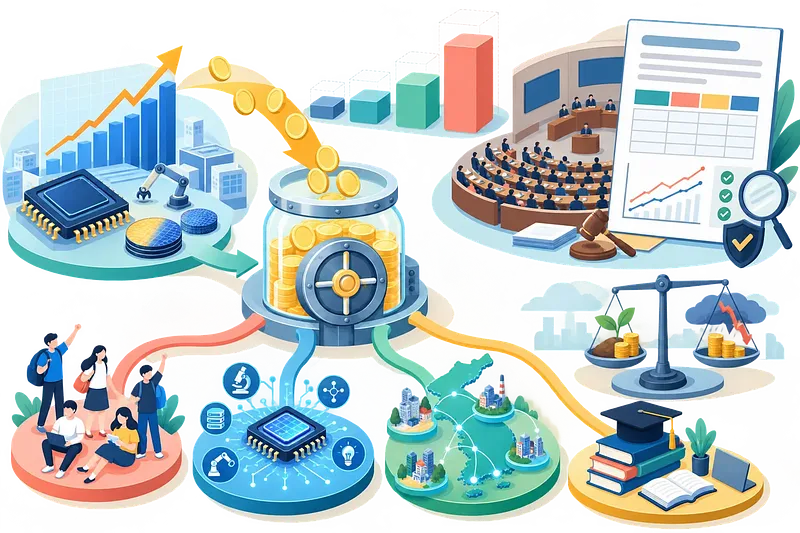
Future Preparedness Fund Proposal: Funding, Investment Areas, and National Assembly Oversight
Korea’s Future Preparedness Fund proposal raises an important public-finance question: how can temporary increases in tax revenue support durable economic capacity? The government has identified youth, growth engines, locally led growth, education, and talent as key investment areas. Yet the widely reported estimates of KRW 60–70 trillion and approximately KRW 100 trillion are based on different periods and assumptions, not finalized funding commitments. Why it matters: the fund’s impact will depend on legislation, National Assembly review, asset-management rules, measurable performance indicators, project exit criteria, and safeguards against overlap with existing programs. This article separates the proposal from the decisions that remain unresolved. #PublicFinance #EconomicPolicy


U.S. liquidity reform, stablecoin adoption, and the Strategic Bitcoin Reserve are often presented as direct catalysts for a Bitcoin rally. The underlying mechanisms are more nuanced. Easing the Supplementary Leverage Ratio could expand banks’ capacity to intermediate Treasury securities, but it is not quantitative easing or immediate money creation. Stablecoins can improve settlement speed through 24-hour availability, while the federal Bitcoin reserve currently consists of seized assets—not a mandate for unlimited open-market accumulation. For investors, this distinction matters. Bitcoin’s approximately 140 BTC in daily new issuance is only one variable; real interest rates, fund flows, leverage, and network security also shape market outcomes. The article separates potential demand support from claims of guaranteed price appreciation. #Bitcoin #MonetaryPolicy


The 2027 early admission application period requires more than choosing universities and submitting forms. Each university will accept applications for at least three days between September 7 and 11, 2026, with its own deadline time and eligibility requirements. Applicants should distinguish admissions tracks covered by the six-application limit from excluded schools, then record every application in one table. It is also important to verify document requirements, online academic-record availability, application fee payment, and application number issuance. This checklist explains what to confirm before and after submission so a missed step does not leave an application incomplete. #CollegeAdmissions #EarlyAdmission

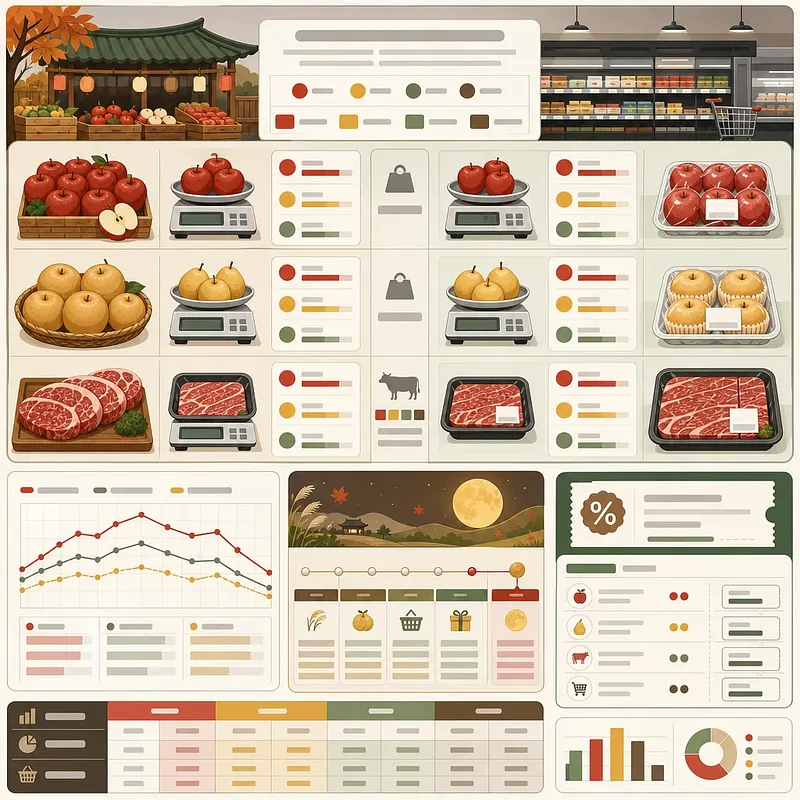
Price data is useful only when the underlying products and conditions are comparable. When reviewing Chuseok apple, pear, and Hanwoo prices on KAMIS, align the variety or cut, grade, and survey unit before comparing traditional markets with supermarkets. Daily prices can guide an immediate purchase, while previous-year and average prices provide context on broader price levels. Conditional card, membership, and promotional discounts should also be separated from unconditional surveyed prices. For before-and-after comparisons around government measures, use the same number of days remaining until Chuseok and the same day of the week. A price change alone does not establish policy impact. #KAMIS #Chuseok

10-Minute Security Settings Checklist to Reduce Home Camera Hacking Risks
Internet-connected home cameras can create avoidable privacy exposure when default credentials, outdated firmware, or unnecessary remote access remain enabled. This practical 10-minute checklist explains how to strengthen camera security through the manufacturer’s official app. It covers separate, unique passwords; two-factor authentication and account recovery details; logged-in device reviews; firmware and app updates; and automatic updates. It also highlights questions that are easy to overlook: Is footage stored in the cloud, on a microSD card, or on an NVR? Is it encrypted? Where are the servers, and how long is footage retained? Reviewing remote viewing, shared accounts, open ports, and physical lens coverage can further reduce exposure. #IoTSecurity #DataProtection