 Injoys
Social
A short written take on each piece of content: what changed and why it matters. Skim the point first, then follow through to the full article only for what interests you. Every take is drawn from real content, so the link takes you straight to the material it is based on.


Vibe Coding for Beginners: Programming Language Basics
Coding beginners need more than names. Where code runs and how it handles data are better starting points for choosing a language. TypeScript checks types before execution, but it does not automatically validate external input. Rust's ownership system sets rules for how code manages memory; it does not prevent every security error. These limits matter when reviewing AI-generated code. The article explains the distinct roles of HTML, CSS and JavaScript, helping readers match a language to the work. It also introduces Mojo's focus on high-performance computing on CPUs and GPUs, rather than treating language names as interchangeable options. For beginners learning vibe coding, this is a starting point for language decisions. Read the article for the basics, then run and test AI-generated code against the requirements.


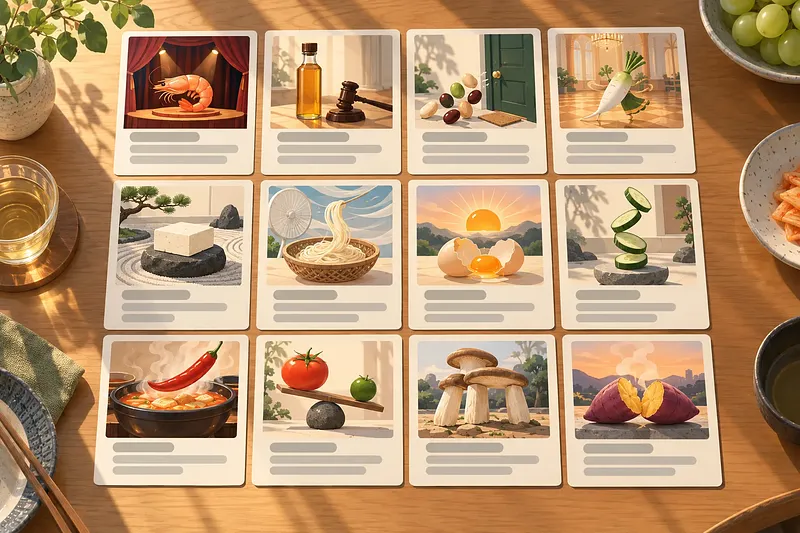
12 dad jokes give pun fans context. Each short question and answer comes with an explanation, so readers can see why the wordplay works. What did the soup ask about at its job interview? Stock options. In this joke, 'stock' can mean a soup base or company shares. The job-interview setting connects the food meaning with the financial one. Other jokes use similar sounds rather than two meanings of the same word. Each explanation identifies the overlap, making the pun easier to follow. For readers looking for a brief reading break, the article keeps all 12 food-based questions and answers together. Read the collection for the full set.

Yuki-Onna readers compare two records. The Echigo summary has no marriage or secret disclosure, unlike Hearn's telling. This traditional tale is retold from the original English text in Lafcadio Hearn's 1904 Kwaidan. Hearn said he heard it as a village legend from a farmer in Chofu, Nishitama District, Musashi Province. That distinction helps readers follow the secret promise and marriage without assuming both belong to the recorded Echigo tradition. The article compares Hearn's narrative with the International Research Center for Japanese Studies' summary, keeping the two accounts separate. For readers comparing Japanese folktales and their sources, the retelling offers both the narrative and its source context. Read it with that distinction in mind, leaving the final parting to unfold in the story.


API teams face duplicate x402 requests. Test failure blocking and duplicate-request recovery before reviewing mainnet settings. The Node.js tutorial starts on Base Sepolia with a receiving address, a test payment wallet and the official x402 SDK. Payment middleware is then checked for a 402 response when a request arrives without payment. On the client, only terms matching the allowed chain, token, amount and recipient are selected and signed. The settlement response supplies a transaction hash for checking USDC Transfer events, so teams can verify the transfer beyond the response itself. For API developers adding micropayments with x402 v2, the tutorial connects setup, fresh signatures and settlement tests. Read it for the test sequence and the settings to review before switching to mainnet.

Nov 19, 2026 is a festival day for fans. Opening-day performances are one factor to weigh when choosing a visit date. G-STAR admission booking and Game Culture Festival planning are separate parts of the guide. The festival runs November 19-22, 2026, at BEXCO Exhibition Center 2 in Busan, South Korea. General visitors start in the official G-STAR site's BTC menu. Select a visit date and ticket type, then book no later than the day before the visit. Youth tickets require supporting documents. Admission wristbands are collected at the venue, so booking is not the only entry step to prepare for. For visitors planning around game demos, performances or esports viewing, the guide helps separate ticket preparation from activity choices. Read it for booking steps and program locations, then check schedules and the chosen program's operating information to plan the day.

Gyeongsin Famine 1670~1671: Relief and Recovery
Researchers trace famine relief funds. In 1671, Joseon's court directed land tax revenues from six provinces to local famine relief. Porridge distribution, dry rations and grain sales were not interchangeable. They differed in delivery and conditions for receiving aid, a distinction that helps keep comparisons precise. Jeju's cotton cloth and barley seeds had two aims: sustaining livelihoods and restarting farming the next season. Immediate support and agricultural recovery were connected, but they were not the same task. Relief continued in 1672. Good harvest records alone do not show that livelihoods recovered, and a decline in household-register population cannot simply be counted as deaths. For research on the 1670-1671 Gyeongsin Famine under Hyeonjong, consider the article's account of relief measures and the limits of the evidence.