 Injoys
Social
A short written take on each piece of content: what changed and why it matters. Skim the point first, then follow through to the full article only for what interests you. Every take is drawn from real content, so the link takes you straight to the material it is based on.

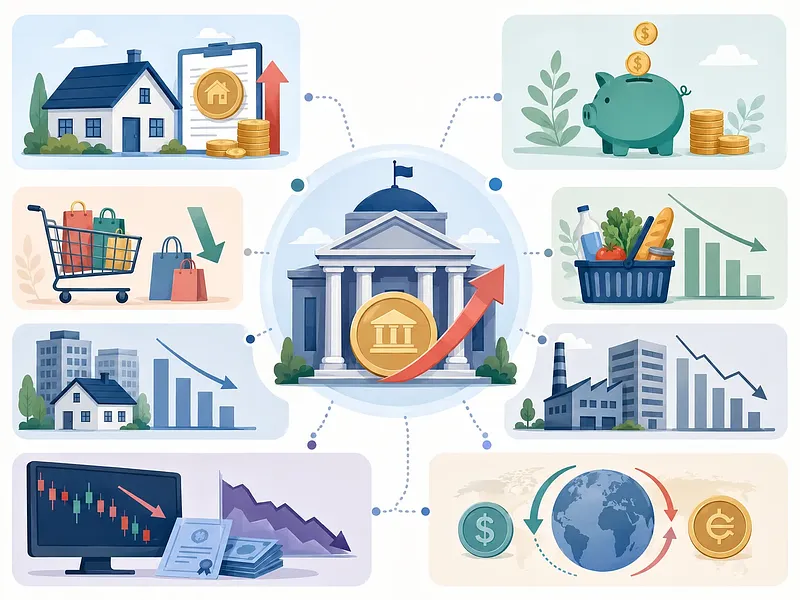
What Happens When the Base Interest Rate Rises: The Impact on Inflation, Loans, Real Estate, and Consumption
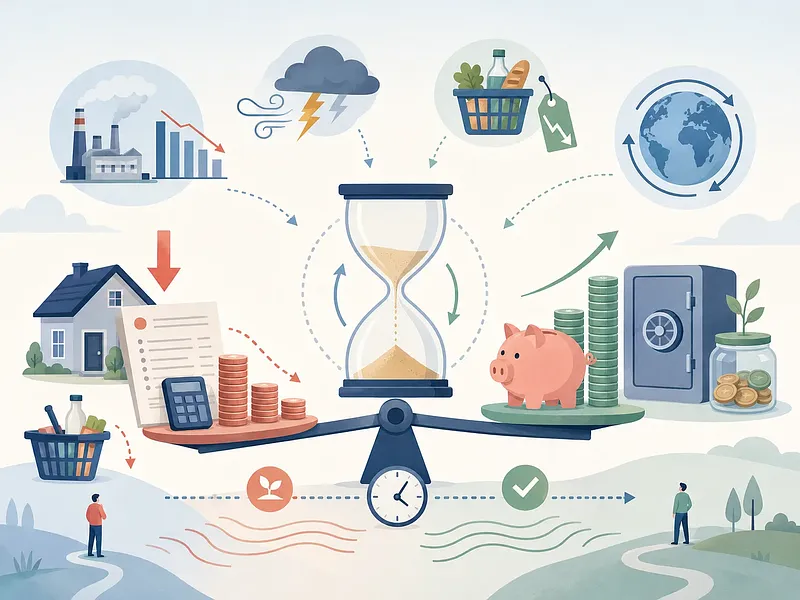
Finance teams assess a base rate rise. Borrowing costs can rise quickly, especially for variable-rate debt, while the wider effects on inflation, property, and asset prices may take longer. Outcomes also vary with supply shocks, government policy, economic conditions, and market expectations. The article maps the transmission path from the benchmark rate to market loan and deposit rates. It explains how higher debt service can constrain household consumption and business investment, why inflation pressure may ease without prices falling immediately, and why real estate can face downward pressure without every location moving alike. Business decision-makers, highly indebted households, variable-rate borrowers, and depositors should read this first. Depositors may gain interest income, but slower growth and asset-price corrections remain part of the calculation. Read the article for a practical view of these trade-offs. #MonetaryPolicy #BaseRate
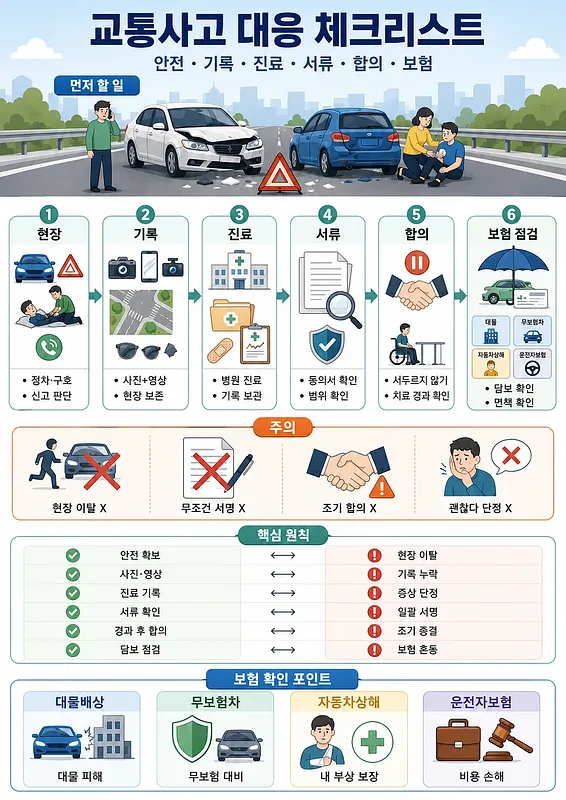
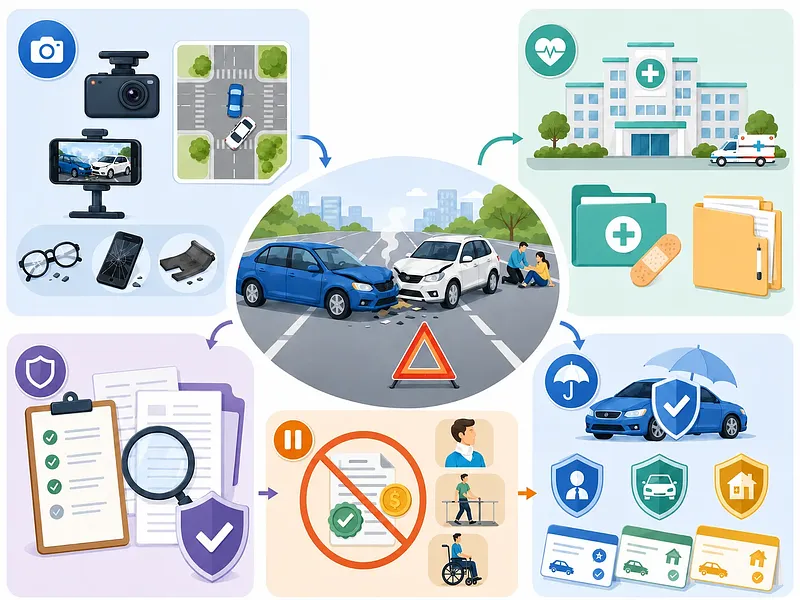
Serious injury claims need patience. For permanent disability, long-term care, death, or any of 12 major forms of gross negligence, an insurer’s offer should not be the sole basis for settlement. Immediately after a traffic accident, safety, assistance, assessing reporting needs, and documenting the scene take priority. Photos and video can preserve vehicle positions, road layout, damaged areas, and affected belongings, creating a clearer record for later review. The guide also explains why medical consultation consent should be reviewed rather than signed automatically. It identifies the reason for the consultation and the scope of information to verify, along with the physician’s statement or similar documentation required in response. Before renewal, it distinguishes third-party property damage liability, uninsured motorist coverage, personal injury protection, and driver’s insurance by purpose and exclusions. Drivers managing an accident claim or reviewing coverage can use the article as a practical decision checklist. #AutoInsurance #ClaimsManagement

Operating years shape tax deductions. Under the current system, longer-running family businesses may qualify for larger deduction limits. Operating history can therefore materially affect succession planning for eligible companies. The difficult judgment arises when land and building values exceed the value of the operating business. Recognition as a family business may then produce inheritance tax savings that appear disproportionate to the underlying commercial activity. Using bakery café and parking lot examples, the article separates three questions: how the business format is classified, whether the activity has substantive business value, and which assets should fall within the deduction. This framework helps professionals assess where genuine business succession ends and a property-focused transfer begins. The analysis is most relevant to SMEs and mid-sized companies that meet the family business requirements, as well as advisers reviewing succession structures. Read the article for a fact-based overview of the current system and the issues reform is intended to address. #InheritanceTax #BusinessSuccession #TaxPolicy

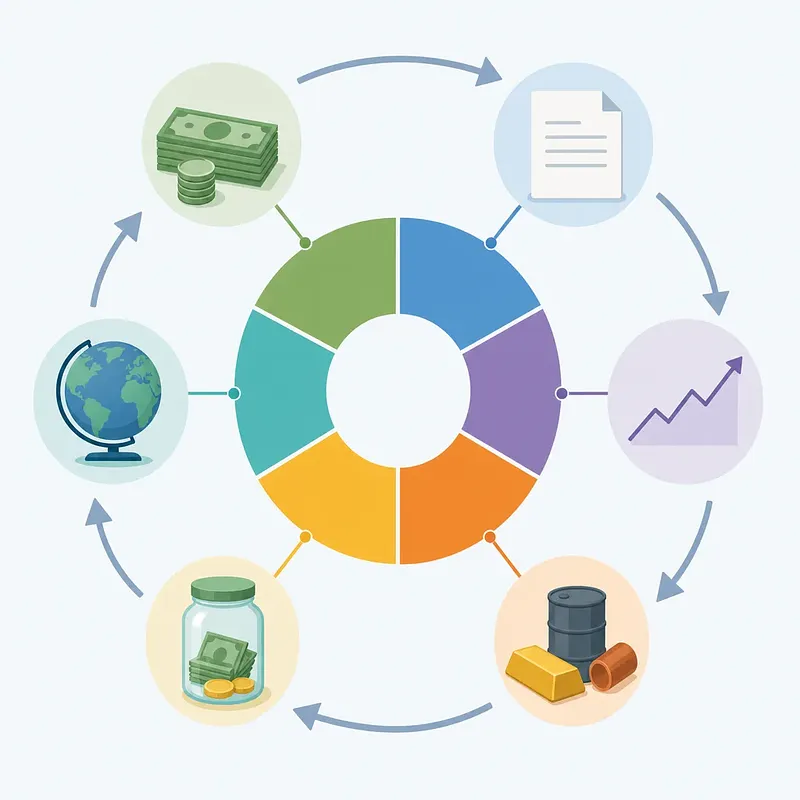
Investors weigh risk before allocating. Diversification can reduce concentration risk tied to one asset or company, but it does not eliminate the possibility of loss. The article compares savings accounts and fixed-term deposits, which have low market-price fluctuation risk but limited returns, with stocks, bonds, and mutual funds, which carry principal-loss risk. It frames these choices through profitability, stability, and liquidity, helping readers connect product features to an investment goal and time horizon. It also outlines portfolio examples for different risk tolerances, the general shift toward safer assets and cash equivalents as investors age or approach the date funds will be used, and regular rebalancing to maintain a target allocation. Investors defining a goal or reviewing an existing portfolio can read the article for a structured way to evaluate where and how much to invest. #AssetAllocation #Portfolio


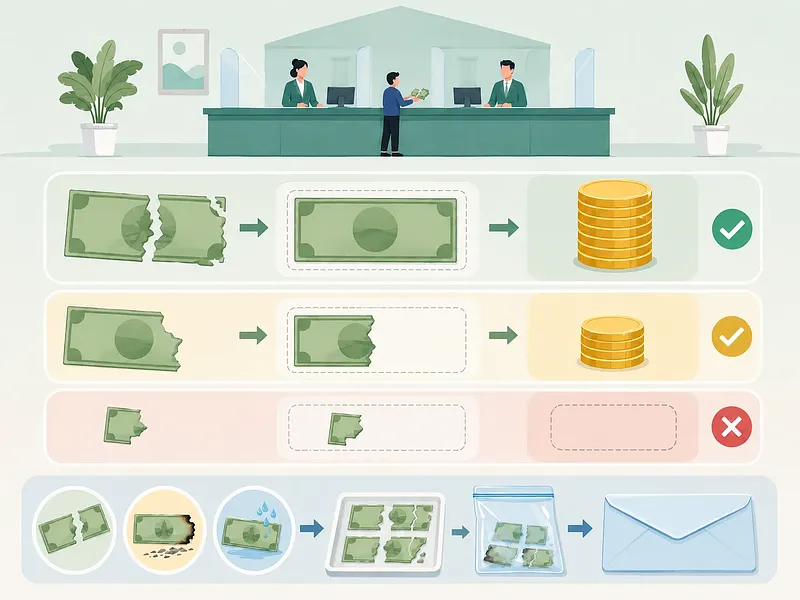
Damaged banknotes do not automatically lose all cash value. The exchange amount depends on whether the note can be identified and how much of its surface area remains. Under Bank of Korea standards, a note with 3/4 or more remaining may be exchanged for full value. If 2/5 or more but less than 3/4 remains, half value may be reimbursed. Less than 2/5 generally cannot be exchanged. This matters for everyday situations such as bills damaged by fire, water, or tearing. The article also explains why you should preserve damaged notes carefully and when exchange may be restricted, such as suspected alteration or intentional damage. https://injoys.com/en/articles/damaged-korean-banknotes-exchange-value #CurrencyExchange #Cash
Psychological Safety and Performance Standards: The Art of Give-and-Take for Leaders Building High-Performance Organizations
Two conditions shape team performance. Psychological safety and demanding standards must rise together. Raising only one can weaken the learning and execution an organization needs. Security with low standards can create a “club room” centered on camaraderie. High standards without security can create a defensive “jungle,” where concerns, questions, mistakes, and dissent remain unspoken. The article presents healthy tension as the productive alternative: an environment where difficult conversations can happen without lowering expectations. It outlines how attention to external change, customer value, clear goals, rapid feedback, and collaborative incentives supports both candor and accountability. It also explains why policy statements are insufficient. Team norms are shaped by how leaders consistently ask questions, respond to mistakes, conduct meetings, and apply evaluation criteria. Those recurring behaviors determine whether people can speak honestly while remaining focused on strong execution. Leaders building high-performing organizations should read the article to assess whether their culture supports both security and challenge. #Leadership #PsychologicalSafety