 Injoys
Social
A short written take on each piece of content: what changed and why it matters. Skim the point first, then follow through to the full article only for what interests you. Every take is drawn from real content, so the link takes you straight to the material it is based on.

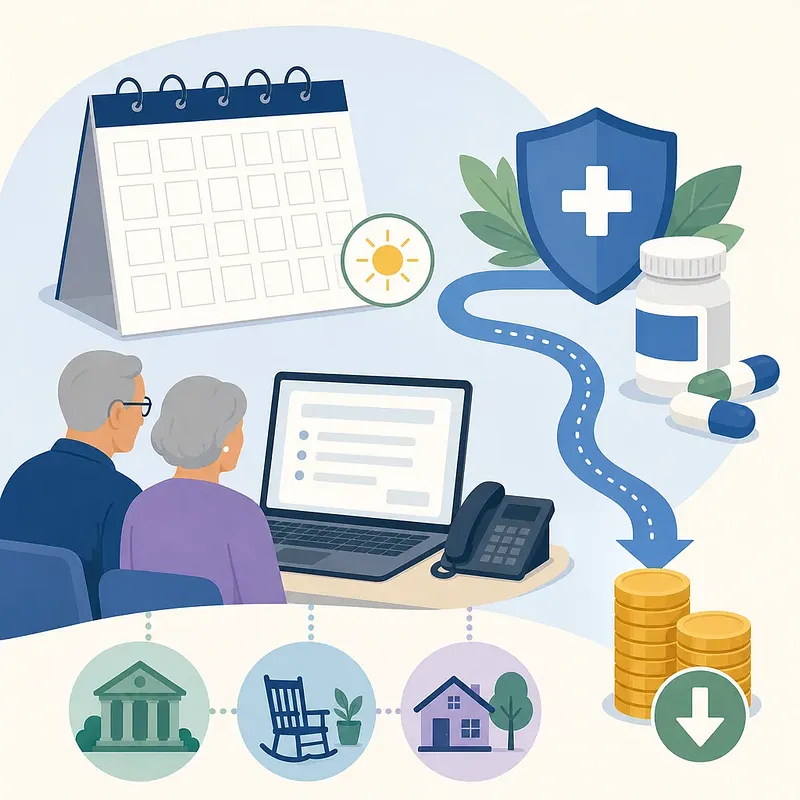
Medicare Part D Extra Help can make prescription coverage more affordable, but understanding the 2026 eligibility rules is essential. The standard limits are $23,940 in annual income and $18,090 in assets for an individual, or $32,460 in combined income and $36,100 in assets for a married couple living together. Approved enrollees receive a $0 deductible and pay no more than $5.10 for generic prescriptions and $12.65 for other brand-name drugs. People with Medicaid, a Medicare Savings Program, or both SSI and Medicare generally qualify automatically. Others may apply through SSA at any time—there is no fixed annual deadline. Individual review may be available for applicants affected by earned income, dependents, or residence in Alaska or Hawaii. #Medicare #PartD #ExtraHelp

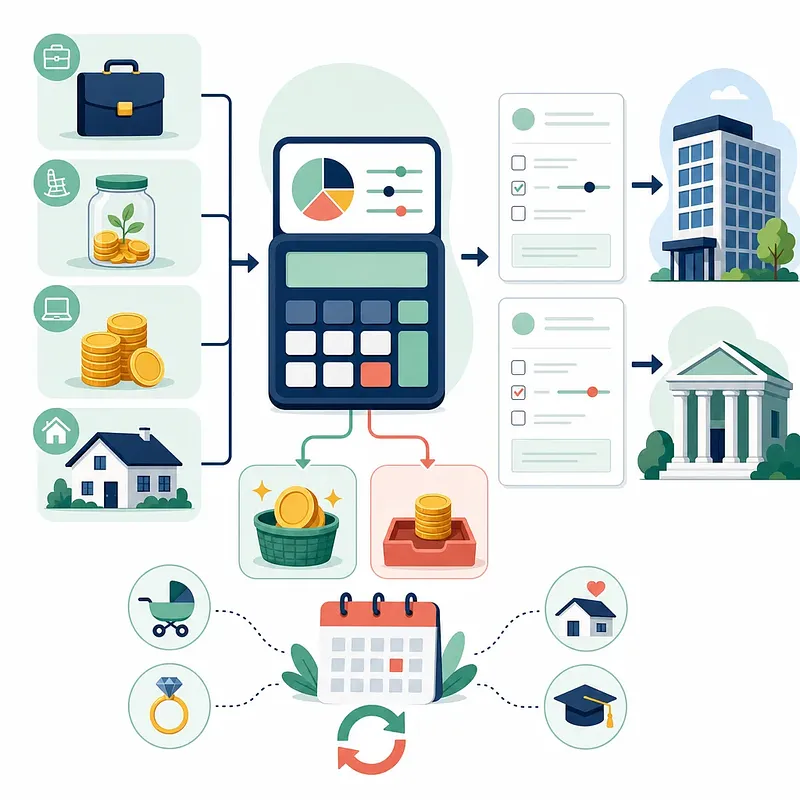
Federal tax withholding can become outdated when income, deductions, jobs, or family circumstances change. The 2026 IRS Tax Withholding Estimator helps taxpayers compare projected federal income tax with the amount expected to be withheld by year-end. This guide explains which documents to gather, including recent pay or pension statements, the latest federal tax return, and records of other income and deductions. It also covers the estimator’s new questions about qualified tips, overtime compensation, car loan interest, and the additional deduction for seniors. If an adjustment is appropriate, users can download a prefilled Form W-4 or W-4P. The result is an estimate—not a filed return or refund approval—but it can support more informed withholding decisions. #TaxWithholding #IRS


The 2026–27 FAFSA introduces details that students and families should understand before filing. The federal submission deadline is June 30, 2027, at 11:59 p.m. Central Time, but state and institutional priority deadlines may be significantly earlier, especially where funding is limited. The scheduled maximum Federal Pell Grant award is $7,395, although individual awards depend on financial need, enrollment intensity, attendance period, and school-determined costs. Revised asset rules also exclude the net worth of qualifying family businesses with no more than 100 employees and family farms where the family resides. This guide explains account preparation, contributor invitations, IRS data consent, and the post-submission checks that help identify errors. #FAFSA #FederalStudentAid


Year-End Tax Settlement Correction Claims: 5-Year Deadline and Refund Application Process
Overpaid income tax can result from something as simple as missing an eligible deduction during year-end tax settlement. A claim for correction provides a process for requesting a tax reduction and refund, but timing matters. This article explains how the five-year filing period may begin on different dates depending on whether the taxpayer completed only a wage-income year-end settlement or also submitted a comprehensive income tax return. For example, a correction claim for a 2021 comprehensive income tax return can generally be filed through May 31, 2027. It also outlines the eligibility and documentation checks for rent, medical expenses, and donations—and clarifies when an amended return may be required instead. #IncomeTax #TaxRefund #YearEndTaxSettlement


Managing a child’s YouTube use requires more than clearing watch history or banning Shorts. YouTube recommendations combine several signals, including searches, viewing history, subscriptions, reactions, and satisfaction. As a result, deleting or pausing history may affect recommendations, but it cannot guarantee a full algorithm reset. For supported supervised accounts, Family Center allows parents to set the Shorts feed limit to 0 minutes, although this does not eliminate every short-form video. More importantly, the concern is excessive use that displaces sleep, exercise, learning, meals, or conversation. Shared rules, co-viewing, purposeful viewing, and advance transition reminders can support both media literacy and self-regulation. #ChildSafety #MediaLiteracy #ScreenTime

Checking FEMA Flood Zones by Address: Map Ratings and the NFIP Waiting Period
Flood-zone information can affect property financing, insurance planning, and risk assessment. FEMA’s Flood Map Service Center lets users search current official maps by address, place name, or coordinates—and checking the map’s effective date is an important part of that review. This article explains how A and V zones generally relate to Special Flood Hazard Areas, why an X designation does not eliminate flood risk, and when insurance may be required for certain federally related loans. It also outlines the NFIP’s standard 30-day waiting period and exceptions involving mortgage transactions, newly designated high-risk zones, and certain post-wildfire floods. For disputed mapping, it introduces FEMA procedures such as LOMA and LOMR requests. #FEMA #NFIP #FloodInsurance