 Injoys
Social
A short written take on each piece of content: what changed and why it matters. Skim the point first, then follow through to the full article only for what interests you. Every take is drawn from real content, so the link takes you straight to the material it is based on.


Changes to Comprehensive Real Estate Holding Tax and Capital Gains Tax Under the Real Estate Tax Reform Plan
South Korea’s proposed real estate tax reform could change both who pays comprehensive real estate holding tax and how capital gains deductions are calculated. For one-home households, the basic deduction threshold would rise from an officially assessed value of KRW 1.2 billion to KRW 1.4 billion. At the same time, higher rates and a higher fair market value ratio could increase the burden for some high-priced homes. Capital gains deductions may also shift from ownership duration toward actual residence duration, while surtaxes for multiple-home owners would be reduced in phases rather than abolished immediately. For transaction planning, the key is to distinguish proposals from enacted rules and verify passage, effective dates, transitional provisions, and detailed criteria. #RealEstateTax #CapitalGainsTax


For first-time homebuyers, due diligence should extend beyond choosing a busy brokerage or relying on property advertisements. An agent’s registration status, document-verification practices, specific explanations and disclosure of conflicts of interest are more meaningful indicators. This guide explains how to cross-check the real estate registry certificate, building register, actual transaction prices and on-site condition. It also covers how to draft a clearer loan rejection contingency, why the property confirmation and explanation form does not replace an inspection, and what to verify immediately before closing. These steps can help buyers identify inconsistencies early and reduce avoidable contract and closing disputes. #Homeownership #RealEstateContract


Apartment management fee comparisons can be misleading when the underlying properties are not truly comparable. K-apt’s 1-to-1 feature helps prospective renters and buyers compare two complexes using the same billing month and per-unit cost categories. For a useful comparison, select similar unit sizes and distinguish common management fees, individual usage charges, and long-term repair reserves. Context matters: heating type, number of units, and year of completion can affect totals. Since K-apt reports complex-wide averages, review 12 months of trends, compare nearby complexes, and request the actual bills for the unit before signing. #HousingCosts #Kapt

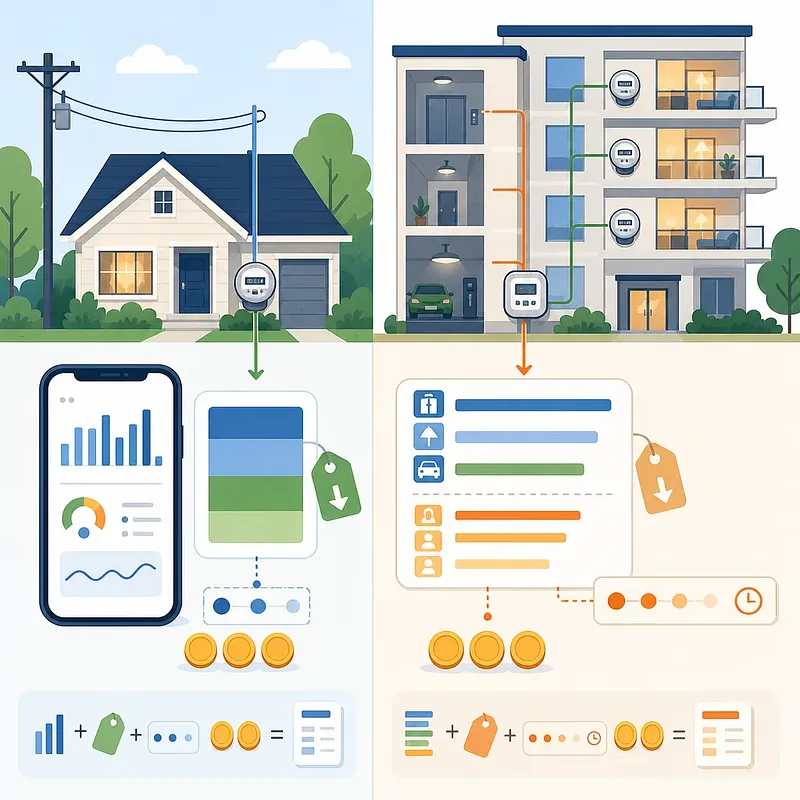
Electricity billing data is most useful when users understand what it represents. This guide explains how direct-contract customers can register their customer number on KEPCO ON to review finalized charges, usage information, and estimated charges to date. It also clarifies an important timing issue: charges are based on usage between meter-reading dates, not necessarily the calendar month. Estimates can change after unread usage, progressive tiers, discounts, fuel cost adjustments, taxes, and other items are finalized. For apartment residents billed through management fees, management-office data may better reflect the household’s actual share. #ElectricityRates #KEPCOON

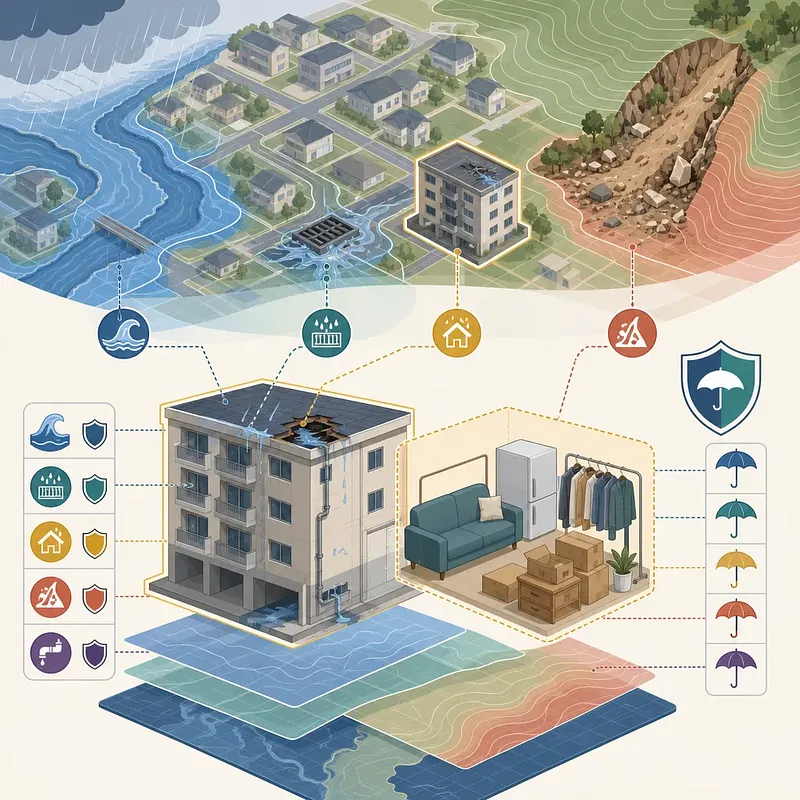
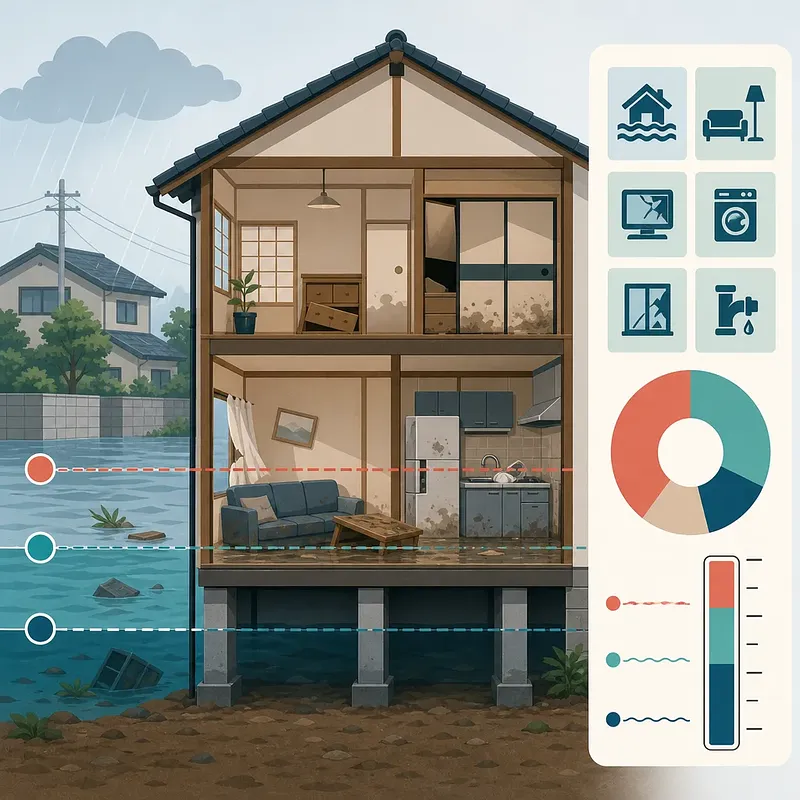
Understanding flood coverage in Japanese fire insurance requires more than checking whether an area appears on a hazard map. Policies may use distinct conditions such as inundation exceeding 45 cm from ground level, flooding above floor level, or a loss ratio of at least 30%—but the actual contract terms take precedence. This article explains why projected inundation depth indicates future risk rather than claim eligibility, and how river flooding, inland flooding, rainwater intrusion, and water leakage may be treated differently. It also outlines the separate checks renters should make for household contents, tenant liability, and repair expenses. #JapaneseInsurance #FloodRisk #RiskManagement
Free HPV Vaccination for Boys Born in 2014: Record Check and Two-Dose Schedule
As of May 6, 2026, free quadrivalent HPV vaccination eligibility has expanded to male adolescents born between January 1 and December 31, 2014. Good record management is an important part of the process. Parents should first review their registered child’s electronic history in Immunization Assistant. If a dose is missing, obtain proof and ask the vaccinating institution or relevant public health center whether it can be entered electronically. For those starting before age 15, the usual second-dose interval is 6–12 months. Families should also confirm vaccine availability and vaccination hours with the designated provider before visiting. #HPVVaccination #AdolescentHealth