Social
A short written take on each piece of content: what changed and why it matters. Skim the point first, then follow through to the full article only for what interests you. Every take is drawn from real content, so the link takes you straight to the material it is based on.

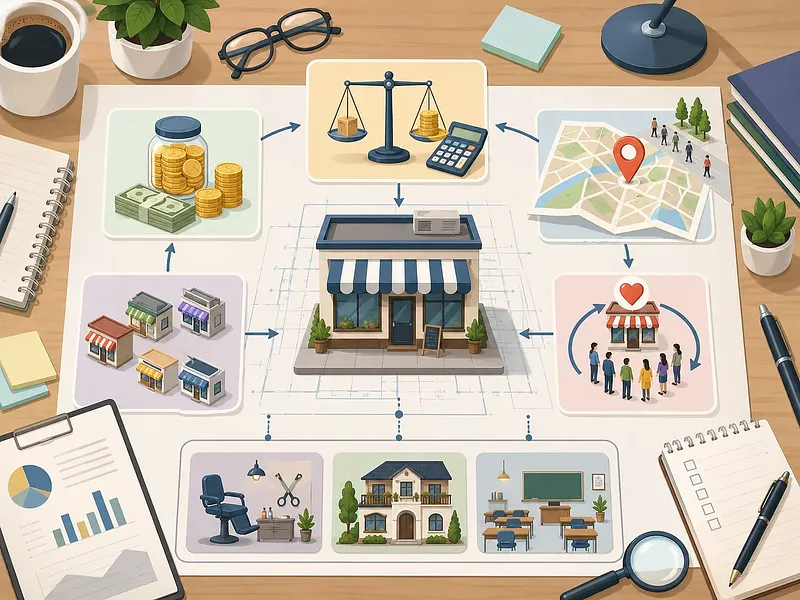
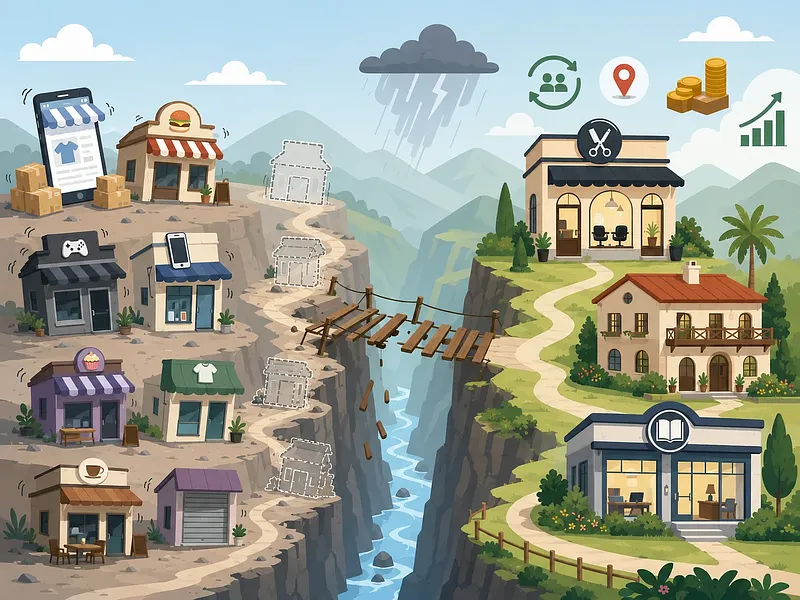
Can new founders plan around 52.3% at 3 years? National Tax Service figures show survival declining from about 77.0% after one year to 52.3% after three. The article explains why online retail falls below the average while salons, vacation rentals and guesthouses, and some educational services show relatively stable indicators. Read the analysis to test fixed costs, break-even revenue, competition, and repeat-customer potential against projected sales. These checks can support a more grounded choice of sector and business model. For founders assessing businesses among the top 100 consumer-oriented industries. #SelfEmployment #StartupPlanning #TaxStatistics #TradeAreaAnalysis
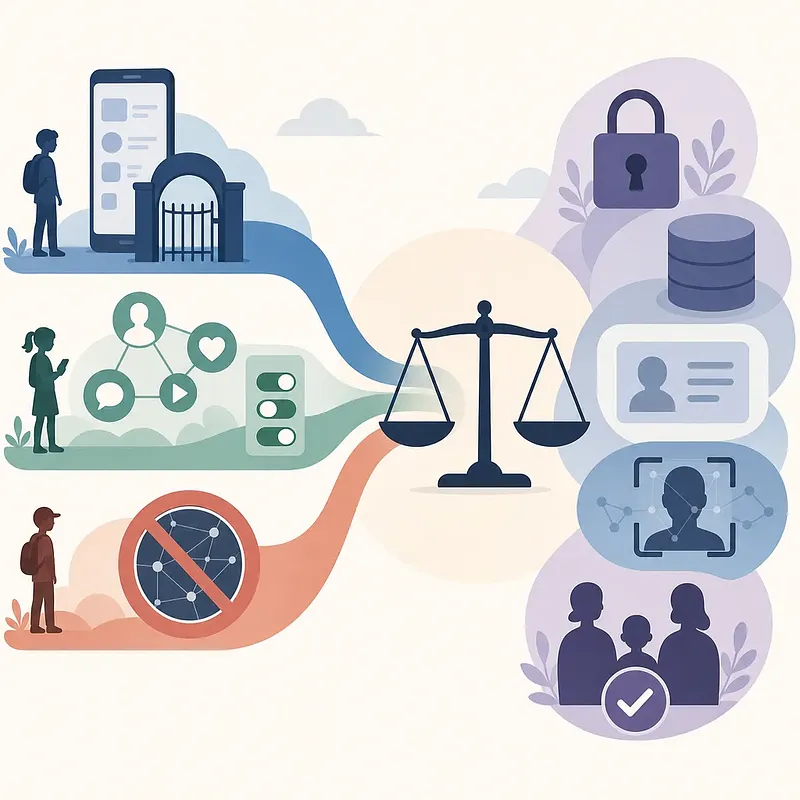

Minor protection can require sensitive data. Identity documents, facial recognition, parental identity checks, and retained records can all become part of an age check. The article separates three regulatory models: app-store verification, platform-level obligations, and social media bans below a set age. By mapping who verifies and how consent works, it helps readers compare youth-safety aims with privacy and freedom-of-expression risks. The country comparison covers U.S. state-law litigation and Australia's move toward nationwide age restrictions. #MinorProtection #AgeVerification #SocialMediaRegulation #DataPrivacy
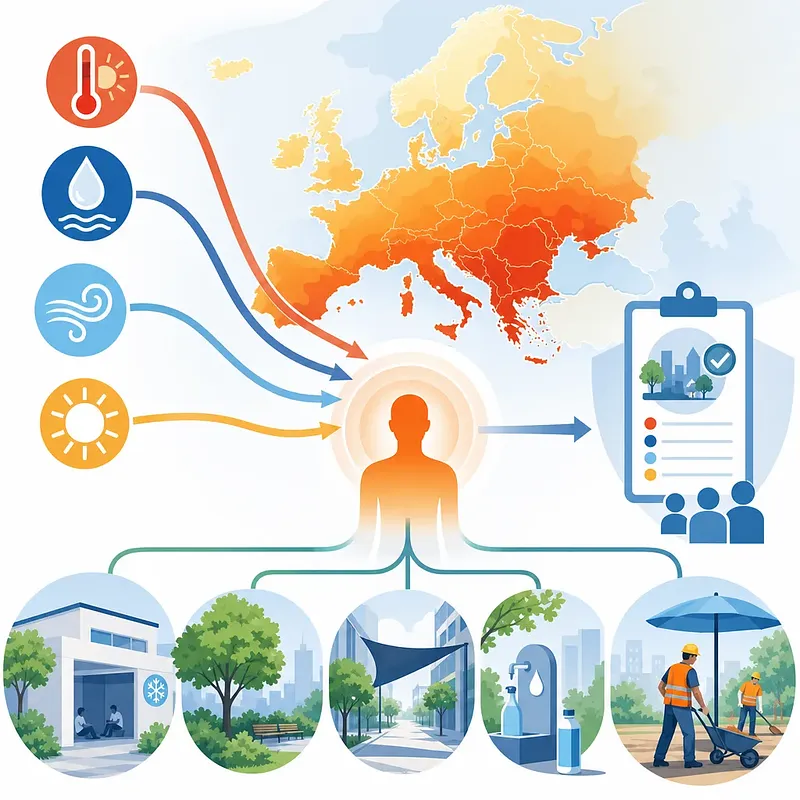

France’s June heat wave prompted death estimates. Estimates of excess deaths show why death certificates alone can understate a heat wave’s wider toll. Looking beyond temperature to UTCI adds humidity, wind, and radiant heat. That fuller picture can improve early warnings, cooling-center planning, work-hour adjustments, and protection for vulnerable groups—helping people maintain safer routines on extreme-heat days. The analysis focuses on the WHO Regional Office for Europe warning from July 2026 and France’s June 2026 heat-wave estimates. #HeatWave #PublicHealth #HeatStress #ClimateAdaptation
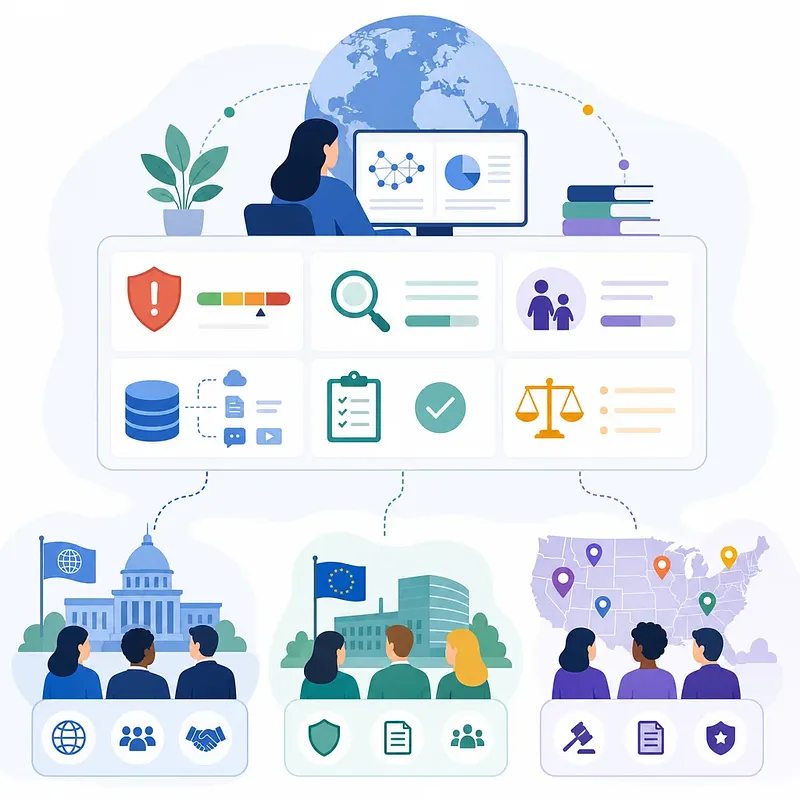
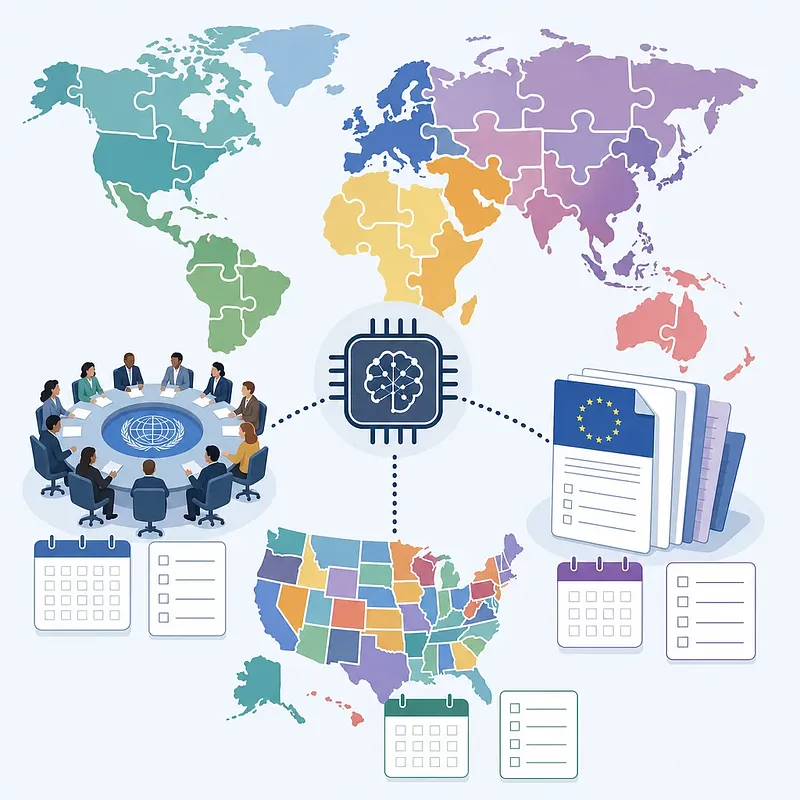
Can global AI teams track three rule fronts? The UN mechanism, EU AI Act, and U.S. state laws differ in legal weight, timing, and scope. This article separates governance coordination from binding regulation, then maps effective dates, risk classifications, transparency duties, protections for minors, and high-risk uses. It also shows how standard fields for exceptions, penalties, and regulators make compliance information easier to search, audit, and cite. It applies to global AI companies managing region-specific controls as of July 2026. #AIRegulation #EUAIACT #USStateLaw #Governance
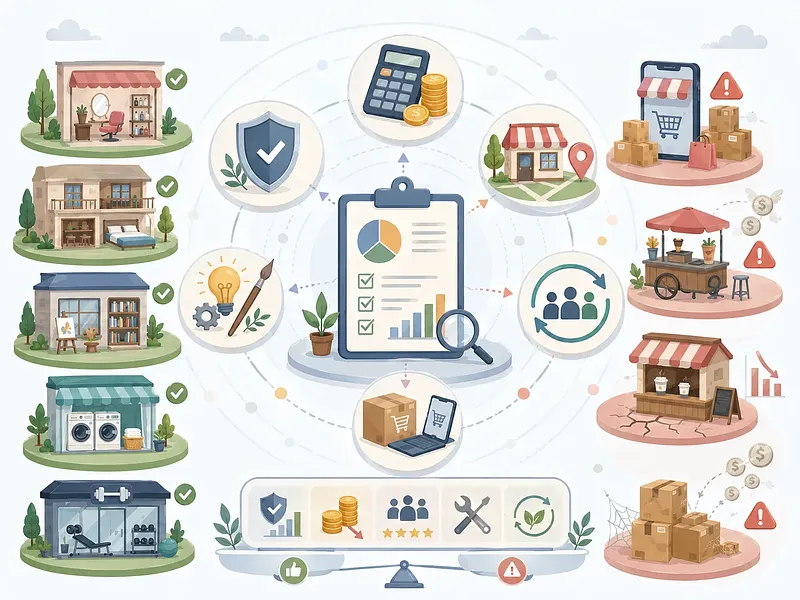
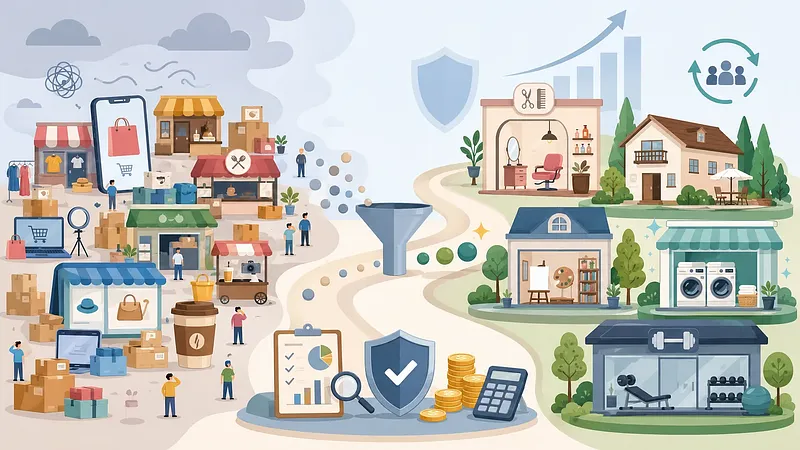
Easy-entry startup sectors face cost pressure. Restaurants, bars, and online retailers are vulnerable to labor, advertising, and production costs, as well as changes in commercial districts. Using 2023 National Tax Service data, the article compares sector popularity with actual survival: 53.8% at three years and 39.6% at five years. It also explains why beauty salons, guesthouses, academies, and laundromats tend to benefit from skills, assets, certifications, or recurring demand. The comparison helps prospective entrepreneurs weigh fixed costs, operating capital, differentiation, and exit costs before selecting a sector. This applies to people assessing the National Tax Service’s top 100 everyday business sectors. #Startup #SelfEmployment #TaxStatistics #IndustrySelection
The Era of Repairing and Reusing Satellites: NASA’s Swift Rescue Mission and the Orbital Services Industry
A descending Swift observatory needs a lift. The challenge is not a simple tow: a servicer must rendezvous, grapple it and raise its orbit safely. This article shows how in-orbit inspection, capture, docking, refueling, orbit changes and component replacement can extend satellite life. For the observatory, that could reduce the need for a new launch, limit data-gap risk and preserve the value of long-term observations. It also connects Hubble, Orbital Express and MEV to the commercial market while keeping collision, liability and dual-use risks in view. The scope covers the mission reported in July 2026 and the wider orbital-services industry. #NASA #Swift #SatelliteRepair #SpaceIndustry