Skip to content
How-to 🇰🇷 South Korea

This content applies specifically to South Korea.

Gwangju and Daejeon Subway 2026 Timetables and Transfers

Check Gwangju and Daejeon subway timetables using this site's subway and bus route finder. The guide distinguishes between travel requirements for Line 1, which is in service as of November 9, 2026, and construction plans for Line 2, which has not yet opened.

Read text only

12 min read

Just the words, no images.

Gwangju and Daejeon Subway 2026 Timetables and Transfers

12 min read

Gwangju and Daejeon Subway 2026 Timetables and Transfers
Check Gwangju and Daejeon subway timetables using this site's subway and bus route finder. The guide distinguishes between travel requirements for Line 1, which is in service as of November 9, 2026, and construction plans for Line 2, which has not yet opened.
Open the subway and bus route finder on the left side of this site.
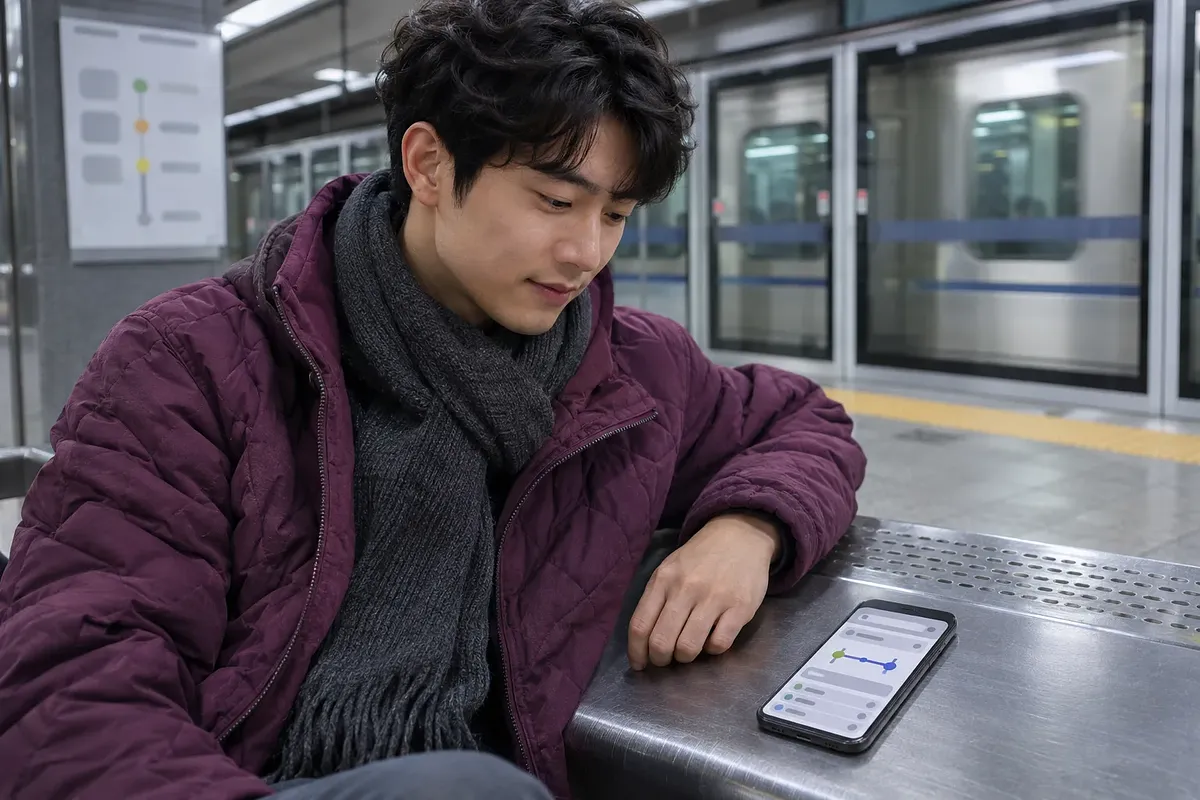
Select your station to check the first train, last train, and next train times.
Check the applicable fares with Gwangju Transportation Corporation or Daejeon Transportation Corporation.
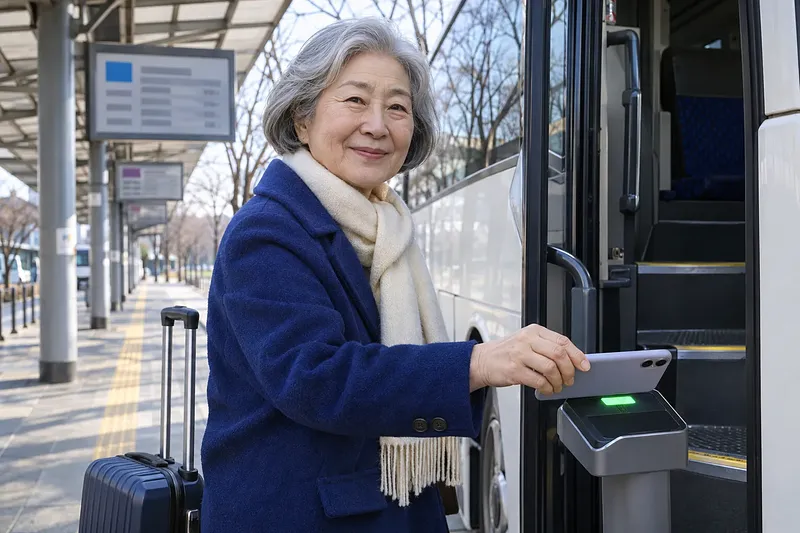
To transfer to a bus, check the transit card and transfer time requirements.
Before departing, check the station facilities you need and the operator's notices of changes.
To use the subway in Gwangju or Daejeon, check station timetables using this site's search. Check fares and transfer conditions with each city's transportation corporation. Line 1 is currently available. Line 2 has not yet opened in either city.
Route, fare, and construction information is based on operator information accessed on November 9, 2026.
How to Check the First, Last, and Next Trains
Select a station in the subway and bus route search on the left side of this site. The station timetable shows the first, last, and next trains. Before departing, also check the operator's service change notices.
· Open the subway and bus route search on the left side of this site. · Select the station you will use in Gwangju or Daejeon. · Check the train times you need in the station timetable. · Check fares in the relevant city's transportation corporation fare guide. · Check bus transfer conditions and any station facilities you need.
This site's route and fare search between two stations is for the Seoul metropolitan area. Use each operator's information to check Gwangju and Daejeon fares. This article does not include a fixed table of first and last train times.
Comparison of Operating Lines and Operators
Gwangju and Daejeon each have an operating urban railway Line 1.
Category | Gwangju Line 1 | Daejeon Line 1 Operating section | Nokdong Station to Pyeongdong Station | Panam Station to Banseok Station Line length | 20.5km | 22.6km Number of stations | 20 stations | 22 stations Operator | Gwangju Transportation Corporation | Daejeon Transportation Corporation Fare system | Flat fare across the entire line | Distance-based fare zones Line 2 status | Under construction, not yet open | Tram under construction, not yet open
Basic route information is available from Gwangju Transportation Corporation's Operation Status and Daejeon Transportation Corporation's Facilities Overview.
Gwangju Line 1 and Administrative Boundary Changes
Gwangju Line 1 opened in stages. The Nokdong to Sangmu section opened on April 28, 2004. The Kim Dae-jung Convention Center to Pyeongdong section opened on April 11, 2008. The current operator, Gwangju Transportation Corporation, was established in September 2023.
Jeonnam-Gwangju Integrated Special City was established on July 1, 2026. This administrative area combines Gwangju Metropolitan City and Jeollanam-do. Check Gwangju Transportation Corporation for urban railway travel information. Its establishment can be confirmed in the government's weekly policy magazine K-Gonggam.
Daejeon Line 1 Opening History
Daejeon Line 1 connects Panam Station and Banseok Station. Phase 1 opened on March 16, 2006. The entire line opened on April 17, 2007. The current operator, Daejeon Transportation Corporation, was established on January 1, 2022.
Transportation Card Fares and Concession Eligibility
Gwangju uses a flat fare, while Daejeon uses distance-based fare zones. Children and teenagers should have transportation cards appropriate for their age. Those eligible for free travel should also bring identification to verify their eligibility.
Gwangju Base Fares and Gwangju G-Pass
Gwangju's base fare is the same regardless of travel distance. The standard transportation card base fare is 1,250 won. The base fare for a youth transportation card is 900 won. The base fare for a child transportation card is 500 won.
The base fare for a standard or youth single-use ticket is 1,400 won. The corporation's fare guide lists the rates effective from August 1, 2016. Those aged at least 65, people with disabilities, and people with service-related disabilities recognized for national merit, among others, are eligible for free travel. Identification must be presented to use concession tickets. Gwangju Transportation Corporation Passenger Transport Regulations and Fares
Gwangju G-Pass is a support program that must be checked separately from the base fare. It took effect on January 1, 2025. It covers Gwangju's urban railway, city buses, and village buses.
· The guidance states that children receive an immediate 100% discount when using the designated transportation card. · The guidance states that teenagers receive an immediate 50% discount when using the designated transportation card. · Adults must sign up for K-Pass and register their card. · The basic usage requirement for adults is at least 15 trips per month. · Support payments for those eligible for reimbursement are paid the following month.
Check the support conditions, including age-specific transportation cards and residency. Rural buses from neighboring cities and counties are excluded from support for children and teenagers. This exclusion applies even when a rural bus operates within Gwangju. Introduction to Gwangju G-Pass
Daejeon's Distance-Based Fare Zones and Age-Based Fares
Daejeon determines the fare zone by the distance traveled from the departure station. Travel within 10km is Zone 1. Zone 2 applies to travel of more than 10km.
The standard transportation card fare is 1,550 won for Zone 1. Zone 2 costs 1,650 won. The standard Zone 1 transportation card fare increased on January 1, 2024.
The youth transportation card fare is 880 won for Zone 1. The youth Zone 2 fare is 960 won. The child transportation card fare is 550 won for Zone 1. The child Zone 2 fare is 600 won.
Daejeon also provides free travel for those aged at least 65, people with disabilities, and others. Identification must be presented to use concession tickets. Check the corporation's information for the fare zone between your departure and arrival stations. (Verified values: Zone 1 within 10km, Zone 2 more than 10km · Source: djtc.kr · Verified on 2026-11-17) Daejeon Transportation Corporation Passenger Transport Terms and Fares
Bus Transfer Conditions
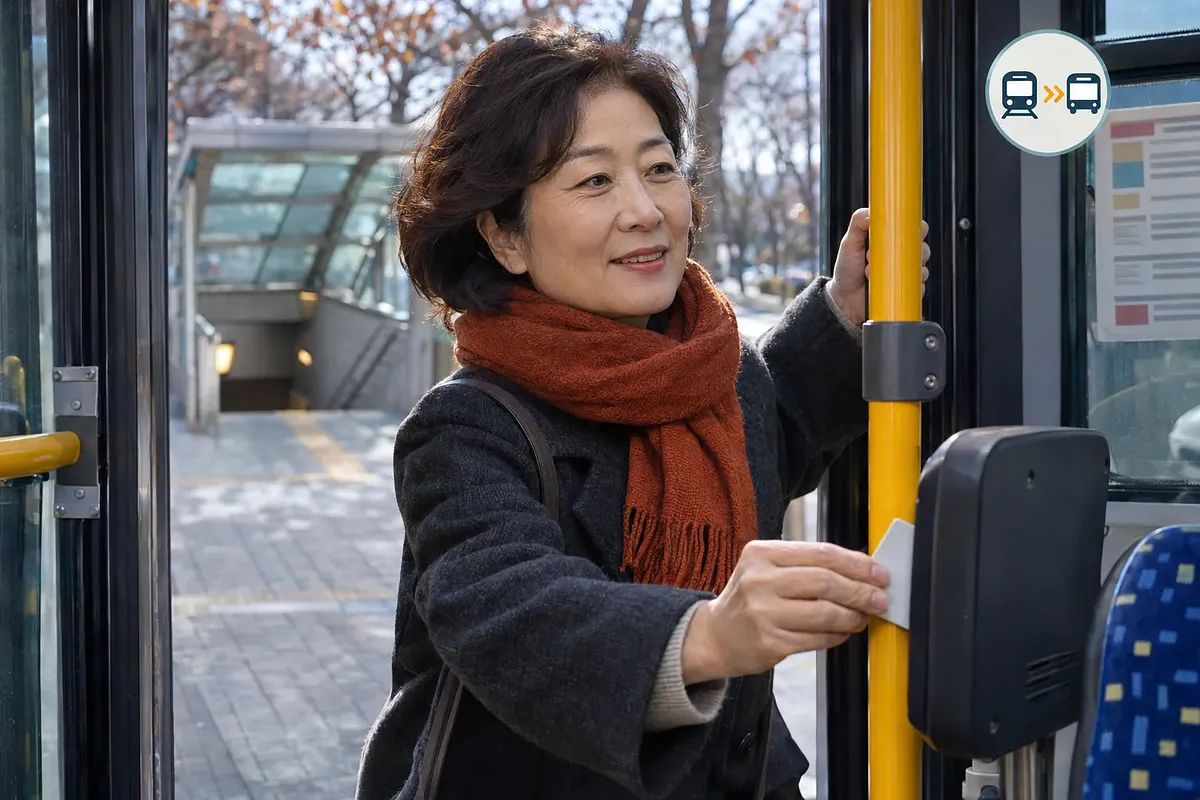
To transfer, use a transportation card and tap it when getting off as well. Gwangju calculates the transfer time from the first time you get off. In Daejeon, check both the time allowed after getting off and the modes of transport used.
Travel situation | Conditions to check Transfers between Gwangju's urban railway, city buses, and village buses | Free transfers within 30 minutes of first getting off, with no limit on the number of transfers Transfers between Gwangju public transport and nearby rural buses | One 50% discount under regional transfer conditions; fares outside city limits charged separately Rural bus transfers where both the origin and destination are within Gwangju | Excluded from regional transfer discounts with Gwangju public transport Transfers between Daejeon urban railway Zone 1 and city buses | Check the transfer requirement of boarding within 30 minutes of getting off and the fare for each mode of transport Transfers between Daejeon's urban railway and village buses | Check discounted transfer fares rather than assuming all transfers are free Travel in Daejeon urban railway Zone 2 | Check the additional fare separately from whether a transfer discount applies
Daejeon Transportation Corporation provides free transfer criteria for Zone 1 and city buses. Check the actual additional amount payable based on the modes of transport and fare zones used. (Verified values: city bus→urban railway standard fare 50 won; Zone 2 additional fare: standard 100 won, youth 80 won, child 50 won · Source: djtc.kr · Verified on 2026-11-17) Transfers within Gwangju must also be distinguished from regional transfers involving rural buses. Gwangju Transportation Corporation Transfer Criteria, Daejeon Transportation Corporation Transfer Fares

Gwangju Line 2 Sections by Phase and Planned Opening Dates
Gwangju Line 2 is under construction and is not yet available for travel. Its total planned length is 41.891km. Plans call for 44 stations. It uses a shallow underground light rail design built close to the surface.
Phase | Main section | Planned length | Stations | Opening plan Phase 1 | City Hall to Sangmu Station to Baegun Square to Namgwangju Station to Chosun University to Gwangju Station | 17.005km | 20 stations | Planned for December 2028 Phase 2 | Gwangju Station to Chonnam National University to Cheomdan to Suwan to City Hall | 20.046km | 18 stations | Planned for December 2035 Phase 3 | Baegun Square to Jinwol to Hyocheon Station | 4.84km | 6 stations | Check the separate schedule in the project plan
Phase 1 is planned to open in December 2028. Connections to Line 1 are planned at Sangmu Station and Namgwangju Station. Driverless light rail vehicles are planned. Check the Urban Railway Construction Headquarters Project Plan for sections and schedules by phase.
As of September 30, 2026, the overall completion rate for Phase 1 was 90.32%. This figure is the September completion rate compiled by the Urban Railway Construction Headquarters. It was published on October 23, 2026. Distinguish the date of the completion-rate measurement from the planned opening date.
Daejeon Line 2 Tram Scale and Schedule Adjustments
The Daejeon Line 2 tram has not yet opened either. A tram is a streetcar that runs on tracks laid in roads. Its total planned length is 38.8km. Plans call for 45 stations.
· The route consists of a 33.9km main loop and two branch lines. · Construction started in December 2024. · Full-scale construction across the entire route began in March 2026. · The vehicles are planned to use hydrogen fuel cells without overhead wires.
The opening is expected to be later than the original target of late 2028. Reports suggest it could be moved to 2030. Do not treat the first or second half of the year as a confirmed schedule. The final schedule is to be set through an integrated construction schedule. Yonhap News Report on the Opening Schedule
Daejeon's June 24, 2026 press release includes the following statement.
“The opening schedule and other details will be finalized through the development of an integrated construction schedule.”
The source is Daejeon's “Daejeon Urban Railway Line 2 Tram: Work Begins on Revising the Project Plan”.
The schedule adjustment takes into account compensation issues affecting the Seodaejeon underpass section. Vehicle test-running plans are also under review. Do not assume that calls to revalidate the hydrogen tram system mean the system will be changed.
Stroller and Wheelchair Use and Station Amenities
Check the facilities you need at the specific station you will use. Gwangju Transportation Corporation publishes station-by-station information on nursing rooms and storage lockers. Stroller rental availability can also be checked in the same guide.
Facility needed | What to check | Official guide Gwangju nursing rooms and storage lockers | Availability at the station you will use | Gwangju Transportation Corporation General Amenities Overview Gwangju stroller rental | Rental availability by station | Gwangju Transportation Corporation General Amenities Overview Gwangju park-and-ride facilities | Conditions for using Sotae, Pyeongdong, and Sangmu stations | Gwangju Transportation Corporation Park-and-Ride Facilities Daejeon elevators and escalators | Locations at the station you will use and operating status that day | Daejeon Transportation Corporation Station Information and Facilities Overview
All 22 stations on Daejeon Line 1 have elevators. All stations also have escalators and platform screen doors. Check installed facilities and their availability on the day separately. Daejeon Transportation Corporation Facilities Overview
Check Gwangju facility locations in the General Amenities Overview. If you drive to the station, also check the parking conditions. See the Park-and-Ride Guide for fees and operating conditions.
Why Timetables, Fares, and Construction Information Must Be Checked Separately
Departure times, travel costs, and future lines require different sources. A station timetable alone cannot tell you the transfer discount conditions. Distinguish maps of lines under construction from routes currently available for travel.
What you need to decide | Where to check | How to use the information When to arrive at the station | This site's subway and bus route search | Check the first, last, and next trains Which fare applies | Each transportation corporation's fare and transfer guide | Check conditions by age, card, and fare zone Whether the facilities you need are available | Each transportation corporation's station facility guide | Plan your route through the station and facility use When you can ride Line 2 | Urban Railway Construction Headquarters and Daejeon tram notices | Distinguish planned openings from confirmed announcements
Common Mistakes and Contact Information
Do not treat the base fare and the amount payable after discounts as the same figure. Gwangju G-Pass has separate support conditions. Daejeon's youth and child fares also vary by fare zone.
· Do not apply route and fare search results for the Seoul metropolitan area to Gwangju or Daejeon. · For Gwangju's 30-minute transfer limit, use the time you first get off. · Do not assume that eligibility for free urban railway travel also means free bus travel. · Check whether reported station name changes for Gwangju Line 2 have been officially confirmed. · Do not confuse Phase 1 of the Chungcheong Metropolitan Railway with the Daejeon Line 2 tram.
For Gwangju fare and transfer inquiries, contact Gwangju Transportation Corporation at 062-604-8000. For Daejeon fare and transfer inquiries, contact Daejeon Transportation Corporation at 042-539-3114. When making an inquiry, provide your departure and arrival stations. Also explain which transportation card you will use and which bus you will transfer to.
0:00 0:00
1 / 64

Advertisement

Download text

File name
gwangju-daejeon-metro-2026-timetable-fares-transfers-en.txt
Format
TXT (text/plain)
Paragraphs
64

Downloads exactly what you see as a text file.

Please cite the source when quoting.

Advertisement

Large text

Makes the text larger and the colors clearer. Turn it on if the text feels too small.

Select your station to check the next train times.

Key points

  • Open the subway and bus route finder on the left side of this site.
  • Select your station to check the first train, last train, and next train times.
  • Check the applicable fares with Gwangju Transportation Corporation or Daejeon Transportation Corporation.
  • To transfer to a bus, check the transit card and transfer time requirements.
  • Before departing, check the station facilities you need and the operator's notices of changes.

To use the subway in Gwangju or Daejeon, check station timetables using this site's search. Check fares and transfer conditions with each city's transportation corporation. Line 1 is currently available. Line 2 has not yet opened in either city.

Route, fare, and construction information is based on operator information accessed on November 9, 2026.

How to Check the First, Last, and Next Trains

Select a station in the subway and bus route search on the left side of this site. The station timetable shows the first, last, and next trains. Before departing, also check the operator's service change notices.

  1. Open the subway and bus route search on the left side of this site.
  2. Select the station you will use in Gwangju or Daejeon.
  3. Check the train times you need in the station timetable.
  4. Check fares in the relevant city's transportation corporation fare guide.
  5. Check bus transfer conditions and any station facilities you need.

This site's route and fare search between two stations is for the Seoul metropolitan area. Use each operator's information to check Gwangju and Daejeon fares. This article does not include a fixed table of first and last train times.

Before transferring to a bus, check the transit card requirements and transfer time limit.

Comparison of Operating Lines and Operators

Gwangju and Daejeon each have an operating urban railway Line 1.

Category Gwangju Line 1 Daejeon Line 1
Operating section Nokdong Station to Pyeongdong Station Panam Station to Banseok Station
Line length 20.5km 22.6km
Number of stations 20 stations 22 stations
Operator Gwangju Transportation Corporation Daejeon Transportation Corporation
Fare system Flat fare across the entire line Distance-based fare zones
Line 2 status Under construction, not yet open Tram under construction, not yet open

Basic route information is available from Gwangju Transportation Corporation's Operation Status and Daejeon Transportation Corporation's Facilities Overview.

Gwangju Line 1 and Administrative Boundary Changes

Gwangju Line 1 opened in stages. The Nokdong to Sangmu section opened on April 28, 2004. The Kim Dae-jung Convention Center to Pyeongdong section opened on April 11, 2008. The current operator, Gwangju Transportation Corporation, was established in September 2023.

Jeonnam-Gwangju Integrated Special City was established on July 1, 2026. This administrative area combines Gwangju Metropolitan City and Jeollanam-do. Check Gwangju Transportation Corporation for urban railway travel information. Its establishment can be confirmed in the government's weekly policy magazine K-Gonggam.

Daejeon Line 1 Opening History

Daejeon Line 1 connects Panam Station and Banseok Station. Phase 1 opened on March 16, 2006. The entire line opened on April 17, 2007. The current operator, Daejeon Transportation Corporation, was established on January 1, 2022.

Transportation Card Fares and Concession Eligibility

Gwangju uses a flat fare, while Daejeon uses distance-based fare zones. Children and teenagers should have transportation cards appropriate for their age. Those eligible for free travel should also bring identification to verify their eligibility.

Gwangju Base Fares and Gwangju G-Pass

Gwangju's base fare is the same regardless of travel distance. The standard transportation card base fare is 1,250 won. The base fare for a youth transportation card is 900 won. The base fare for a child transportation card is 500 won.

The base fare for a standard or youth single-use ticket is 1,400 won. The corporation's fare guide lists the rates effective from August 1, 2016. Those aged at least 65, people with disabilities, and people with service-related disabilities recognized for national merit, among others, are eligible for free travel. Identification must be presented to use concession tickets. Gwangju Transportation Corporation Passenger Transport Regulations and Fares

Gwangju G-Pass is a support program that must be checked separately from the base fare. It took effect on January 1, 2025. It covers Gwangju's urban railway, city buses, and village buses.

  • The guidance states that children receive an immediate 100% discount when using the designated transportation card.
  • The guidance states that teenagers receive an immediate 50% discount when using the designated transportation card.
  • Adults must sign up for K-Pass and register their card.
  • The basic usage requirement for adults is at least 15 trips per month.
  • Support payments for those eligible for reimbursement are paid the following month.

Check the support conditions, including age-specific transportation cards and residency. Rural buses from neighboring cities and counties are excluded from support for children and teenagers. This exclusion applies even when a rural bus operates within Gwangju. Introduction to Gwangju G-Pass

Daejeon's Distance-Based Fare Zones and Age-Based Fares

Daejeon determines the fare zone by the distance traveled from the departure station. Travel within 10km is Zone 1. Zone 2 applies to travel of more than 10km.

The standard transportation card fare is 1,550 won for Zone 1. Zone 2 costs 1,650 won. The standard Zone 1 transportation card fare increased on January 1, 2024.

The youth transportation card fare is 880 won for Zone 1. The youth Zone 2 fare is 960 won. The child transportation card fare is 550 won for Zone 1. The child Zone 2 fare is 600 won.

Daejeon also provides free travel for those aged at least 65, people with disabilities, and others. Identification must be presented to use concession tickets. Check the corporation's information for the fare zone between your departure and arrival stations. (Verified values: Zone 1 within 10km, Zone 2 more than 10km · Source: djtc.kr · Verified on 2026-11-17) Daejeon Transportation Corporation Passenger Transport Terms and Fares

Bus Transfer Conditions

To transfer, use a transportation card and tap it when getting off as well. Gwangju calculates the transfer time from the first time you get off. In Daejeon, check both the time allowed after getting off and the modes of transport used.

Travel situation Conditions to check
Transfers between Gwangju's urban railway, city buses, and village buses Free transfers within 30 minutes of first getting off, with no limit on the number of transfers
Transfers between Gwangju public transport and nearby rural buses One 50% discount under regional transfer conditions; fares outside city limits charged separately
Rural bus transfers where both the origin and destination are within Gwangju Excluded from regional transfer discounts with Gwangju public transport
Transfers between Daejeon urban railway Zone 1 and city buses Check the transfer requirement of boarding within 30 minutes of getting off and the fare for each mode of transport
Transfers between Daejeon's urban railway and village buses Check discounted transfer fares rather than assuming all transfers are free
Travel in Daejeon urban railway Zone 2 Check the additional fare separately from whether a transfer discount applies

Daejeon Transportation Corporation provides free transfer criteria for Zone 1 and city buses. Check the actual additional amount payable based on the modes of transport and fare zones used. (Verified values: city bus→urban railway standard fare 50 won; Zone 2 additional fare: standard 100 won, youth 80 won, child 50 won · Source: djtc.kr · Verified on 2026-11-17) Transfers within Gwangju must also be distinguished from regional transfers involving rural buses. Gwangju Transportation Corporation Transfer Criteria, Daejeon Transportation Corporation Transfer Fares

Gwangju Line 2 Sections by Phase and Planned Opening Dates

Gwangju Line 2 is under construction and is not yet available for travel. Its total planned length is 41.891km. Plans call for 44 stations. It uses a shallow underground light rail design built close to the surface.

Phase Main section Planned length Stations Opening plan
Phase 1 City Hall to Sangmu Station to Baegun Square to Namgwangju Station to Chosun University to Gwangju Station 17.005km 20 stations Planned for December 2028
Phase 2 Gwangju Station to Chonnam National University to Cheomdan to Suwan to City Hall 20.046km 18 stations Planned for December 2035
Phase 3 Baegun Square to Jinwol to Hyocheon Station 4.84km 6 stations Check the separate schedule in the project plan

Phase 1 is planned to open in December 2028. Connections to Line 1 are planned at Sangmu Station and Namgwangju Station. Driverless light rail vehicles are planned. Check the Urban Railway Construction Headquarters Project Plan for sections and schedules by phase.

As of September 30, 2026, the overall completion rate for Phase 1 was 90.32%. This figure is the September completion rate compiled by the Urban Railway Construction Headquarters. It was published on October 23, 2026. Distinguish the date of the completion-rate measurement from the planned opening date.

Daejeon Line 2 Tram Scale and Schedule Adjustments

The Daejeon Line 2 tram has not yet opened either. A tram is a streetcar that runs on tracks laid in roads. Its total planned length is 38.8km. Plans call for 45 stations.

  • The route consists of a 33.9km main loop and two branch lines.
  • Construction started in December 2024.
  • Full-scale construction across the entire route began in March 2026.
  • The vehicles are planned to use hydrogen fuel cells without overhead wires.

The opening is expected to be later than the original target of late 2028. Reports suggest it could be moved to 2030. Do not treat the first or second half of the year as a confirmed schedule. The final schedule is to be set through an integrated construction schedule. Yonhap News Report on the Opening Schedule

Daejeon's June 24, 2026 press release includes the following statement.

“The opening schedule and other details will be finalized through the development of an integrated construction schedule.”

The source is Daejeon's “Daejeon Urban Railway Line 2 Tram: Work Begins on Revising the Project Plan”.

The schedule adjustment takes into account compensation issues affecting the Seodaejeon underpass section. Vehicle test-running plans are also under review. Do not assume that calls to revalidate the hydrogen tram system mean the system will be changed.

Stroller and Wheelchair Use and Station Amenities

Check the facilities you need at the specific station you will use. Gwangju Transportation Corporation publishes station-by-station information on nursing rooms and storage lockers. Stroller rental availability can also be checked in the same guide.

Facility needed What to check Official guide
Gwangju nursing rooms and storage lockers Availability at the station you will use Gwangju Transportation Corporation General Amenities Overview
Gwangju stroller rental Rental availability by station Gwangju Transportation Corporation General Amenities Overview
Gwangju park-and-ride facilities Conditions for using Sotae, Pyeongdong, and Sangmu stations Gwangju Transportation Corporation Park-and-Ride Facilities
Daejeon elevators and escalators Locations at the station you will use and operating status that day Daejeon Transportation Corporation Station Information and Facilities Overview

All 22 stations on Daejeon Line 1 have elevators. All stations also have escalators and platform screen doors. Check installed facilities and their availability on the day separately. Daejeon Transportation Corporation Facilities Overview

Check Gwangju facility locations in the General Amenities Overview. If you drive to the station, also check the parking conditions. See the Park-and-Ride Guide for fees and operating conditions.

Why Timetables, Fares, and Construction Information Must Be Checked Separately

Departure times, travel costs, and future lines require different sources. A station timetable alone cannot tell you the transfer discount conditions. Distinguish maps of lines under construction from routes currently available for travel.

What you need to decide Where to check How to use the information
When to arrive at the station This site's subway and bus route search Check the first, last, and next trains
Which fare applies Each transportation corporation's fare and transfer guide Check conditions by age, card, and fare zone
Whether the facilities you need are available Each transportation corporation's station facility guide Plan your route through the station and facility use
When you can ride Line 2 Urban Railway Construction Headquarters and Daejeon tram notices Distinguish planned openings from confirmed announcements

Common Mistakes and Contact Information

Do not treat the base fare and the amount payable after discounts as the same figure. Gwangju G-Pass has separate support conditions. Daejeon's youth and child fares also vary by fare zone.

  • Do not apply route and fare search results for the Seoul metropolitan area to Gwangju or Daejeon.
  • For Gwangju's 30-minute transfer limit, use the time you first get off.
  • Do not assume that eligibility for free urban railway travel also means free bus travel.
  • Check whether reported station name changes for Gwangju Line 2 have been officially confirmed.
  • Do not confuse Phase 1 of the Chungcheong Metropolitan Railway with the Daejeon Line 2 tram.

For Gwangju fare and transfer inquiries, contact Gwangju Transportation Corporation at 062-604-8000. For Daejeon fare and transfer inquiries, contact Daejeon Transportation Corporation at 042-539-3114. When making an inquiry, provide your departure and arrival stations. Also explain which transportation card you will use and which bus you will transfer to.

Open the link

Opens in a new window.

Advertisement

Sign-in required

Sign in with your Google or Apple account to like, comment, and save highlights.

FAQ

Where can I check the first and last metro train times in Gwangju and Daejeon?

Use the metro and bus route finder on the left side of this site. Select a station to see the first, last, and next train times.

Can I also find fares between two stations in Gwangju or Daejeon on this site?

The route and fare finder for travel between two stations is for the Seoul metropolitan area. For Gwangju and Daejeon fares, check the fare information provided by each city's transportation corporation.

Where does Gwangju Line 1 run?

It runs between Nokdong Station and Pyeongdong Station. The line is 20.5km long and has 20 stations. It is operated by Gwangju Transportation Corporation.

How are fares divided on Daejeon Line 1?

Trips within 10km of the departure station fall under fare zone 1. Trips of more than 10km fall under fare zone 2. Standard transit card fares are 1,550 won and 1,650 won, respectively.

Are fare zone 2 fares also different for teenagers and children in Daejeon?

Teen transit card fares are 880 won for fare zone 1 and 960 won for fare zone 2. Children's fares are 550 won for fare zone 1 and 600 won for fare zone 2. Check Daejeon Transportation Corporation's fare information before traveling.

Do the Gwangju G-Pass discount and the base fare mean the same thing?

The base fare is the standard fare for the metro. Gwangju G-Pass is a support program that provides discounts or refunds subject to eligibility requirements. Check the transit card appropriate for your age and the support eligibility requirements.

Does Gwangju G-Pass also apply to rural buses in nearby areas?

Support for children and teenagers excludes rural buses from neighboring cities and counties. This exclusion applies even if those buses operate within Gwangju. Check the separate transfer rules for regional transfer discounts.

When does the transfer window for Gwangju buses start?

Transfers within the metro, city bus, and village bus systems must be made within 30 minutes of first getting off. There is no limit on the number of transfers within this window. You must tap your transit card when getting off.

Are metro rides free in both cities for people aged at least 65?

Both transportation corporations list people aged at least 65 as eligible for free metro rides. Check the requirements for identification and the use of concession tickets. Free bus travel requirements must be checked separately.

When will Gwangju Line 2 be available?

As of November 9, 2026, it has not yet opened. Under the project plan, phase 1 is scheduled to open in December 2028. Phase 2 is scheduled to open in December 2035.

Has the final opening date for the Daejeon tram been confirmed?

As of November 9, 2026, it is difficult to provide a confirmed date. The City of Daejeon has stated that it plans to finalize the schedule through an integrated construction schedule. Do not treat the projected 2030 opening as a confirmed date.

Has the Daejeon tram's hydrogen fuel cell system been changed?

The plan calls for vehicles powered by hydrogen fuel cells without overhead wires. Calls to reassess the system cannot be treated as an official decision to change it. Check the City of Daejeon's project plan announcements to see whether there has been a change.

Where can I find information about park-and-ride facilities and stroller rentals in Gwangju?

Check Gwangju Transportation Corporation's amenities guide. Park-and-ride information is available for Sotae, Pyeongdong, and Sangmu stations. Information on stroller rentals can be found in the general amenities overview for each station.

Sources

Data formats

This content is available in several machine-friendly formats.

Data-only languages (machine translated, files only)

Indonesian JSON MD Portuguese JSON MD Chinese (Traditional) JSON MD Deutsch JSON MD

Verification

This article was drafted with AI and then reviewed and edited by a person.

Reviewed by 신익희 · 편집장 · 2026-11-17

Figures in this article were checked against the source material during generation. · 2026-11-17

This translation has been cross-checked by AI. · 2026-11-17

Reuse & AI usage

Search indexing and AI citation with attribution are welcome. See the license policy for details.

CC BY · License

Loading…

Loading…

Loading…

Where this content lives

Related content

From Injoys

Request the content you want and take 70% of what it earns

Just leave the subject. We handle production, review, translation and distribution.

See how revenue sharing works

Comments