Health and Medicine, an easy guide to infectious diseases, chronic conditions, and health policy
Health information is everywhere, but very little of it says which part applies to you. Here we organise infectious disease, chronic conditions, food and drug safety, health insurance and public health policy around concrete cases.
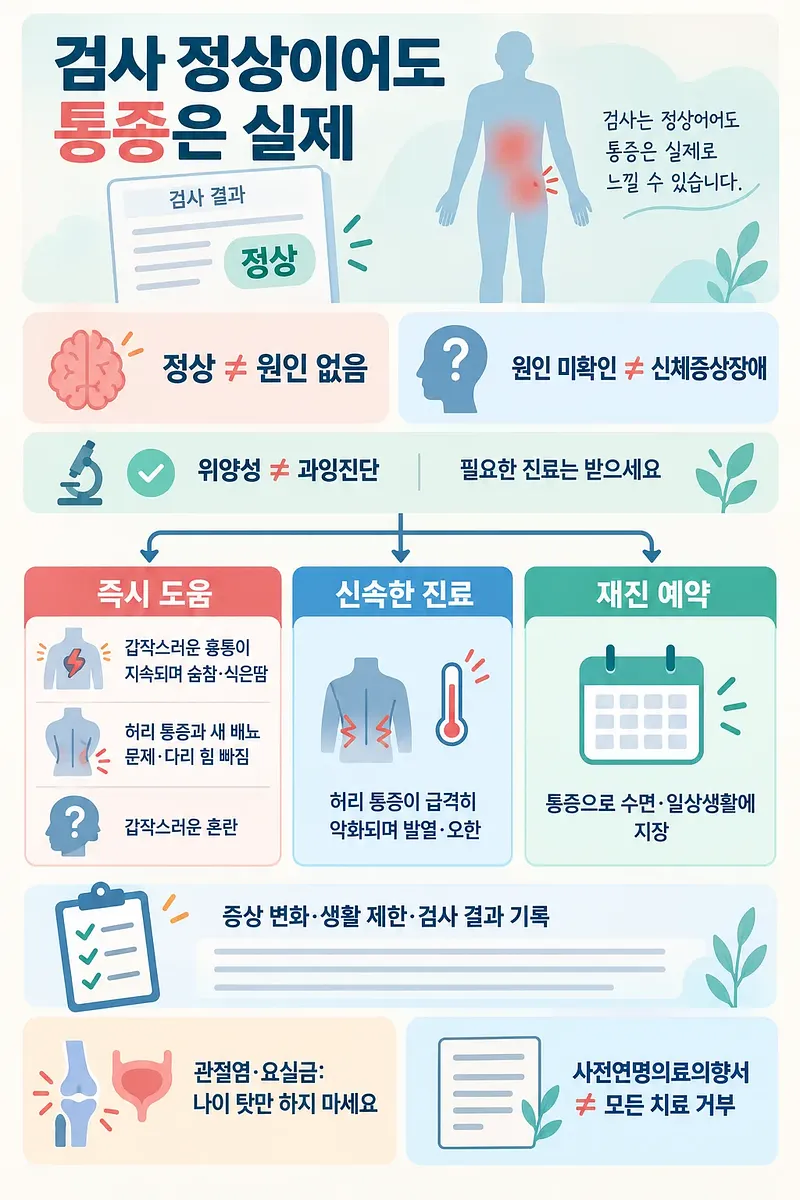
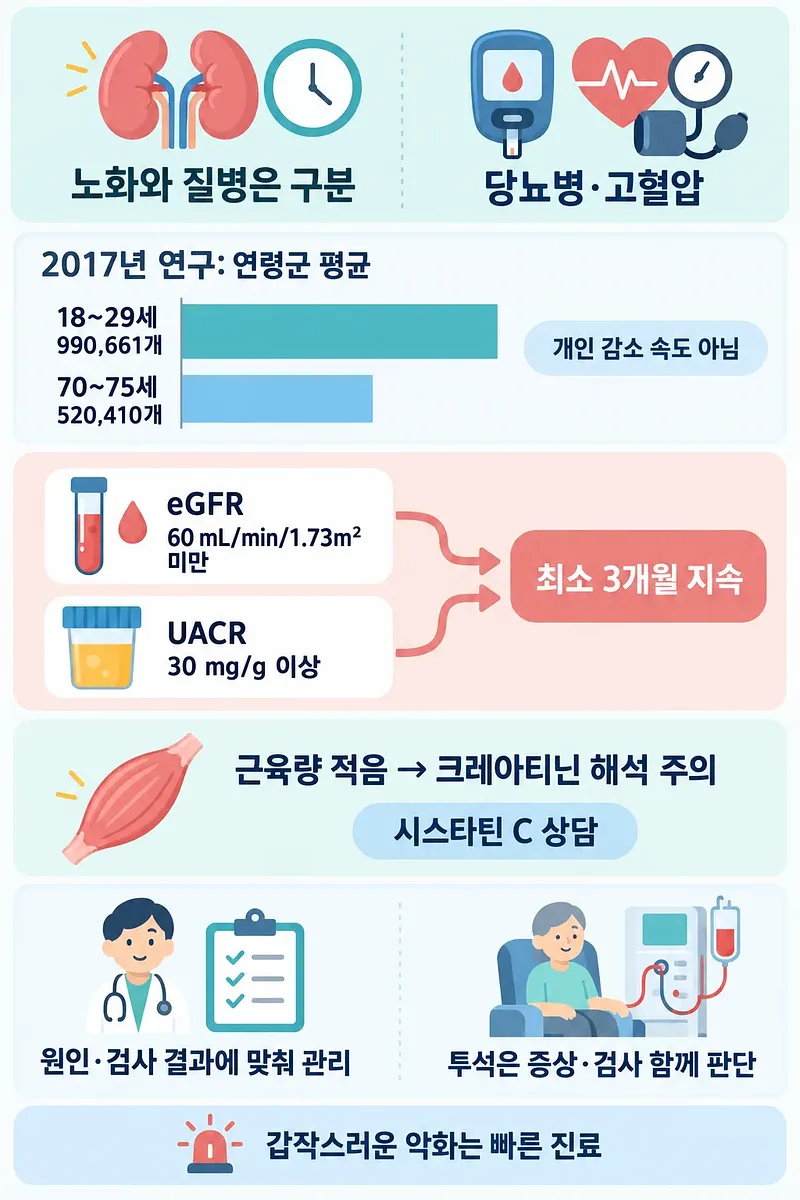
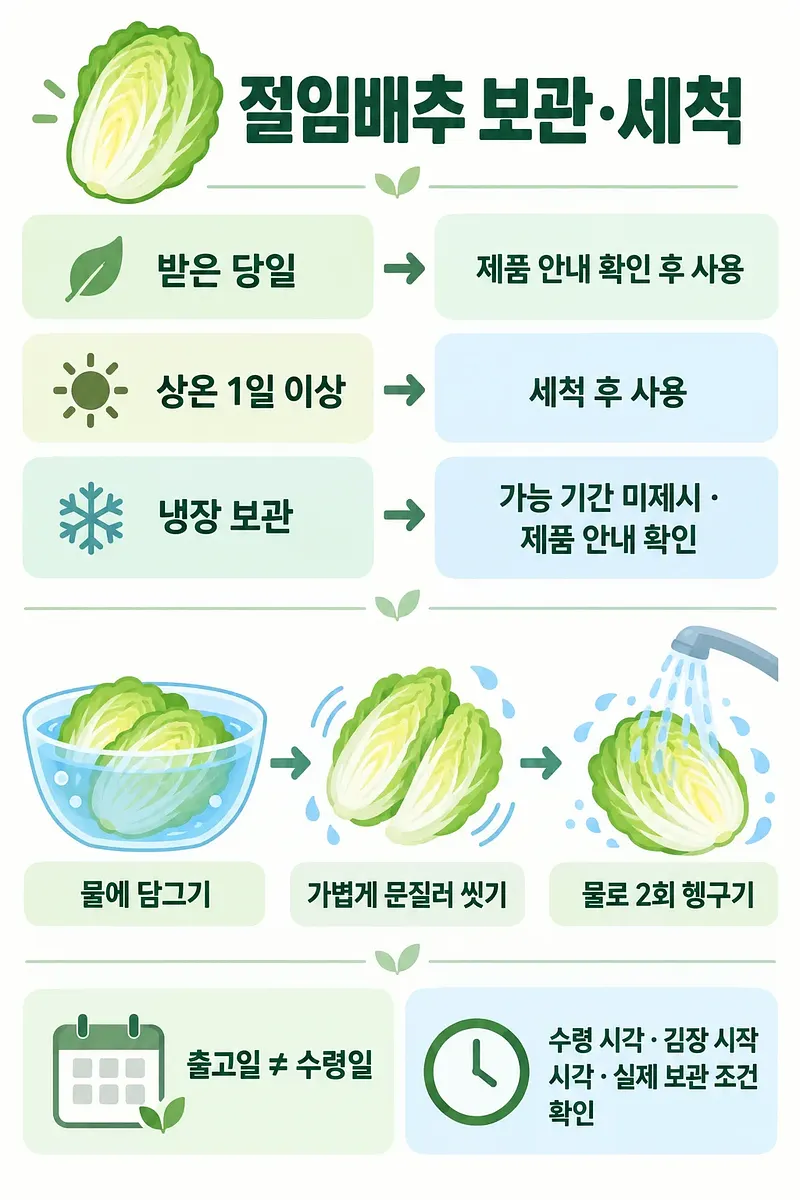
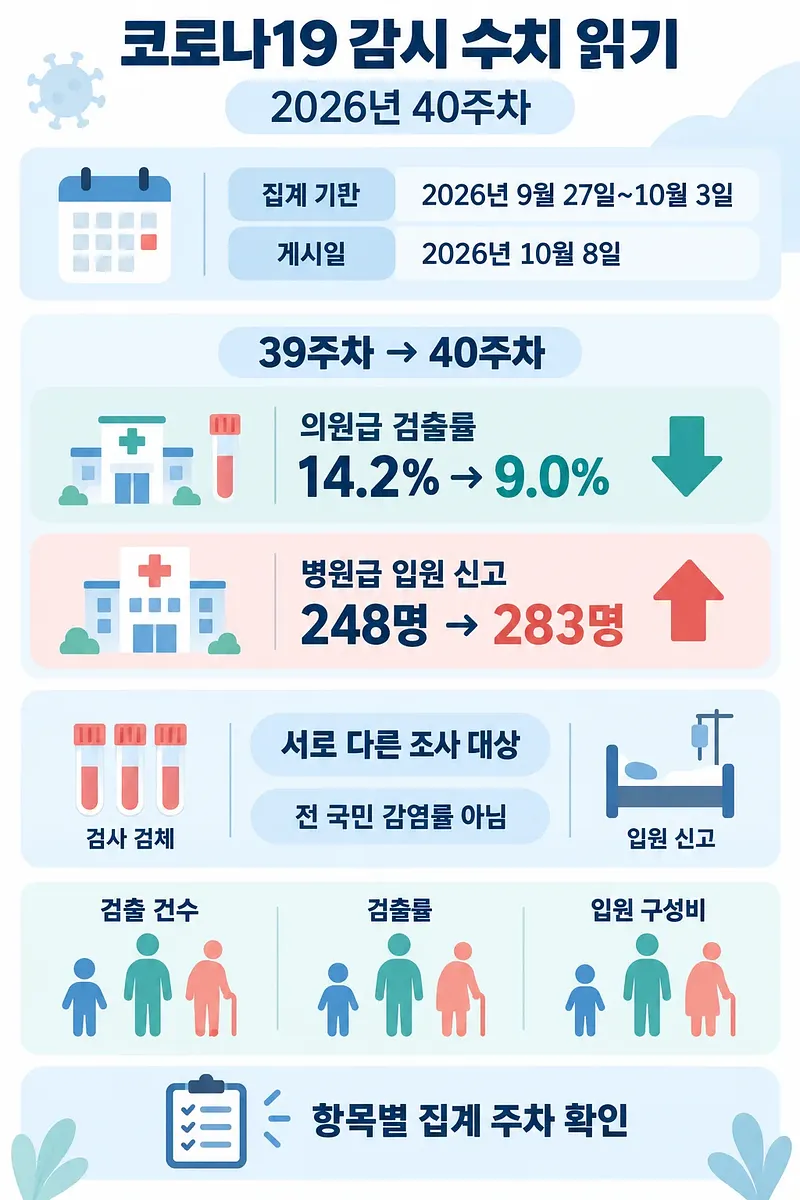
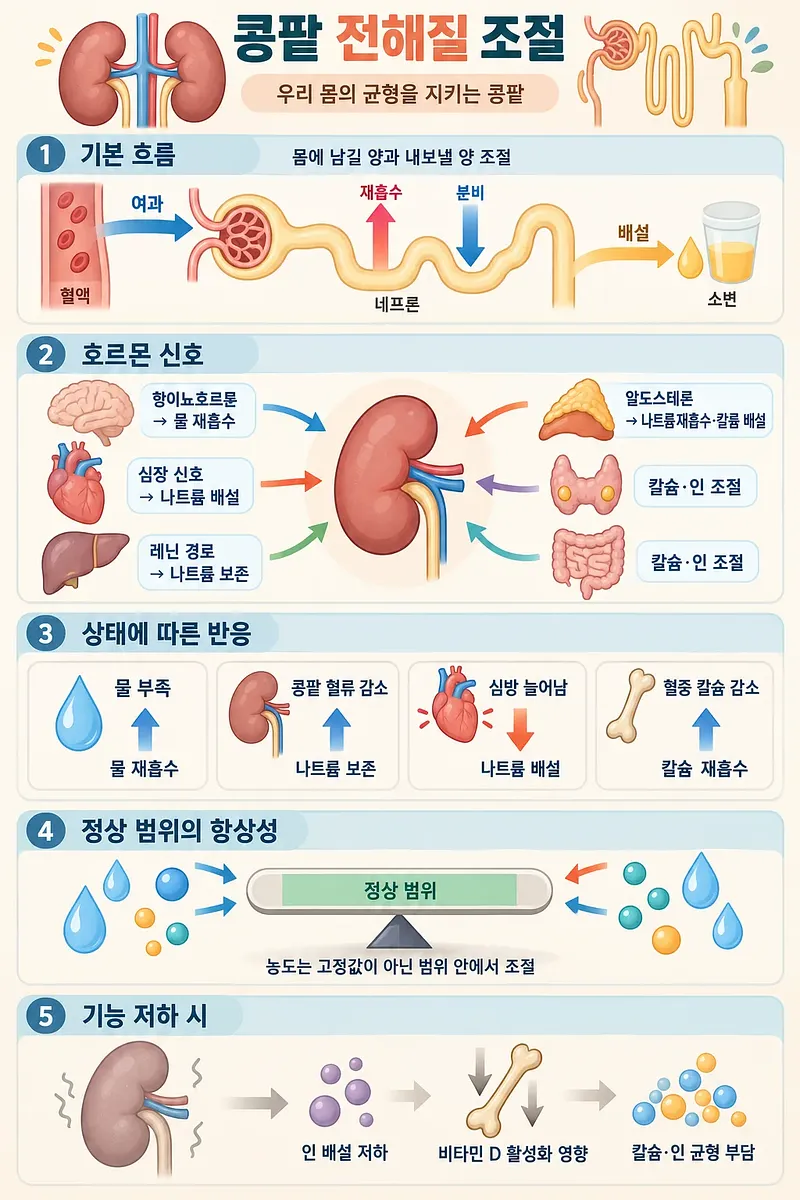
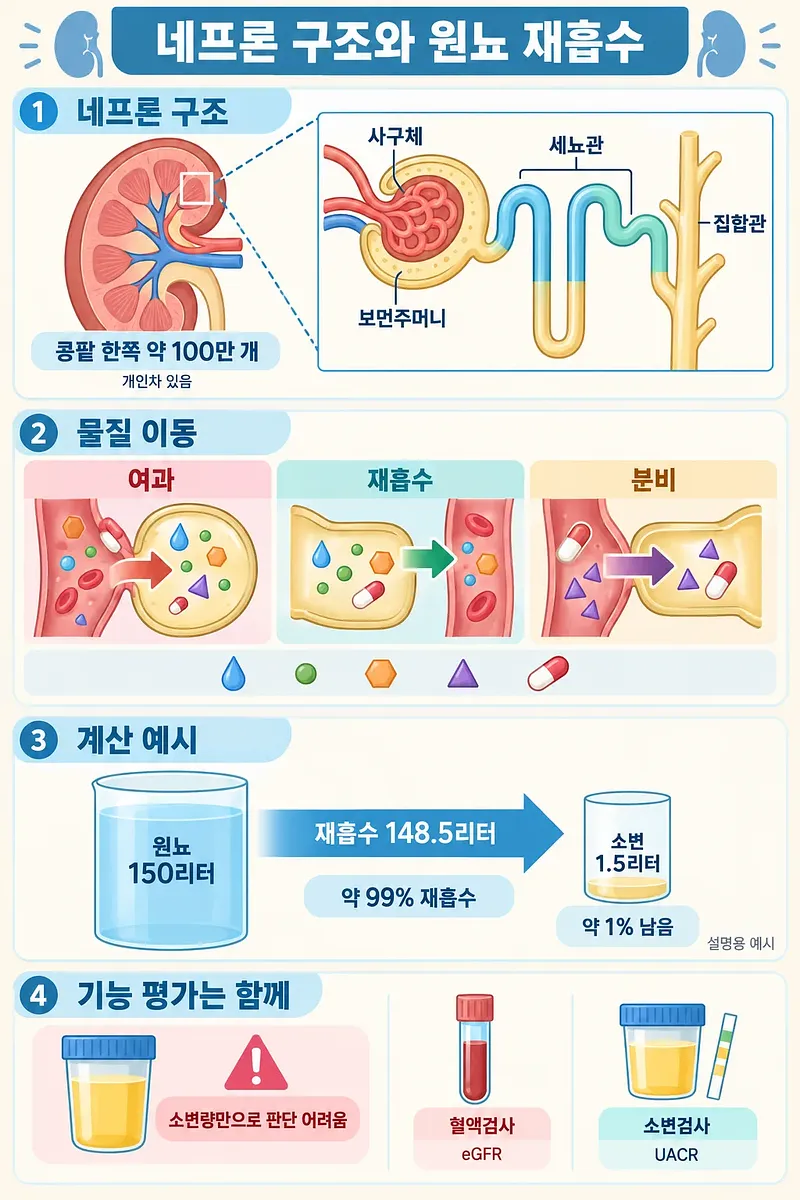
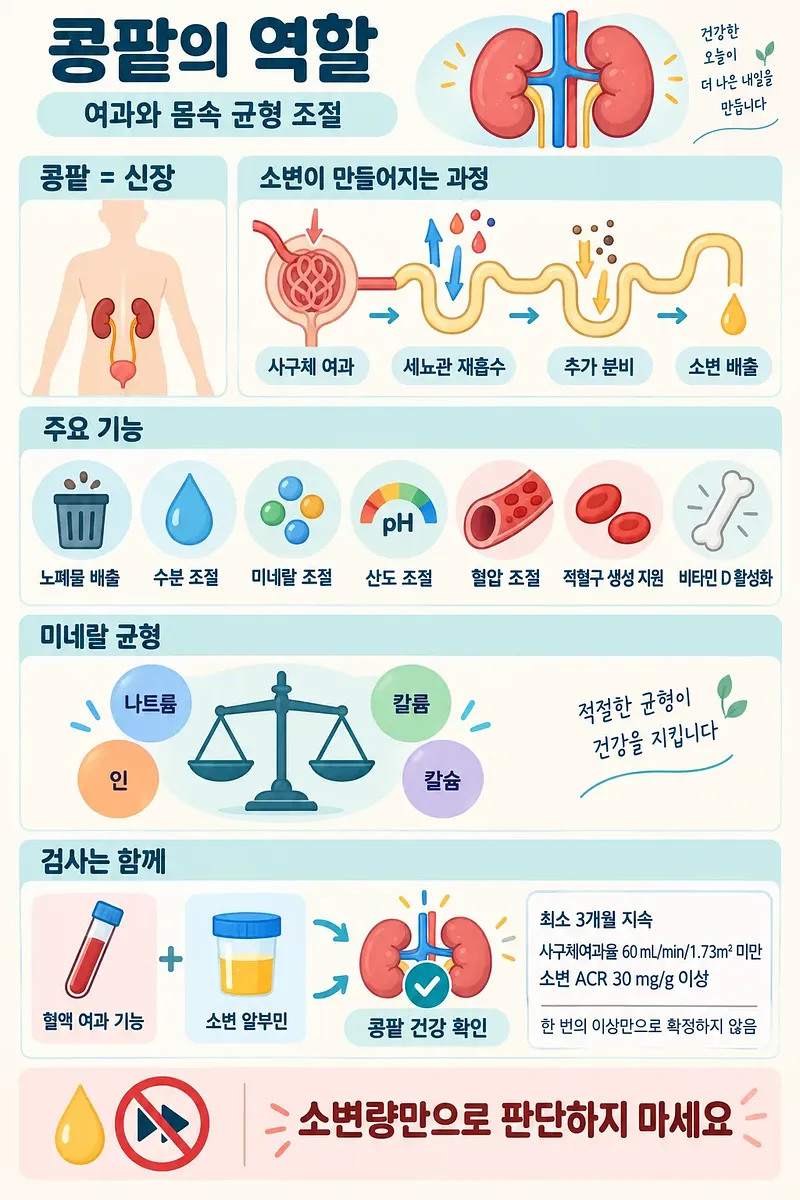
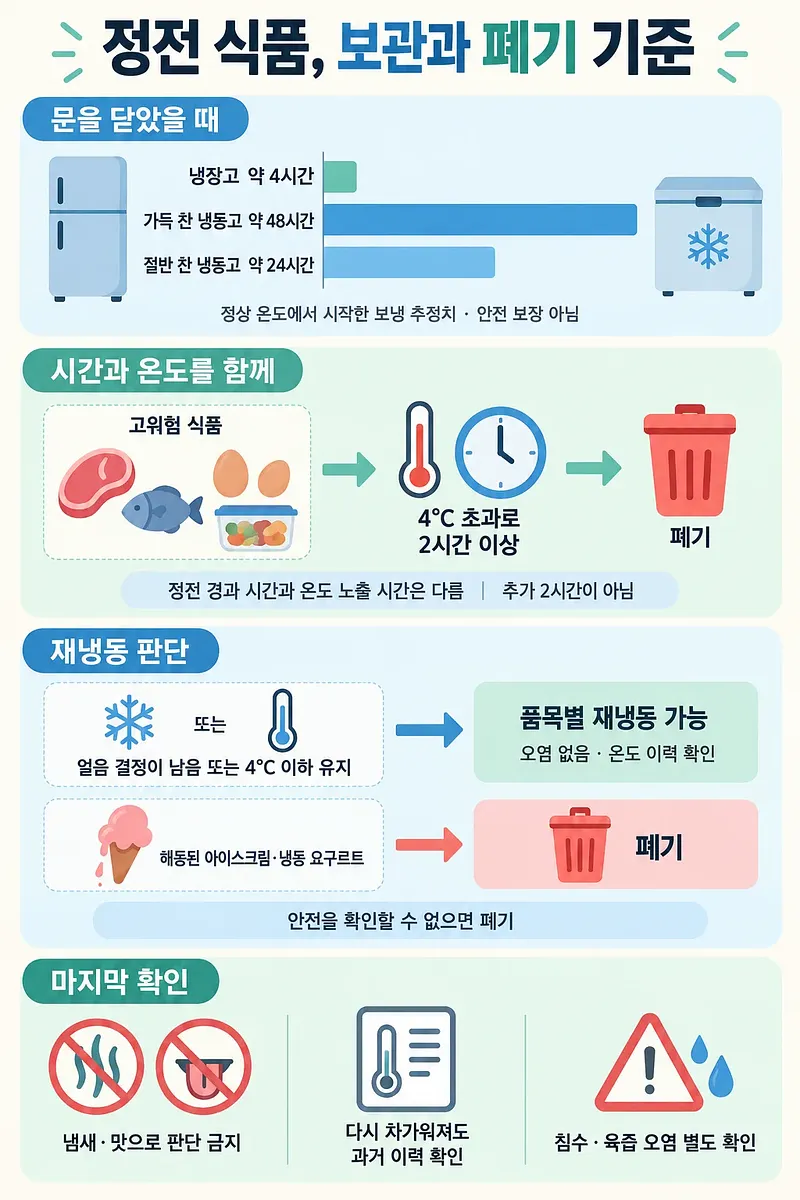
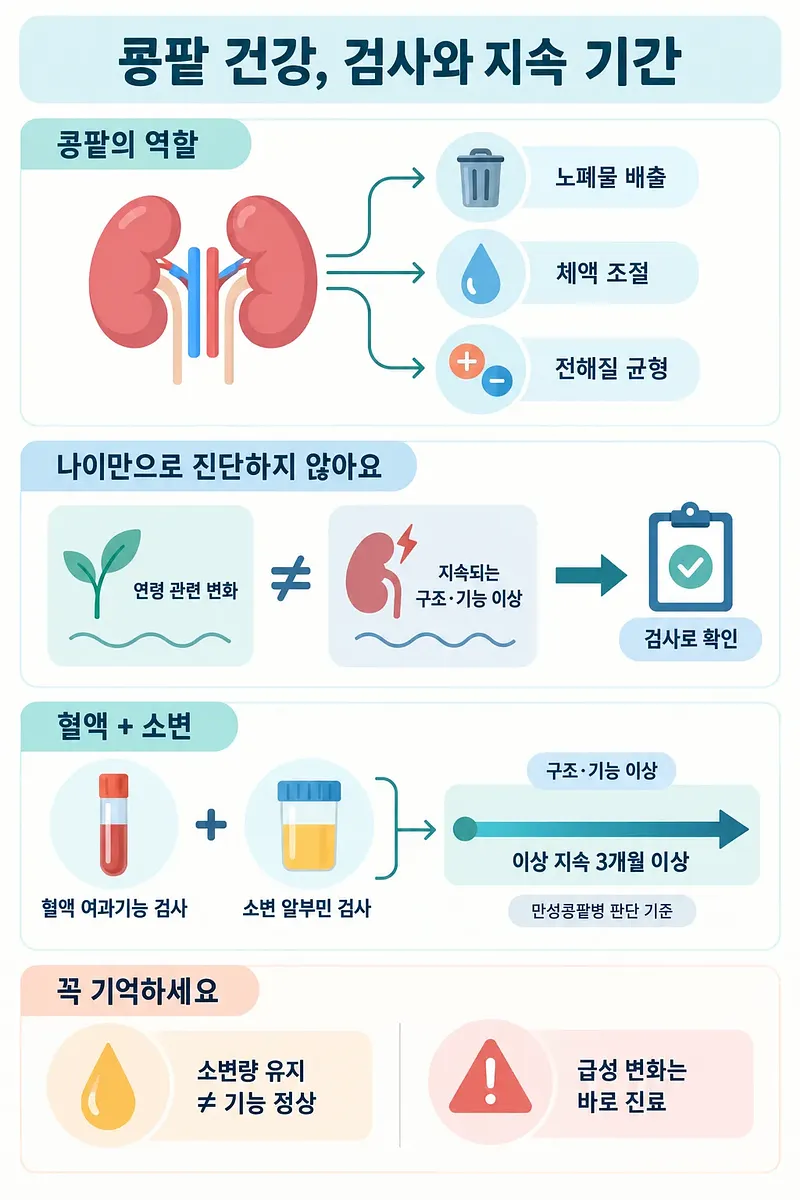
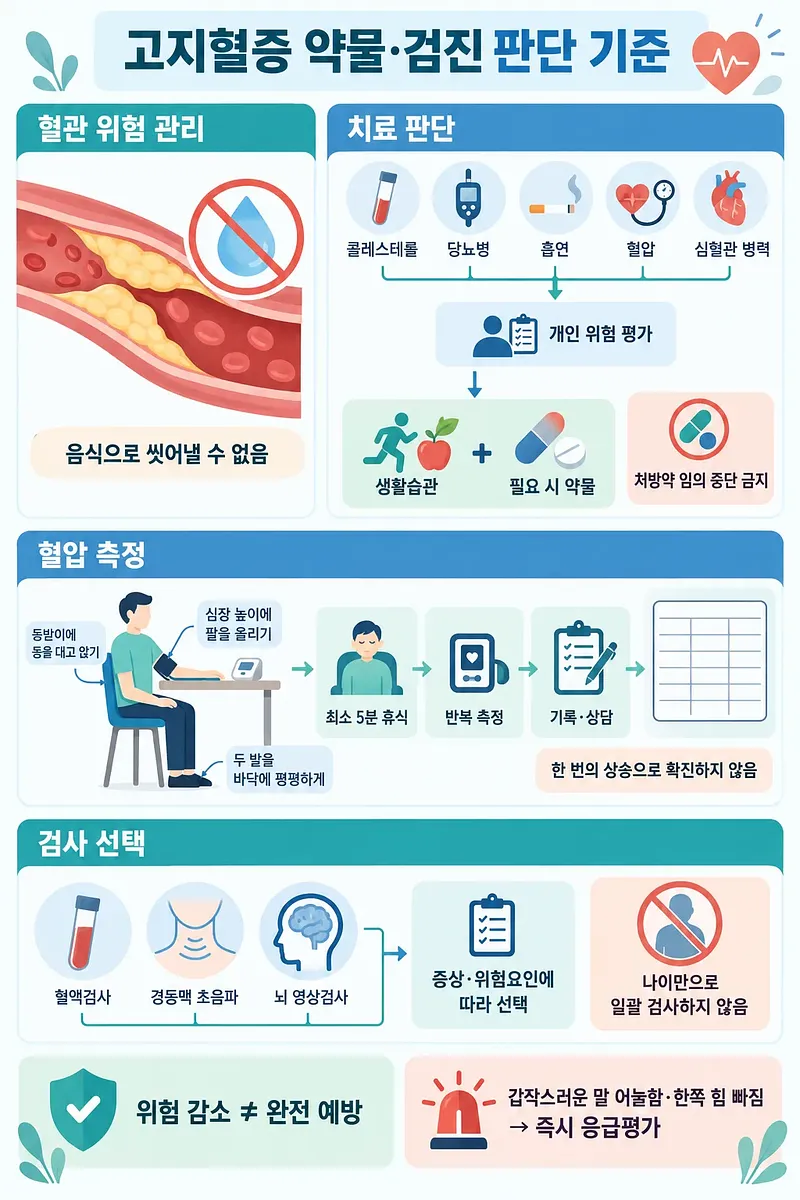
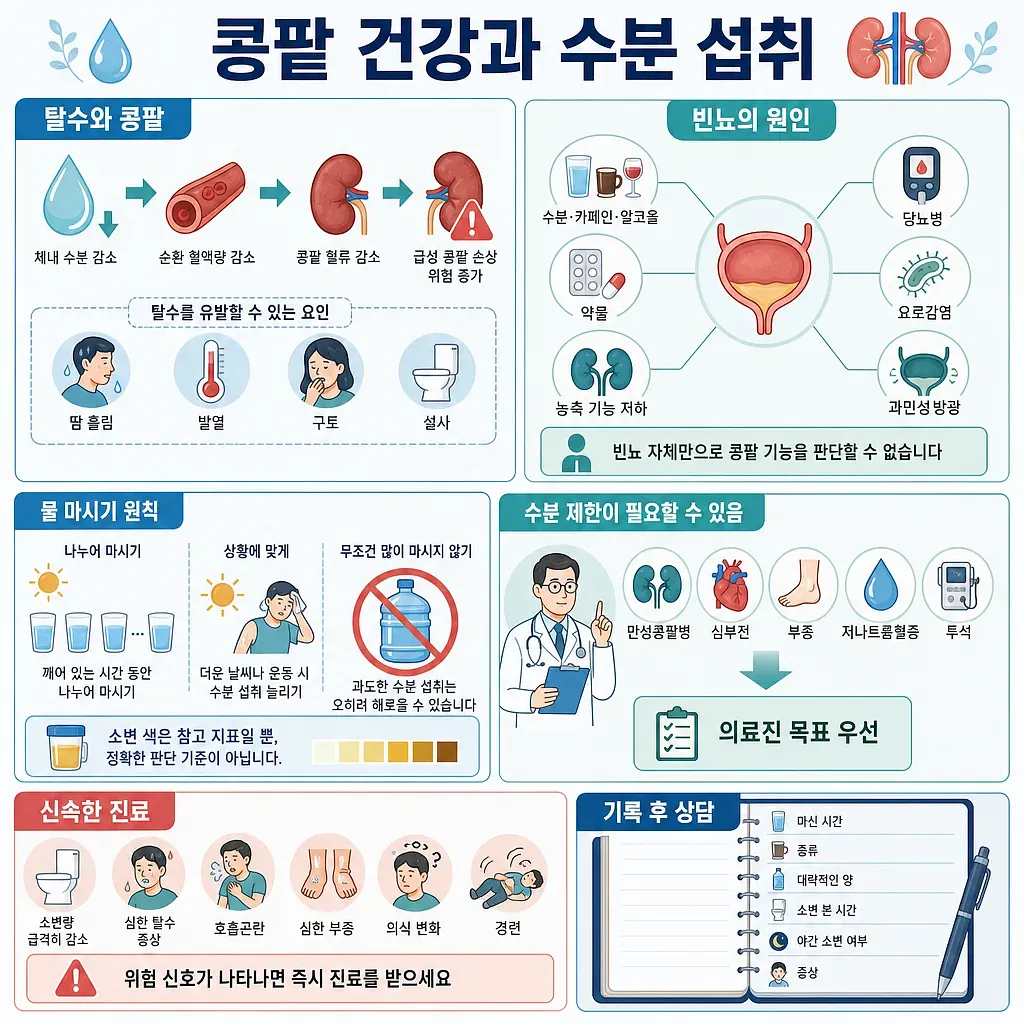
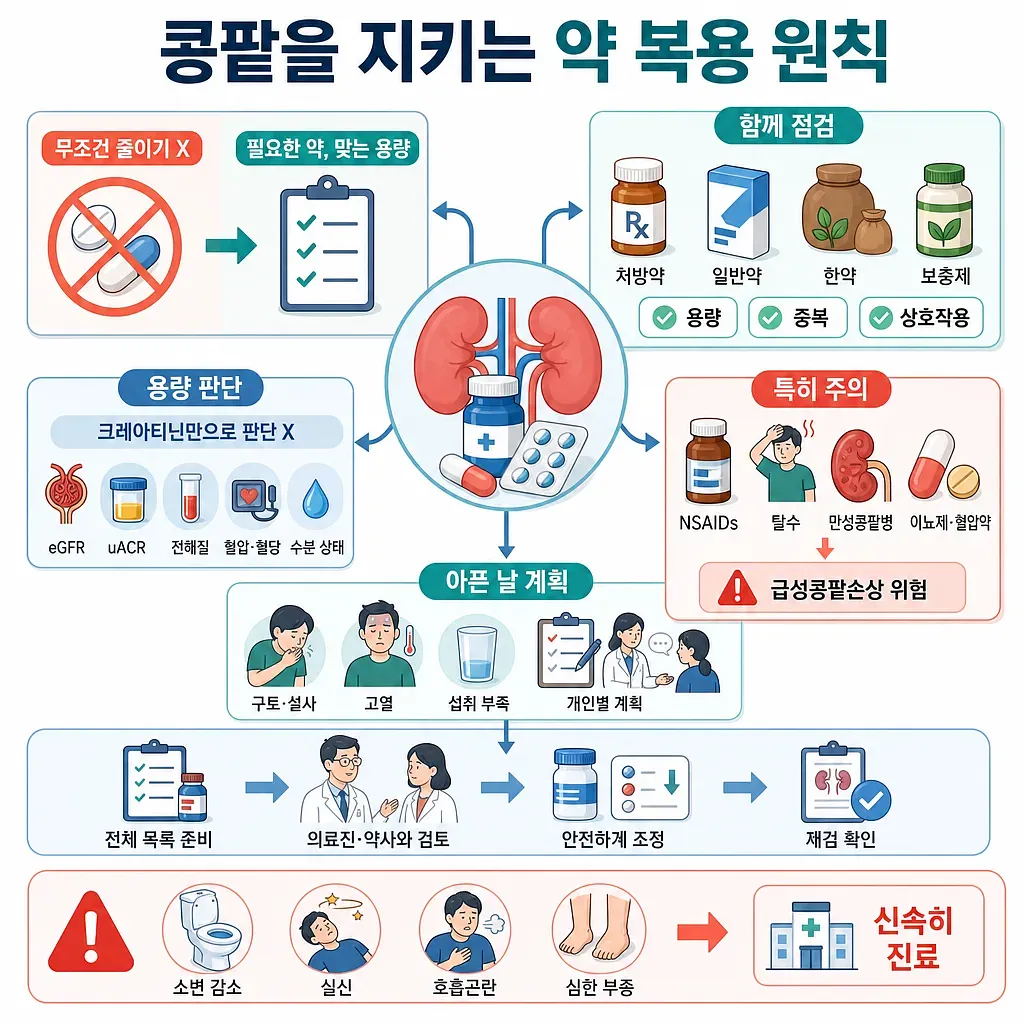
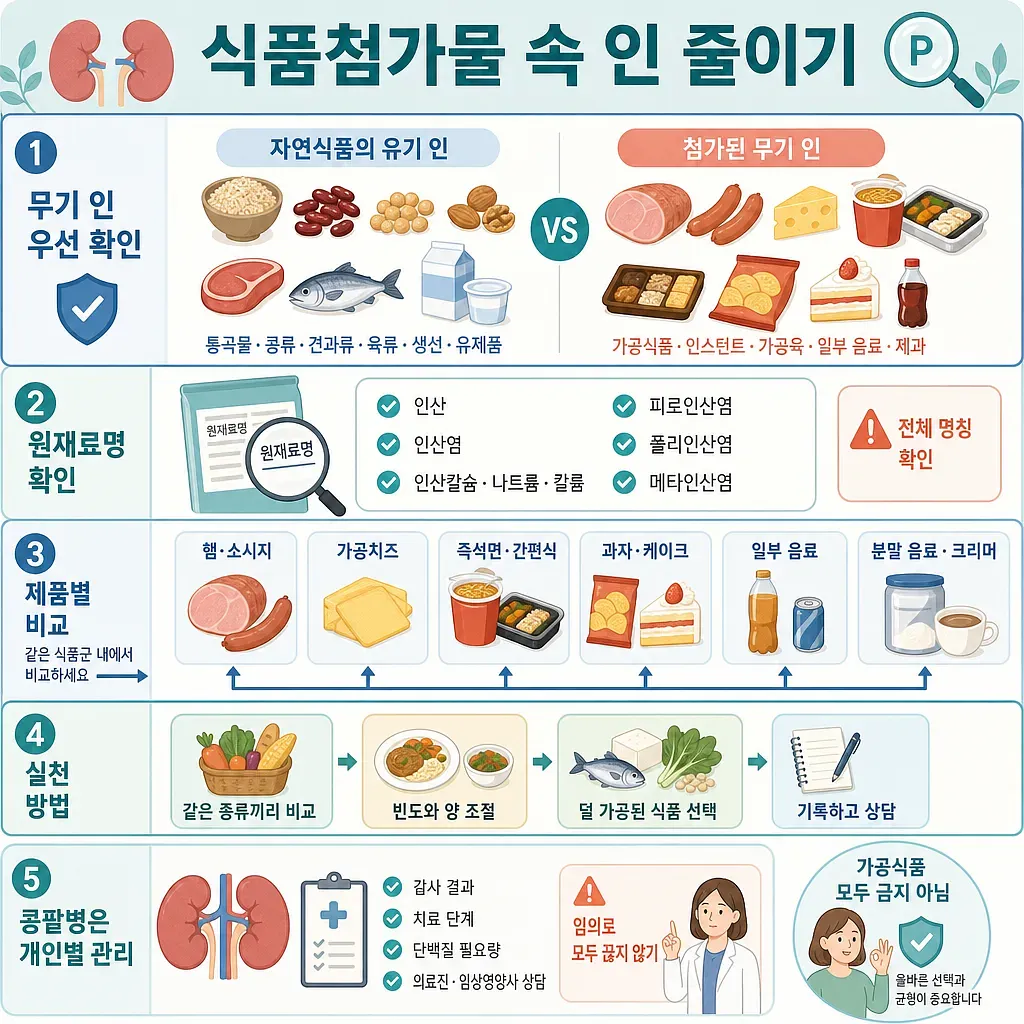
We cover disease surveillance such as Ebola and foodborne illness, conditions that need managing for years like chronic kidney disease, diabetes and hypertension, food labelling standards such as decaf claims, and policy shifts like health insurance fee reform that land directly on what you pay at the clinic.
What we write here is meant to help you understand, not to replace diagnosis or treatment. Knowing the numbers and the terms in advance makes the few minutes you get with a doctor go much further.
52 posts

Subscribe to the newsletter
Get new articles and binder updates by email every day. Issues may also include affiliate products and articles about them (advertising).
Request content
Can't find what you're looking for? Request a topic and we'll create it after review.
Request contentContent API
Serve our reviewed content in 5 formats such as JSON and Markdown, in multiple languages. Start free with an API key.
Explore the APINo infographics are available in the current language, so infographics in all languages are shown.