Social
A short written take on each piece of content: what changed and why it matters. Skim the point first, then follow through to the full article only for what interests you. Every take is drawn from real content, so the link takes you straight to the material it is based on.

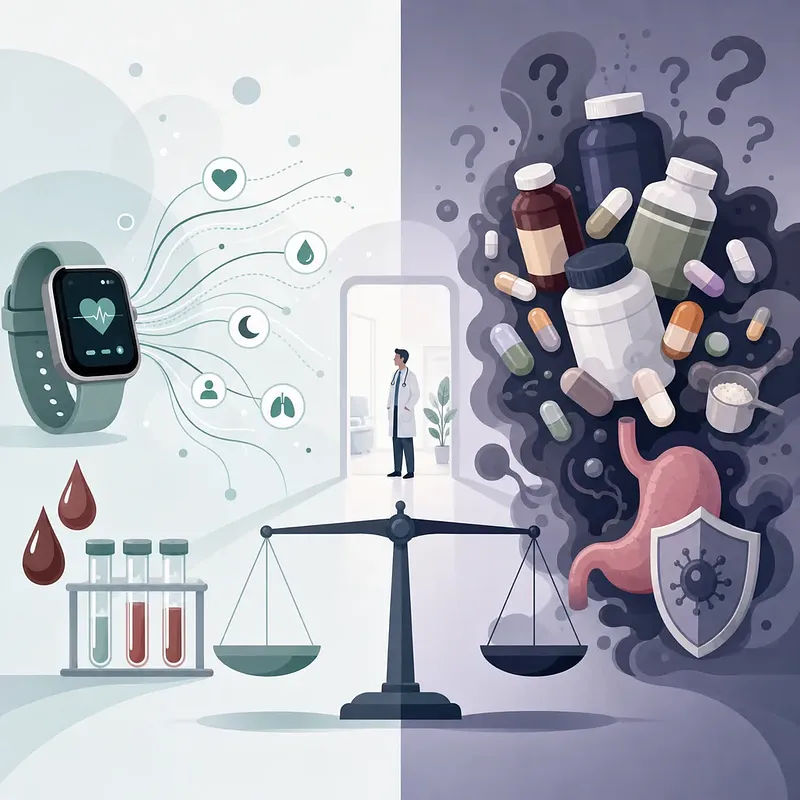
The Brian Johnson autoimmune gastritis discussion highlights a timely question for anyone using wearables, blood panels, or supplement protocols: what can health data actually tell us—and where does it stop? This article examines how biomarkers may reveal indirect signs such as vitamin B12 deficiency, iron deficiency, or anemia, while still falling short of explaining autoimmune disease mechanisms or tissue-level damage. It also looks at the uncertainty created when multiple supplements and prescription medications are combined. For professionals and general readers alike, the key takeaway is practical: define the purpose of testing, track symptoms with criteria, involve a clinician, and know when to stop self-testing. Read more : https://injoys.com/en/articles/bryan-johnson-biohacking-data-limits-autoimmune-gastritis #Biohacking #HealthData

The 2026 discussion around YouTube ad blocking is no longer just about browser extensions. Users are comparing DuckDuckGo, Firefox with uBlock Origin, Brave, TV/Roku alternatives, YouTube Premium, and SponsorBlock—each with different levels of stability, convenience, privacy, and risk. This article explains how options vary by device, what Manifest V3 actually changes for Chrome-based extensions, and why Premium removes YouTube-served ads but not creator-read sponsorship segments. It also looks at the broader impact: stronger platform detection, measurement losses for advertisers, and growing pressure on creators to diversify revenue through memberships, donations, and sponsorships. Useful for anyone evaluating the tradeoffs between free access, privacy, convenience, and supporting creators. Read more : https://injoys.com/en/articles/youtube-adblock-options-2026-duckduckgo-ublock-premium #YouTube #AdBlocking #DigitalMedia

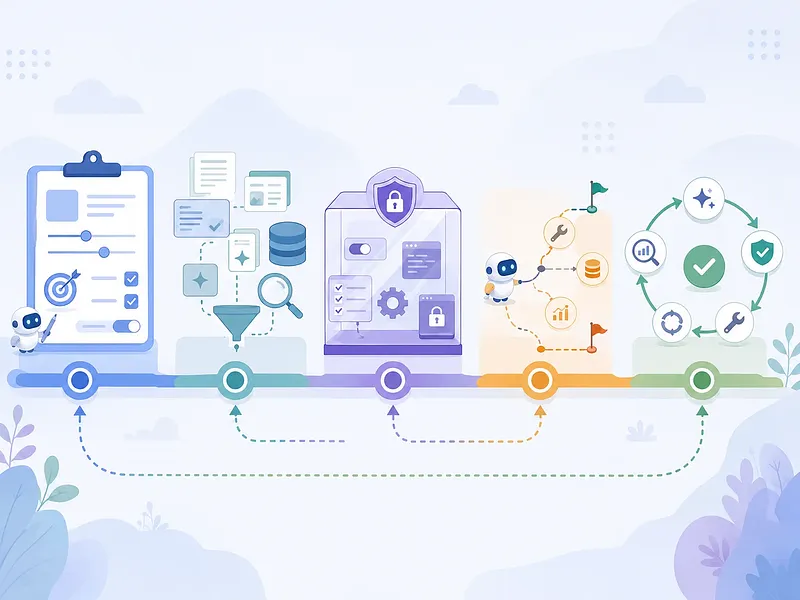
Differences and Design Methods for Prompts, Context, Harnesses, Agentics, and Loop Engineering
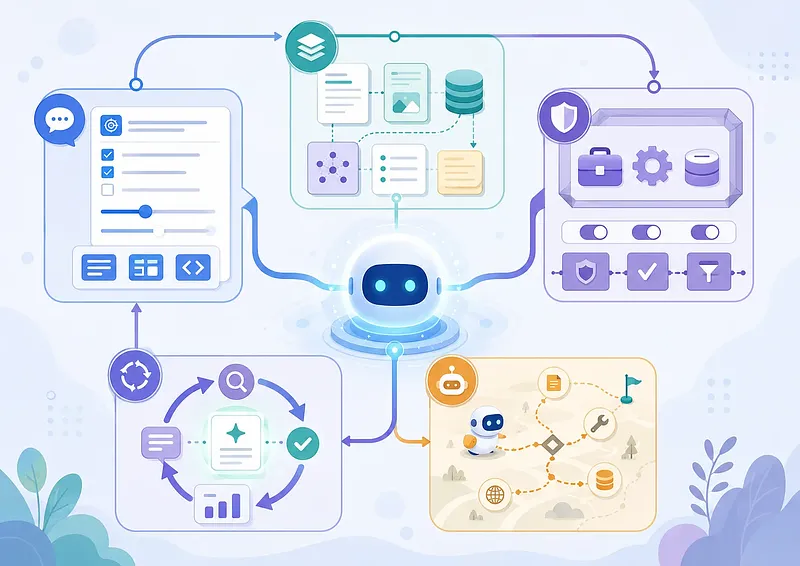
Reliable AI systems require more than well-written prompts. This article explains the practical boundaries between Prompt Engineering, Context Engineering, Harness Engineering, Agentic Engineering, and Loop Engineering. It matters because each approach solves a different problem: defining instructions, managing information quality, creating safe tool environments, delegating limited autonomy, and improving results through verification and correction cycles. The article also covers integration structures, application sequences, validation metrics, and failure prevention methods—useful for teams building or evaluating AI workflows. Read more : https://injoys.com/en/articles/prompt-context-harness-agentic-loop-engineering #AI #PromptEngineering #AIEvaluation
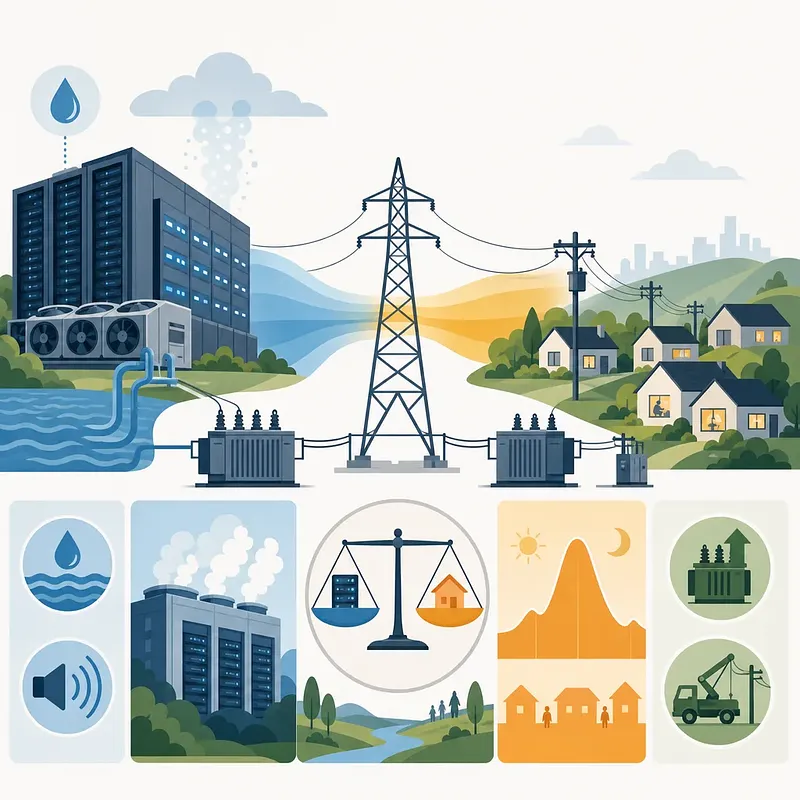
Oregon’s debate over electricity rates for AI data centers highlights a growing policy issue: how should grid expansion costs be allocated when very large power consumers enter a region? The article organizes the discussion into practical data points, including the 20 MW threshold for large users, a proposed 30% rate increase, possible 1.3% or 1.9% residential rate reductions, and arguments over cost causation versus industrial discrimination. It also identifies broader factors other regions may need to evaluate: connection capacity, peak demand, transmission and distribution upgrades, long-term power procurement, noise, water usage, and protections against shifting costs to local residents. A useful reference for energy, infrastructure, and regulation watchers. Read more : https://injoys.com/en/articles/oregon-ai-data-center-electricity-rate-debate #PowerGrid #ElectricityRates #AIDataCenter

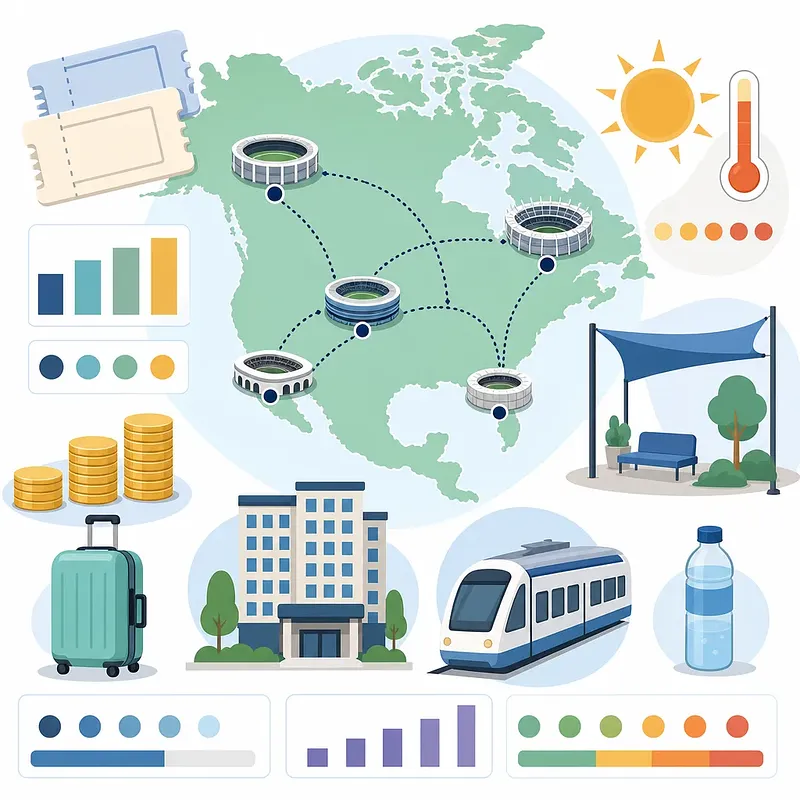
The economics of attending the 2026 FIFA World Cup extend well beyond official ticket prices. A more useful approach is to treat attendance as a total cost of ownership: ticket face value, resale pricing, platform fees, transportation, lodging, exchange rates, and climate-related disruptions. The article also frames extreme heat as more than a player-performance issue. Hydration breaks, weather monitoring, possible match delays, spectator queues, staff safety, and public transit capacity all become measurable risk categories. For host cities, the tournament functions as a stress test for mobility, accessibility, and climate adaptation planning. Read more : https://injoys.com/en/articles/2026-world-cup-costs-heat-risk-data #SportsData #WorldCup2026

Claude Code Loop Engineering Guide: 4 Types of Loops and Safe Automation Design
As AI agents take on more development automation tasks, loop design becomes a reliability and safety issue—not just an implementation detail. This article explains four Claude Code loop patterns: turn-based loops for verification procedures, goal-based loops for termination decisions, time-based loops for scheduled re-execution, and proactive loops for system-led initiation and orchestration. It also outlines practical safeguards: measurable completion criteria, external verification evidence, forced termination, idempotent actions, cost control, and least-privilege permissions. These details matter because goal evaluation depends on the evidence visible in the conversation, including test outputs, exit codes, and clearly reported change scope. Read more : https://injoys.com/en/articles/claude-code-loop-engineering-guide #AIAgents #DevelopmentAutomation #ClaudeCode