 Injoys
Social
A short written take on each piece of content: what changed and why it matters. Skim the point first, then follow through to the full article only for what interests you. Every take is drawn from real content, so the link takes you straight to the material it is based on.
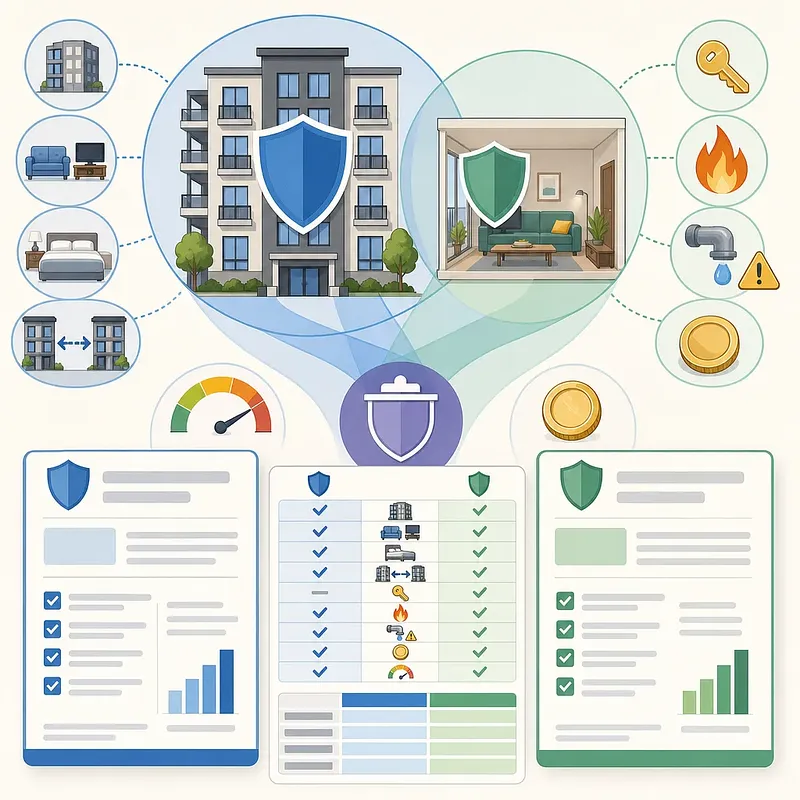
Comparing Coverage Between Apartment Group Fire Insurance and Personal Home Fire Insurance
Owners weigh group fire insurance alone. Its existence does not establish that every household, person or property is fully covered. Contract terms can assign different insured parties, property, limits, deductibles and access to coverage for each unit. A sound comparison starts with the management office’s policy. Check building restoration, household contents, temporary living expenses, tenant liability and damage to neighbors. Then assess whether personal cover is needed only for the remaining gaps. This can help protect household cash flow and make post-loss arrangements more manageable. Premium is only one variable. Compare the insured amount with insurable value, claim settlement standards, exclusions and deductibles. Indemnity-based building, contents and liability cover generally cannot pay more than the actual loss, while ordinary plumbing leaks and downstairs leak liability are not automatically part of basic fire cover. Owners should read this first for restoration and neighbor liability; tenants should focus on contents and tenant liability. Read the article before structuring additional coverage. #FireInsurance #HomeownersInsurance

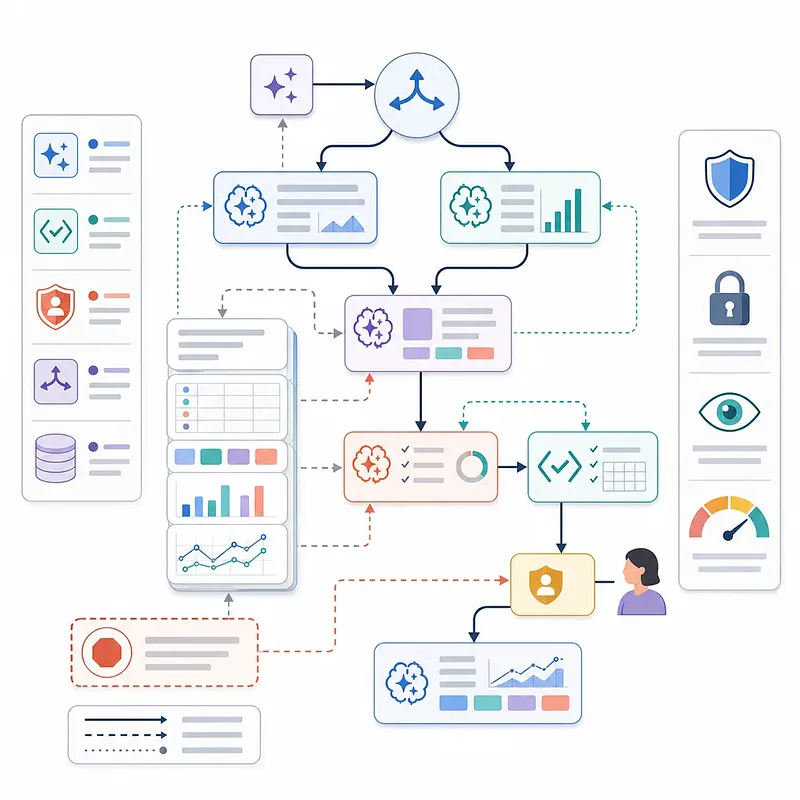
Building a dependable AI agent requires more than improving prompts or model outputs. The entire workflow must be engineered. Graph engineering defines how tasks move through nodes, edges, shared state, branches, iterations, and termination conditions. This matters operationally because different responsibilities need different owners: code can handle deterministic validation and numerical comparisons, models can interpret ambiguity, and humans can approve high-risk decisions. The article also outlines essential production safeguards, including state schemas, retry limits, duplicate-execution prevention, observability, permission boundaries, and cost budgets. It is a practical framework for teams designing AI agent systems that must be reliable, controllable, and maintainable. #AIAgents #AIDevelopment #GraphEngineering

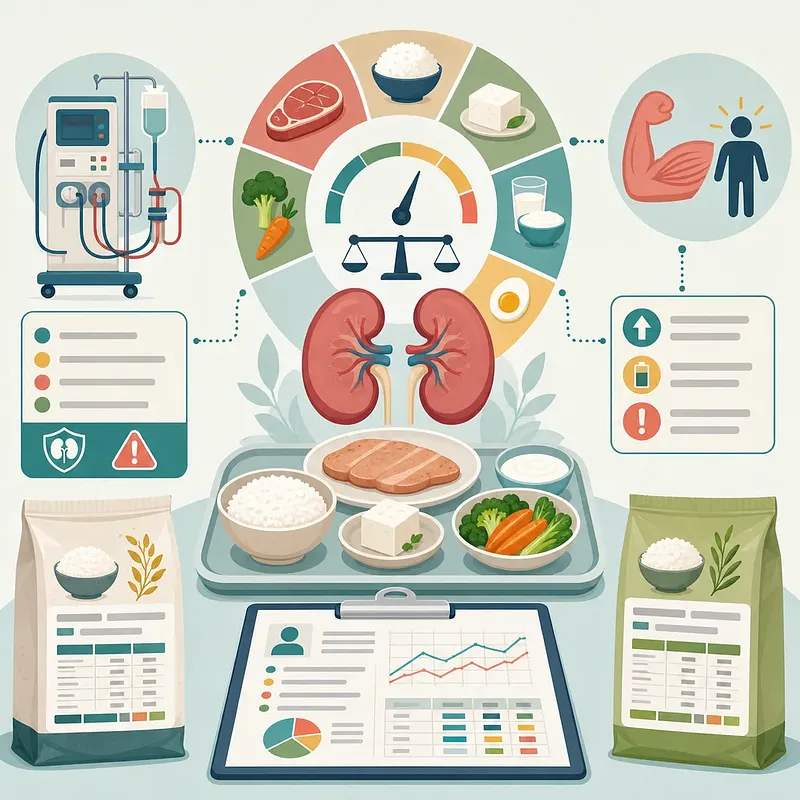
Should You Stop Eating Meat If Your Kidneys Are Weak?
CKD teams must weigh dialysis status. Protein needs differ, so “avoid meat” is not a sufficient dietary rule on its own. Counting only meat can underestimate intake. Rice, bread, noodles, tofu, and dairy products also contribute protein, which can materially change how much room remains in a daily target. The article presents total protein as the more useful decision framework. It explains how low-protein rice may create room for meat while highlighting the need to review each product’s nutrition information and the meal’s total calories. For adults not on dialysis, applicable disease stages and target amounts should be checked against current KDIGO guidance and confirmed with the healthcare team. Adults with chronic kidney disease, especially those on dialysis or at risk of malnutrition or sarcopenia, should read the article before making broad protein cuts. Reducing protein too far may be harmful in those situations. #KidneyHealth #ChronicKidneyDisease

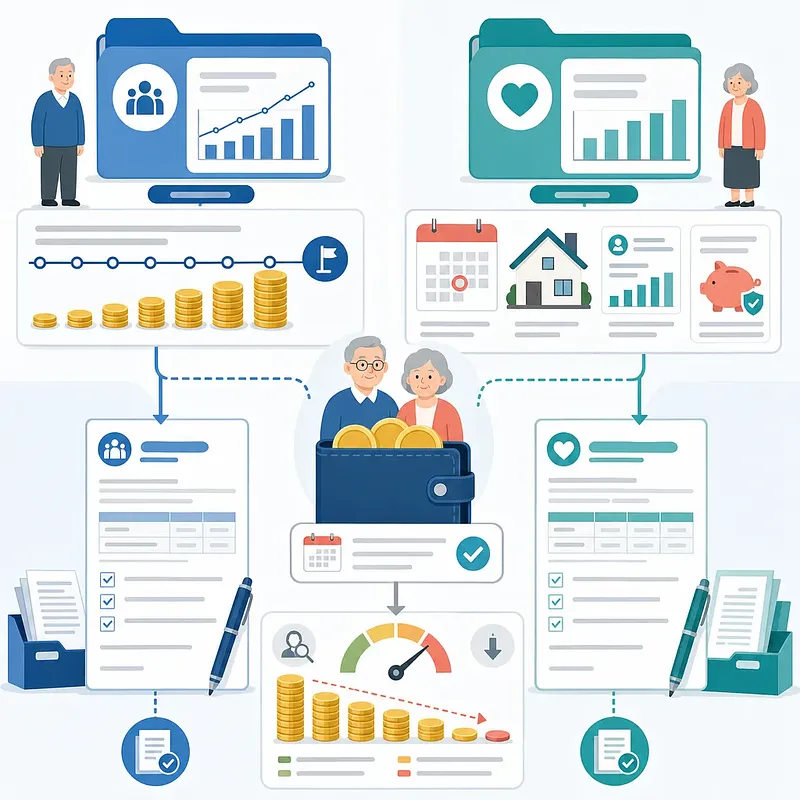
Understanding the distinction between Korea’s Old-Age Pension and Basic Pension is important for retirement planning. The Old-Age Pension is based on National Pension enrollment history and generally requires at least 10 years of coverage. The Basic Pension supports eligible people aged 65 or older whose recognized household income falls within the annual threshold. In 2025, that threshold was KRW 2.28 million per month for single-person households and KRW 3.648 million for married couples. Eligible individuals may receive both, but National Pension benefits, other income, and assets can affect the Basic Pension assessment and amount. Neither benefit is automatic; each requires a separate claim or application. #NationalPension #BasicPension

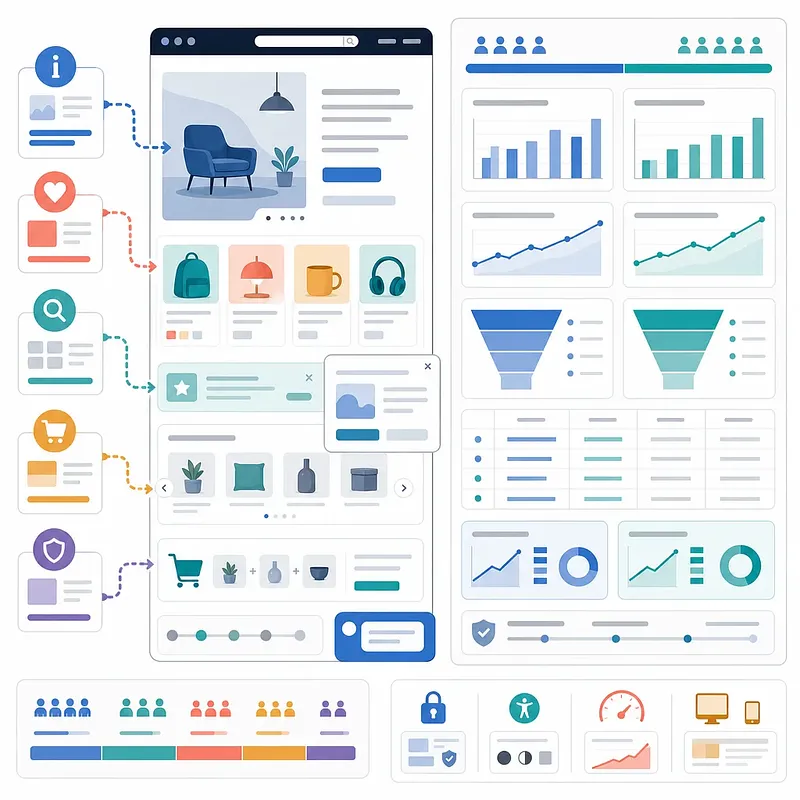
On-site marketing is not simply a collection of pop-ups and banners. Done well, it helps different visitor segments find relevant information, evaluate products, and complete purchases with less friction. This article outlines a five-stage approach: deliver timely notifications, support persuasion with accurate messaging and social proof, simplify browsing through recently viewed products and recommendations, increase average order value with contextual cross-selling and bundles, and respond to signs of abandonment. Measurement is equally important. Tracking profit—not only revenue—and comparing results with a control group can show whether each tactic creates genuine incremental value. #OnsiteMarketing #Ecommerce

Personal Liability Insurance Claim Procedures and Cost Categories for Apartment Leaks
Four costs face apartment leak filers. Downstairs repairs, detection, pipe repair, and home restoration follow different coverage criteria. A claim can be misjudged when the source is uncertain or multiple policies are in force. The policy valid on the incident date, insured parties, property address, deductible, and legal liability all affect the review. The article presents a decision-ready process: notify management and the insurer, preserve photos and video before removal or repair, and use the leak detection report to distinguish exclusively owned areas from common areas. It also explains how to itemize estimates and receipts so each cost category reaches the relevant claims department. Owners, tenants, and management entities handling damage to a lower unit should read the article. It also covers written calculations for covered items, proportional allocation, deductibles, and denial reasons when multiple insurers are notified. #InsuranceClaims #PropertyManagement