 Injoys
Social
A short written take on each piece of content: what changed and why it matters. Skim the point first, then follow through to the full article only for what interests you. Every take is drawn from real content, so the link takes you straight to the material it is based on.

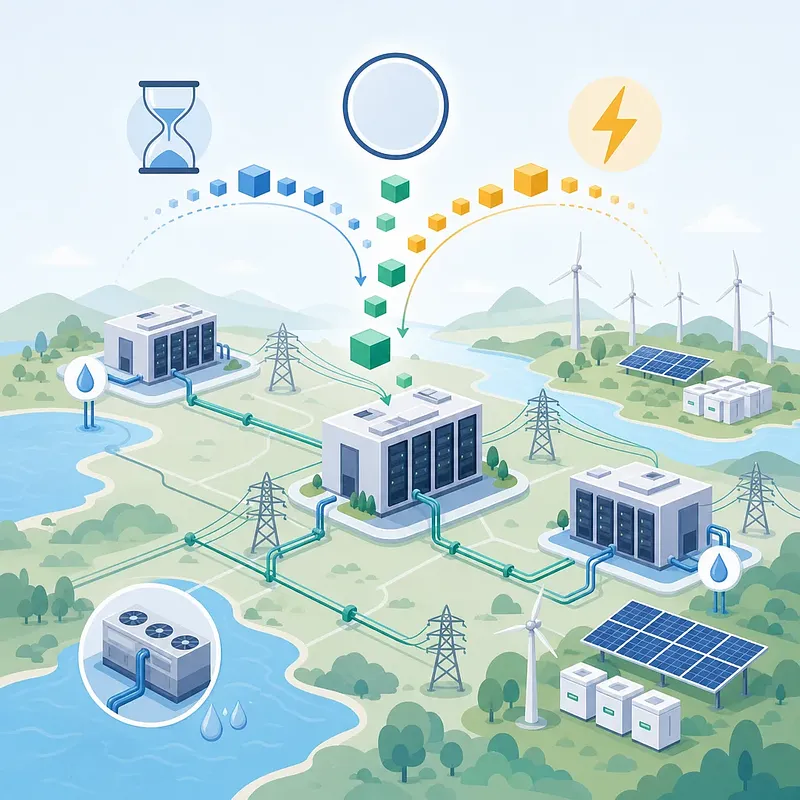
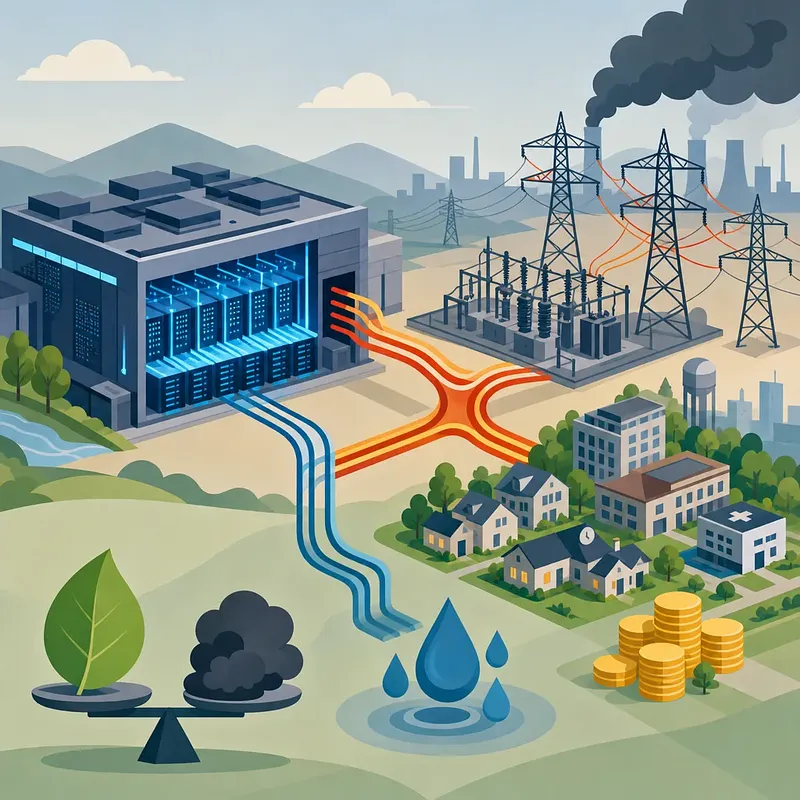
AI data centers are becoming a major energy and infrastructure planning issue. Their rapid growth affects more than electricity demand: it raises questions about grid connection queues, transmission and distribution capacity, substation expansion, permitting, and who should pay for new power infrastructure. The article also explains why sustainability reporting needs to be read across multiple metrics—electricity consumption, renewable procurement, greenhouse gas emissions, water use, and cooling efficiency—rather than through a single headline figure. It also examines the promise and limits of grid-flexible AI operations, especially the difference between delay-tolerant workloads and real-time services. Read more : https://injoys.com/en/articles/ai-data-center-power-grid-tariffs-carbon #AI #Energy #Sustainability

“Ghost accounts,” also known as straw or mule accounts, are often used to move funds obtained through voice phishing and to make financial tracking harder. This article explains how people may be recruited through seemingly ordinary requests, including high-paying part-time jobs, shopping or currency exchange services, loan processing, and mistaken-transfer refunds. It also highlights an important compliance point under Korean standards: transferring or lending access devices such as bankbooks, debit cards, passwords, or OTPs in exchange for compensation can be punishable under the Electronic Financial Transactions Act. For individuals, the practical takeaway is clear: do not re-transfer unexpected deposits. Report them to your financial institution and follow the official procedure. https://injoys.com/en/articles/daepotongjang-voice-phishing-prevention #FinancialFraudPrevention #VoicePhishing

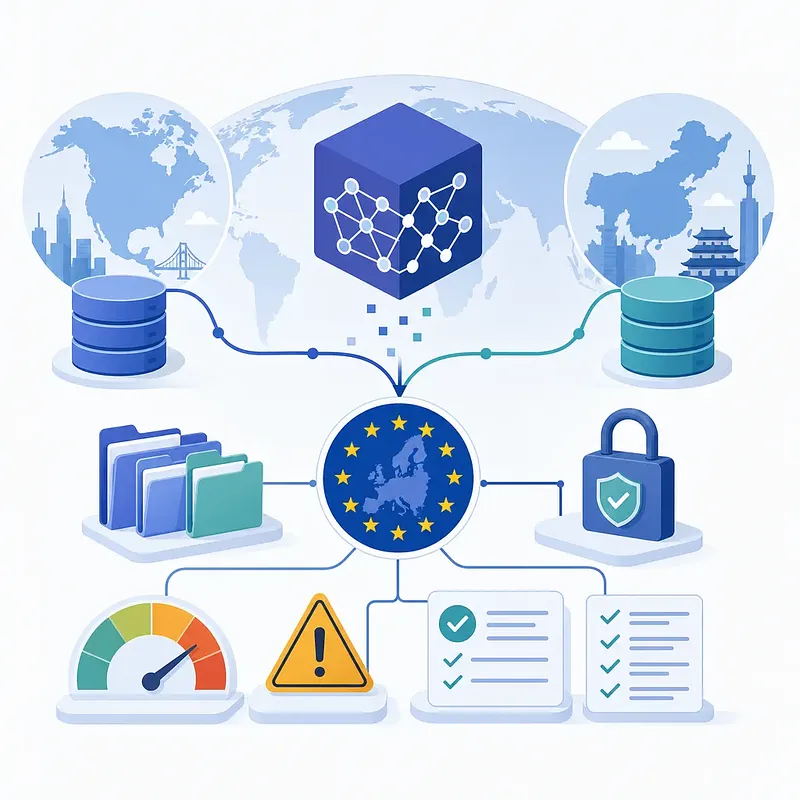
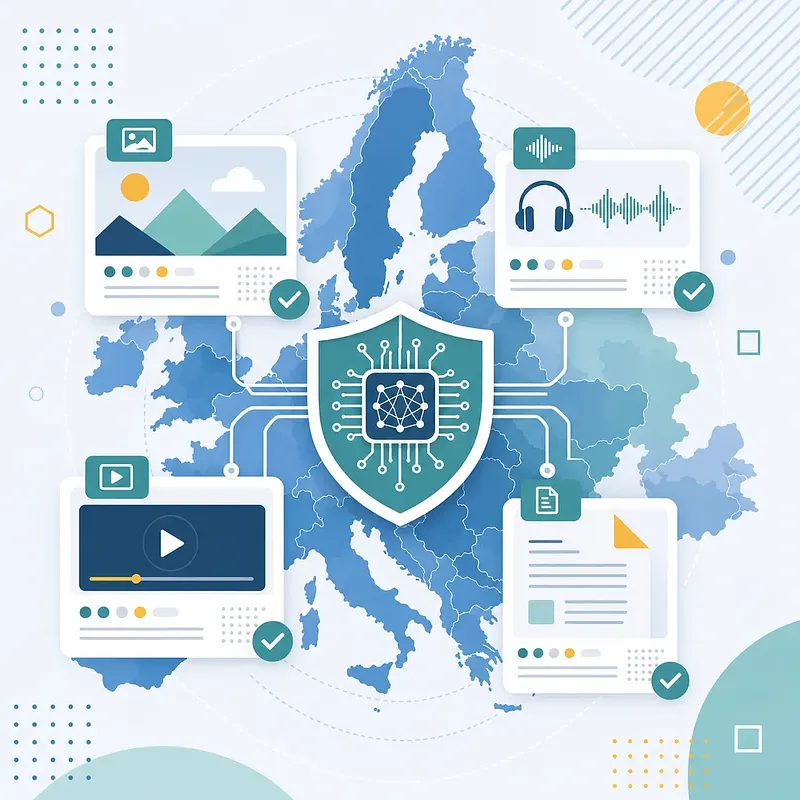
Checklist for the EU AI Act, Effective August 2026: Generative AI Labeling and GPAI Requirements
EU AI teams prepare for August 2. On that date in 2026, key EU AI Act transparency obligations take effect, including requirements concerning the identification and labeling of AI-generated content. For companies planning EU services, this turns transparency design into a compliance decision rather than a product preference. Scope is not limited to organizations established in the EU. Korean and U.S. companies must assess whether the rules apply when they provide AI systems or GPAI models to the EU market, or when their outputs are used within the EU. A voluntary code of conduct may help demonstrate sincere compliance efforts, but it does not replace legal obligations. The article provides a practical checklist covering provider roles, technical documentation, information for sub-providers, copyright policies, and training data summaries. It also outlines the enhanced assessment, risk mitigation, major-incident reporting, and cybersecurity measures required for GPAI models posing systemic risks. AI providers, legal teams, product leaders, and risk professionals preparing EU-facing services should read the checklist before finalizing their compliance plan. #EUAIAct #AICompliance
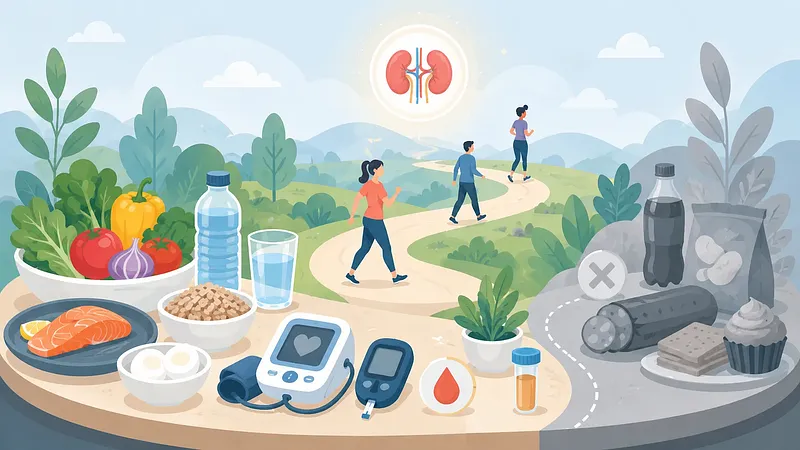
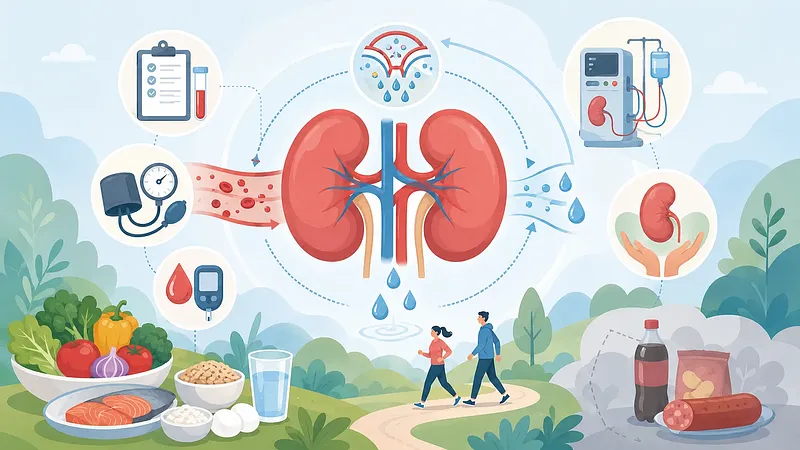
How to Maintain Kidney Health: Understanding Diet, Exercise, Dialysis, and Transplantation for Chronic Kidney Disease
Chronic kidney disease often develops without obvious symptoms, which makes early testing and ongoing management especially important. This article explains why people with high blood pressure or diabetes should monitor eGFR and check urine protein/albumin—even when they feel well. It also outlines practical diet and lifestyle considerations: lowering sodium, reducing blood sugar spikes, limiting processed foods with phosphate additives, and adjusting protein, fluid, potassium, and phosphorus intake according to disease stage and lab results. The guide also covers how dialysis and transplantation fit into end-stage kidney disease care, emphasizing the role of self-management and professional follow-up. https://injoys.com/en/articles/kidney-health-ckd-diet-dialysis-transplant #KidneyHealth #ChronicKidneyDisease
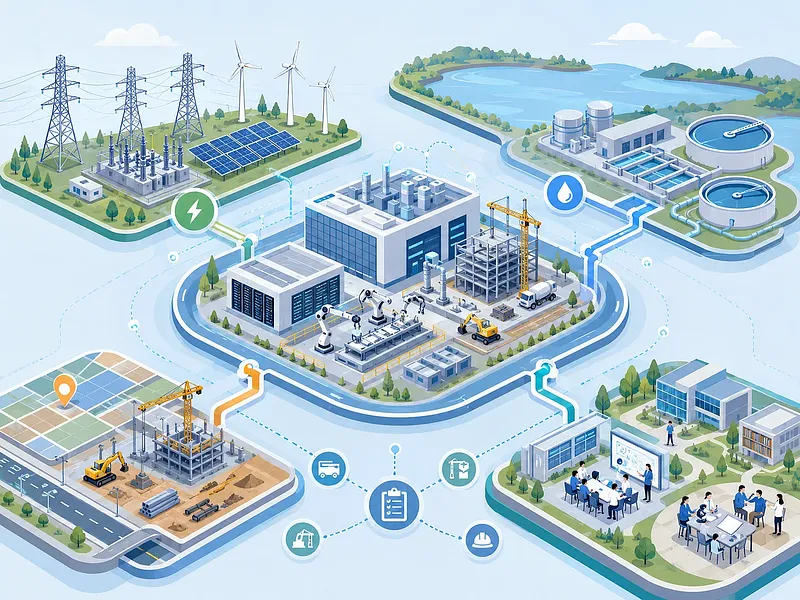
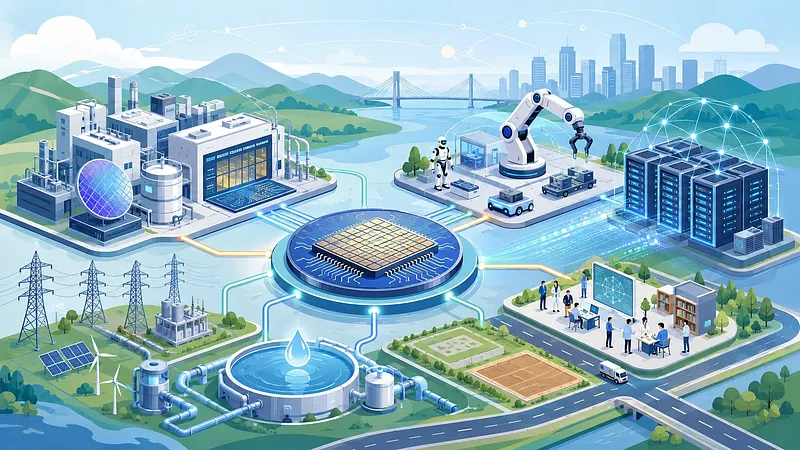
Summary of the Government’s Three Major Mega-Projects: Semiconductors, Physical AI, and Data Centers
Planners weigh 6.3 GW for AI projects. Execution hinges on power, water, land and talent—not the ₩4,755 trillion headline alone. The reported combined investment proposal from Samsung and SK includes existing plans and long-term strategies. Actual execution may still vary with market conditions and board approval, making the distinction between announced scale and deployable capital essential. The article maps the policy’s three pillars: semiconductors, physical AI and AI data centers. It outlines the regional semiconductor hub strategy and explains the data center plan’s 8.4 GW first phase, approximately ₩550 trillion in investment and long-term expansion to 15 GW. It also identifies the practical constraints behind those figures: 6.3 GW of power for the Southwest Cluster, approximately 650,000 metric tons of water per day, suitable land, skilled workers and a network of partner companies. Together, these factors help decision-makers assess where policy ambition could translate into actual investment. Professionals following South Korea’s industrial, infrastructure or technology strategy can read the full analysis for a structured view. #Semiconductors #PhysicalAI #AIDataCenters
The Spread of Ebola in Bundibugyo and Clinical Trials of Antiviral Drugs: Key Issues in the 2026 Public Health Emergency
The 2026 Bundibugyo virus outbreak raises a practical challenge for public health response: evidence built around Zaire Ebola virus cannot automatically be applied to a related but distinct pathogen. This article reviews why effective response depends on more than headline case numbers. Border surveillance, contact tracing, infection prevention in healthcare facilities, and protection of healthcare workers all shape risk. It also examines why clinical trials of candidates such as remdesivir and MBP134 are important when no approved Bundibugyo-specific vaccine or treatment exists. For professionals following health security, the key issue is evidence quality: confirmed vs. suspected cases, local healthcare capacity, transmission patterns, and case fatality all need to be read together. Read more : https://injoys.com/en/articles/bundibugyo-ebola-2026-clinical-trials-pheic #GlobalHealth #ClinicalTrials