Jasaneobo: How Heuksando's Waters Were Recorded Around 1814
While in exile on Heuksando, Jeong Yak-jeon drew on Jang Chang-dae's observations to document the names and habits of marine life and how to catch it. Written around 1814, the work was passed down in manuscript copies after Yi Cheong added explanations.
Jeong Yak-jeon was exiled to Sinjido during the Sinyu Persecution in 1801 and transferred to Heuksando later that year following the Hwang Sa-yeong Silk Letter incident.
In the preface, Jeong Yak-jeon noted that the islanders gave different accounts and explained why he trusted Jang Chang-dae's detailed observations.
The Gapsul year noted at the end of the preface is the basis for dating the completion of Jeong Yak-jeon's original work to around 1814.
The surviving work consists of 3 volumes bound in 1 book and covers everything from fish and shellfish to seabirds and seaweed.
The 1946 manuscript copy held by the National Library of Korea records the names of the copyist and proofreader.
After being exiled to Heuksando in 1801 during the Sinyu Persecution, Jeong Yak-jeon studied marine life with Jang Chang-dae. That work led to Jasan Eobo, which he wrote around 1814. This record of marine life from the late Joseon period even describes how islanders identified and caught the creatures.
In November 2026, I checked the manuscript held by the National Library of Korea and the commentary on Our History Net, run by the National Institute of Korean History.
Why Jeong Yak-jeon was moved from Sinjido to Heuksando
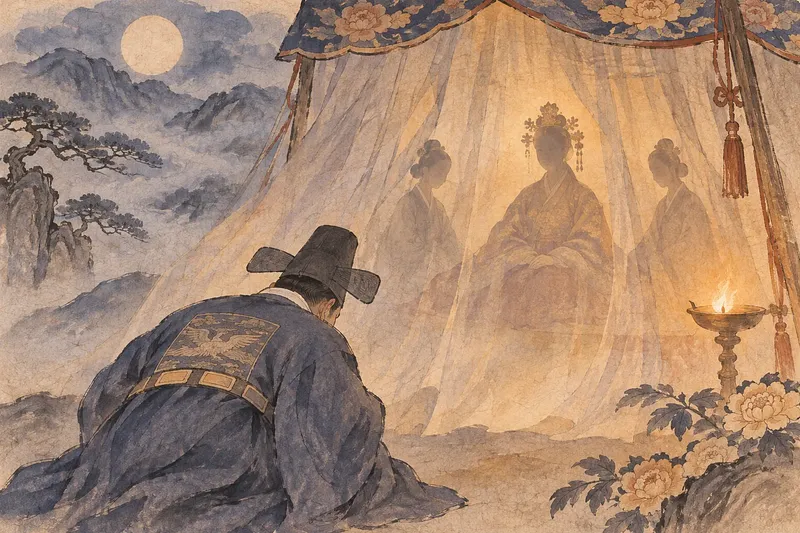
Sinjido was the first place Jeong Yak-jeon was sent into exile. An older brother of Jeong Yak-yong, he converted to Catholicism and went on to serve as an assistant section chief in the Ministry of Military Affairs. After King Jeongjo died, the court persecuted Catholics. Jeong Yak-jeon left his post at the time and was exiled to Sinjido in 1801.
The Hwang Sa-yeong Silk Letter Incident led to his transfer that same year. Hwang Sa-yeong was married to Jeong Yak-jeon’s niece. After the incident, the court again had Jeong Yak-jeon escorted under guard and then sent him to Heuksando. He remained in exile until his death on Uido in 1816.
Why he wrote the book and what the preface says about Jang Chang-dae’s role
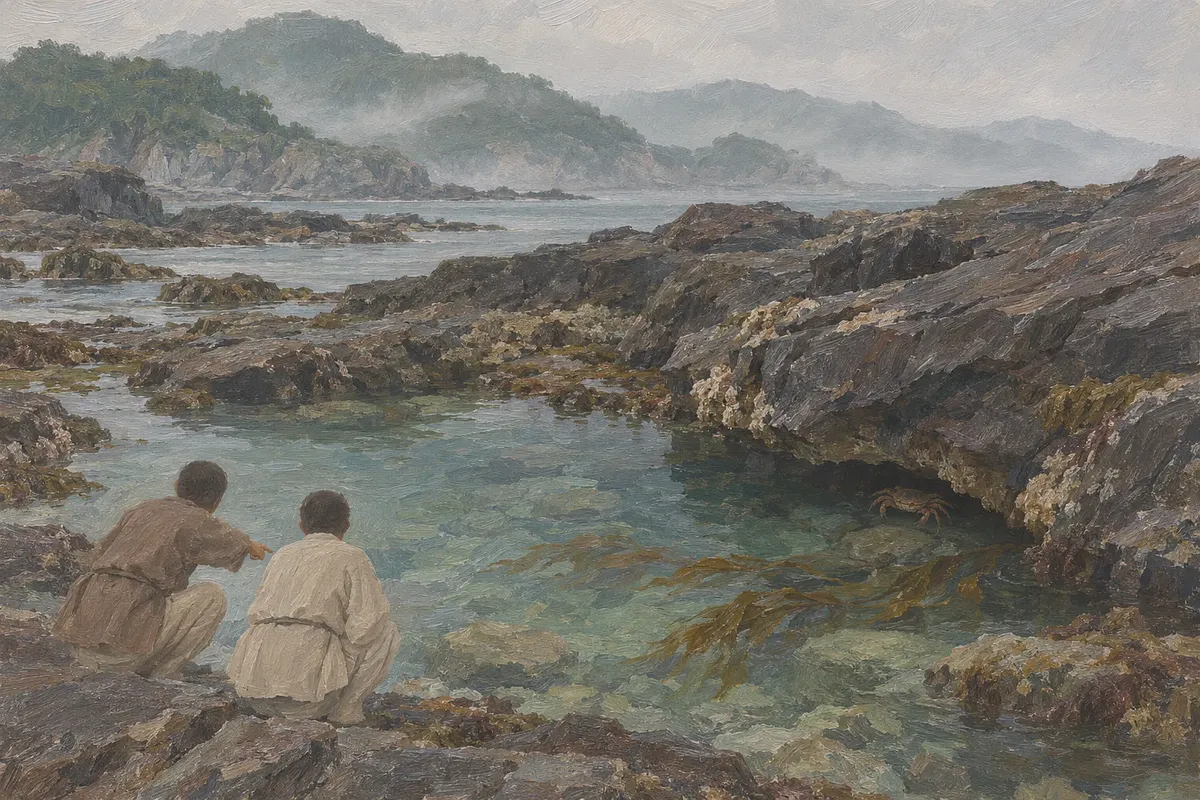
Jeong Yak-jeon wanted to write the book because he had trouble finding out the names of the creatures he saw in the waters off Heuksando. When he asked the islanders, he got a different explanation from each person. In the preface, he says he wanted later readers to be able to consult the record and check the details for themselves.
Jeong Yak-jeon worked with Jang Deok-sun, a Heuksando resident also known as Chang-dae. In the preface, Jeong wrote that Chang-dae closely observed grasses, trees, birds, and fish. Jeong trusted Chang-dae’s explanations because of the experience he had gained through those observations. The two examined the creatures together, and Jeong organized their findings into entries.
Timeline of Jeong Yak-jeon’s exile and the transmission of Jasan Eobo
The gapsul year at the end of the preface corresponds to 1814, a clue to when Jeong Yak-jeon wrote the original work. The year 1946, marked on the National Library of Korea’s copy, is when that copy was made by hand. In the intervening years, Yi Cheong added explanations and entries on marine life.
Date | Event | Source
1801 | Jeong Yak-jeon was exiled to Sinjido during the Sinyu Persecution. | Our History Net, “Jasan Eobo”
1801, after the Hwang Sa-yeong Silk Letter Incident | Jeong Yak-jeon was transferred to Heuksando. | Our History Net, “Jasan Eobo”
Around 1814 | Jeong Yak-jeon compiled a book on marine life around Heuksando. | Jeong Yak-jeon’s preface, Our History Net commentary
1816 | Jeong Yak-jeon died in exile on Uido. | Our History Net, “Jasan Eobo”
1946 | The manuscript now held by the National Library of Korea was made. | Copying note in the National Library of Korea manuscript
March 2021 | The National Library of Korea announced that its copy had been registered as a Nationally Important Science and Technology Material. | National Library of Korea press release, March 2
How the book classifies and describes marine life around Heuksando
The surviving manuscript divides marine life into four groups. It classifies them by visible features such as scales or hard shells. The work contains three volumes bound together as a single book, a format described as 3 volumes in 1 book.
Volume | Group in the book | Description and examples
Volume 1 | Scaled creatures | Fish with scales, including herring and mullet.
Volume 2 | Scaleless creatures | Creatures grouped together because they lack scales. There is also an entry on whales.
Volume 2 | Shelled creatures | Creatures with hard shells, including crabs and abalone.
Volume 3 | Miscellaneous creatures | Living things not placed in the other groups. This volume also covers seabirds and seaweed.
According to Our History Net, the surviving book contains 226 species in 55 groups. The figure of 226 tells us how many species of marine life were included in the book at the time. Along with appearance and habits, the entries describe fishing seasons and gear. The seoksueo entry explains when a fish called daemyeon rises to the surface and how fishers catch it by hand.
What the herring and whale entries reveal about their sources
A passage in the herring entry makes clear whose observation it records. It attributes to Chang-dae the observation that herring from Yeongnam and Honam have different numbers of vertebrae. The passage shows exactly what difference Chang-dae noticed.
The gyeongeo entry, which deals with whales, contains a note saying that it supplies material missing from the original work. In a 2017 study, Jo Chang-rok concluded that Yi Cheong had added the whale entry. Reading the herring and whale entries together helps distinguish explanations gathered locally from those added during editing.
Records and interpretation
Jeong Yak-jeon’s own account of how he came to write the book survives in the preface. How the surviving book took its present form was established by comparing the manuscript with other records. Researchers also disagree on how to read the first character in the title.
Topic | What the records or research tell us
Facts stated in the preface | Jeong Yak-jeon explained that he called Heuksan “Jasan” in letters he exchanged with his family. He used the same name in the book’s title.
Dating the work | Based on the date in the preface, Jeong Yak-jeon is thought to have completed the book around 1814.
Structure of the surviving book | Jeong Yak-yong described his brother’s book as having 2 volumes. Jo Suk-jeong attributed the surviving version’s 3 volumes to material added by Yi Cheong.
Point of disagreement | The debate over whether to read the name in the title as Jasan or Hyeonsan has continued. Jo Suk-jeong’s research examines both views.
Why the 1946 manuscript matters today
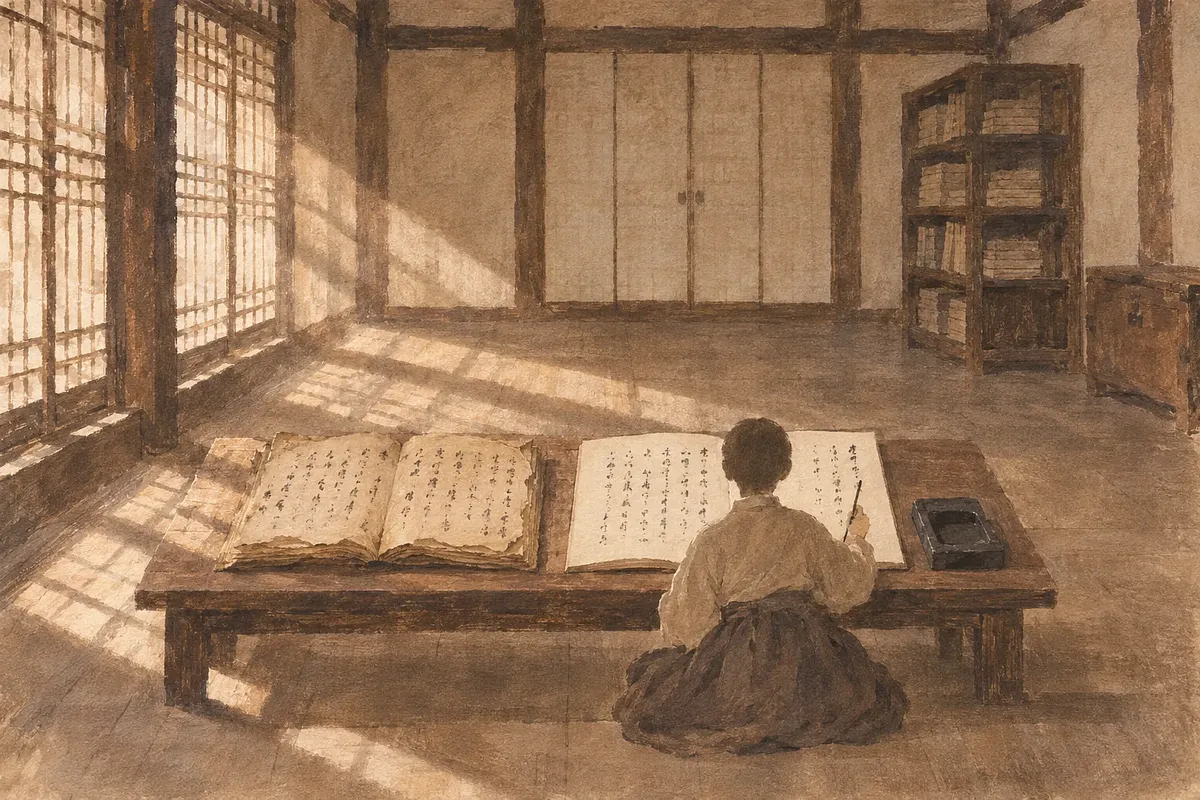
The National Library of Korea’s 1946 manuscript records how the book was copied. Jeong Yak-jeon’s handwritten original has not survived. The last page of the library’s copy names the owner of the book used as the source, as well as the copyist and the proofreader. Thanks to this record, we can tell whose hands the book we read today passed through.
The book’s value to the history of science lies in the way it preserves fishers’ experience alongside the names of marine life. The passages on seabirds and seaweed show what islanders observed at the time. The passages on fishing seasons and gear show how those observations related to fishing on Heuksando.