Skip to content
Case Study

Ji Seok-yeong's 1885 Udu Sinseol and Smallpox Vaccination

Ji Seok-yeong learned the cowpox vaccination method in Busan in 1879 and used it to vaccinate people in Deoksan-myeon, Chungju. He then trained people to give vaccinations at the vaccination offices in Jeonju and Gongju. Material from his 1885 book Udu Sinseol also appeared in a medical book published in Daegu, helping it reach other regions.

Read text only

7 min read

Just the words, no images.

Ji Seok-yeong's 1885 Udu Sinseol and Smallpox Vaccination

7 min read

Ji Seok-yeong's 1885 Udu Sinseol and Smallpox Vaccination
Ji Seok-yeong learned the cowpox vaccination method in Busan in 1879 and used it to vaccinate people in Deoksan-myeon, Chungju. He then trained people to give vaccinations at the vaccination offices in Jeonju and Gongju. Material from his 1885 book Udu Sinseol also appeared in a medical book published in Daegu, helping it reach other regions.
Cowpox vaccination was already documented in Busan in 1876, so it is hard to say with certainty that the 1879 vaccinations in Deoksan-myeon marked the start of cowpox vaccination in Korea.
After learning the cowpox vaccination method at J esaeng Clinic in Busan in 1879, Ji Seok-yeong vaccinated about 40 people in Deoksan-myeon, Chungju.
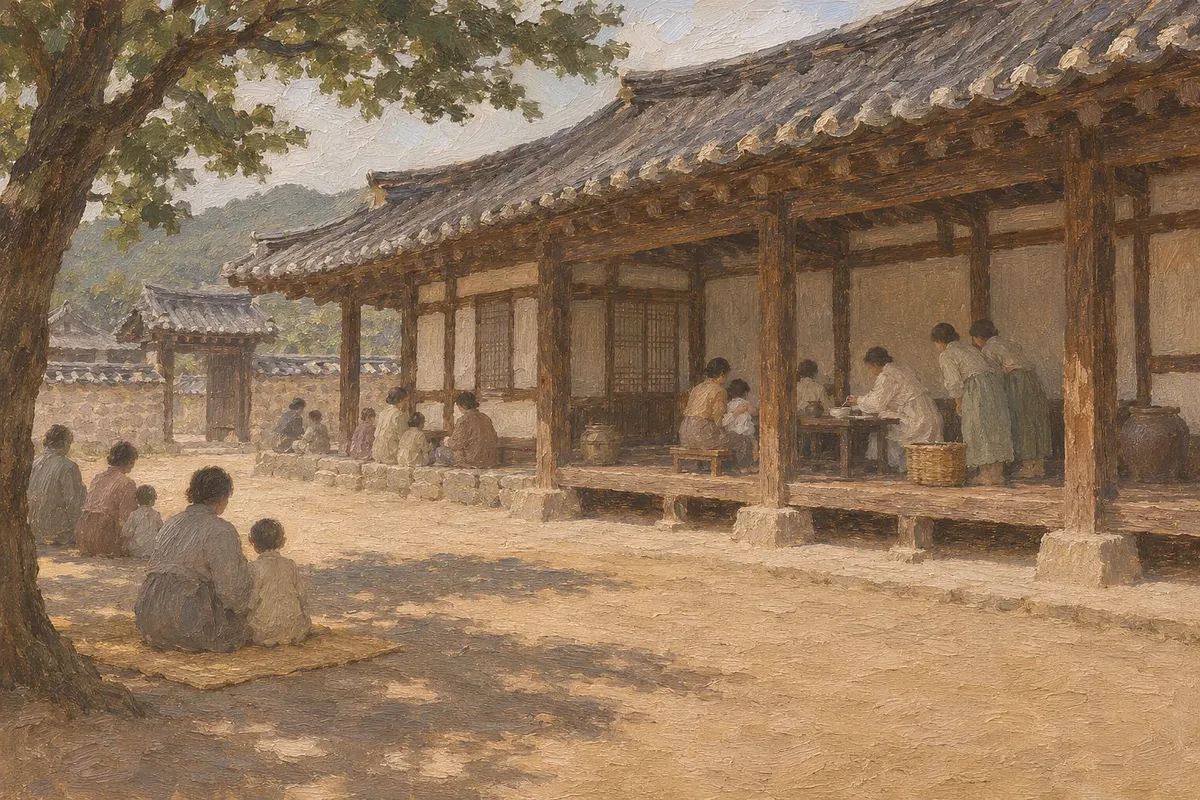
The vaccination offices established in Jeonju in 1882 and Gongju in 1883 were places where residents could get vaccinated and new vaccinators could learn how to give vaccinations.
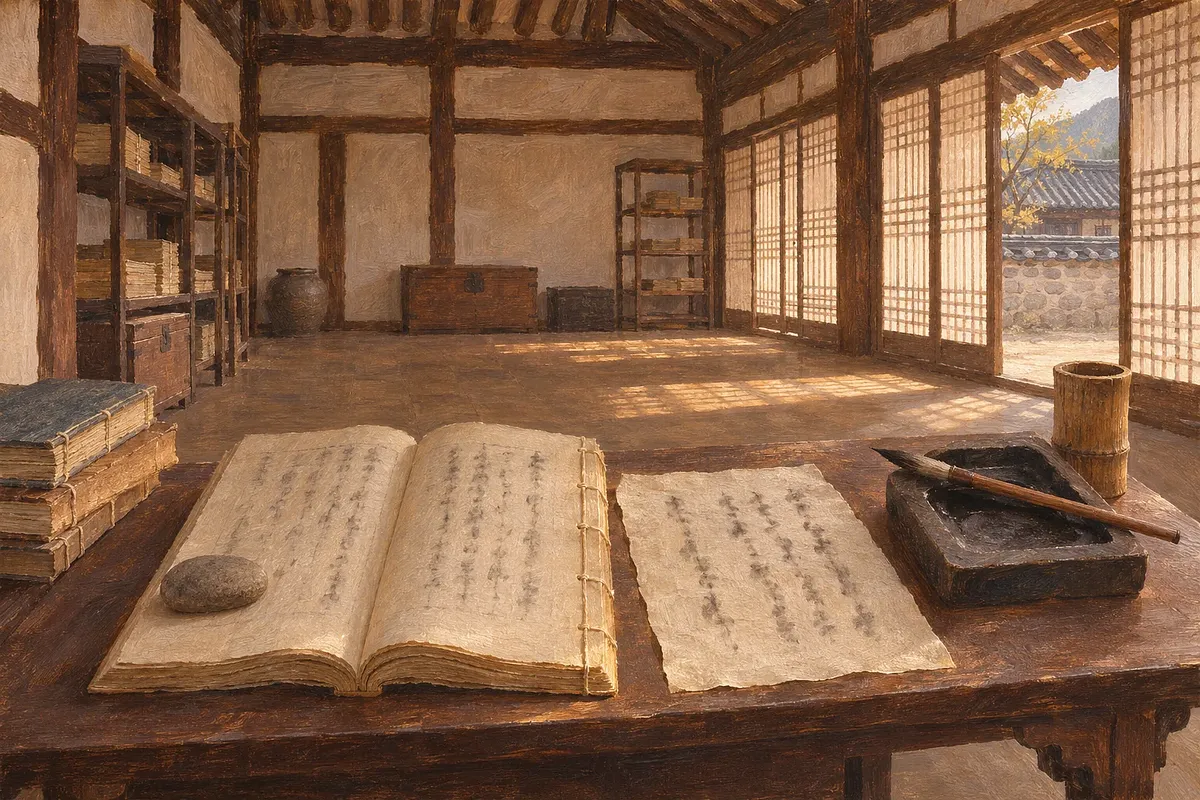
The 1885 book Udu Sinseol brought together the origins of cowpox vaccination and practical knowledge in one volume. Yi Jae-ha included some of that material in Jeyeong Sinpyeon in 1889.
It was the Joseon government that issued the Vaccination Regulations in 1895 and made vaccination mandatory nationwide.
In 1879, when smallpox outbreaks kept recurring, Ji Seok-yeong administered cowpox vaccinations in Deoksan-myeon, Chungju. The cowpox vaccination offices in Jeonju and Gongju trained people to administer the vaccine. What he learned firsthand reached other regions through Udu Sinseol, which he published in 1885.
The records in Volume 1 of Maecheon Yarok and in Udu Sinseol were checked in November 2026.
Why cowpox vaccination struggled to take hold in Joseon before the ports opened
Even before its ports opened, Joseon had books that introduced cowpox vaccination, but few places where people could learn and practice it. The appendix to Jeong Yak-yong's Magwa Hoetong contains a text explaining cowpox vaccination. Choe Han-gi also introduced the method in his 1866 book Singi Cheonheom. Our History Net cites the suppression of Western Learning as one reason the practice spread slowly.
Smallpox inoculation is a general term for methods of inoculating people to prevent smallpox. Variolation, the method first used in Joseon, used material from someone with smallpox. Cowpox vaccination used cowpox, a disease of cattle, to confer immunity to smallpox. In Volume 1 of Maecheon Yarok, Hwang Hyeon wrote that people doubted the effectiveness of the new method.
From Jesaeng Hospital in Busan to the vaccination offices in Jeonju and Gongju
After reading about cowpox vaccination, Ji Seok-yeong learned the method firsthand at Jesaeng Hospital in Busan. The book his teacher Park Yeong-seon brought back from Japan in 1876 was Jongdu Gwigam. In 1879, Ji studied for two months at Jesaeng Hospital, which the Japanese navy had established in Busan. On his way back to Seoul, he stopped in Deoksan-myeon, Chungju, where his wife's family lived, and vaccinated about 40 people.
To keep vaccinating people, Ji needed a steady supply of vaccine material, then known as dumyo. When it proved difficult to obtain, he accompanied the diplomatic envoy Kim Hong-jip to Japan in 1880. There he learned how to obtain and store the material. Later, the cowpox vaccination offices in Jeonju and Gongju vaccinated residents and trained people to do the work.
Timeline of the spread of cowpox vaccination
Ji Seok-yeong administered the vaccinations in Deoksan-myeon and published Udu Sinseol. The Joseon government issued the Vaccination Regulations.
Year | What happened | Source records and commentary 1876 | A Japanese doctor vaccinated 16 children against smallpox using cowpox near the old Japanese trading post in Busan. | Our History Net, “How Ji Seok-yeong Spread Smallpox Inoculation (Cowpox Vaccination)” 1879 | Ji Seok-yeong practiced the cowpox vaccination method he had learned in Busan in Deoksan-myeon, Chungju. | Our History Net, “Udu Sinseol” 1880 | Ji Seok-yeong went to Japan as part of a diplomatic mission and learned about vaccine material. | Encyclopedia of Korean Culture, “Ji Seok-yeong” 1882 | A cowpox vaccination office opened in Jeonju and began vaccinating and training people. | Encyclopedia of Korean Culture, “Vaccination” and “Ji Seok-yeong” 1883 | At the request of Yi Yong-ho, a royal inspector in Chungcheong Province, a cowpox vaccination office was also established in Gongju. | Encyclopedia of Korean Culture, “Vaccination” and “Ji Seok-yeong” 1885 | Ji Seok-yeong published Udu Sinseol. | National Institute of Korean History, Chronology of Disease and Medicine in the Modern Era; preface to Udu Sinseol 1889 | Yi Jae-ha published Jeyeong Sinpyeon in Daegu, including excerpts from Udu Sinseol. | Encyclopedia of Korean Culture, “Jeyeong Sinpyeon” 1895 | The Joseon government issued the Vaccination Regulations. | Our History Net, “Cowpox Vaccination and Ji Seok-yeong”
The structure of Udu Sinseol and the publication of Jeyeong Sinpyeon in Daegu
Udu Sinseol is a medical book that brings together an account of how cowpox vaccination was introduced and what practitioners needed to know to administer it. Its two volumes were bound together in one book. The first volume contains prefaces by Kim Hong-jip and Yi Do-jae, followed by Ji Seok-yeong's own preface.
Volume | Main contents | What it shows today First volume | The origins of cowpox vaccination and books on smallpox inoculation translated into Classical Chinese in China | It shows which texts introduced people in Joseon to cowpox vaccination at the time. Second volume | Explanations of how to vaccinate children and illustrations of vaccination instruments | It shows what was explained in words and pictures when people were taught to vaccinate.
The spread of this knowledge through books can also be seen in Jeyeong Sinpyeon, published in Daegu. Yi Jae-ha, Kang Hae-won, and others administered vaccinations at the Daegu cowpox vaccination office. Jeyeong Sinpyeon, published in 1889 where they worked, included excerpts from Udu Sinseol. This meant people could read Ji Seok-yeong's explanations without studying directly under him in Jeonju or Gongju.
The place of the Deoksan-myeon vaccinations in records and interpretations
Deoksan-myeon is recorded as the place where Ji Seok-yeong began administering cowpox vaccinations himself. In Maecheon Yarok, Hwang Hyeon describes how cowpox vaccination spread, focusing on Ji's work. The account also mentions that Ji taught people who came from the provinces.
The Encyclopedia of Korean Culture emphasizes that Ji Seok-yeong administered vaccinations publicly. Our History Net's commentary on the historical sources also cites the record of vaccinations in Busan in 1876. Yi Gyu-gyeong's Oju Yeonmun Jangjeon Sango preserves a report that cowpox vaccination was practiced in some areas before the ports opened. That report alone is not enough to determine who first administered the vaccine in Joseon or when.
How the government formalized vaccination and Ji Seok-yeong's role
Starting in 1885, the Joseon government sought to vaccinate infants and young children nationwide against smallpox using cowpox. During this period, Ji Seok-yeong worked as a cowpox vaccination instructor in Chungcheong Province and trained people to administer the vaccine. The initial program did not last long.
The government made vaccination mandatory under the 1895 Vaccination Regulations. The school for vaccination doctors, which opened in 1897, had trained 81 doctors to administer vaccinations by 1899. During this period, Ji Seok-yeong wrote newspaper articles recommending cowpox vaccination. His 1903 article in Jeguk Sinmun begins by addressing the doubts of readers who were hesitant about vaccination.
For anyone born into this world, it is only natural to refrain from doing anything they have doubts about. But to see that something can be trusted and still not act on it is very foolish indeed. Ji Seok-yeong, Jeguk Sinmun, March 20, 1903, “On Encouraging Cowpox Vaccination”
Why Udu Sinseol is still read in medical history today
Udu Sinseol shows what medical practitioners read and what they taught others in the era when Joseon opened its ports. Reading it alongside Daegu's Jeyeong Sinpyeon also shows how that knowledge passed into a later book. The article recommending vaccination in Jeguk Sinmun had a different readership from medical books, and it features people raising children and weighing whether to have them vaccinated.
0:00 0:00
1 / 31

Advertisement

Download text

File name
ji-seok-yeong-1885-udusinseol-smallpox-vaccination-en.txt
Format
TXT (text/plain)
Paragraphs
31

Downloads exactly what you see as a text file.

Please cite the source when quoting.

Advertisement

Large text

Makes the text larger and the colors clearer. Turn it on if the text feels too small.

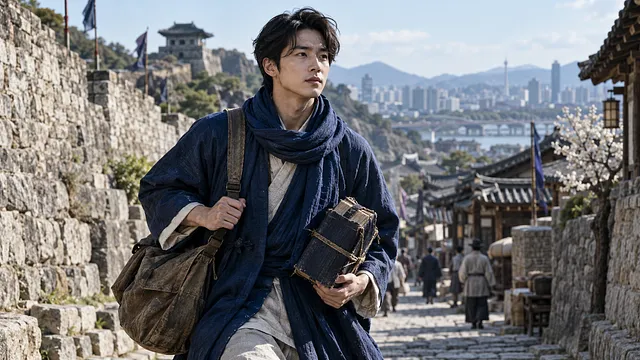
The Jeonju bureau opened in 1882 to vaccinate local residents against smallpox and train new vaccinators.AI-generated image

Key points

  • Cowpox vaccination was already documented in Busan in 1876, so it is hard to say with certainty that the 1879 vaccinations in Deoksan-myeon marked the start of cowpox vaccination in Korea.
  • After learning the cowpox vaccination method at J esaeng Clinic in Busan in 1879, Ji Seok-yeong vaccinated about 40 people in Deoksan-myeon, Chungju.
  • The vaccination offices established in Jeonju in 1882 and Gongju in 1883 were places where residents could get vaccinated and new vaccinators could learn how to give vaccinations.
  • The 1885 book Udu Sinseol brought together the origins of cowpox vaccination and practical knowledge in one volume. Yi Jae-ha included some of that material in Jeyeong Sinpyeon in 1889.
  • It was the Joseon government that issued the Vaccination Regulations in 1895 and made vaccination mandatory nationwide.

In 1879, when smallpox outbreaks kept recurring, Ji Seok-yeong administered cowpox vaccinations in Deoksan-myeon, Chungju. The cowpox vaccination offices in Jeonju and Gongju trained people to administer the vaccine. What he learned firsthand reached other regions through Udu Sinseol, which he published in 1885.

The records in Volume 1 of Maecheon Yarok and in Udu Sinseol were checked in November 2026.

Why cowpox vaccination struggled to take hold in Joseon before the ports opened

Even before its ports opened, Joseon had books that introduced cowpox vaccination, but few places where people could learn and practice it. The appendix to Jeong Yak-yong's Magwa Hoetong contains a text explaining cowpox vaccination. Choe Han-gi also introduced the method in his 1866 book Singi Cheonheom. Our History Net cites the suppression of Western Learning as one reason the practice spread slowly.

Smallpox inoculation is a general term for methods of inoculating people to prevent smallpox. Variolation, the method first used in Joseon, used material from someone with smallpox. Cowpox vaccination used cowpox, a disease of cattle, to confer immunity to smallpox. In Volume 1 of Maecheon Yarok, Hwang Hyeon wrote that people doubted the effectiveness of the new method.

In 1889, Yi Jae-ha included excerpts from Ji Seok-yeong’s vaccination manual Udusinseol in Jeyeong sinpyeon, published in Daegu.AI-generated image

From Jesaeng Hospital in Busan to the vaccination offices in Jeonju and Gongju

After reading about cowpox vaccination, Ji Seok-yeong learned the method firsthand at Jesaeng Hospital in Busan. The book his teacher Park Yeong-seon brought back from Japan in 1876 was Jongdu Gwigam. In 1879, Ji studied for two months at Jesaeng Hospital, which the Japanese navy had established in Busan. On his way back to Seoul, he stopped in Deoksan-myeon, Chungju, where his wife's family lived, and vaccinated about 40 people.

To keep vaccinating people, Ji needed a steady supply of vaccine material, then known as dumyo. When it proved difficult to obtain, he accompanied the diplomatic envoy Kim Hong-jip to Japan in 1880. There he learned how to obtain and store the material. Later, the cowpox vaccination offices in Jeonju and Gongju vaccinated residents and trained people to do the work.

Timeline of the spread of cowpox vaccination

Ji Seok-yeong administered the vaccinations in Deoksan-myeon and published Udu Sinseol. The Joseon government issued the Vaccination Regulations.

Year What happened Source records and commentary
1876 A Japanese doctor vaccinated 16 children against smallpox using cowpox near the old Japanese trading post in Busan. Our History Net, “How Ji Seok-yeong Spread Smallpox Inoculation (Cowpox Vaccination)”
1879 Ji Seok-yeong practiced the cowpox vaccination method he had learned in Busan in Deoksan-myeon, Chungju. Our History Net, “Udu Sinseol”
1880 Ji Seok-yeong went to Japan as part of a diplomatic mission and learned about vaccine material. Encyclopedia of Korean Culture, “Ji Seok-yeong”
1882 A cowpox vaccination office opened in Jeonju and began vaccinating and training people. Encyclopedia of Korean Culture, “Vaccination” and “Ji Seok-yeong”
1883 At the request of Yi Yong-ho, a royal inspector in Chungcheong Province, a cowpox vaccination office was also established in Gongju. Encyclopedia of Korean Culture, “Vaccination” and “Ji Seok-yeong”
1885 Ji Seok-yeong published Udu Sinseol. National Institute of Korean History, Chronology of Disease and Medicine in the Modern Era; preface to Udu Sinseol
1889 Yi Jae-ha published Jeyeong Sinpyeon in Daegu, including excerpts from Udu Sinseol. Encyclopedia of Korean Culture, “Jeyeong Sinpyeon”
1895 The Joseon government issued the Vaccination Regulations. Our History Net, “Cowpox Vaccination and Ji Seok-yeong”

The structure of Udu Sinseol and the publication of Jeyeong Sinpyeon in Daegu

Udu Sinseol is a medical book that brings together an account of how cowpox vaccination was introduced and what practitioners needed to know to administer it. Its two volumes were bound together in one book. The first volume contains prefaces by Kim Hong-jip and Yi Do-jae, followed by Ji Seok-yeong's own preface.

Volume Main contents What it shows today
First volume The origins of cowpox vaccination and books on smallpox inoculation translated into Classical Chinese in China It shows which texts introduced people in Joseon to cowpox vaccination at the time.
Second volume Explanations of how to vaccinate children and illustrations of vaccination instruments It shows what was explained in words and pictures when people were taught to vaccinate.

The spread of this knowledge through books can also be seen in Jeyeong Sinpyeon, published in Daegu. Yi Jae-ha, Kang Hae-won, and others administered vaccinations at the Daegu cowpox vaccination office. Jeyeong Sinpyeon, published in 1889 where they worked, included excerpts from Udu Sinseol. This meant people could read Ji Seok-yeong's explanations without studying directly under him in Jeonju or Gongju.

The place of the Deoksan-myeon vaccinations in records and interpretations

Deoksan-myeon is recorded as the place where Ji Seok-yeong began administering cowpox vaccinations himself. In Maecheon Yarok, Hwang Hyeon describes how cowpox vaccination spread, focusing on Ji's work. The account also mentions that Ji taught people who came from the provinces.

The Encyclopedia of Korean Culture emphasizes that Ji Seok-yeong administered vaccinations publicly. Our History Net's commentary on the historical sources also cites the record of vaccinations in Busan in 1876. Yi Gyu-gyeong's Oju Yeonmun Jangjeon Sango preserves a report that cowpox vaccination was practiced in some areas before the ports opened. That report alone is not enough to determine who first administered the vaccine in Joseon or when.

How the government formalized vaccination and Ji Seok-yeong's role

Starting in 1885, the Joseon government sought to vaccinate infants and young children nationwide against smallpox using cowpox. During this period, Ji Seok-yeong worked as a cowpox vaccination instructor in Chungcheong Province and trained people to administer the vaccine. The initial program did not last long.

The government made vaccination mandatory under the 1895 Vaccination Regulations. The school for vaccination doctors, which opened in 1897, had trained 81 doctors to administer vaccinations by 1899. During this period, Ji Seok-yeong wrote newspaper articles recommending cowpox vaccination. His 1903 article in Jeguk Sinmun begins by addressing the doubts of readers who were hesitant about vaccination.

For anyone born into this world, it is only natural to refrain from doing anything they have doubts about. But to see that something can be trusted and still not act on it is very foolish indeed.

Ji Seok-yeong, Jeguk Sinmun, March 20, 1903, “On Encouraging Cowpox Vaccination”

Why Udu Sinseol is still read in medical history today

Udu Sinseol shows what medical practitioners read and what they taught others in the era when Joseon opened its ports. Reading it alongside Daegu's Jeyeong Sinpyeon also shows how that knowledge passed into a later book. The article recommending vaccination in Jeguk Sinmun had a different readership from medical books, and it features people raising children and weighing whether to have them vaccinated.

Open the link

Opens in a new window.

Advertisement

Sign-in required

Sign in with your Google or Apple account to like, comment, and save highlights.

FAQ

Do "smallpox inoculation" and "cowpox vaccination" mean the same thing?

Smallpox inoculation covers both variolation and cowpox vaccination. The method Ji Seok-yeong learned at Busan Jesaeng Clinic and used in Deoksan-myeon was cowpox vaccination.

How many people were vaccinated in Deoksan-myeon, Chungju, in 1879?

The Our History Net article "Udu Sinseol" puts the number at about 40. This was when Ji Seok-yeong was on his way back to Seoul after learning cowpox vaccination at Busan Jesaeng Clinic.

What evidence makes it hard to say for certain that the vaccinations in Deoksan-myeon were the first in Korea?

There is a record that in 1876, near the old Japanese trading post in Busan, a Japanese doctor inoculated 16 children with cowpox. Yi Gyu-gyeong's writings also record reports that cowpox vaccination was practiced in the provinces before the ports opened.

What did the cowpox vaccination offices in Jeonju and Gongju do?

They vaccinated residents with cowpox and taught the method to people who would give vaccinations locally. Ji Seok-yeong took part in this work in Jeonju in 1882 and in Gongju in 1883.

Is "Udu Sinseol" two volumes or one book?

The text is divided into two volumes that were bound together in one book. The first volume has a preface written by Ji Seok-yeong himself, and the second contains illustrations of the vaccination instruments used in practice.

Where can we find evidence that "Udu Sinseol" reached other regions?

The evidence can be found in "Jeyeong Sinpyeon," which Yi Jae-ha published in 1889 while working at the Daegu Cowpox Vaccination Office. The Encyclopedia of Korean Culture explains that the book contains excerpts from "Udu Sinseol."

How do the 1895 "Smallpox Vaccination Regulations" relate to Ji Seok-yeong's work?

In 1885, Ji Seok-yeong trained vaccinators as a cowpox vaccination instructor in Chungcheong-do. It was the Joseon government that made vaccination mandatory nationwide in 1895. Ji Seok-yeong continued to encourage vaccination through newspapers afterward.

What work did Ji Seok-yeong do in education after promoting cowpox vaccination?

Ji Seok-yeong became the first principal of the Korean Empire's Medical School when it was established in 1899. He also took part in research on the Korean language and in 1909 published "Jajeon Seogyo," which explains the meanings of Chinese characters in Hangul.

Sources

Data formats

This content is available in several machine-friendly formats.

Data-only languages (machine translated, files only)

Indonesian JSON MD Portuguese JSON MD Chinese (Traditional) JSON MD Deutsch JSON MD

Verification

This article was drafted with AI and then reviewed and edited by a person.

Reviewed by 신익희 · 편집장 · 2026-11-23

Figures in this article were checked against the source material during generation. · 2026-11-23

This translation has been cross-checked by AI. · 2026-11-23

Reuse & AI usage

Search indexing and AI citation with attribution are welcome. See the license policy for details.

CC BY · License

Loading…

Loading…

Where this content lives

Related content

From Injoys

Request the content you want and take 70% of what it earns

Just leave the subject. We handle production, review, translation and distribution.

See how revenue sharing works

Comments