Skip to content
Injoys
Case Study

IMF Crisis: South Korea's 2001 Early Repayment Explained

South Korea completed repayment of its $19.5 billion IMF loan on August 23, 2001. This was a milestone in restoring its ability to meet external payment obligations, but it did not mean that all government debt or the crisis's social aftereffects had disappeared.

Listen or read this article

19:58

Listen, or read the text only.

IMF Crisis: South Korea's 2001 Early Repayment Explained

Kokoro 82M AI-generated voice 20 min read

0:00 19:58

Advertisement

Download audio

File name
imf-crisis-korea-2001-early-repayment-process-meaning-en.mp3
Format
MP3 (audio/mpeg)
Duration
19:58
File size
13.7 MB
Engine
Kokoro 82M

This audio was generated by AI.

You may download and use it freely for personal use.

Advertisement

IMF Crisis: South Korea's 2001 Early Repayment Explained

13 min read

IMF Crisis: South Korea's 2001 Early Repayment Explained
South Korea completed repayment of its $19.5 billion IMF loan on August 23, 2001. This was a milestone in restoring its ability to meet external payment obligations, but it did not mean that all government debt or the crisis's social aftereffects had disappeared.
South Korea completed repayment of its IMF loan on August 23, 2001.
Actual borrowing from the IMF totaled $19.5 billion, distinct from the total assistance pledged by the international community.
The final repayment was originally scheduled for May 2004.
The Stand-By Arrangement expired on December 3, 2000, and repayment of the loan was completed afterward.
Loan repayment and the recovery of employment, income, and social trust must be assessed separately.
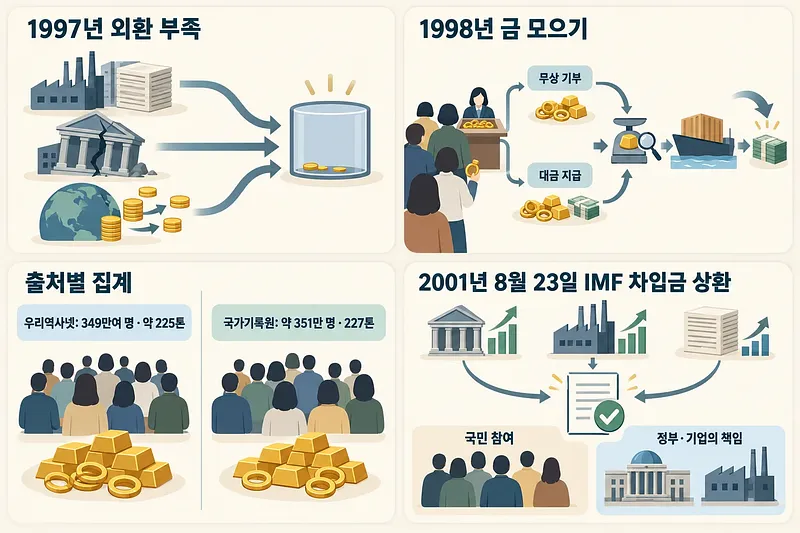
South Korea restored its ability to pay through reforms and the accumulation of foreign currency after the IMF foreign exchange crisis. On August 23, 2001, it repaid all $19.5 billion borrowed from the IMF. The early repayment is remembered as a milestone in resolving the crisis.
This article follows records from the National Archives of Korea and the Bank of Korea, checked in November 2026.
Why did the foreign exchange crisis occur?
The core problem in the 1997 crisis was a shortage of funds to repay foreign currency debt as it fell due. This is called a foreign currency liquidity crisis. Financial weaknesses at companies and financial institutions coincided with declining confidence among foreign creditors.
Before the crisis, companies increased investment by relying on borrowing. Financial institutions accumulated loans that were difficult to recover. Financial instability that began in Thailand in 1997 also disrupted South Korea’s access to foreign currency funding. The National Archives of Korea explains both these internal weaknesses and external shocks. National Archives of Korea policy commentary
Short-term external debt is money owed abroad that must be repaid soon. If foreign financial institutions refuse to extend maturities, foreign currency is needed immediately. A surge in demand for foreign currency also puts upward pressure on the exchange rate. The IMF Independent Evaluation Office identified problems with financial liberalization that relied heavily on short-term borrowing. IMF Independent Evaluation Office assessment of Korea
Timeline from the request for assistance to full repayment
The request for assistance, approval of the arrangement, expiration of the arrangement, and full repayment were separate events. Distinguishing these dates is essential to understanding how the crisis was resolved. The timeline below compares announcements made at the time with explanations from institutions that maintain the records.
Date | Event | Supporting record November 21, 1997 | The South Korean government formally requested IMF bailout assistance | National Archives of Korea commentary on the draft letter of intent December 3, 1997 | The South Korean government and the IMF reached an agreement on assistance | National Archives of Korea commentary on the draft letter of intent December 4, 1997 | The IMF Executive Board approved a Stand-By Arrangement | IMF announcement of its final review in 2000 1998 | Financial and corporate restructuring and injections of public funds proceeded | National Archives of Korea policy commentary September 1999 | Repayment of the Supplementary Reserve Facility was completed | October 2001 issue of Nara Economy December 3, 2000 | The Stand-By Arrangement expired | IMF announcement of its final review in 2000 August 23, 2001 | Repayment of the outstanding IMF loans was completed | Bank of Korea Digital Archives chronology May 2004 | The original scheduled date for final repayment, compared with the actual completion date | October 2001 issue of Nara Economy
The dates of the assistance request and agreement appear in the National Archives of Korea commentary on the draft letter of intent. The approval date and expiration date are confirmed in the IMF final review announcement. The date of full repayment is recorded in the Bank of Korea Digital Archives chronology.
Turning points that made repayment possible
The recovery of external payment capacity made early repayment possible. External payment capacity is the ability to obtain and repay money owed abroad. Rising foreign exchange reserves and greater financial market stability increased the capacity to repay.
Several channels contributed to the recovery. Rescheduling external debt maturities reduced immediate repayment pressure. Current account surpluses helped build up foreign currency. Financial and corporate reforms were a process of resolving financial distress and restoring confidence.
Recovery channel | How it worked | Distinctions to keep in mind Rescheduling external debt maturities | Postponed near-term repayment dates to ease payment pressure | Not the same as eliminating debt Current account surpluses | Built up foreign currency through external transactions in goods, services, and other items | Examine the effects of falling imports as well as rising exports Financial and corporate restructuring | Resolved financial distress and improved supervision and management systems | Assess both the results and employment costs Recovery in foreign capital inflows | Improved conditions for raising funds abroad | Also examine the maturity and stability of the funds Gold collection campaign | Helped secure foreign currency through gold exports and other means | Do not attribute all repayment funding to this campaign alone
The IMF’s study of the recovery assessed both reforms and improvements in external conditions. Rescheduling maturities with creditor banks was also part of resolving the crisis. It is therefore difficult to explain repayment as the result of a single policy or campaign. IMF recovery study, Assessment of external debt rescheduling
Nara Economy reported foreign exchange reserves of about $99 billion as of August 22, 2001. The government at the time cited this improved payment capacity as the basis for early repayment. This is a historical figure from immediately before repayment. October 2001 issue of Nara Economy, p. 39
How were the IMF loans repaid early?
The IMF funds South Korea actually borrowed totaled $19.5 billion. Repayment proceeded in stages according to the type of funding. The entire amount was not repaid at once in August 2001.
Type of funding | Amount borrowed | Repayment completed Supplementary Reserve Facility | $13.5 billion | September 1999 Stand-By Arrangement | $6 billion | August 23, 2001 Total | $19.5 billion | Repaid in full on August 23, 2001
The Supplementary Reserve Facility had shorter maturities and higher interest rates than the Stand-By Arrangement. It was repaid first. The original scheduled date for final repayment of the Stand-By Arrangement was May 2004. Actual repayment was completed about 2 years and 9 months earlier. October 2001 issue of Nara Economy, p. 39
The amount committed and the amount actually borrowed must also be distinguished. The limit approved by the IMF was equivalent to about $21 billion at the time. Actual drawings totaled about $19.5 billion. The IMF announcement records the two amounts separately. IMF repayment announcement
Amount in the records | What it refers to About $58 billion | The full assistance package, including commitments from international institutions other than the IMF and from individual countries About $21 billion | The limit approved by the IMF under the Stand-By Arrangement About $19.5 billion | Funds South Korea actually drew from the IMF
The full assistance package differs in scope from actual IMF borrowing. Not all assistance commitments resulted in actual drawings. It is therefore inaccurate to use the full package amount as the amount repaid to the IMF in 2001. IMF explanation of the assistance package
Why are the arrangement’s expiration date and the full repayment date different?
The Stand-By Arrangement expired on December 3, 2000. The obligation to repay funds already borrowed remained after that date. The end of the arrangement and the elimination of the outstanding debt were separate events.
Category | Date or period | Meaning Expiration of the arrangement | December 3, 2000 | End of the Stand-By Arrangement’s term Post-program monitoring | Also conducted in August 2001 | Review of external payment capacity and other factors while loans remained outstanding Full repayment of loans | August 23, 2001 | Completion of repayment of the outstanding IMF funds drawn during the foreign exchange crisis
The IMF explained post-program monitoring in an August 2001 announcement. Such monitoring could continue after the arrangement ended if loans remained outstanding. The expression “graduation from the IMF,” used at the time, should be understood alongside this institutional distinction. IMF post-program monitoring announcement
Achievements of full repayment and lingering effects
Full repayment was an achievement that reduced reliance on emergency assistance. The government at the time emphasized the recovery of sovereign creditworthiness and greater policy autonomy. Sovereign creditworthiness means external confidence in a country’s ability to pay and its economic management.
On August 27, 2001, Gukjeong Sinmun reported this government assessment. It also covered President Kim Dae-jung’s dinner commemorating repayment. The report shows how the government at the time described the achievement. Gukjeong Sinmun report on full repayment
Full repayment did not mean that all economic problems had been solved. That same month, the IMF pointed to difficulties facing the South Korean economy because of the global economic slowdown. It also assessed that vulnerabilities in the corporate and financial sectors remained to be addressed. IMF assessment from August 2001
Social recovery was a separate task. Yu Hong-jun’s “Restoring Damaged Trust Is the Most Urgent Task” addressed job insecurity and damaged trust. Kim Jun-won’s “‘Graduation’ Is Another ‘Beginning’” emphasized the remaining structural reforms. Expanding the social safety net to address unemployment was also identified as a task. October 2001 issue of Nara Economy, pp. 30 to 38
Records and interpretation
The fact of repayment, assessments made at the time, and later policy debates should be read separately. Even when records concern the same event, they can answer different questions. The following materials are starting points for checking different aspects.
Facts confirmed by the records
Documents and chronologies provide evidence of what was agreed and when events occurred. Commemorative speeches show the meaning the government assigned to an event. Objects used during repayment preserve traces of the work involved.
Record | What it can confirm | Scope of interpretation Draft Letter of Intent for a Stand-By Arrangement with the International Monetary Fund (IMF) | The agreed direction of economic policy and structural reform | Check the terms of the agreement and actual implementation results separately Speech by President Kim Dae-jung: Remarks at the Dinner Commemorating Repayment of IMF Assistance Funds | The government’s understanding of full repayment at the time | Treat the speech’s assessment as the government’s position Bank of Korea Digital Archives chronology | Full repayment on August 23, 2001 | A record confirming the fact of repayment Ballpoint pen used for the final repayment of outstanding IMF credit | A physical object connected to the final repayment work | Cross-check amounts and policy effects against documents
The National Archives of Korea policy collection presents both the draft letter of intent and the speech commemorating repayment. The Bank of Korea chronology introduces the ballpoint pen used for the final repayment. This article describes the records without directly quoting the speaker’s words. National Archives of Korea records list, Bank of Korea Digital Archives
The recovery process as explained by research
Studies of the recovery address both improvements in foreign currency liquidity and financial and corporate reforms. IMF researchers assessed the increase in foreign exchange reserves and the reduction in external vulnerabilities as achievements. They also identified foreign investment inflows and improved financial supervision as elements of the recovery. IMF researchers’ assessment of the recovery
However, this assessment is an analysis by a particular group of researchers. There is insufficient basis to present it as a single conclusion shared by the entire historical profession. The facts of the recovery must be distinguished from judgments about the effects of individual policies.
Policies and costs that remain disputed
The central debate concerns whether the initial austerity measures and high interest rates were appropriate. The IMF Independent Evaluation Office emphasized the role of the agreement to extend external debt maturities. It also offered critical assessments of the initial fiscal policy and the length of time high interest rates were maintained.
The Independent Evaluation Office concluded that high interest rates alone could not resolve the crisis. At the same time, it did not view interest rate policy as the main cause of the sharp economic downturn. Successful repayment therefore does not establish that every policy choice was correct. IMF Independent Evaluation Office policy assessment
How to read the repayment records today
The 2001 records show that the first step is to distinguish which debt was repaid. IMF borrowing, external debt, and government debt are not the same category. Recovery of public funds injected into financial institution restructuring is also a separate issue.
Question to check | What to examine separately Was the money borrowed from the IMF repaid? | Outstanding IMF loans and the repayment date How much money remains owed abroad? | External debt of the government, financial institutions, companies, and others How much government debt remains? | The scope and reference date of government debt statistics How much of the restructuring cost was recovered? | Records of public fund injections, recoveries, and repayments How far have living conditions recovered? | Separate socioeconomic indicators such as employment, income, and poverty
At the time, Gukjeong Sinmun reported both full repayment to the IMF and the remaining external debt. It is therefore wrong to describe the date of full repayment as the day all of the Republic of Korea’s debts disappeared. Nor can a single repayment date determine when the economy as a whole recovered. August 27, 2001 issue of Gukjeong Sinmun
Frequently asked questions
When was repayment to the IMF completed?
It was August 23, 2001. The Bank of Korea Digital Archives records this date. It was the day repayment of the remaining IMF loans was completed.
How far ahead of the original schedule was it?
The original scheduled date for final repayment was May 2004. Actual repayment was completed about 2 years and 9 months earlier. Reports at the time described it as “3 years early,” rounding this period.
Were all the loans repaid through the gold collection campaign?
The full repayment cannot be explained by the gold collection campaign alone. Public participation in securing foreign currency was part of overcoming the crisis. Rescheduling external debt maturities and restoring external payment capacity also contributed.
Does completing repayment also end the relationship with the IMF?
Repaying loans does not mean withdrawing from the IMF. Emergency borrowing and membership are different relationships. The government at the time also explained its role as a contributor to IMF resources after repayment.
Does full repayment mean that all the effects of the foreign exchange crisis were resolved?
Outstanding loans and lingering social effects are different matters. Job insecurity and the need to restore trust were also raised at the time. Whether living conditions have recovered must be judged using indicators beyond the repayment records.
0:00 0:00
1 / 66

Advertisement

Download text

File name
imf-crisis-korea-2001-early-repayment-process-meaning-en.txt
Format
TXT (text/plain)
Paragraphs
66

Downloads exactly what you see as a text file.

Please cite the source when quoting.

Advertisement

Large text

Makes the text larger and the colors clearer. Turn it on if the text feels too small.

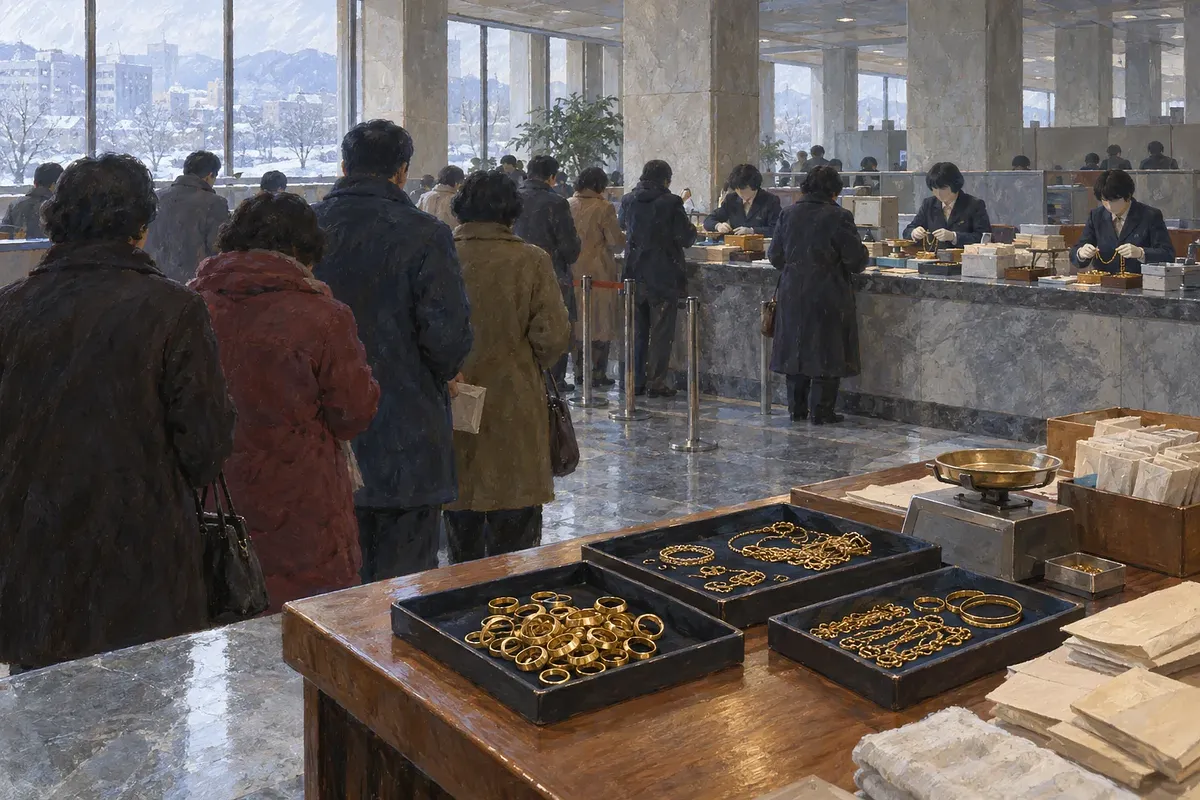
South Korea completed repayment of its IMF loans on 23 August 2001.AI-generated image

Key points

  • South Korea completed repayment of its IMF loan on August 23, 2001.
  • Actual borrowing from the IMF totaled $19.5 billion, distinct from the total assistance pledged by the international community.
  • The final repayment was originally scheduled for May 2004.
  • The Stand-By Arrangement expired on December 3, 2000, and repayment of the loan was completed afterward.
  • Loan repayment and the recovery of employment, income, and social trust must be assessed separately.

South Korea restored its ability to pay through reforms and the accumulation of foreign currency after the IMF foreign exchange crisis. On August 23, 2001, it repaid all $19.5 billion borrowed from the IMF. The early repayment is remembered as a milestone in resolving the crisis.

This article follows records from the National Archives of Korea and the Bank of Korea, checked in November 2026.

Why did the foreign exchange crisis occur?

The core problem in the 1997 crisis was a shortage of funds to repay foreign currency debt as it fell due. This is called a foreign currency liquidity crisis. Financial weaknesses at companies and financial institutions coincided with declining confidence among foreign creditors.

Before the crisis, companies increased investment by relying on borrowing. Financial institutions accumulated loans that were difficult to recover. Financial instability that began in Thailand in 1997 also disrupted South Korea’s access to foreign currency funding. The National Archives of Korea explains both these internal weaknesses and external shocks. National Archives of Korea policy commentary

Short-term external debt is money owed abroad that must be repaid soon. If foreign financial institutions refuse to extend maturities, foreign currency is needed immediately. A surge in demand for foreign currency also puts upward pressure on the exchange rate. The IMF Independent Evaluation Office identified problems with financial liberalization that relied heavily on short-term borrowing. IMF Independent Evaluation Office assessment of Korea

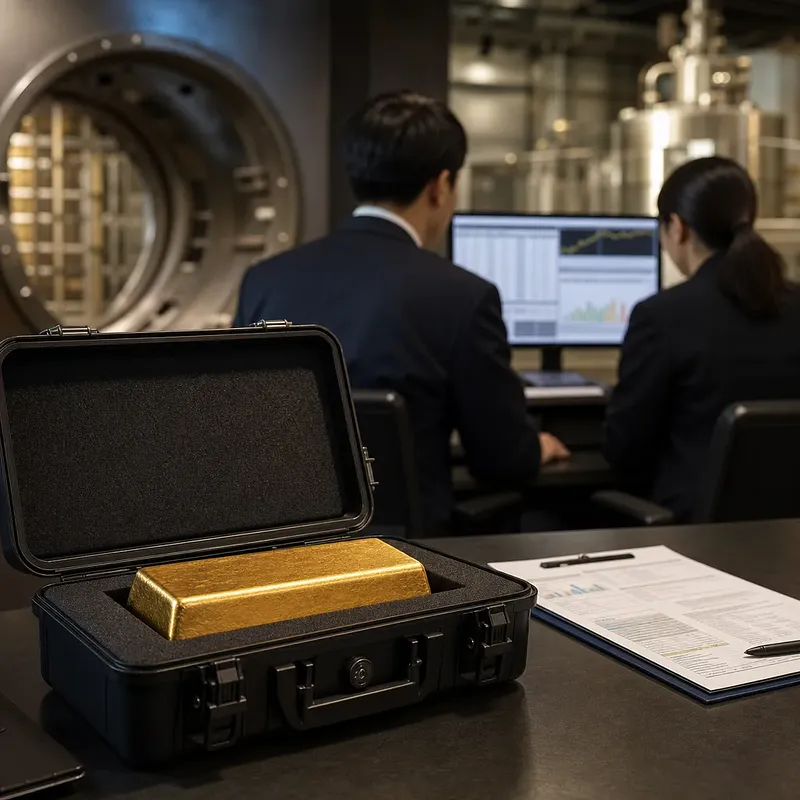
Recovery from the financial crisis cannot be judged by loan repayment alone.AI-generated image

Timeline from the request for assistance to full repayment

The request for assistance, approval of the arrangement, expiration of the arrangement, and full repayment were separate events. Distinguishing these dates is essential to understanding how the crisis was resolved. The timeline below compares announcements made at the time with explanations from institutions that maintain the records.

Date Event Supporting record
November 21, 1997 The South Korean government formally requested IMF bailout assistance National Archives of Korea commentary on the draft letter of intent
December 3, 1997 The South Korean government and the IMF reached an agreement on assistance National Archives of Korea commentary on the draft letter of intent
December 4, 1997 The IMF Executive Board approved a Stand-By Arrangement IMF announcement of its final review in 2000
1998 Financial and corporate restructuring and injections of public funds proceeded National Archives of Korea policy commentary
September 1999 Repayment of the Supplementary Reserve Facility was completed October 2001 issue of Nara Economy
December 3, 2000 The Stand-By Arrangement expired IMF announcement of its final review in 2000
August 23, 2001 Repayment of the outstanding IMF loans was completed Bank of Korea Digital Archives chronology
May 2004 The original scheduled date for final repayment, compared with the actual completion date October 2001 issue of Nara Economy

The dates of the assistance request and agreement appear in the National Archives of Korea commentary on the draft letter of intent. The approval date and expiration date are confirmed in the IMF final review announcement. The date of full repayment is recorded in the Bank of Korea Digital Archives chronology.

Turning points that made repayment possible

The recovery of external payment capacity made early repayment possible. External payment capacity is the ability to obtain and repay money owed abroad. Rising foreign exchange reserves and greater financial market stability increased the capacity to repay.

Several channels contributed to the recovery. Rescheduling external debt maturities reduced immediate repayment pressure. Current account surpluses helped build up foreign currency. Financial and corporate reforms were a process of resolving financial distress and restoring confidence.

Recovery channel How it worked Distinctions to keep in mind
Rescheduling external debt maturities Postponed near-term repayment dates to ease payment pressure Not the same as eliminating debt
Current account surpluses Built up foreign currency through external transactions in goods, services, and other items Examine the effects of falling imports as well as rising exports
Financial and corporate restructuring Resolved financial distress and improved supervision and management systems Assess both the results and employment costs
Recovery in foreign capital inflows Improved conditions for raising funds abroad Also examine the maturity and stability of the funds
Gold collection campaign Helped secure foreign currency through gold exports and other means Do not attribute all repayment funding to this campaign alone

The IMF’s study of the recovery assessed both reforms and improvements in external conditions. Rescheduling maturities with creditor banks was also part of resolving the crisis. It is therefore difficult to explain repayment as the result of a single policy or campaign. IMF recovery study, Assessment of external debt rescheduling

Nara Economy reported foreign exchange reserves of about $99 billion as of August 22, 2001. The government at the time cited this improved payment capacity as the basis for early repayment. This is a historical figure from immediately before repayment. October 2001 issue of Nara Economy, p. 39

How were the IMF loans repaid early?

The IMF funds South Korea actually borrowed totaled $19.5 billion. Repayment proceeded in stages according to the type of funding. The entire amount was not repaid at once in August 2001.

Type of funding Amount borrowed Repayment completed
Supplementary Reserve Facility $13.5 billion September 1999
Stand-By Arrangement $6 billion August 23, 2001
Total $19.5 billion Repaid in full on August 23, 2001

The Supplementary Reserve Facility had shorter maturities and higher interest rates than the Stand-By Arrangement. It was repaid first. The original scheduled date for final repayment of the Stand-By Arrangement was May 2004. Actual repayment was completed about 2 years and 9 months earlier. October 2001 issue of Nara Economy, p. 39

The amount committed and the amount actually borrowed must also be distinguished. The limit approved by the IMF was equivalent to about $21 billion at the time. Actual drawings totaled about $19.5 billion. The IMF announcement records the two amounts separately. IMF repayment announcement

Amount in the records What it refers to
About $58 billion The full assistance package, including commitments from international institutions other than the IMF and from individual countries
About $21 billion The limit approved by the IMF under the Stand-By Arrangement
About $19.5 billion Funds South Korea actually drew from the IMF

The full assistance package differs in scope from actual IMF borrowing. Not all assistance commitments resulted in actual drawings. It is therefore inaccurate to use the full package amount as the amount repaid to the IMF in 2001. IMF explanation of the assistance package

Why are the arrangement’s expiration date and the full repayment date different?

The Stand-By Arrangement expired on December 3, 2000. The obligation to repay funds already borrowed remained after that date. The end of the arrangement and the elimination of the outstanding debt were separate events.

Category Date or period Meaning
Expiration of the arrangement December 3, 2000 End of the Stand-By Arrangement’s term
Post-program monitoring Also conducted in August 2001 Review of external payment capacity and other factors while loans remained outstanding
Full repayment of loans August 23, 2001 Completion of repayment of the outstanding IMF funds drawn during the foreign exchange crisis

The IMF explained post-program monitoring in an August 2001 announcement. Such monitoring could continue after the arrangement ended if loans remained outstanding. The expression “graduation from the IMF,” used at the time, should be understood alongside this institutional distinction. IMF post-program monitoring announcement

Achievements of full repayment and lingering effects

Full repayment was an achievement that reduced reliance on emergency assistance. The government at the time emphasized the recovery of sovereign creditworthiness and greater policy autonomy. Sovereign creditworthiness means external confidence in a country’s ability to pay and its economic management.

On August 27, 2001, Gukjeong Sinmun reported this government assessment. It also covered President Kim Dae-jung’s dinner commemorating repayment. The report shows how the government at the time described the achievement. Gukjeong Sinmun report on full repayment

Full repayment did not mean that all economic problems had been solved. That same month, the IMF pointed to difficulties facing the South Korean economy because of the global economic slowdown. It also assessed that vulnerabilities in the corporate and financial sectors remained to be addressed. IMF assessment from August 2001

Social recovery was a separate task. Yu Hong-jun’s “Restoring Damaged Trust Is the Most Urgent Task” addressed job insecurity and damaged trust. Kim Jun-won’s “‘Graduation’ Is Another ‘Beginning’” emphasized the remaining structural reforms. Expanding the social safety net to address unemployment was also identified as a task. October 2001 issue of Nara Economy, pp. 30 to 38

Records and interpretation

The fact of repayment, assessments made at the time, and later policy debates should be read separately. Even when records concern the same event, they can answer different questions. The following materials are starting points for checking different aspects.

Facts confirmed by the records

Documents and chronologies provide evidence of what was agreed and when events occurred. Commemorative speeches show the meaning the government assigned to an event. Objects used during repayment preserve traces of the work involved.

Record What it can confirm Scope of interpretation
Draft Letter of Intent for a Stand-By Arrangement with the International Monetary Fund (IMF) The agreed direction of economic policy and structural reform Check the terms of the agreement and actual implementation results separately
Speech by President Kim Dae-jung: Remarks at the Dinner Commemorating Repayment of IMF Assistance Funds The government’s understanding of full repayment at the time Treat the speech’s assessment as the government’s position
Bank of Korea Digital Archives chronology Full repayment on August 23, 2001 A record confirming the fact of repayment
Ballpoint pen used for the final repayment of outstanding IMF credit A physical object connected to the final repayment work Cross-check amounts and policy effects against documents

The National Archives of Korea policy collection presents both the draft letter of intent and the speech commemorating repayment. The Bank of Korea chronology introduces the ballpoint pen used for the final repayment. This article describes the records without directly quoting the speaker’s words. National Archives of Korea records list, Bank of Korea Digital Archives

The recovery process as explained by research

Studies of the recovery address both improvements in foreign currency liquidity and financial and corporate reforms. IMF researchers assessed the increase in foreign exchange reserves and the reduction in external vulnerabilities as achievements. They also identified foreign investment inflows and improved financial supervision as elements of the recovery. IMF researchers’ assessment of the recovery

However, this assessment is an analysis by a particular group of researchers. There is insufficient basis to present it as a single conclusion shared by the entire historical profession. The facts of the recovery must be distinguished from judgments about the effects of individual policies.

Policies and costs that remain disputed

The central debate concerns whether the initial austerity measures and high interest rates were appropriate. The IMF Independent Evaluation Office emphasized the role of the agreement to extend external debt maturities. It also offered critical assessments of the initial fiscal policy and the length of time high interest rates were maintained.

The Independent Evaluation Office concluded that high interest rates alone could not resolve the crisis. At the same time, it did not view interest rate policy as the main cause of the sharp economic downturn. Successful repayment therefore does not establish that every policy choice was correct. IMF Independent Evaluation Office policy assessment

How to read the repayment records today

The 2001 records show that the first step is to distinguish which debt was repaid. IMF borrowing, external debt, and government debt are not the same category. Recovery of public funds injected into financial institution restructuring is also a separate issue.

Question to check What to examine separately
Was the money borrowed from the IMF repaid? Outstanding IMF loans and the repayment date
How much money remains owed abroad? External debt of the government, financial institutions, companies, and others
How much government debt remains? The scope and reference date of government debt statistics
How much of the restructuring cost was recovered? Records of public fund injections, recoveries, and repayments
How far have living conditions recovered? Separate socioeconomic indicators such as employment, income, and poverty

At the time, Gukjeong Sinmun reported both full repayment to the IMF and the remaining external debt. It is therefore wrong to describe the date of full repayment as the day all of the Republic of Korea’s debts disappeared. Nor can a single repayment date determine when the economy as a whole recovered. August 27, 2001 issue of Gukjeong Sinmun

Questions checked against the record

When was repayment to the IMF completed?

It was August 23, 2001. The Bank of Korea Digital Archives records this date. It was the day repayment of the remaining IMF loans was completed.

How far ahead of the original schedule was it?

The original scheduled date for final repayment was May 2004. Actual repayment was completed about 2 years and 9 months earlier. Reports at the time described it as “3 years early,” rounding this period.

Were all the loans repaid through the gold collection campaign?

The full repayment cannot be explained by the gold collection campaign alone. Public participation in securing foreign currency was part of overcoming the crisis. Rescheduling external debt maturities and restoring external payment capacity also contributed.

Does completing repayment also end the relationship with the IMF?

Repaying loans does not mean withdrawing from the IMF. Emergency borrowing and membership are different relationships. The government at the time also explained its role as a contributor to IMF resources after repayment.

Does full repayment mean that all the effects of the foreign exchange crisis were resolved?

Outstanding loans and lingering social effects are different matters. Job insecurity and the need to restore trust were also raised at the time. Whether living conditions have recovered must be judged using indicators beyond the repayment records.

Open the link

Opens in a new window.

Advertisement

Sign-in required

Sign in with your Google account to like, comment, and save highlights.

FAQ

When did South Korea repay all of its IMF loans?

It completed repayment on August 23, 2001. This is the date recorded in the chronology of the Bank of Korea Digital Archives.

How much did South Korea actually borrow from the IMF?

According to figures compiled at the time, it borrowed $19.5 billion. This consisted of $13.5 billion under the Supplemental Reserve Facility and $6 billion under the Stand-By Arrangement.

Did South Korea repay $19.5 billion all at once on August 23, 2001?

Repayment had been taking place in stages before then. On August 23, 2001, South Korea paid off the final outstanding balance.

How much earlier than originally scheduled did South Korea complete repayment?

The final repayment was originally scheduled for May 2004. Repayment was actually completed on August 23, 2001, about 2 years and 9 months early.

Did the IMF agreement remain in effect until repayment was completed?

The Stand-By Arrangement expired on December 3, 2000. Repayment of the remaining loans was completed in August 2001.

Is the total support package the same amount as the IMF loans?

The total support package includes pledges of support from other international organizations and countries. Its scope differs from the amount actually drawn from the IMF. The approved limit must also be distinguished from the amount actually drawn.

Was the gold collection campaign the only source of funds for early repayment?

The gold collection campaign was a public effort that helped secure foreign currency. Improvements in the current account balance and adjustments to external debt maturities also played a role in the overall repayment process. Financial market stabilization and the recovery of foreign capital inflows must also be considered.

Did repaying the IMF loans eliminate all of the Republic of Korea's debt?

The funds repaid in full were the IMF loans taken out during the foreign exchange crisis. This did not mean that other government and private-sector debts disappeared.

Did South Korea remain an IMF member after repayment?

Repaying the loans does not mean withdrawing from the IMF. South Korea remained a member after repayment.

Does early repayment mean that economic and social recovery was complete?

Early repayment is a milestone in the recovery of the ability to meet external payment obligations. The recovery of employment, income, and social trust must be assessed separately.

Where can I find the record of the ballpoint pen used for the final repayment?

It can be found in the entry for August 23, 2001, in the chronology of the Bank of Korea Digital Archives. The entry notes the completion of repayment and features the ballpoint pen used for the final repayment.

Sources

Data formats

This content is available in several machine-friendly formats.

Data-only languages (machine translated, files only)

Indonesian JSON MD Portuguese JSON MD Chinese (Traditional) JSON MD Deutsch JSON MD

Verification

This article was drafted with AI and then reviewed and edited by a person.

Reviewed by 신익희 · 편집장 · 2026-11-02

Figures in this article were checked against the source material during generation. · 2026-11-02

This translation has been cross-checked by AI. · 2026-11-02

Reuse & AI usage

Search indexing and AI citation with attribution are welcome. See the license policy for details.

CC BY · License

Loading…

Loading…

Where this content lives

Related content

From Injoys

Request the content you want and take 70% of what it earns

Just leave the subject. We handle production, review, translation and distribution.

See how revenue sharing works

Comments