 Injoys
Social
A short written take on each piece of content: what changed and why it matters. Skim the point first, then follow through to the full article only for what interests you. Every take is drawn from real content, so the link takes you straight to the material it is based on.


October 2026 Intercity and Express Bus Fare Cap Increase of 9%: How It Applies and What to Check
Bus trip budgets may change October 1. Intercity and express bus fare caps are scheduled to rise by 9% each on that date. The cap adjustment is not necessarily the final price for every ticket. Operators’ application of the increase and discount conditions can make the amount vary by route, so the booking screen remains the practical source for trip-level pricing. The article places the decision in context: this is the first planned increase in about 3 years and 3 months, following a 5% rise in July 2023. Industry requests were 17% for intercity buses and 20.1% for express buses; the government set the increase at 9% after considering costs and the burden on passengers. Professionals planning travel budgets, reimbursements, or regional trips from October 1, 2026 should read the article, then confirm the actual route fare when booking. #Transportation #EverydayFinance

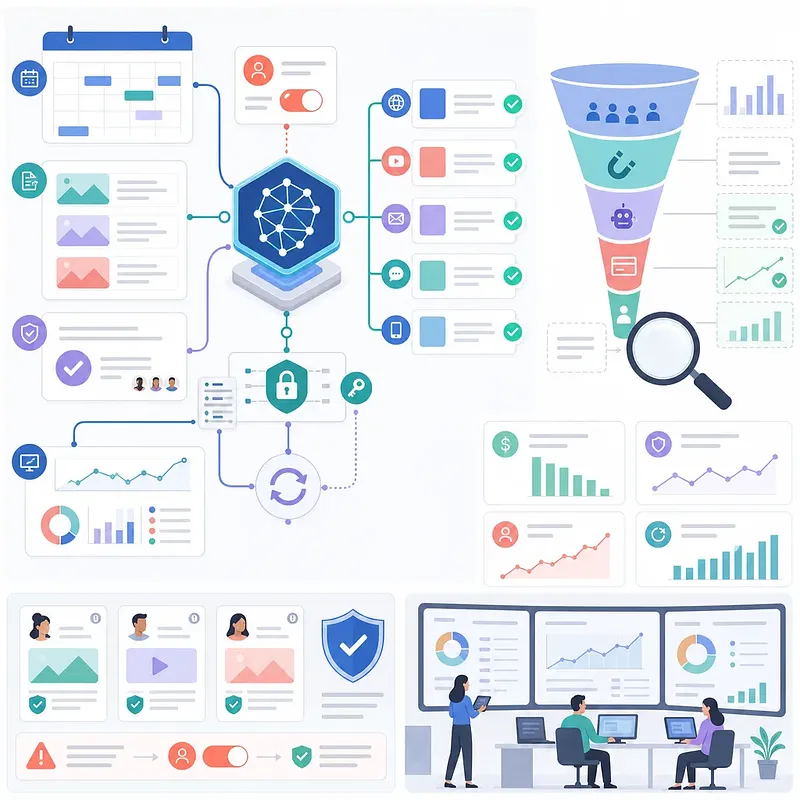
Transforming a SaaS product into an AI automation system requires more than adding AI features. The central question is whether the product can reliably reduce repetitive work from planning through execution and validation. Using the reported Postiz growth case, this article explores why customer use cases may provide stronger demand signals than feature lists—while emphasizing that views, conversions, revenue, and customer acquisition costs must be measured separately. It also explains how API contracts, least privilege, idempotency, observability, and failure recovery can become competitive advantages for products used by AI agents. Reported revenue and churn figures remain validation tasks, and pauses in feature development are assessed as temporary investments in reliability rather than permanent strategy. #AIAutomation #SaaSStrategy

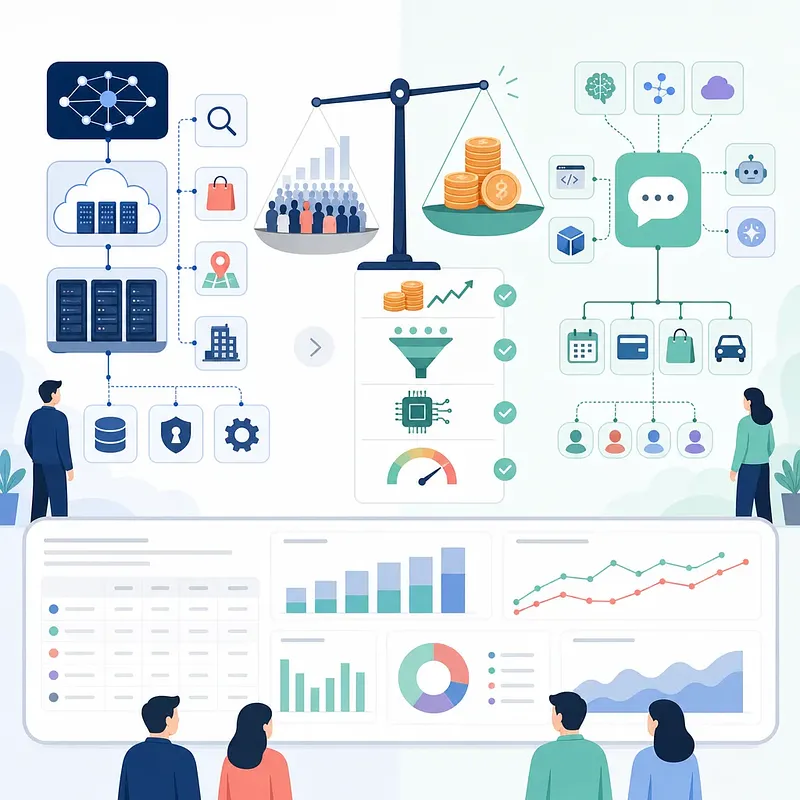
Monthly active users are an easy metric to compare, but they reveal little about usage frequency, transaction conversion, revenue contribution, or operating efficiency. That distinction matters when assessing Naver and Kakao’s AI strategies. Naver is building an integrated ecosystem across proprietary models, cloud, data centers, and enterprise services. Kakao is taking a service-focused approach, combining external models—including those from OpenAI—with internal technology around KakaoTalk. The more meaningful scorecard includes AI revenue, conversion rates, inference cost per user, and return on invested capital. Public AI project participation, app rankings, and model benchmarks may be signals, but they are not sufficient measures of long-term competitiveness. #AI #TechnologyStrategy


Memorable drama quotes can help people name difficult feelings, but inspiration is most useful when it leads to practical, situation-appropriate action. This article explains why choosing one controllable next step is more productive than vague self-criticism. It also considers how personal standards and boundaries shape self-esteem, why slow growth should be documented through practice as well as outcomes, and how to approach fear gradually within safe limits. The distinction matters: motivational language can provide temporary direction, but it should not be treated as unconditional positivity or a substitute for professional help when psychological distress persists. #SelfManagement #HabitFormation

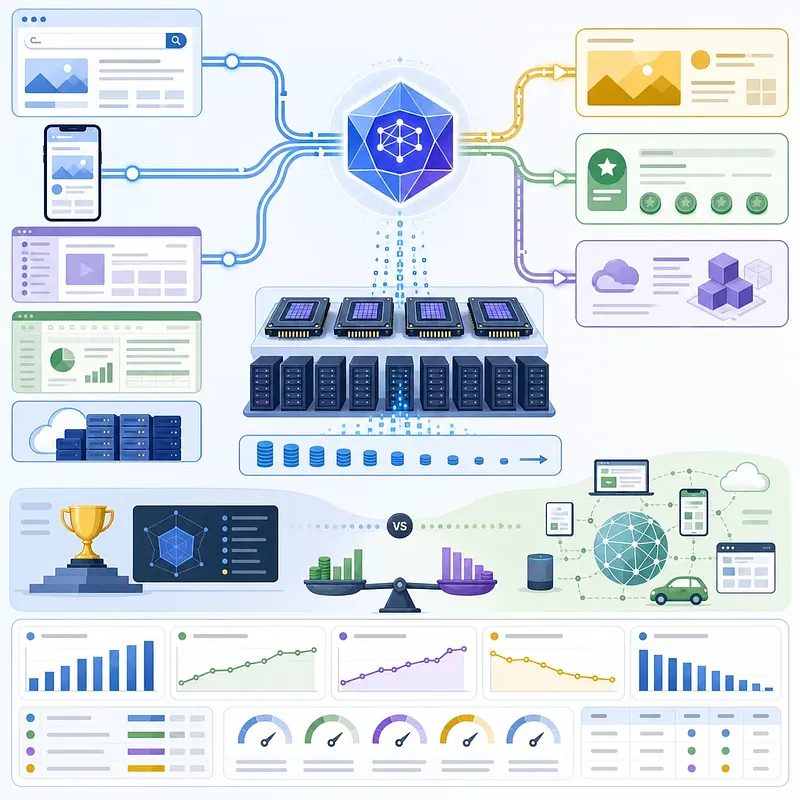
Google's AI Strategy: Why Distribution and Inference Economics Matter More Than Model Competition
Model quality matters, but it is only one component of AI market competition. Google’s strategic position depends heavily on distribution and inference economics: Gemini can be deployed across Search, Android, Chrome, Workspace, and Cloud, while proprietary TPUs may lower the cost of serving responses at scale. The article also explains why advertising assumptions require caution. The presence of ads in AI Overviews does not prove that longer AI answers automatically generate more revenue. A stronger assessment focuses on user retention, task success rates, cost per response, and changes in existing search revenue. These operating metrics may reveal more than benchmark rankings alone. #AI #GenerativeAI

Why Data Center Inference Is Likely to Remain Mainstream as Local AI Advances
As local AI improves, it is tempting to assume that inference will steadily move away from data centers. The economics and performance dynamics suggest a more nuanced outcome. Open-weight availability does not guarantee efficient execution on personal hardware. Data centers can dynamically batch requests, share accelerators, and achieve higher utilization. Meanwhile, the true cost of local inference includes depreciation, electricity, cooling, maintenance, and periods of low use—not just the initial GPU price. The performance frontier also keeps moving. Future laptops may run today’s leading models, while future data center systems handle more capable models, longer workflows, and complex agent tasks. This points toward hybrid architecture rather than a winner-takes-all market. #AIInfrastructure #GenerativeAI