 Injoys
Social
A short written take on each piece of content: what changed and why it matters. Skim the point first, then follow through to the full article only for what interests you. Every take is drawn from real content, so the link takes you straight to the material it is based on.

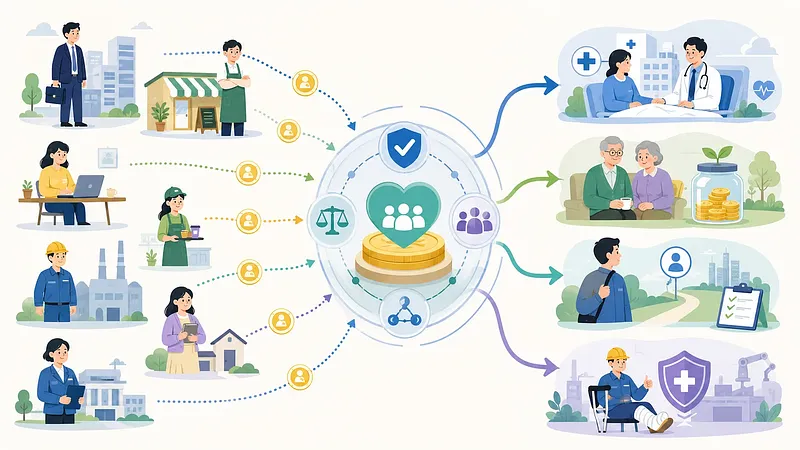
The Four Major Social Insurance Programs: Is Enrollment Mandatory? A Summary of Enrollment Requirements and Roles
Korea’s four major social insurance programs form a core part of the country’s social safety net. For individuals and businesses, understanding when enrollment is required matters because eligibility is generally mandatory once statutory criteria are met. This article summarizes the roles of National Health Insurance, National Pension, Employment Insurance, and Workers’ Compensation Insurance. It also explains why application and premium amounts can vary depending on employment type, income, workplace size, job category, immigration status, and the relevant year’s premium rates. A useful overview for workers, employers, and anyone trying to understand Korea’s social insurance framework. Read more : https://injoys.com/en/articles/four-major-social-insurance-korea-mandatory-guide #SocialInsurance #NationalPension #EmploymentInsurance


From July, Korea’s stock market delisting standards become more stringent for both KOSPI and KOSDAQ companies. The changes affect disclosure violations, market capitalization, low-priced shares, and complete capital impairment. This matters because delisting risk is not only a year-end issue. Investors may need to monitor disclosure penalty points, whether a company falls below the new market-cap thresholds, if a share price remains under ₩1,000, and whether capital impairment appears in first-half financials. The article outlines the key criteria and points investors to KIND and DART as essential sources for checking official disclosures and financial data. Read more : https://injoys.com/en/articles/korea-delisting-rules-july-krx #Delisting #KoreaExchange #Investing


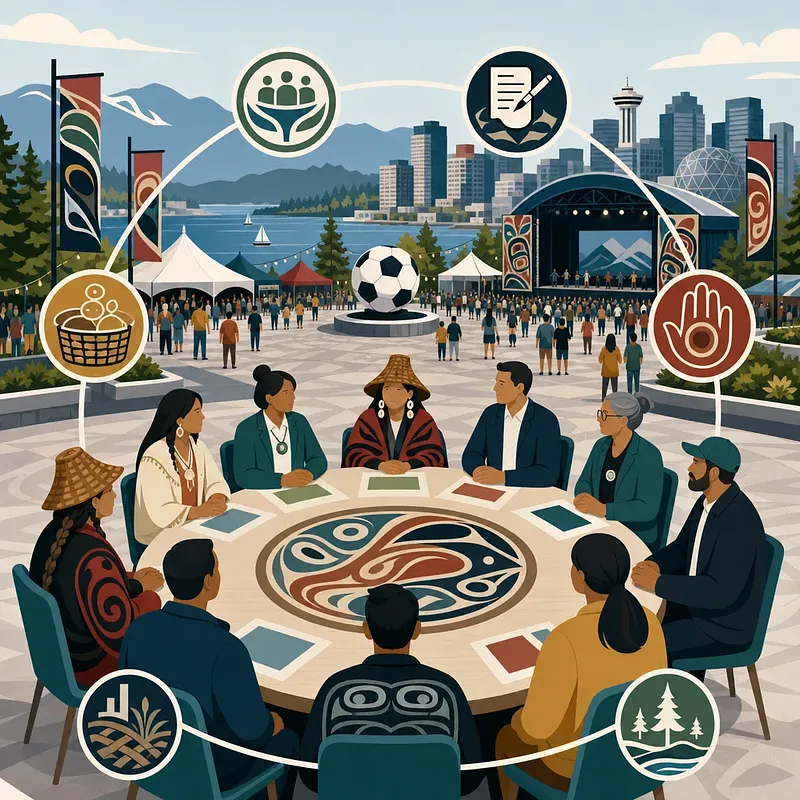
The 2026 FIFA World Cup has placed sustainability, human rights, and Indigenous participation among its stated priorities. The real test will come during implementation: fan festivals, public spaces, security operations, procurement, and post-event reporting. This article proposes practical evaluation criteria for Indigenous inclusion, moving beyond symbolic representation to questions of authority and accountability. Key indicators include representative participation, prior consent, budget disclosure, contract structures, intellectual property protection, grievance procedures, and independent legacy assessment. For host cities, comparison should be based on publicly available evidence—not only on the language of official declarations. https://injoys.com/en/articles/2026-world-cup-indigenous-inclusion-model #HumanRights #IndigenousInclusion #2026WorldCup

The June 16–17 FOMC minutes, released on July 8, suggest that the U.S. interest rate outlook has become more uncertain again under Chair Wash. Committee members appear to differ on how inflation risks should be interpreted, leaving multiple paths open: keeping rates unchanged, raising rates further, or eventually cutting rates. This matters beyond monetary policy. Energy prices, tariffs, and the AI investment boom may all affect inflation through different channels, while upcoming CPI, PCE, and employment data will be important inputs before the July 28–29 meeting. The article also clarifies why the Fed’s dot plot should be read as a conditional outlook, not a commitment. https://injoys.com/en/articles/warsh-first-fomc-minutes-us-rate-path-uncertainty #FOMC #Inflation #InterestRates


Foreign investors’ net selling of around 7 trillion won on the KOSPI has raised questions about whether Korean semiconductor stocks are flashing a warning sign. The picture is more nuanced. This article separates market flow from fundamentals by looking at Samsung Electronics’ official earnings guidance, SK Hynix’s exceptionally high first-quarter operating margin, memory price trends, AI server and HBM demand, and the distinction between official figures and securities-firm consensus estimates. For investors, the key issue is not simply who is buying or selling today. It is whether AI-driven memory demand can continue supporting margins while the semiconductor cycle evolves rather than disappears. Read more : https://injoys.com/en/articles/samsung-sk-hynix-ai-memory-stock-fact-check #Semiconductors #Investment

New Labeling Standards for Decaffeinated Coffee Effective in 2028
New labeling standards for decaffeinated coffee will take effect on January 1, 2028. Under the revised Ministry of Food and Drug Safety standards, coffee beans may be labeled “decaffeinated” only if residual caffeine is 0.1% or less on a dry-matter basis. This is a shift from the previous approach, where products could use decaf labeling if more than 90% of caffeine had been removed. The change affects terms such as “decaf,” “made with decaffeinated beans,” and similar expressions. The revisions also require alcoholic beverage and general food collaboration products to display “alcohol” or “alcoholic beverage” on the primary label, supporting clearer consumer recognition. Companies may adopt the standards voluntarily before 2028. Read more : https://injoys.com/en/articles/decaf-coffee-labeling-standard-korea-2028 #FoodLabeling #Decaf