 Injoys
Social
A short written take on each piece of content: what changed and why it matters. Skim the point first, then follow through to the full article only for what interests you. Every take is drawn from real content, so the link takes you straight to the material it is based on.


Choosing a Google Ads campaign type is not simply a format decision. Search, Video, Performance Max, Demand Gen, and Display campaigns serve different roles—from capturing existing demand to generating visual demand or automating delivery across channels. This practical guide explains the setup sequence, beginning with clearly defined conversions and conversion values. It also highlights settings that should be reviewed rather than accepted by default, including location, language, network, device, budget, and bidding. After launch, disciplined measurement matters just as much. Reviewing search terms, placements, device results, and conversion value—and testing one major variable at a time—can make performance analysis more reliable. #GoogleAds #AdPerformance

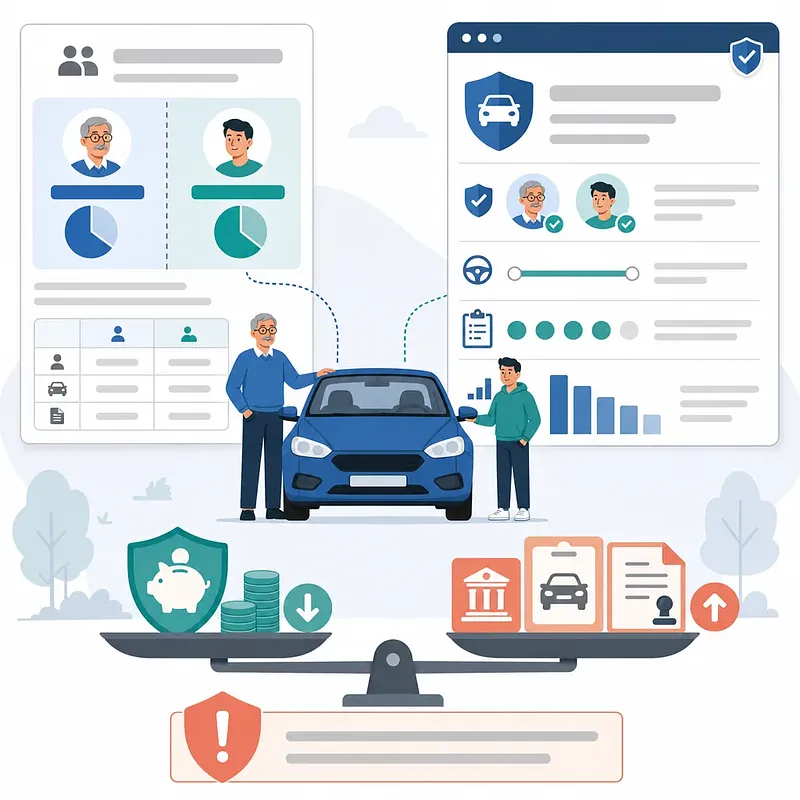
Joint car ownership can sometimes help reduce auto insurance premiums, but the registration arrangement itself is not what creates savings. The key factors are the named insured’s record, the actual drivers covered, age restrictions, and the permitted driver scope. This distinction matters when a parent and child share ownership. A policy in the parent’s name must still properly cover the child, and co-ownership may not automatically build the child’s recognized insurance history. Any premium difference should also be weighed against acquisition tax, registration costs, future sale procedures, and possible underwriting consequences if ownership is changed after an accident. The article explains the factors to review before deciding. #AutoInsurance #RiskManagement


Group averages are valuable for understanding conditions and allocating resources, but they become risky when treated as a model of an actual individual. Gilbert Daniels’s U.S. Air Force research demonstrated that almost no one was “average” across several body measurements simultaneously. For leaders, the practical lesson is to avoid defining an employee by one score or isolated weakness. Instead, assess the interaction among strengths, tasks, working relationships, and the work environment. Personalized leadership does not require different standards for everyone. It means maintaining shared goals while adapting methods and feedback—and validating those choices through regular conversations and observable performance data. #Leadership #OrganizationalCulture

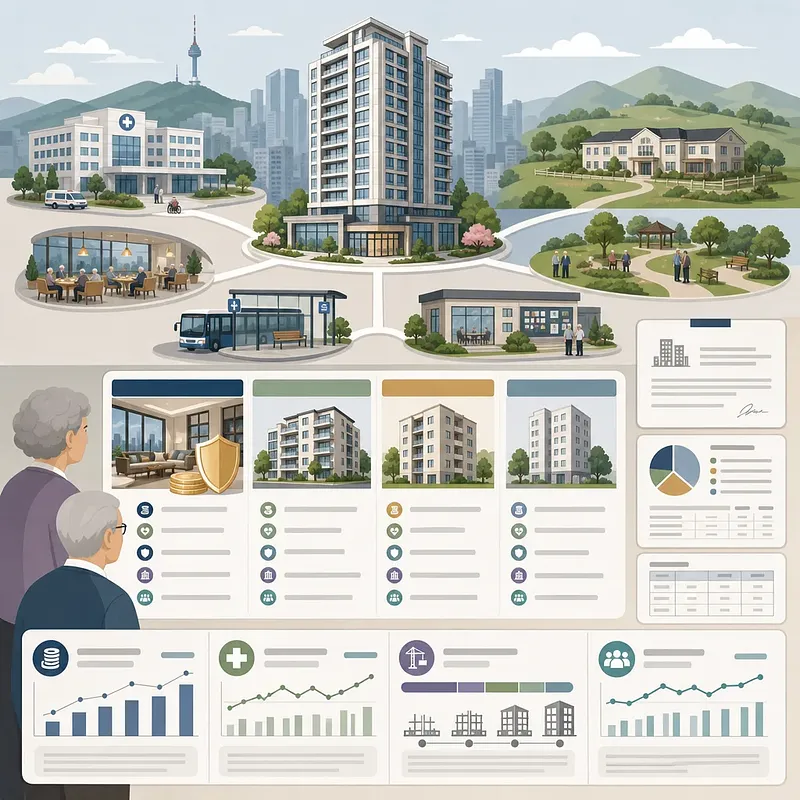
A KRW 5 billion deposit should not be treated as the benchmark for senior housing in South Korea. It represents the upper end of pricing for certain high-end projects and highlights how the market is segmenting by assets, location preferences, and lifestyle expectations. This matters because urban senior housing increasingly combines residences with healthcare, dining, and leisure services, while high development costs and operational demands constrain supply. Prospective residents should assess the legal facility type, operator, recurring fees, healthcare access, refund structure, and long-term operating stability—not just the deposit. Public and middle-income models should likewise be judged by completed projects and operating records rather than planned supply alone. #SeniorHousing #HealthyAging #HousingMarket

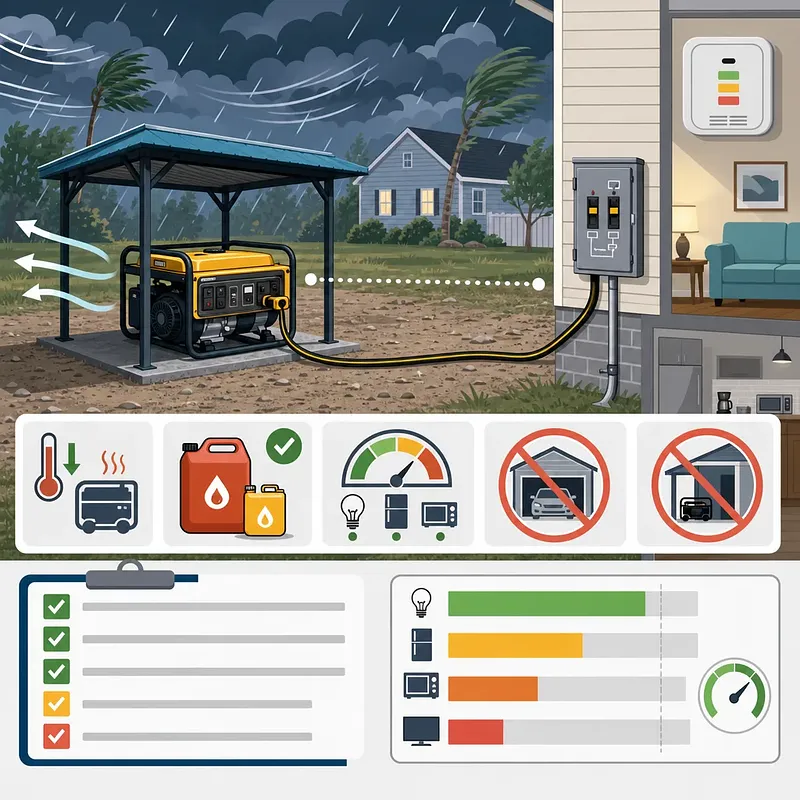
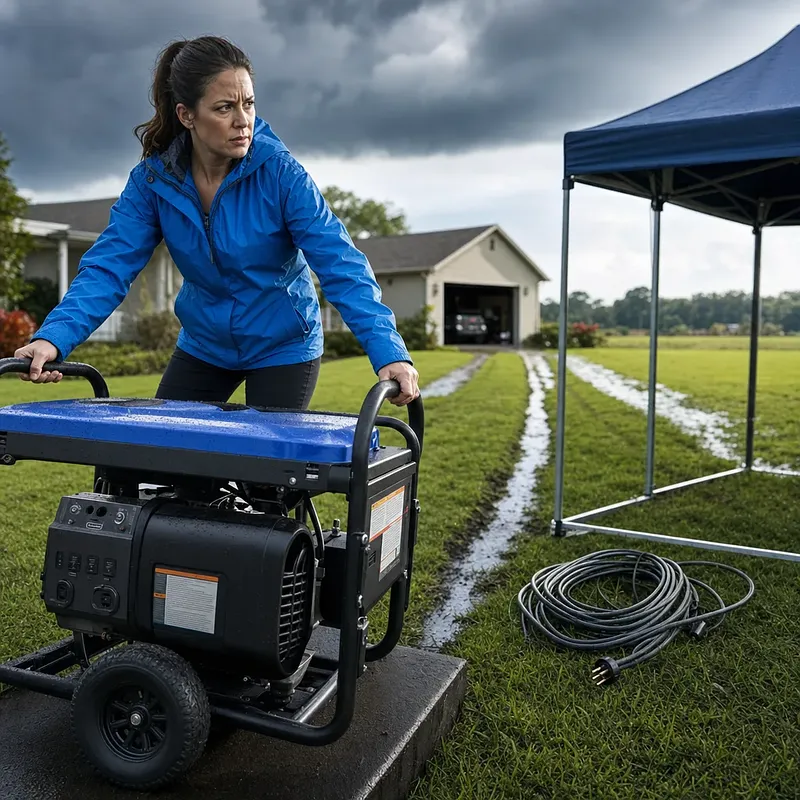
Portable generators can support essential needs during hurricane-related outages, but improper setup can create serious carbon monoxide and electrical hazards. Public agency guidance calls for operating fuel-powered generators only in an open outdoor area, at least 20 feet from the home, with exhaust directed away from doors, windows, and vents. Before use, households should test carbon monoxide alarms, confirm weather protection, inspect fuel, and verify that extension cords are rated for the intended load. For connections beyond direct appliance use, an inlet and transfer switch should be installed by a qualified electrician. During operation, monitor load and fuel levels continuously, and shut the generator down and allow it to cool completely before refueling. The article provides a practical checklist for preparation, operation, and post-outage inspection. #GeneratorSafety #DisasterPreparedness
Comparing Emergency Go-Bags and Home Stockpiles in Japan: How to Calculate Water, Food, and Toilet Needs
Effective disaster planning requires distinguishing between supplies for immediate evacuation and supplies for sheltering at home. A go-bag must remain portable, accessible, and appropriate for the evacuation method; a home stockpile can cover a longer period and hold heavier items. For households in Japan, the article explains how to estimate water according to municipal guidance, prepare at least three days—and preferably one week—of food, and calculate emergency toilets using household size, expected daily uses, and coverage days. It also highlights gaps in ready-made kits, including medication, allergy-safe foods, and items for infants and older adults. Because shelter inventories and individual allocations vary, checking municipality-specific facility plans is an important part of preparation. #DisasterPreparedness