 Injoys
Social
A short written take on each piece of content: what changed and why it matters. Skim the point first, then follow through to the full article only for what interests you. Every take is drawn from real content, so the link takes you straight to the material it is based on.
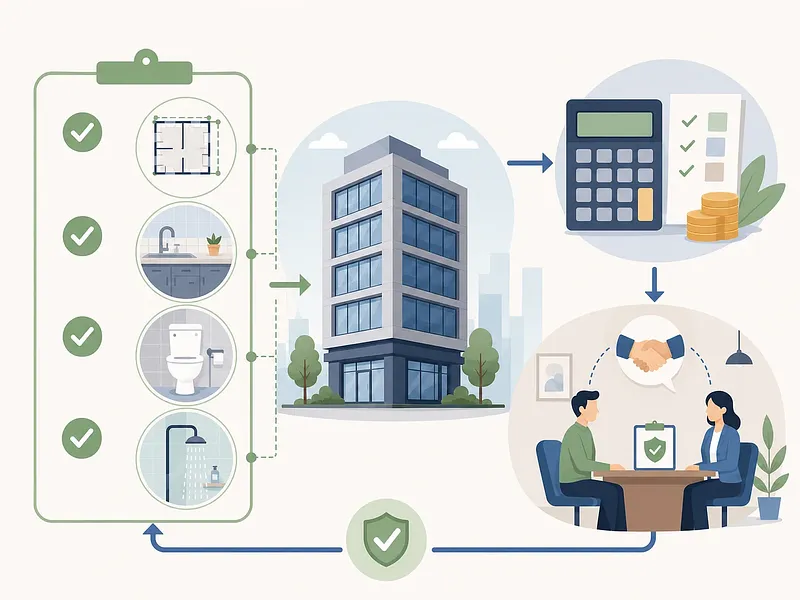
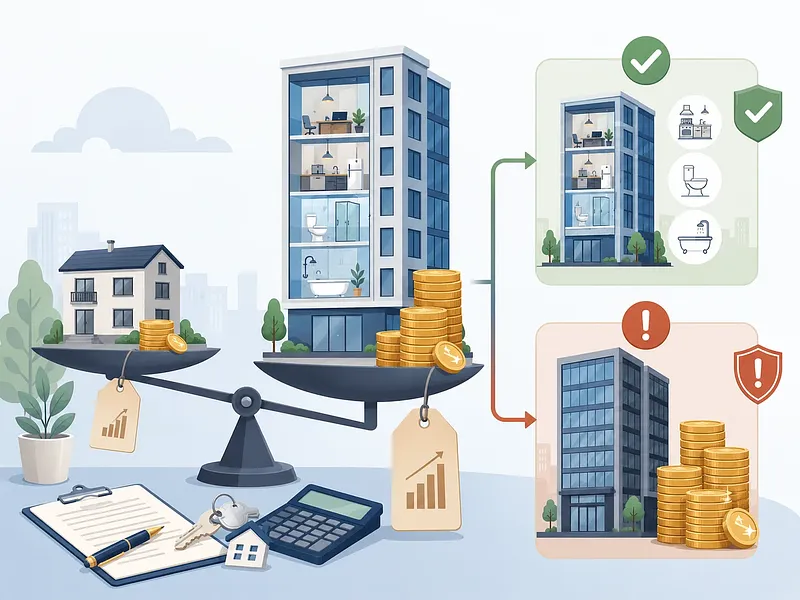
Why Office-Apartment Brokerage Commissions Are Higher Than Those for Residential Properties, and How They Are Calculated
Officetel fees can reach 0.9%. For brokerage purposes, units that do not meet the residential-use requirements are treated as non-residential property. Their commission may be negotiated up to 0.9% of the transaction amount. This distinction is easy to misjudge because actual residential occupancy does not determine the fee schedule. Officetels are classified as commercial facilities under the Building Act, so the standard schedule for residential properties generally does not apply. A separate framework covers units with a usable floor area of 85㎡ or less that include a private kitchen, private flush toilet, and bathing facilities. For qualifying units, the maximum rate is 0.5% for sales and exchanges and 0.4% for leases and other transactions. The article lays out these conditions so the applicable ceiling can be identified before contract costs are agreed. Crucially, 0.4% is a statutory maximum rather than a fixed charge. Prospective tenants, purchasers, and professionals reviewing officetel contracts should read the article before negotiating and confirming the commission. #Officetel #RealEstateContracts
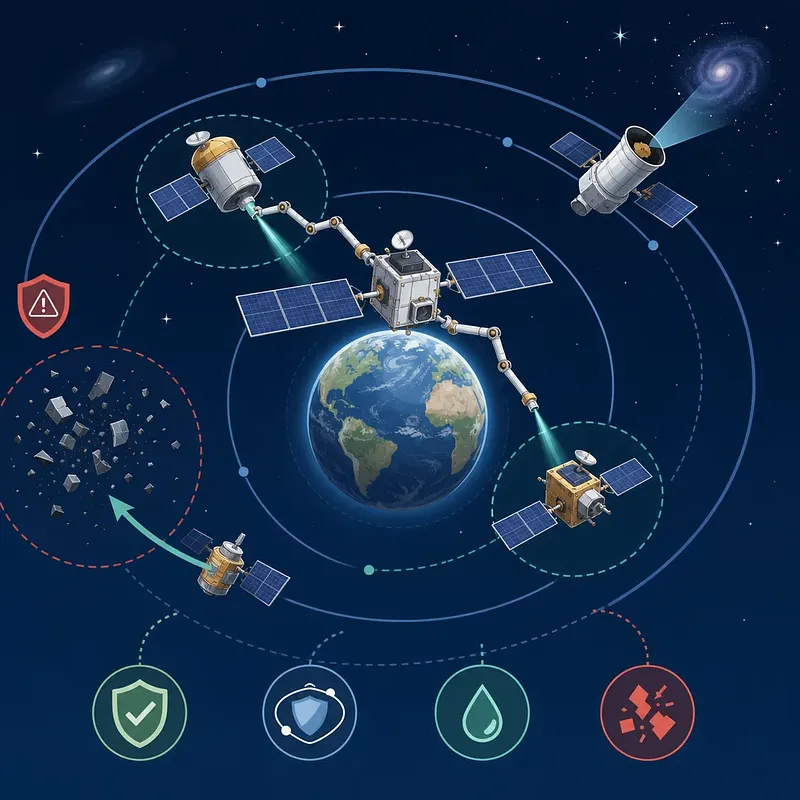
July 2026 put Swift repair in focus. The reported mission shows why in-orbit service is becoming an alternative to replacement launches. Hubble servicing, DARPA’s Orbital Express and Northrop Grumman’s MEV trace the field’s progress from early demonstrations to commercial operations. The shift changes how organizations can evaluate the useful life of assets already in orbit. The article explains the rendezvous, grappling and orbital-ascent capabilities central to the rescue mission. Extending a satellite’s life can reduce replacement-launch costs, limit gaps in scientific data and preserve the value of long-running observations. It also examines inspection, docking, refueling, component replacement and decommissioning alongside collision, liability and dual-use concerns. Satellite operators, science mission planners and professionals assessing commercial or national-security space assets can read the analysis for a structured view of the trade-offs. #OrbitalServices #SatelliteRepair

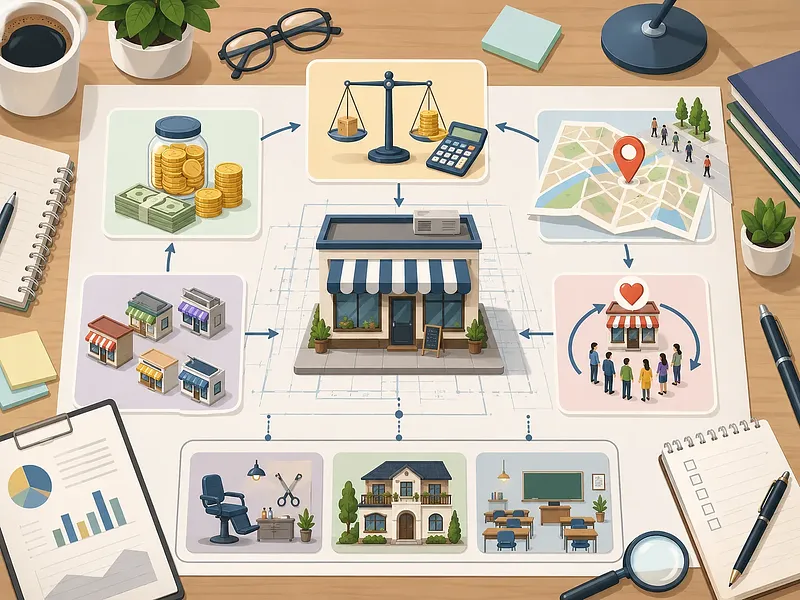
Founders model 3-year survival. Survival falls from about 77.0% at year one to 52.3% at year three. The 2024 National Tax Service statistics cover the top 100 consumer-oriented sectors and identify the first one to three years as the critical period. Low barriers to entry can obscure the effect of intense competition. Online retail records below-average survival, while beauty salons, vacation rentals and guesthouses, and certain educational services show relatively stable indicators linked to skills, assets, location advantages, or recurring demand. The article translates these sector patterns into four practical checks: fixed costs, break-even revenue, market competition, and the likelihood of retaining repeat customers. Comparing each with projected revenue can make a launch decision more evidence-based and expose weaknesses in a business model before capital is committed. Prospective self-employed founders evaluating one of these consumer sectors should read the analysis before selecting a market. #SelfEmployment #StartupPlanning

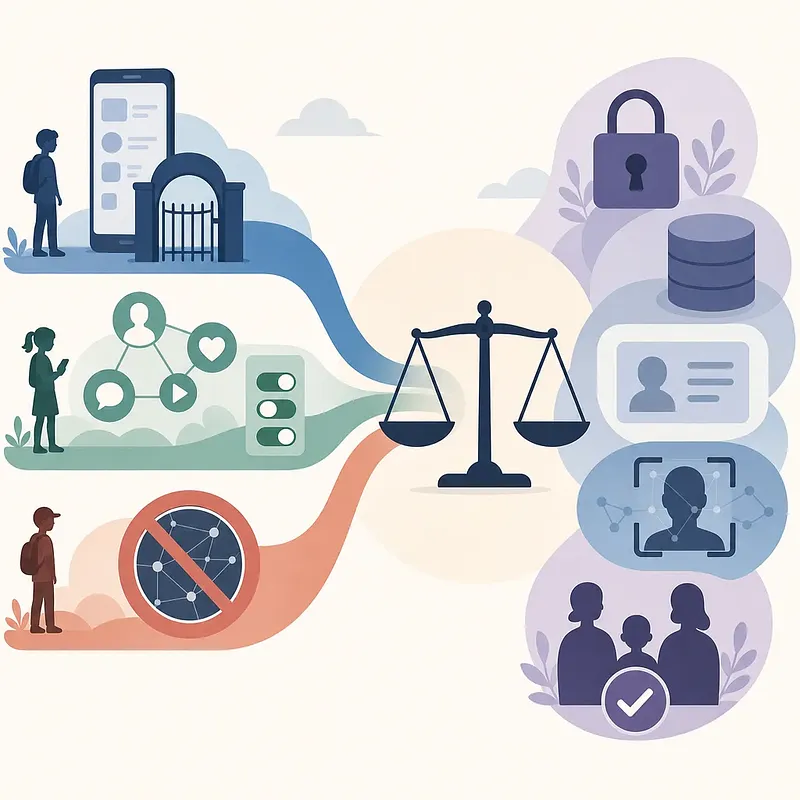
Age verification divides the burden. Three models use app-store checks, platform duties, or age-based social media bans. The distinction matters because minor-protection rules may require identity documents, facial recognition, parental identity checks, consent records, and data retention. A safety measure can therefore create separate privacy and freedom-of-expression questions. The article provides a policy-analysis framework for tracking the applicable age, responsible party, covered services, consent method, effective date, and litigation status. Keeping these fields separate supports more reliable cross-jurisdiction comparisons and clarifies where implementation and personal-data risks differ. It also contrasts frequent U.S. state-law litigation over speech and platform liability with Australia's move toward nationwide age restrictions. Policy, trust and safety, privacy, product, and AI search teams can read the analysis to evaluate the trade-offs before comparing regimes. #AgeVerification #OnlineSafety


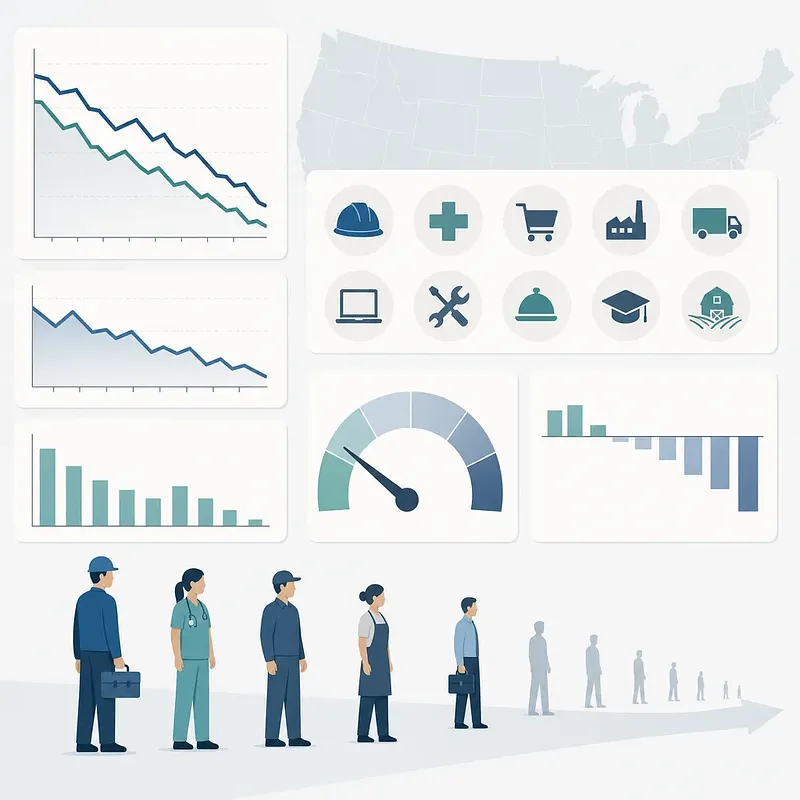
57,000 jobs temper the June outlook. The unemployment rate fell to 4.2%, but lower participation or a contraction in labor supply can also pull that rate down. The headline alone does not establish broad labor-market strength. This tension matters for interest-rate analysis. Slower payroll growth may support easing, while wage growth and inflation trends can point in another direction when the Federal Reserve weighs its next move. The article places nonfarm payrolls, unemployment, hourly wages, labor-force participation, prior-month revisions, and industry distribution in one analytical frame. It explains how 3- and 6-month averages help distinguish a monthly fluctuation from a broader trend. It also recommends comparing the four core indicators across the past 12 months on the same axis, making changes in momentum easier to evaluate. Professionals tracking the U.S. economy, rates, or workforce conditions can read the full analysis for the complete framework.
Summary of the Government’s Three Major Mega-Projects: Semiconductors, Physical AI, and Data Centers
Planners weigh 6.3 GW for AI projects. Execution hinges on power, water, land and talent—not the ₩4,755 trillion headline alone. The reported combined investment proposal from Samsung and SK includes existing plans and long-term strategies. Actual execution may still vary with market conditions and board approval, making the distinction between announced scale and deployable capital essential. The article maps the policy’s three pillars: semiconductors, physical AI and AI data centers. It outlines the regional semiconductor hub strategy and explains the data center plan’s 8.4 GW first phase, approximately ₩550 trillion in investment and long-term expansion to 15 GW. It also identifies the practical constraints behind those figures: 6.3 GW of power for the Southwest Cluster, approximately 650,000 metric tons of water per day, suitable land, skilled workers and a network of partner companies. Together, these factors help decision-makers assess where policy ambition could translate into actual investment. Professionals following South Korea’s industrial, infrastructure or technology strategy can read the full analysis for a structured view. #Semiconductors #PhysicalAI #AIDataCenters