Skip to content
News

OpenAI GPT-6.2 Astra and Sol Launch for Paid Users

OpenAI has launched GPT-6.2 Astra and Sol. The announcement lists Plus, Pro, Enterprise, and Edu users as eligible for Work and Codex, but does not specify when activation will be complete for each account in Korea.

Read text only

6 min read

Just the words, no images.

OpenAI GPT-6.2 Astra and Sol Launch for Paid Users

6 min read

OpenAI GPT-6.2 Astra and Sol Launch for Paid Users
OpenAI has launched GPT-6.2 Astra and Sol. The announcement lists Plus, Pro, Enterprise, and Edu users as eligible for Work and Codex, but does not specify when activation will be complete for each account in Korea.
According to OpenAI's announcement, GPT-6.2 Astra and Sol are available in Work and Codex to Plus, Pro, Enterprise, and Edu users.
The Enterprise and Edu help documentation states that both models are disabled by default in the Work and Codex desktop previews.
OpenAI's announcement lists Astra's standard API prices per 1 million tokens as $8 for input, $0.40 for cached input, and $40 for output.
OpenAI's announcement lists Sol's API prices per 1 million tokens as $2 for input, $0.10 for cached input, and $10 for output.
The context window specified in the Astra model documentation is 1,050,000 tokens.
OpenAI launched GPT-6.2 Astra and Sol on November 17, 2026, the day of the announcement. The announcement lists Plus, Pro, Enterprise, and Edu users as eligible. The models are available in ChatGPT Work and Codex.
The information in this article was checked as of November 19, 2026, based on OpenAI's announcement, model documentation, and help articles.
Astra and Sol launch and Responses API changes
OpenAI released GPT-6.2 Astra and GPT-6.2 Sol for external use. According to the Sol model documentation, inputs are text and images. The output format is text.
The Using GPT-6.2 documentation explains what happens when conversation history is edited. Starting with GPT-6.2, the Responses API drops reasoning items if earlier conversation history is edited. The documentation calls these changes prefix edits.
Available in Work and Codex for Plus, Pro, Enterprise, and Edu
According to the OpenAI announcement, both models are available on the following plans from the announcement date. They can be accessed through ChatGPT Work and Codex. However, they are disabled by default in the Enterprise and Edu desktop previews.
Plan | Access announced | Access condition to check Plus | ChatGPT Work, Codex | Model picker in each service Pro | ChatGPT Work, Codex | Model picker in each service Enterprise | ChatGPT Work, Codex | Whether enabled in the desktop preview Edu | ChatGPT Work, Codex | Whether enabled in the desktop preview
The model selection help article explains the model pickers in Work and Codex. The existing model options in regular Chat remain unchanged. Access to these models should therefore not be judged solely by the picker in regular Chat.
The Enterprise and Edu help article specifies separate conditions. Both models are disabled by default in the Work and Codex desktop previews. Even on an eligible plan, workspace access settings must be checked before use.
API pricing and Astra's input and output limits
According to OpenAI's Korean-language announcement, API rates for the two models are as follows. The amounts in the table are based on the November 17, 2026 announcement. All rates are in US dollars per 1 million tokens of the corresponding type.
Model | Input | Cached input | Output GPT-6.2 Astra | $8 | $0.40 | $40 GPT-6.2 Sol | $2 | $0.10 | $10
OpenAI described Astra's rates as standard API pricing. It said Sol retains the pricing of GPT-6.1 Sol. This table lists API rates, not ChatGPT subscription fees.
The Astra model documentation specifies a context window of 1,050,000 tokens. Maximum input and maximum output are listed separately. The full context window should therefore not be read as the input limit.
Item in the Astra documentation | Limit Context window | 1,050,000 tokens Maximum input | 922,000 tokens Maximum output | 128,000 tokens
OpenAI's own evaluations and AA-3D measurements by a separate organization
OpenAI's capability assessments should be distinguished as the company's own claims. The GPT-6.2 System Card evaluated the capabilities of both models. OpenAI said they are the most capable models it has deployed externally.
AA-3D scores published by Artificial Analysis
Artificial Analysis said Astra leads AA-3D in its separate measurements. The scores presented in its November 17, 2026 analysis are below. These figures are not OpenAI's own measurements.
Model | AA-3D score | Measured and published by GPT-6.2 Astra | 1318 points | Artificial Analysis Claude Fable 5.2 | 1271 points | Artificial Analysis GPT-6.2 Sol | 1259 points | Artificial Analysis
The comparison in this table is limited to AA-3D scores. These figures do not indicate the quality of Korean-language responses. These results alone cannot establish performance rankings across all tasks.
Activation timing in Korea and Business eligibility were not specified
The announcement did not confirm when activation would actually be completed for individual accounts in Korea. It gives an announcement date but does not specify the exact release time or time zone. A launch time converted to Korean time therefore cannot be stated with certainty.
· When activation will be completed for individual accounts in Korea: not specified. · Eligibility to use these models on the Business plan: not specified. · Schedule for retiring existing models or automatically switching users: not specified. · API access conditions for each model in Korea: cannot be confirmed from the official wording cited.
Check the model picker and access settings before use in Korea
To use the models in Korea, check both your plan and whether you actually have model access. Before deciding to pay, compare the eligibility stated in the announcement with what appears in your account. If integrating the API, also check input and output limits and how conversation history is handled.
· Check whether your current plan is listed as eligible in the announcement. Do not assume Business is eligible based on this announcement alone. · Check the model picker in ChatGPT Work or Codex. Regular Chat retains its existing model options. · If you use Enterprise or Edu, check your workspace access settings. The desktop preview is disabled by default. · When reviewing API costs, distinguish between input, cached input, and output rates. Also check Astra's maximum input and maximum output separately. · If your implementation edits earlier conversation history, check the Responses API's behavior. Starting with GPT-6.2, reasoning items are dropped after those edits.

0:00 0:00
1 / 35

Advertisement

Download text

File name
openai-gpt-6-2-astra-sol-release-paid-access-en.txt
Format
TXT (text/plain)
Paragraphs
35

Downloads exactly what you see as a text file.

Please cite the source when quoting.

Advertisement

Large text

Makes the text larger and the colors clearer. Turn it on if the text feels too small.

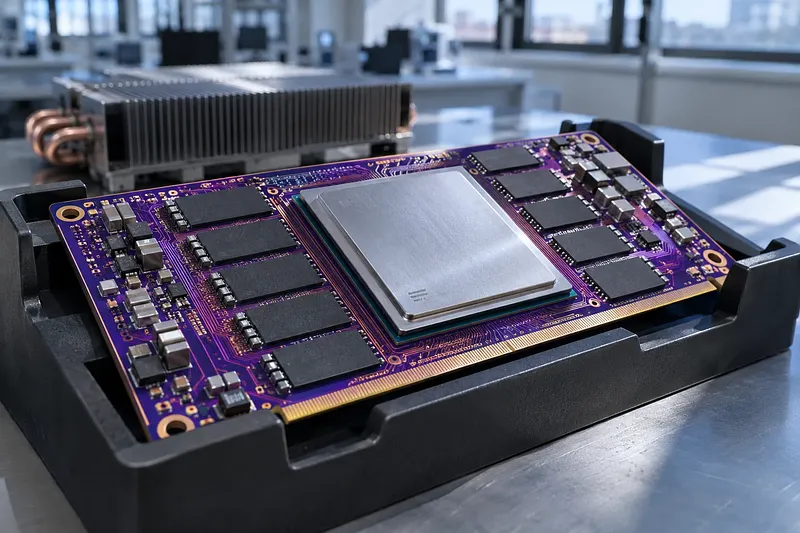
GPT-6.2 Astra and Sol are available in Work and Codex on paid plans.AI-generated image

Key points

  • According to OpenAI's announcement, GPT-6.2 Astra and Sol are available in Work and Codex to Plus, Pro, Enterprise, and Edu users.
  • The Enterprise and Edu help documentation states that both models are disabled by default in the Work and Codex desktop previews.
  • OpenAI's announcement lists Astra's standard API prices per 1 million tokens as $8 for input, $0.40 for cached input, and $40 for output.
  • OpenAI's announcement lists Sol's API prices per 1 million tokens as $2 for input, $0.10 for cached input, and $10 for output.
  • The context window specified in the Astra model documentation is 1,050,000 tokens.

OpenAI launched GPT-6.2 Astra and Sol on November 17, 2026, the day of the announcement. The announcement lists Plus, Pro, Enterprise, and Edu users as eligible. The models are available in ChatGPT Work and Codex.

The information in this article was checked as of November 19, 2026, based on OpenAI's announcement, model documentation, and help articles.

Astra and Sol launch and Responses API changes

OpenAI released GPT-6.2 Astra and GPT-6.2 Sol for external use. According to the Sol model documentation, inputs are text and images. The output format is text.

The Using GPT-6.2 documentation explains what happens when conversation history is edited. Starting with GPT-6.2, the Responses API drops reasoning items if earlier conversation history is edited. The documentation calls these changes prefix edits.

Astra and Sol are disabled by default in the Enterprise and Edu Work·Codex desktop preview.AI-generated image

Available in Work and Codex for Plus, Pro, Enterprise, and Edu

According to the OpenAI announcement, both models are available on the following plans from the announcement date. They can be accessed through ChatGPT Work and Codex. However, they are disabled by default in the Enterprise and Edu desktop previews.

Plan Access announced Access condition to check
Plus ChatGPT Work, Codex Model picker in each service
Pro ChatGPT Work, Codex Model picker in each service
Enterprise ChatGPT Work, Codex Whether enabled in the desktop preview
Edu ChatGPT Work, Codex Whether enabled in the desktop preview

The model selection help article explains the model pickers in Work and Codex. The existing model options in regular Chat remain unchanged. Access to these models should therefore not be judged solely by the picker in regular Chat.

The Enterprise and Edu help article specifies separate conditions. Both models are disabled by default in the Work and Codex desktop previews. Even on an eligible plan, workspace access settings must be checked before use.

API pricing and Astra's input and output limits

According to OpenAI's Korean-language announcement, API rates for the two models are as follows. The amounts in the table are based on the November 17, 2026 announcement. All rates are in US dollars per 1 million tokens of the corresponding type.

Model Input Cached input Output
GPT-6.2 Astra $8 $0.40 $40
GPT-6.2 Sol $2 $0.10 $10

OpenAI described Astra's rates as standard API pricing. It said Sol retains the pricing of GPT-6.1 Sol. This table lists API rates, not ChatGPT subscription fees.

The Astra model documentation specifies a context window of 1,050,000 tokens. Maximum input and maximum output are listed separately. The full context window should therefore not be read as the input limit.

Item in the Astra documentation Limit
Context window 1,050,000 tokens
Maximum input 922,000 tokens
Maximum output 128,000 tokens

OpenAI's own evaluations and AA-3D measurements by a separate organization

OpenAI's capability assessments should be distinguished as the company's own claims. The GPT-6.2 System Card evaluated the capabilities of both models. OpenAI said they are the most capable models it has deployed externally.

AA-3D scores published by Artificial Analysis

Artificial Analysis said Astra leads AA-3D in its separate measurements. The scores presented in its November 17, 2026 analysis are below. These figures are not OpenAI's own measurements.

Model AA-3D score Measured and published by
GPT-6.2 Astra 1318 points Artificial Analysis
Claude Fable 5.2 1271 points Artificial Analysis
GPT-6.2 Sol 1259 points Artificial Analysis

The comparison in this table is limited to AA-3D scores. These figures do not indicate the quality of Korean-language responses. These results alone cannot establish performance rankings across all tasks.

Activation timing in Korea and Business eligibility were not specified

The announcement did not confirm when activation would actually be completed for individual accounts in Korea. It gives an announcement date but does not specify the exact release time or time zone. A launch time converted to Korean time therefore cannot be stated with certainty.

  • When activation will be completed for individual accounts in Korea: not specified.
  • Eligibility to use these models on the Business plan: not specified.
  • Schedule for retiring existing models or automatically switching users: not specified.
  • API access conditions for each model in Korea: cannot be confirmed from the official wording cited.

Check the model picker and access settings before use in Korea

To use the models in Korea, check both your plan and whether you actually have model access. Before deciding to pay, compare the eligibility stated in the announcement with what appears in your account. If integrating the API, also check input and output limits and how conversation history is handled.

  1. Check whether your current plan is listed as eligible in the announcement. Do not assume Business is eligible based on this announcement alone.
  2. Check the model picker in ChatGPT Work or Codex. Regular Chat retains its existing model options.
  3. If you use Enterprise or Edu, check your workspace access settings. The desktop preview is disabled by default.
  4. When reviewing API costs, distinguish between input, cached input, and output rates. Also check Astra's maximum input and maximum output separately.
  5. If your implementation edits earlier conversation history, check the Responses API's behavior. Starting with GPT-6.2, reasoning items are dropped after those edits.

Open the link

Opens in a new window.

Advertisement

Sign-in required

Sign in with your Google or Apple account to like, comment, and save highlights.

FAQ

Can I use it right away with a Plus or Pro account in Korea?

According to OpenAI's announcement, Plus and Pro are eligible for Work and Codex. However, it did not specify when activation would be completed for individual accounts in Korea. You need to check the model selector in Work or Codex to see whether you actually have access.

What should I check if the model does not appear in my Enterprise or Edu account in Korea?

According to the Enterprise and Edu help documentation, the Work and Codex desktop previews are disabled by default. If you are using that environment, check your workspace access settings. An announcement of eligibility alone does not mean activation is complete for your account.

Which rates should I look at when checking API costs in Korea?

According to OpenAI's announcement, Astra costs $8 for input and $0.40 for cached input per 1 million tokens. Output costs $40 per 1 million tokens. Sol costs $2 for input and $0.10 for cached input per 1 million tokens. Output costs $10 per 1 million tokens.

Sources

Data formats

This content is available in several machine-friendly formats.

Data-only languages (machine translated, files only)

Indonesian JSON MD Portuguese JSON MD Chinese (Traditional) JSON MD Deutsch JSON MD

Verification

This article was drafted with AI and then reviewed and edited by a person.

Reviewed by 신익희 · 편집장 · 2026-11-19

Figures in this article were checked against the source material during generation. · 2026-11-19

This translation has been cross-checked by AI. · 2026-11-19

Reuse & AI usage

Search indexing and AI citation with attribution are welcome. See the license policy for details.

CC BY · License

Loading…

Loading…

Loading…

Where this content lives

Related content

From Injoys

Request the content you want and take 70% of what it earns

Just leave the subject. We handle production, review, translation and distribution.

See how revenue sharing works

Comments