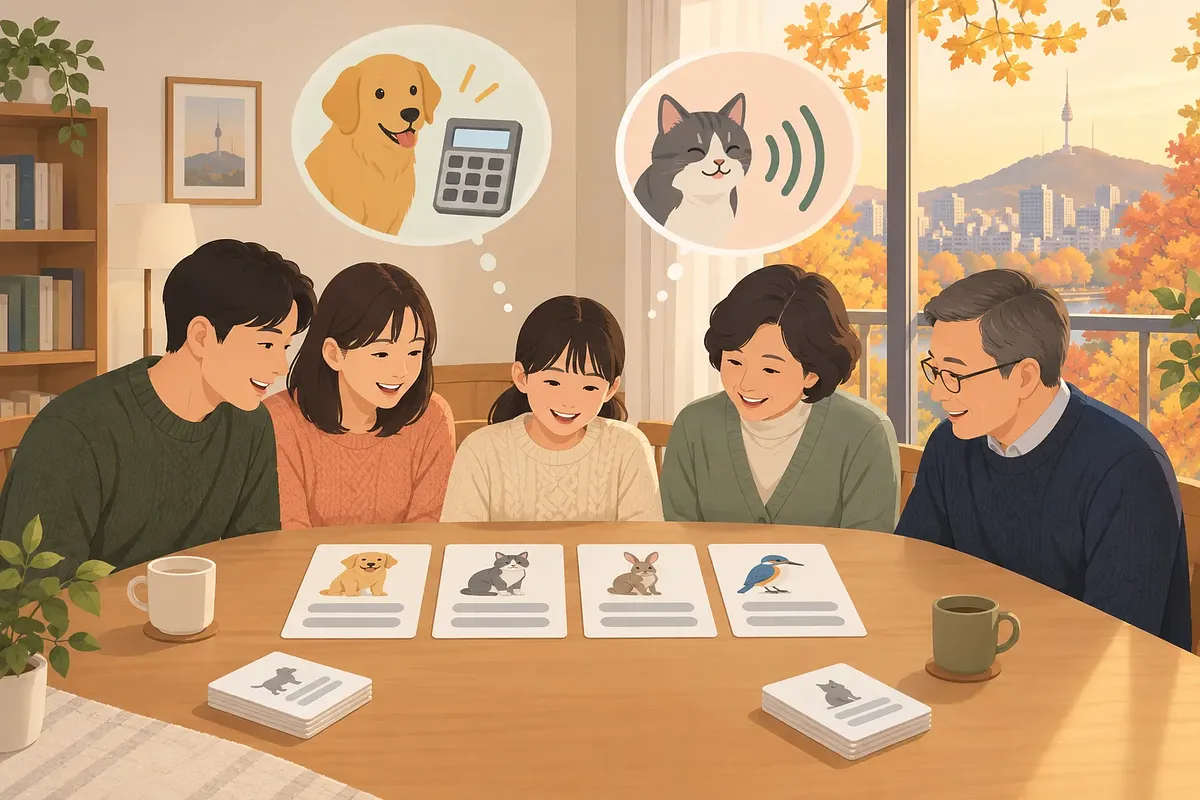
Here are 12 animal dad jokes about familiar animals such as dogs and cats. They play on the double meanings of animal words and the sounds animals make. Each question comes with an answer and a short explanation. You'll also find suggestions for using them at the family table and in the classroom.
12 Animal Dad Jokes
Each item is a short bit of wordplay, with a question and answer you can read on their own.
-
What does a dog use to add up the cost of its treats? - A bark-ulator.
- Explanation: Replacing the opening sound of "calculator" with "bark" gives the tool a canine name.
- When to use it: At the family table when the conversation turns to snacks.
-
What did the cat say when it arrived late to the meeting? - Please fur-give me.
- Explanation: "Fur-give" sounds like "forgive," with "fur" adding a hint of cat.
- When to use it: At a gathering when people are talking about cats.
-
What does a hare use to tidy its fur? - A harebrush.
- Explanation: "Hare" sounds exactly like "hair," turning a hairbrush into an animal's grooming tool.
- When to use it: When family members take turns playing quizmaster and contestant.
-
What did the horse say before leaving the group chat? - I need a more stable connection.
- Explanation: "Stable" can mean steady and reliable, but a stable is also a building where horses live.
- When to use it: At a gathering when group chats come up in conversation.
-
What did the cow call its newsletter? - The Daily Moos.
- Explanation: "Moos" sounds like "news," turning a familiar newspaper title into a collection of cow sounds.
- When to use it: When making a class newsletter.
-
What did the sheep print at the bottom of its order form? - Thank ewe for your order.
- Explanation: "Ewe," the word for a female sheep, sounds exactly like "you."
- When to use it: When preparing a pretend shop in the classroom.
-
What did the bee call its painting of bright dots? - Bee-dazzling!
- Explanation: "Bee-dazzling" sounds like "bedazzling," which means dazzling or impressing someone.
- When to use it: When drawing pictures with dots in the classroom.
-
What did the bird say about the worn chair it was selling? - It's going cheep!
- Explanation: "Cheep," a bird's call, sounds exactly like "cheap." The chair has both a low price and a bird making the sales pitch.
- When to use it: At a gathering when secondhand items come up in conversation.
-
Why wouldn't the crab share its travel plans? - It was shellfish.
- Explanation: "Shellfish" sounds like "selfish," and a crab is a shellfish.
- When to use it: When discussing travel plans with family.
-
What did the duck say before cutting out a paper shape? - Let's get quacking!
- Explanation: "Get cracking" means to start working. Replacing "cracking" with "quacking" gives the phrase a duck's voice.
- When to use it: Before starting paper crafts in the classroom.
-
What did the owl ask before making copies of the handout? - Whooo needs one?
- Explanation: "Who" sounds like an owl's hoot, so the question doubles as an animal call.
- When to use it: When handing out information sheets at a gathering.
-
What did the snake remove to shorten its presentation? - The tail end.
- Explanation: A tail is the rear part of an animal, including a snake.
- Meaning connection: "The tail end" also means the last part of something.
- When to use it: When playing a word-meaning guessing game with family.
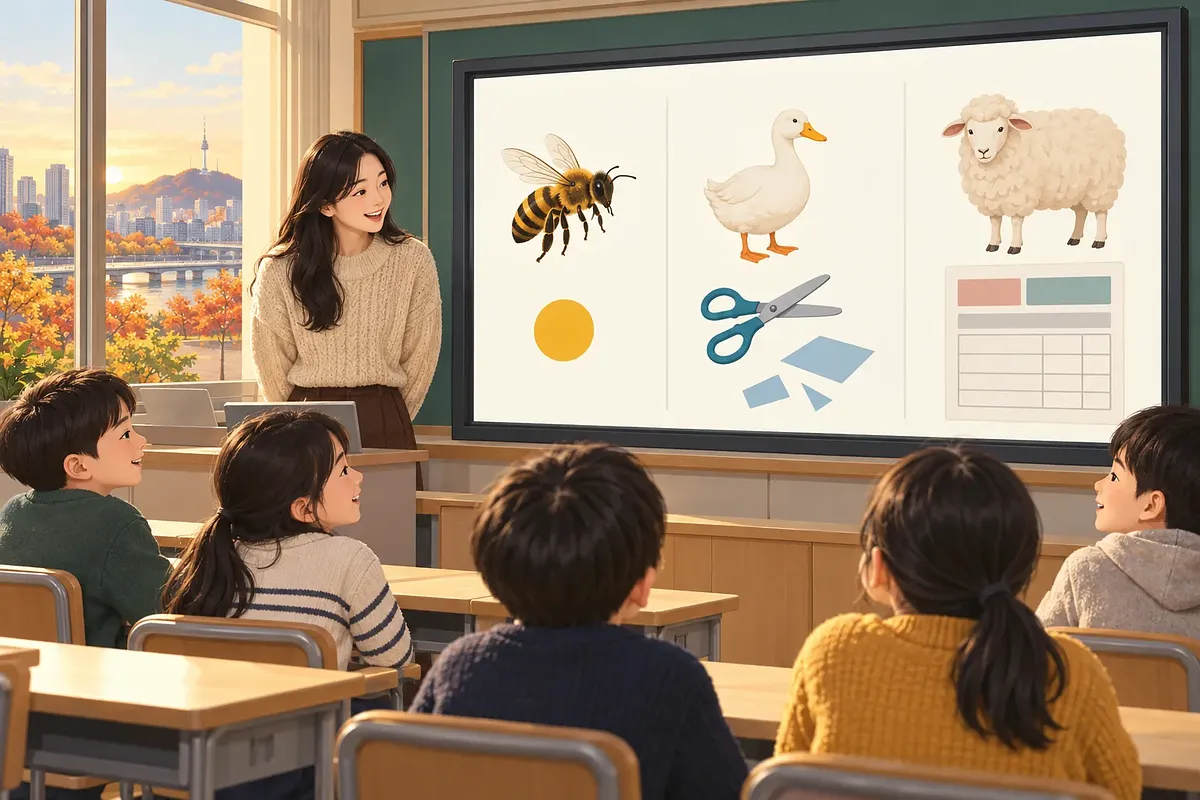
Double meanings involving animal names turn familiar words into jokes.AI-generated image
Why Is Wordplay Funny?
The humor comes from giving familiar words an animal-related meaning. This list includes jokes that overlap meanings and jokes that change sounds. Telling the two apart makes it easier to explain how the answers connect.
Bark-ulator changes the sound of a familiar word
"Bark-ulator" is a sound-based joke that brings "calculator" to mind. The dog in the question provides a clue to the changed opening sound. The actual tool is called a calculator.
A stable connection gives the whole sentence a second reading
"A stable connection" usually means a reliable connection to the internet. For a horse, a stable is also the building it lives in. Reading the same sentence in two ways is what makes the answer work.
Bee-dazzling splits a word in a new way
"Bedazzling" normally means dazzling or impressing someone. In the joke, the beginning becomes "bee," making it a bee that does the dazzling. The art-class setting gives the bee a picture to impress people with.
Going cheep gets its meaning from the situation
"Going cheap" usually means being sold for a low price. When a bird says it, "cheep" can also be the sound of its call. The secondhand-shop setting brings out the difference between a low price and a bird sound.
The tail end overlaps a literal and a figurative meaning
A tail is part of a snake's body. "The tail end" can also mean the final part of something. Putting a snake and a presentation together connects the two meanings.
When to Use Them
Choose a question that connects to something already mentioned in the conversation, and it will feel natural.
- Family table: You can use joke 1 when snacks come up. It's better not to rush anyone for an answer while they're eating.
- Classroom break: Jokes 7 and 10 work well because they connect to art supplies. They're short questions about dots or paper.
- Opening conversation at a gathering: You can bring in joke 8 if people start talking about secondhand items. The item's condition and its owner provide different clues.
- Holiday family gathering: Choose joke 12 if people enjoy word games. If someone doesn't know the phrase "the tail end," you can explain its meaning first.
How to Tell an Animal Riddle
Leave a little thinking time after the question, then give the answer briefly.
- Read the question without emphasizing the answer in advance.
- Pause briefly so the other person can think of an answer.
- Say the answer clearly once.
- If it doesn't make sense to them, briefly explain just the words that connect.
There's no need to draw out an imitation of an animal call. It's better to make sure the word carrying the pun can be heard. If someone offers a different answer that still connects, you can enjoy that together too.
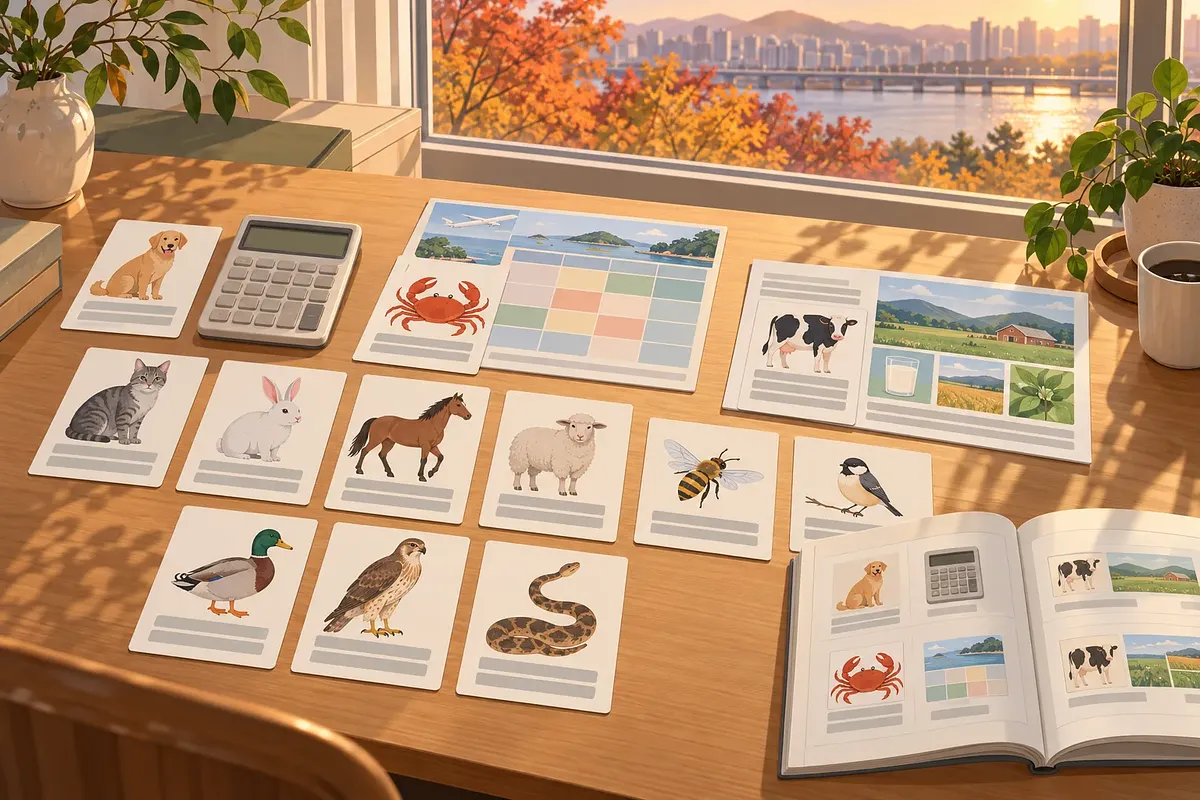
Connecting animal names with everyday expressions helps you work out the punchlines of Korean animal puns.AI-generated image
Key questions in this article
How long should I pause before giving the answer?
There's no set amount of time. Watch to see whether the other person is trying to think of an answer, and give them a moment. There's no need to rush them or stretch out the silence.
What kind of wordplay makes a good dad joke?
Good wordplay lets you briefly explain the connection to the question once the answer has been given. Overlapping meanings, such as "stable connection" in this list, give you a connection to find. If you have to keep adding new details to explain it, it's better to revise the question.
What if a child doesn't understand the answer?
Start by explaining the original word used in the pun. For "fur-give," explain that "forgive" means to stop being upset with someone about something they did. If the word itself is unfamiliar, it's fine to choose another question.
Can I use these as animal trivia questions?
This list is a game of connecting word sounds and meanings. It doesn't explain animals' actual behavior or abilities. If you use these alongside animal trivia questions, identify them as wordplay questions.
Does there have to be just one correct answer?
The suggested answer is the connection intended in this article. Other answers are possible if the question and word sounds fit together naturally. You can keep the game going by explaining the connections in the answers everyone suggests.
