Social
A short written take on each piece of content: what changed and why it matters. Skim the point first, then follow through to the full article only for what interests you. Every take is drawn from real content, so the link takes you straight to the material it is based on.

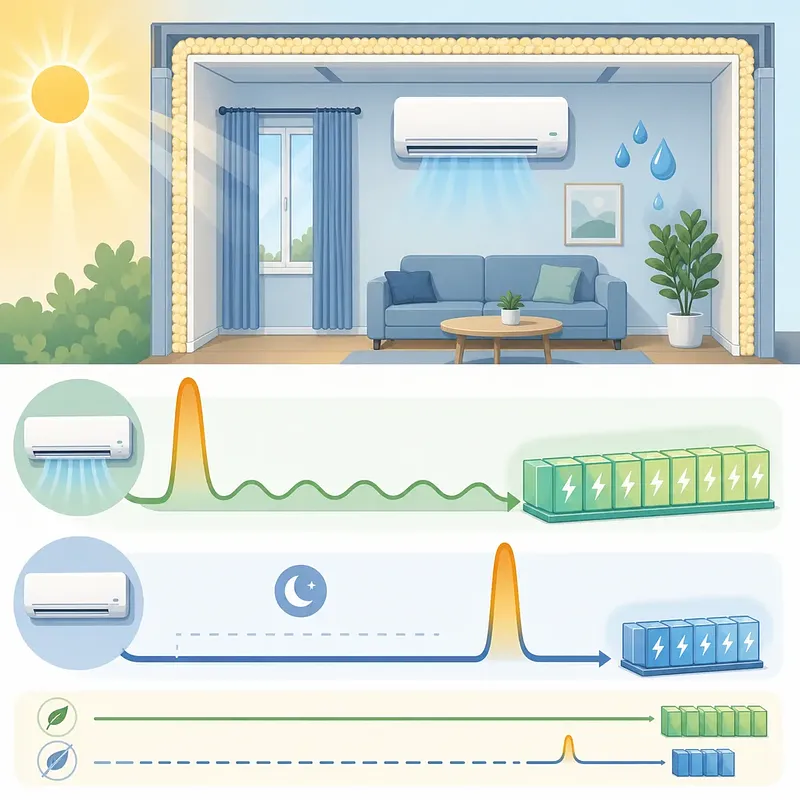
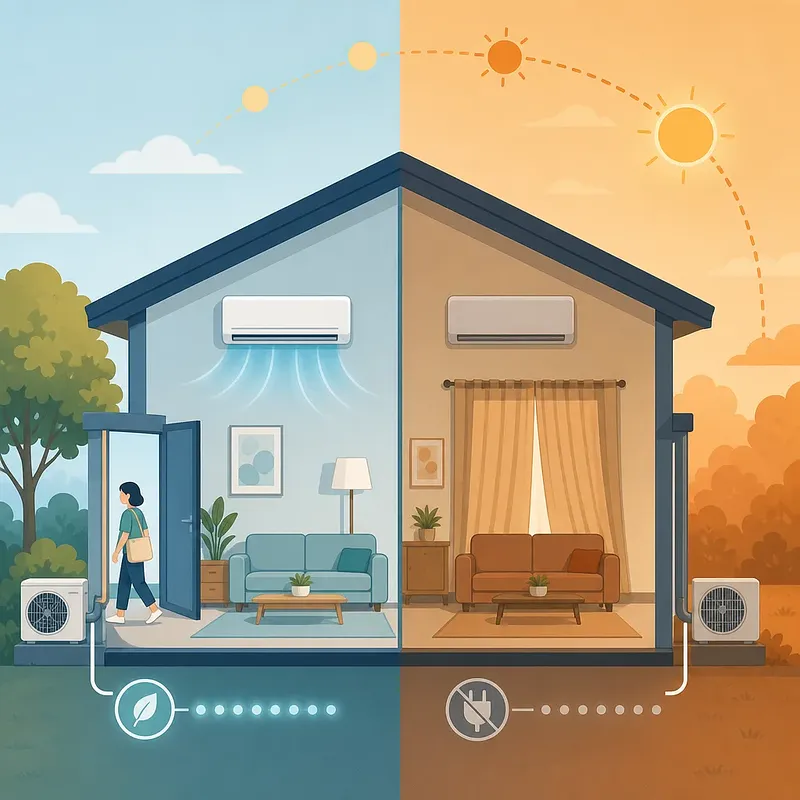
Leaving an inverter air conditioner on continuously is not always the most economical strategy. Although inverter models adjust compressor output, actual electricity use still depends on cooling load, including outdoor heat, sunlight, humidity, and ventilation. For short absences, raising the set temperature may offer a practical balance between comfort and energy use. As the time away grows, turning the unit off generally becomes more advantageous. It is also important not to judge efficiency only by the brief increase in output when the AC restarts. Total consumption reflects changing power use over time—not simply rated wattage multiplied by operating hours. The article outlines practical criteria for making the choice. #EnergyManagement #CoolingEfficiency

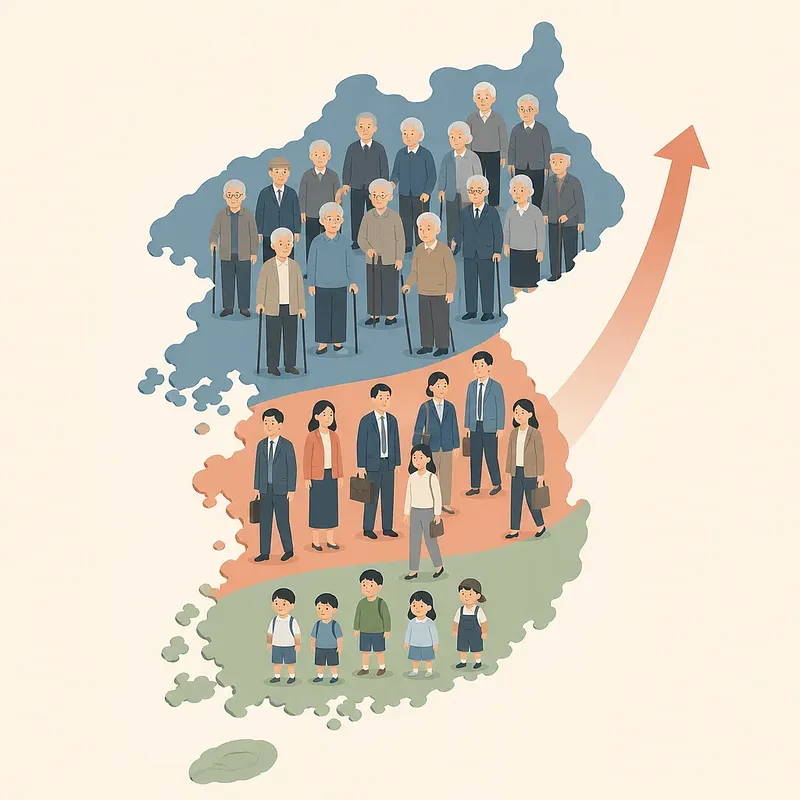
Korea's Entry into a Super-Aged Society and Its 2050 Outlook Based on the 2025 Population Census
Korea entered the conventional definition of a super-aged society in 2025, with 10.72 million residents aged 65 or older—20.7% of the total population. Meanwhile, working-age residents accounted for 69.2%, and children accounted for 10.1%. These figures matter because demographic indicators are often misunderstood. An old-age dependency ratio of 29.9 means approximately 30 older people per 100 working-age people; it does not mean that 3.3 actual workers directly support each older person. With the share of people aged 65 or older projected to approach 40% by 2050, Korea faces structural questions involving employment, pensions, healthcare, care services, and regional sustainability. The actual path will still depend on births, deaths, and migration. #PopulationProjections #Demographics
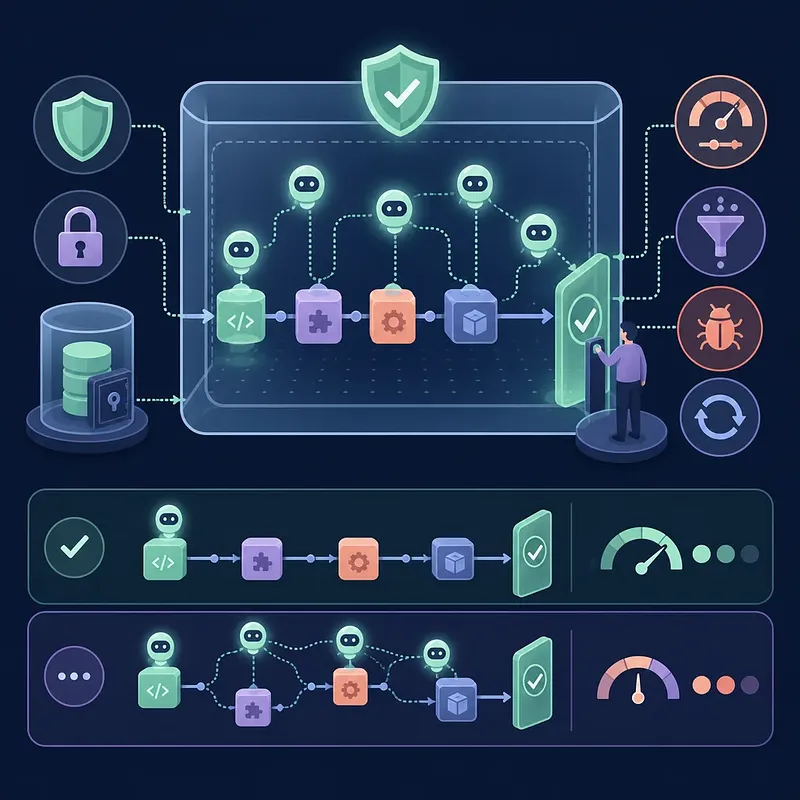
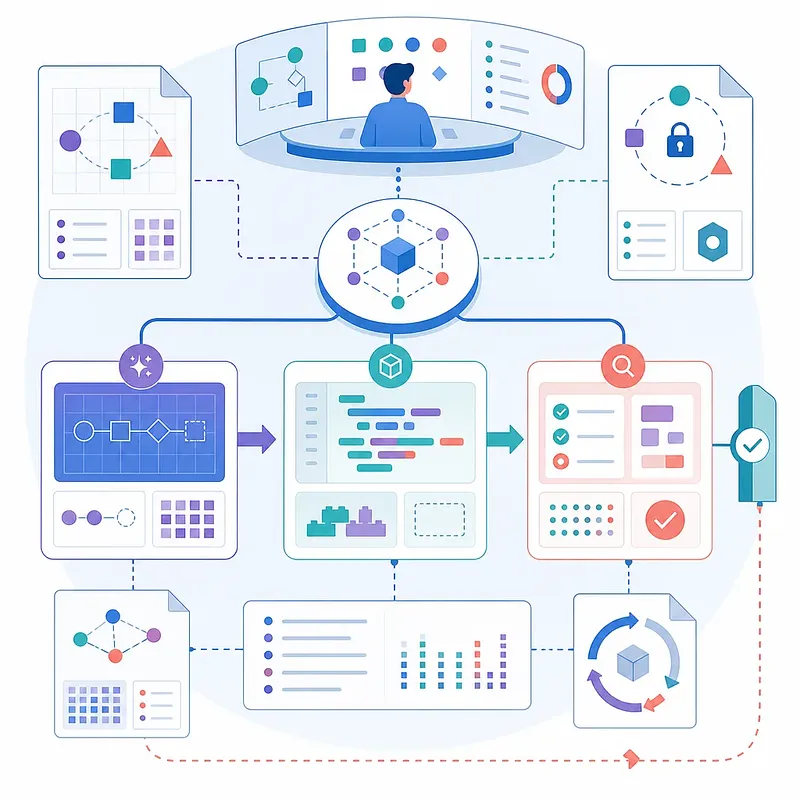
AI-native development changes the developer’s role, but it does not remove responsibility. The core capability is not prompt engineering; it is designing a system that can delegate implementation work and reliably validate the outcome. That requires managed specifications, constraints, schemas, and decision records so agents operate with consistent context. It also means choosing a single-agent or multi-agent structure based on practical benefits rather than novelty. For organizations, adoption should be measured through task completion time, defect and rework rates, cost, and human review burden—not lines of generated code. This article presents a practical framework for agent harnesses, documentation, team procedures, performance, and safety. Read more : https://injoys.com/en/articles/ai-native-developer-definition-and-practices #AINative #SoftwareDevelopment #AIAgents
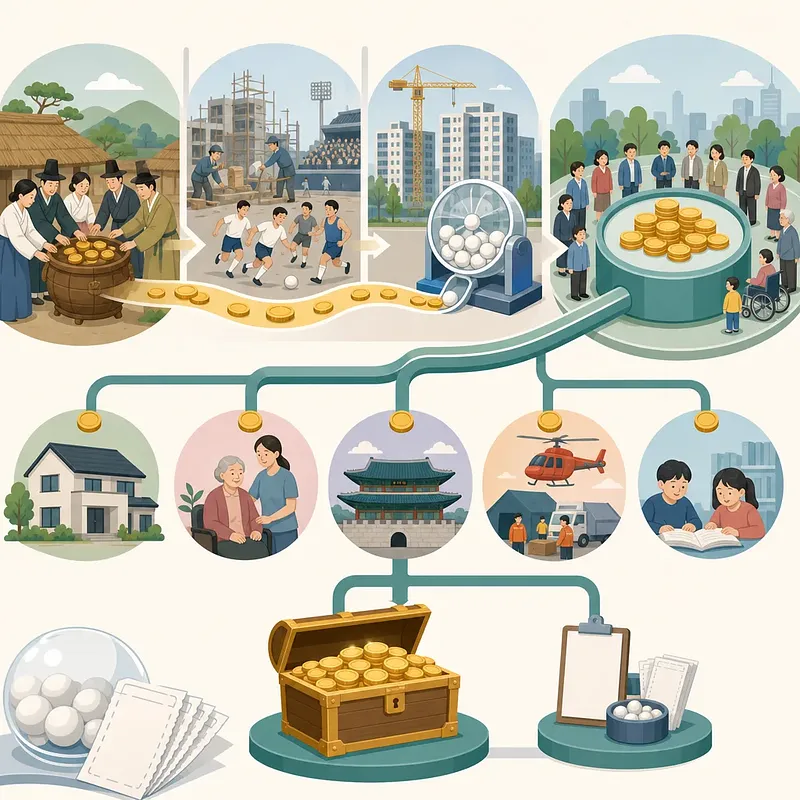
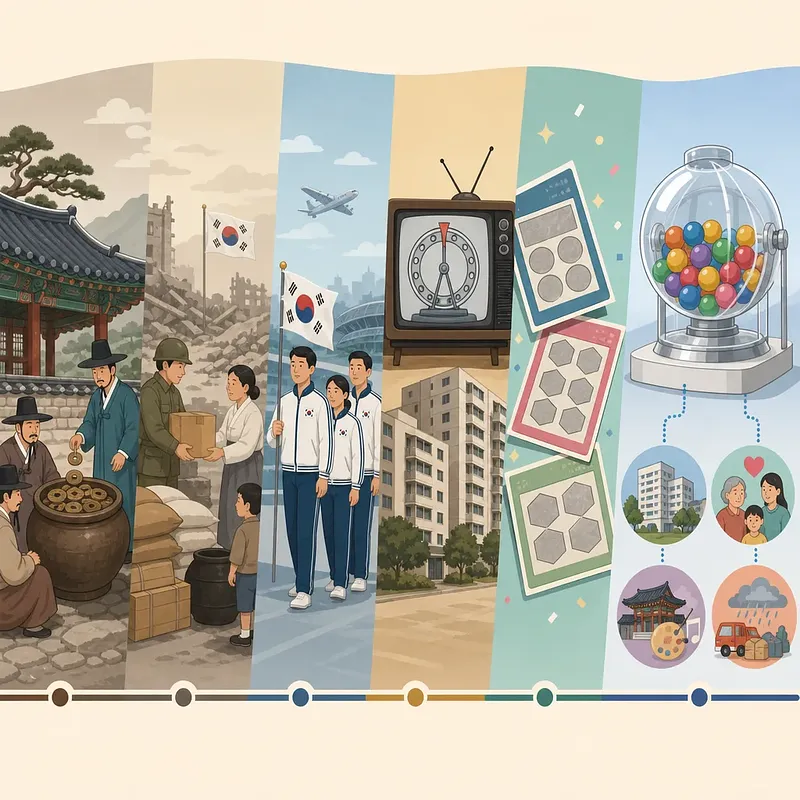
Korea’s lottery history also reflects the country’s changing public-finance priorities. Early purpose-specific tickets supported sports promotion, relief, reconstruction, housing supply, and international events. The Housing Lottery, introduced in 1969, became Korea’s first regularly issued lottery and brought televised drawings into popular culture. The system later consolidated around Lotto 6/45, launched in 2002, and the Lottery Commission, established in 2004. Today, generally 50% of Lotto sales goes to prizes, about 41% to the Lottery Fund, and the remainder to issuance, sales, and related expenses. This chronological overview explains how lottery administration and public funding evolved together. Read more : https://injoys.com/en/articles/korean-lottery-history-from-maningye-to-lotto #LotteryHistory #PublicFinance
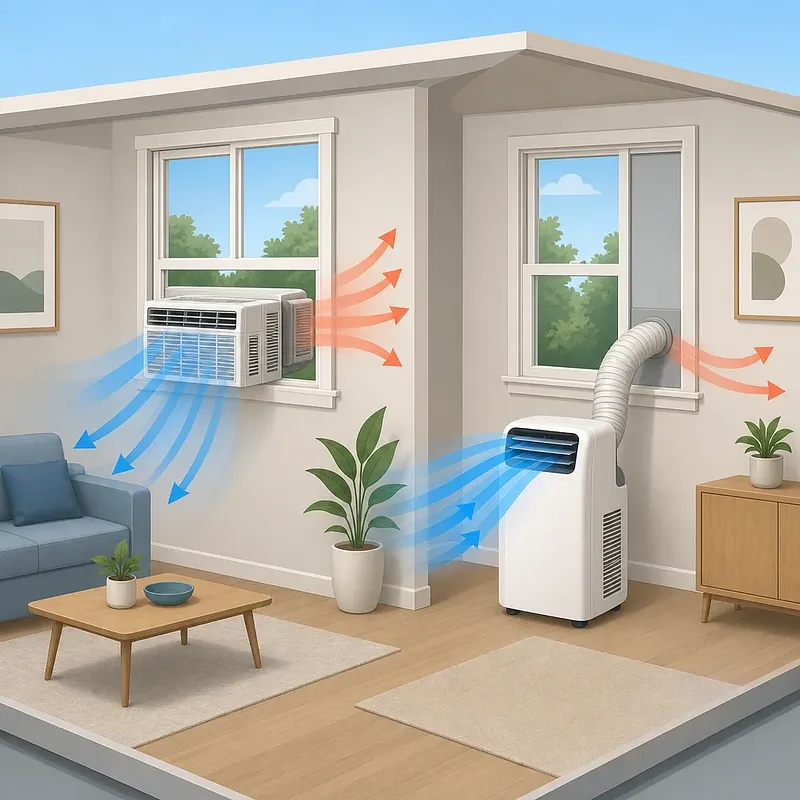
What an “Air Conditioner Without an Outdoor Unit” Means and How Window and Portable Units Exhaust Heat and Drain Water
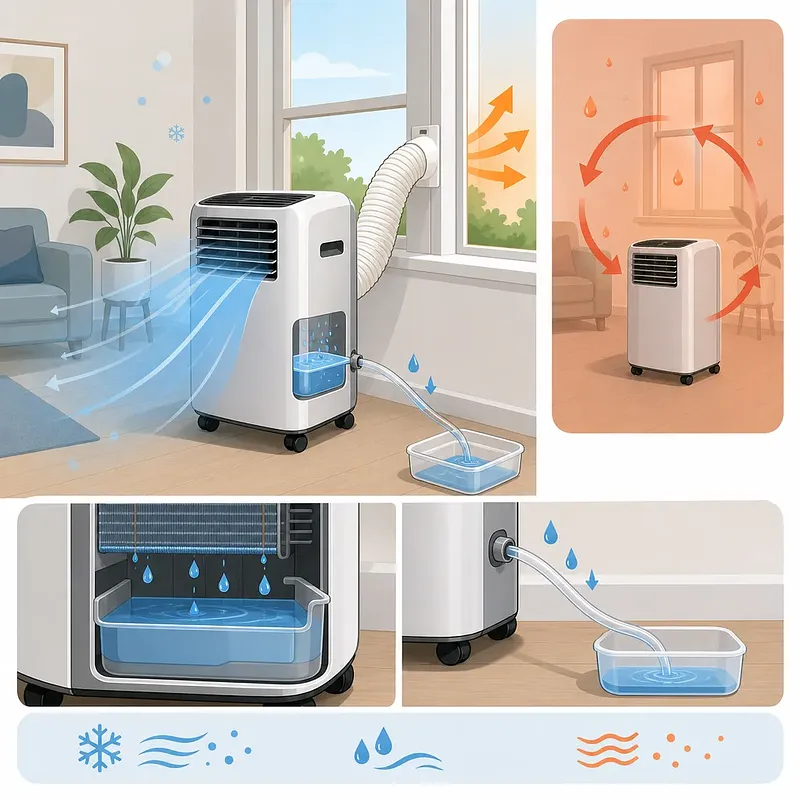
The phrase “air conditioner without an outdoor unit” can be misleading. It generally describes an all-in-one system without a separate outdoor component—not an appliance that avoids expelling heat outdoors. Window units release heat through the rear section positioned outside. Portable units direct hot air outdoors through an exhaust hose; without that hose in cooling mode, the room may become hotter rather than cooler. Condensate management deserves equal attention. Self-evaporating models can still require tank emptying or continuous drainage depending on humidity, dehumidification use, and operating conditions. Reviewing vent clearance, permitted hose length, drainage requirements, and full-tank shutoff rules before installation can help ensure the unit operates as intended. Read more : https://injoys.com/en/articles/air-conditioner-without-outdoor-unit-exhaust-drainage #PortableAC #AirConditioning
How to Determine Whether Cooling or Dehumidifying Uses Less Electricity
Choosing between cooling and dehumidifying based on the mode label can lead to an inaccurate estimate of electricity use. Both often rely on the same refrigeration cycle, but their controls—and the structures of standard, reheating, and energy-saving dehumidifying—can differ. A meaningful comparison should focus on measured kWh, not instantaneous power alone. Keep the space and indoor/outdoor conditions similar, use the same measurement period or stopping criterion, and repeat the test. For a realistic cost estimate, apply the actual marginal electricity rate and relevant adjustment items to the measured consumption. #EnergyMeasurement #ElectricityRates