Skip to content
How-to 🇰🇷 South Korea

This content applies specifically to South Korea.

Card Data Leak: How to Freeze and Replace Your Card

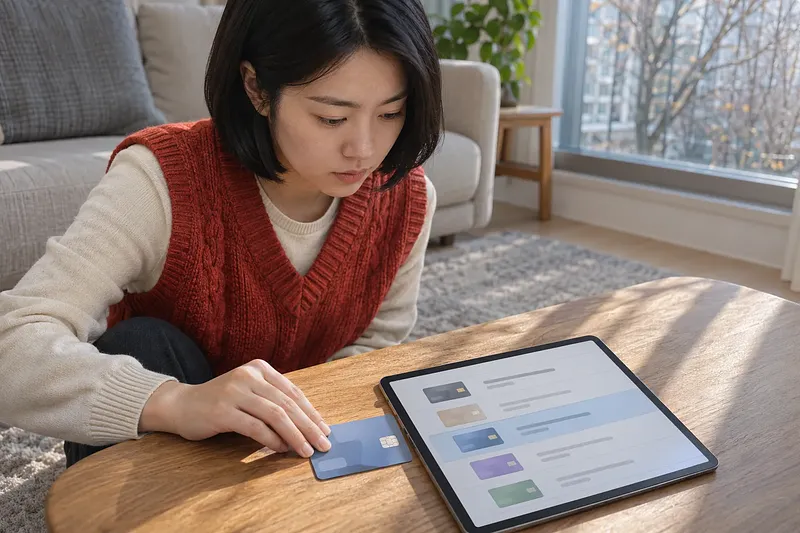
If you receive a card data leak notice, verify it through your card issuer's official app or by calling the main number on the back of your card. If you suspect a data leak or phishing, ask the issuer to freeze and replace your card immediately. Report any payments you didn't make separately to the issuer.

Listen or read this article

10:39

Listen, or read the text only.

Card Data Leak: How to Freeze and Replace Your Card

Kokoro 82M AI-generated voice 11 min read

0:00 10:39

Advertisement

Download audio

File name
card-data-leak-notice-block-reissue-report-en.mp3
Format
MP3 (audio/mpeg)
Duration
10:39
File size
7.32 MB
Engine
Kokoro 82M

This audio was generated by AI.

You may download and use it freely for personal use.

Advertisement

Card Data Leak: How to Freeze and Replace Your Card

9 min read

Card Data Leak: How to Freeze and Replace Your Card
If you receive a card data leak notice, verify it through your card issuer's official app or by calling the main number on the back of your card. If you suspect a data leak or phishing, ask the issuer to freeze and replace your card immediately. Report any payments you didn't make separately to the issuer.
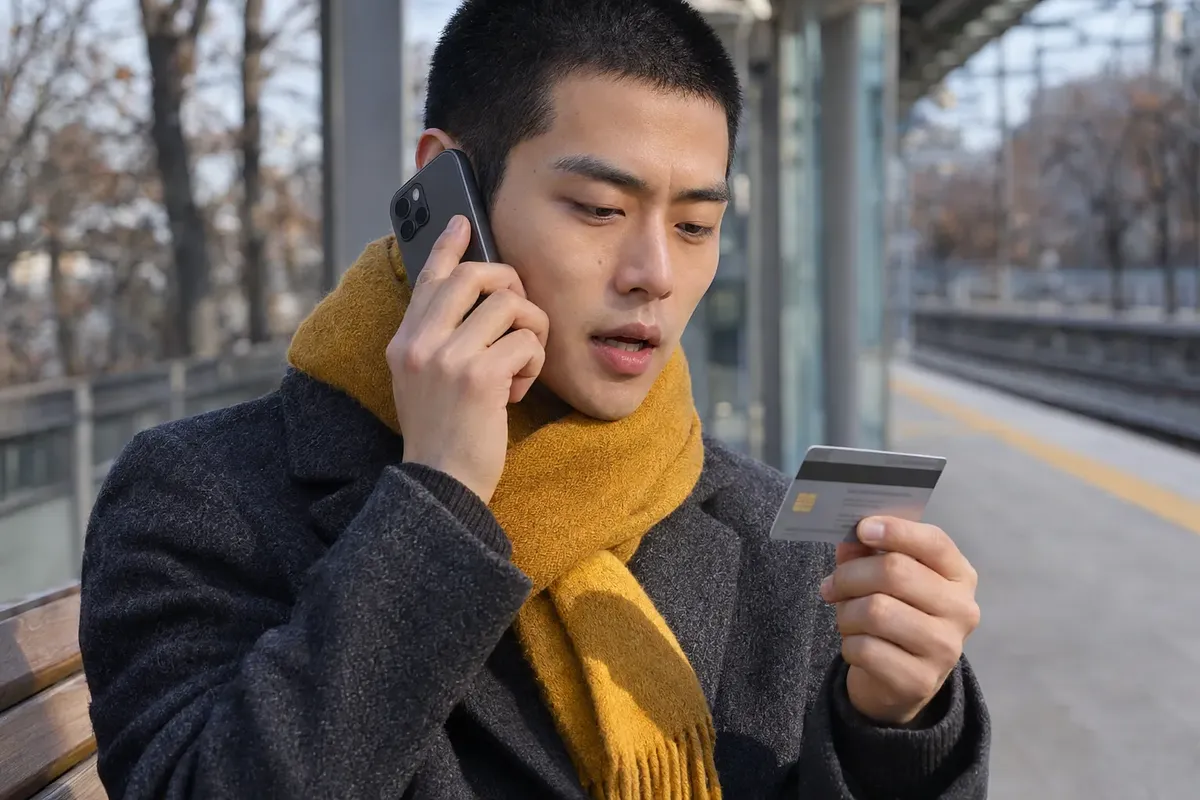
Don't use the links or phone numbers in the text or email. Verify the notice through your card issuer's official app or by calling the main number on the back of your card.
If you suspect a card data leak or phishing, ask your issuer to freeze and replace the affected card immediately.
If you lose cards from multiple issuers at the same time, ask a participating financial institution that issued one of the lost cards to take a single report for all of them.
If you see a payment you didn't make, check the amount, time, and merchant name, then report the unauthorized charge to your card issuer and request reimbursement.
Check your card issuer's official help pages to see which overseas payments you can restrict and what payment alerts cost, then set up the services you need.
If you receive a text or email about a card data breach, verify it through your card issuer’s official app or by calling the main number on the back of your card. If you suspect a breach or phishing, immediately ask the issuer to block and replace your card. Report any payments you did not make separately to the issuer.
The figures and reporting criteria are based on announcements from the relevant agencies and on laws and regulations consulted on November 18, 2026.
How to block and replace your card
· Open the card issuer’s official app that you normally use and check for notices. If you call, use the main phone number on the back of your card or in the official app. Do not call numbers listed in texts or emails. · If your card information has been exposed or you suspect phishing, immediately ask the issuer to block and replace the affected card. You can do this even if you still have the card. · Check your recent transactions in the official app. If you see a payment you do not recognize, report it to the card issuer as unauthorized.
The Financial Supervisory Service gives the following advice in “Beware of Text Message Phishing That Uses Card Data Breaches as a Pretext and Unauthorized Overseas Credit Card Use!”
Do not click on web addresses (URLs) from unknown sources in text messages.
How to report several lost cards at once
If you lose cards from several issuers at the same time, you can report them all to one company. According to the Credit Finance Association, 8 card issuers and 15 banks take part. You can report credit, debit, and family cards in your own name. Corporate cards are excluded.
· Contact the lost card reporting center of one of the participating financial institutions that issued a card you lost. · Specify which cards from other issuers you lost at the same time and ask to report them all together. · Check for a confirmation text from each company. If you do not get confirmation for a card, contact its issuer. · Check for automatic payments linked to the cards you reported, such as utility bills. You cannot pay with a blocked card, so check which payment method you will use for the next payment.
Reporting unauthorized use and disputing charges
Report any payments you did not make to the company that issued the card. You can find the transaction in the card issuer’s app or in a payment alert text. Follow these steps when you report it:
· Check the amount, time, and merchant name for the transaction. · Use the card issuer’s official app or main phone number to tell them you did not authorize the transaction. Dispute the charge and ask what documents you need to apply for compensation. · If you also reported the card lost or stolen, keep the reference number and the time of the report provided by the card issuer.
You can dispute credit card charges by phone, in writing, or through an electronic document. Under Article 16(10) of the Specialized Credit Finance Business Act, the card issuer cannot collect the amount under investigation from the cardholder. This rule applies to the amount you dispute.
Conditions for compensation after loss, theft, or a data breach
Liability for a lost or stolen card depends on when the card issuer received the report. Separate liability rules apply to payments made with counterfeit or altered cards or with exposed card information. These rules are set out in Article 16 of the Specialized Credit Finance Business Act and Article 6-9 of its Enforcement Decree.
Circumstances of unauthorized use | When the card issuer is liable | How cardholder liability is determined Use after the card was reported lost or stolen | The card issuer is liable for use from the time it receives the report. | The report reference number can be used to verify when the issuer was notified. Credit card use before the card was reported lost or stolen | The card issuer is liable for use up to 60 days before the date it receives the report. | If the cardholder acted intentionally or negligently, they may be liable for some or all of the amount under a written or electronic agreement. Use of a counterfeit or altered card, or payments made with information obtained through hacking, an insider leak, or similar means | The card issuer is liable for the use. | A written or electronic agreement must be in place for the cardholder to be held liable. The card issuer must prove that the cardholder acted intentionally or was grossly negligent as specified in the agreement.
The 60-day period for determining the card issuer’s liability is counted backward from when the issuer received the loss or theft report. The Financial Supervisory Service warns that reporting a loss late may reduce the percentage of losses covered. The cardholder may also bear some liability if they are found to have been careless, such as by failing to sign the back of the card or handing it over to someone else.
The difference between overseas payment restrictions and payment alerts
To restrict overseas payments, first decide where and what types of transactions you want to block. Payment alerts let you check the details when a transaction occurs. The Financial Supervisory Service describes what each service covers:
What you want to do | Service | What it covers Restrict overseas use to match your travel plans | Overseas Use Safety Settings | Set the countries where the card can be used, the amount per transaction, the period of use, and other limits in advance. Block payments at overseas stores while you are in Korea | Consent to Use Entry and Exit Records | In-person payments overseas are declined if there is no record of your departure or if your return is confirmed. Check for payments you do not recognize | Payment Alerts by Text | Each time the card is used, you receive a text with the amount, time, and merchant name.
If you also want to block overseas online payments, check separately with the card issuer to see which online transactions it can block. Service names and sign-up menus vary by issuer. Before signing up, check the card issuer’s official help pages for payment alert fees as well. (Verified fees: 300 won per month, 200 won per month, 700 won per month · Source: lottecard.co.kr · Checked on 2026-11-27)
Scale of the 2025 Lotte Card data breach and subsequent penalties
On September 18, 2025, the Financial Services Commission announced that the personal credit information of 2,969,000 Lotte Card customers had been exposed. The information was leaked from an online payment server from August 14 through August 27, 2025. Card PINs and security codes (CVC) were also exposed for about 283,000 of those customers.
At the time of the announcement, no losses from unauthorized payments had been confirmed as a result of the breach. Lotte Card said it would provide full compensation upfront if the breach led to unauthorized use. It also helped customers block overseas payments and replace their cards. The announcement did not confirm how many compensation payments had actually been made or how much had been paid.
Announcement date and agency | Findings and penalties March 12, 2026, Personal Information Protection Commission | The commission confirmed that the resident registration numbers of 450,000 people affected by the breach had also been exposed. It imposed a penalty of 9.62 billion won and an administrative fine of 4.8 million won for violating requirements on the handling of resident registration numbers. July 31, 2026, Financial Services Commission | The commission approved a 1.5-month business suspension and a penalty of 5 billion won. The suspension ran from August 1 through September 15, 2026.
During the suspension, issuance of credit, debit, and prepaid cards to new customers was restricted. There were exceptions for cards issued for public purposes and other cases. Existing customers could continue to use card services, including getting replacement cards.
How to track your reports in My Information Security Check
Open the Cards and Accounts section under [To-Do] in My Information Security Check to mark the steps you have completed. Your checkmarks are saved only in the browser you used. The card issuer checks whether your card was affected by the breach and handles requests to block or replace cards or apply for compensation.
What you are looking for | Where to check A checklist for card and account steps, the AccountInfo link, and contact numbers such as 1332 for the Financial Supervisory Service | Cards and Accounts under [To-Do] The Fraud Prevention System for People With Exposed Personal Information, for use if your ID or resident registration number was also exposed | Resident Registration Number and ID under [To-Do] Links to the original announcements from relevant agencies about the Lotte Card breach and other incidents | [News] Whether your card was affected by the breach or whether a request to block your card or apply for compensation has been received | The card issuer’s official app or main phone number
0:00 0:00
1 / 36

Advertisement

Download text

File name
card-data-leak-notice-block-reissue-report-en.txt
Format
TXT (text/plain)
Paragraphs
36

Downloads exactly what you see as a text file.

Please cite the source when quoting.

Advertisement

Large text

Makes the text larger and the colors clearer. Turn it on if the text feels too small.

If you receive a card data leak alert, verify it by calling your card issuer at the number on the back of your card.

Key points

  • Don't use the links or phone numbers in the text or email. Verify the notice through your card issuer's official app or by calling the main number on the back of your card.
  • If you suspect a card data leak or phishing, ask your issuer to freeze and replace the affected card immediately.
  • If you lose cards from multiple issuers at the same time, ask a participating financial institution that issued one of the lost cards to take a single report for all of them.
  • If you see a payment you didn't make, check the amount, time, and merchant name, then report the unauthorized charge to your card issuer and request reimbursement.
  • Check your card issuer's official help pages to see which overseas payments you can restrict and what payment alerts cost, then set up the services you need.

If you receive a text or email about a card data breach, verify it through your card issuer’s official app or by calling the main number on the back of your card. If you suspect a breach or phishing, immediately ask the issuer to block and replace your card. Report any payments you did not make separately to the issuer.

The figures and reporting criteria are based on announcements from the relevant agencies and on laws and regulations consulted on November 18, 2026.

How to block and replace your card

  1. Open the card issuer’s official app that you normally use and check for notices. If you call, use the main phone number on the back of your card or in the official app. Do not call numbers listed in texts or emails.
  2. If your card information has been exposed or you suspect phishing, immediately ask the issuer to block and replace the affected card. You can do this even if you still have the card.
  3. Check your recent transactions in the official app. If you see a payment you do not recognize, report it to the card issuer as unauthorized.

The Financial Supervisory Service gives the following advice in “Beware of Text Message Phishing That Uses Card Data Breaches as a Pretext and Unauthorized Overseas Credit Card Use!”

Do not click on web addresses (URLs) from unknown sources in text messages.

Report any charges you didn’t make separately to your card issuer.

How to report several lost cards at once

If you lose cards from several issuers at the same time, you can report them all to one company. According to the Credit Finance Association, 8 card issuers and 15 banks take part. You can report credit, debit, and family cards in your own name. Corporate cards are excluded.

  1. Contact the lost card reporting center of one of the participating financial institutions that issued a card you lost.
  2. Specify which cards from other issuers you lost at the same time and ask to report them all together.
  3. Check for a confirmation text from each company. If you do not get confirmation for a card, contact its issuer.
  4. Check for automatic payments linked to the cards you reported, such as utility bills. You cannot pay with a blocked card, so check which payment method you will use for the next payment.

Reporting unauthorized use and disputing charges

Report any payments you did not make to the company that issued the card. You can find the transaction in the card issuer’s app or in a payment alert text. Follow these steps when you report it:

  1. Check the amount, time, and merchant name for the transaction.
  2. Use the card issuer’s official app or main phone number to tell them you did not authorize the transaction. Dispute the charge and ask what documents you need to apply for compensation.
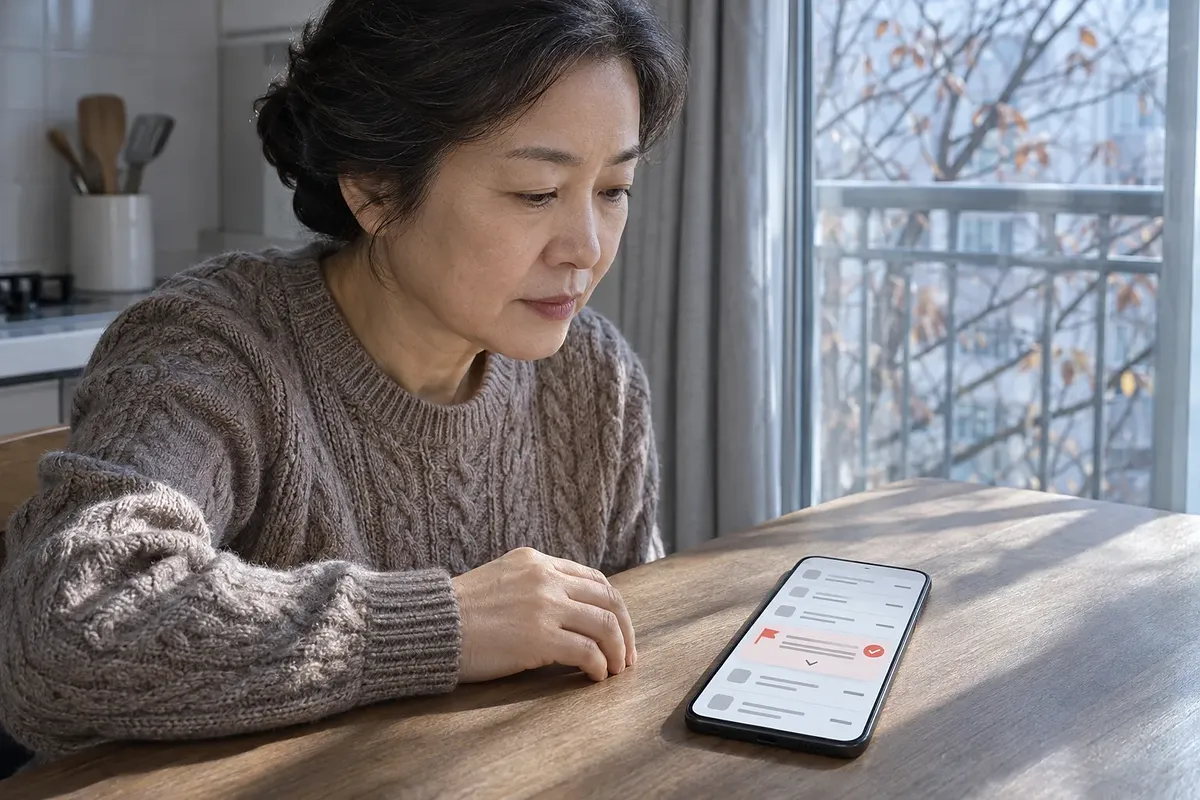
  3. If you also reported the card lost or stolen, keep the reference number and the time of the report provided by the card issuer.

You can dispute credit card charges by phone, in writing, or through an electronic document. Under Article 16(10) of the Specialized Credit Finance Business Act, the card issuer cannot collect the amount under investigation from the cardholder. This rule applies to the amount you dispute.

Conditions for compensation after loss, theft, or a data breach

Liability for a lost or stolen card depends on when the card issuer received the report. Separate liability rules apply to payments made with counterfeit or altered cards or with exposed card information. These rules are set out in Article 16 of the Specialized Credit Finance Business Act and Article 6-9 of its Enforcement Decree.

Circumstances of unauthorized use When the card issuer is liable How cardholder liability is determined
Use after the card was reported lost or stolen The card issuer is liable for use from the time it receives the report. The report reference number can be used to verify when the issuer was notified.
Credit card use before the card was reported lost or stolen The card issuer is liable for use up to 60 days before the date it receives the report. If the cardholder acted intentionally or negligently, they may be liable for some or all of the amount under a written or electronic agreement.
Use of a counterfeit or altered card, or payments made with information obtained through hacking, an insider leak, or similar means The card issuer is liable for the use. A written or electronic agreement must be in place for the cardholder to be held liable. The card issuer must prove that the cardholder acted intentionally or was grossly negligent as specified in the agreement.

The 60-day period for determining the card issuer’s liability is counted backward from when the issuer received the loss or theft report. The Financial Supervisory Service warns that reporting a loss late may reduce the percentage of losses covered. The cardholder may also bear some liability if they are found to have been careless, such as by failing to sign the back of the card or handing it over to someone else.

The difference between overseas payment restrictions and payment alerts

To restrict overseas payments, first decide where and what types of transactions you want to block. Payment alerts let you check the details when a transaction occurs. The Financial Supervisory Service describes what each service covers:

What you want to do Service What it covers
Restrict overseas use to match your travel plans Overseas Use Safety Settings Set the countries where the card can be used, the amount per transaction, the period of use, and other limits in advance.
Block payments at overseas stores while you are in Korea Consent to Use Entry and Exit Records In-person payments overseas are declined if there is no record of your departure or if your return is confirmed.
Check for payments you do not recognize Payment Alerts by Text Each time the card is used, you receive a text with the amount, time, and merchant name.

If you also want to block overseas online payments, check separately with the card issuer to see which online transactions it can block. Service names and sign-up menus vary by issuer. Before signing up, check the card issuer’s official help pages for payment alert fees as well. (Verified fees: 300 won per month, 200 won per month, 700 won per month · Source: lottecard.co.kr · Checked on 2026-11-27)

Scale of the 2025 Lotte Card data breach and subsequent penalties

On September 18, 2025, the Financial Services Commission announced that the personal credit information of 2,969,000 Lotte Card customers had been exposed. The information was leaked from an online payment server from August 14 through August 27, 2025. Card PINs and security codes (CVC) were also exposed for about 283,000 of those customers.

At the time of the announcement, no losses from unauthorized payments had been confirmed as a result of the breach. Lotte Card said it would provide full compensation upfront if the breach led to unauthorized use. It also helped customers block overseas payments and replace their cards. The announcement did not confirm how many compensation payments had actually been made or how much had been paid.

Announcement date and agency Findings and penalties
March 12, 2026, Personal Information Protection Commission The commission confirmed that the resident registration numbers of 450,000 people affected by the breach had also been exposed. It imposed a penalty of 9.62 billion won and an administrative fine of 4.8 million won for violating requirements on the handling of resident registration numbers.
July 31, 2026, Financial Services Commission The commission approved a 1.5-month business suspension and a penalty of 5 billion won. The suspension ran from August 1 through September 15, 2026.

During the suspension, issuance of credit, debit, and prepaid cards to new customers was restricted. There were exceptions for cards issued for public purposes and other cases. Existing customers could continue to use card services, including getting replacement cards.

How to track your reports in My Information Security Check

Open the Cards and Accounts section under [To-Do] in My Information Security Check to mark the steps you have completed. Your checkmarks are saved only in the browser you used. The card issuer checks whether your card was affected by the breach and handles requests to block or replace cards or apply for compensation.

What you are looking for Where to check
A checklist for card and account steps, the AccountInfo link, and contact numbers such as 1332 for the Financial Supervisory Service Cards and Accounts under [To-Do]
The Fraud Prevention System for People With Exposed Personal Information, for use if your ID or resident registration number was also exposed Resident Registration Number and ID under [To-Do]
Links to the original announcements from relevant agencies about the Lotte Card breach and other incidents [News]
Whether your card was affected by the breach or whether a request to block your card or apply for compensation has been received The card issuer’s official app or main phone number
Open the link

Opens in a new window.

Advertisement

Sign-in required

Sign in with your Google or Apple account to like, comment, and save highlights.

FAQ

Who should I ask to find out if a text message about a data breach is genuine?

Open the official app you normally use for your card issuer, or call the main customer service number on the back of your card. Do not tap any links in the text message or call any numbers listed in it.

I still have my card, but I'm suspicious of the website where I entered my card details. What should I do?

Ask your card issuer immediately to suspend and replace your card. If you see any transactions you did not make in your recent activity, report those charges as fraudulent too.

Are family cards also eligible for consolidated loss reporting?

Family cards issued by participating financial institutions in the name of the person filing the report are eligible for consolidated loss reporting. Cards in another family member's name and corporate cards cannot be included in a consolidated report under your own name.

Will my utility bills still be paid with a card I've reported lost?

A card suspended after being reported lost cannot be used for automatic payments either. Check with your utility provider to confirm the next payment date and the payment method on file.

Is it enough to report my card within 60 days of losing it?

If you lose your card, report it as soon as you notice it is missing. The 60-day period is counted back from the date the card issuer receives notice of the loss or theft. If you report the loss late, you may be reimbursed for a smaller share of the loss.

Can I dispute a credit card charge that has already been billed?

If you did not make the payment, identify the transaction and dispute it with your card issuer by phone, in writing, by electronic document, or through another available method. The card issuer cannot collect the disputed amount from the cardholder until the investigation is complete.

If I consent to the use of my entry and departure records, will payments for online purchases from overseas sellers also be blocked?

Your entry and departure records are used to block in-person card payments abroad while you are in Korea. To restrict overseas online payments, look for a separate blocking setting in your card issuer's official app or help section.

Does Lotte Card's policy of providing full compensation upfront also apply to other data breaches?

The full upfront compensation announced by Lotte Card covers unauthorized card use resulting from that specific incident in 2025. For other incidents, the scope of compensation depends on the type of incident and the conditions for liability under the Specialized Credit Finance Business Act.

If I mark My Information Security Check as complete, does that also file a report with my card issuer?

Marking it complete records your progress in your current browser. File actual reports and submit compensation claims through your card issuer's official channels. If you have already reported the loss, you can verify the report using the reference number your card issuer sent you.

Sources

Data formats

This content is available in several machine-friendly formats.

Data-only languages (machine translated, files only)

Indonesian JSON MD Portuguese JSON MD Chinese (Traditional) JSON MD Deutsch JSON MD

Verification

This article was drafted with AI and then reviewed and edited by a person.

Reviewed by 신익희 · 편집장 · 2026-11-27

Figures in this article were checked against the source material during generation. · 2026-11-27

This translation has been cross-checked by AI. · 2026-11-27

Reuse & AI usage

Search indexing and AI citation with attribution are welcome. See the license policy for details.

Site license policy (commercial republishing requires permission) · License

Loading…

Loading…

Loading…

Where this content lives

Related content

From Injoys

Request the content you want and take 70% of what it earns

Just leave the subject. We handle production, review, translation and distribution.

See how revenue sharing works

Comments