Injoys
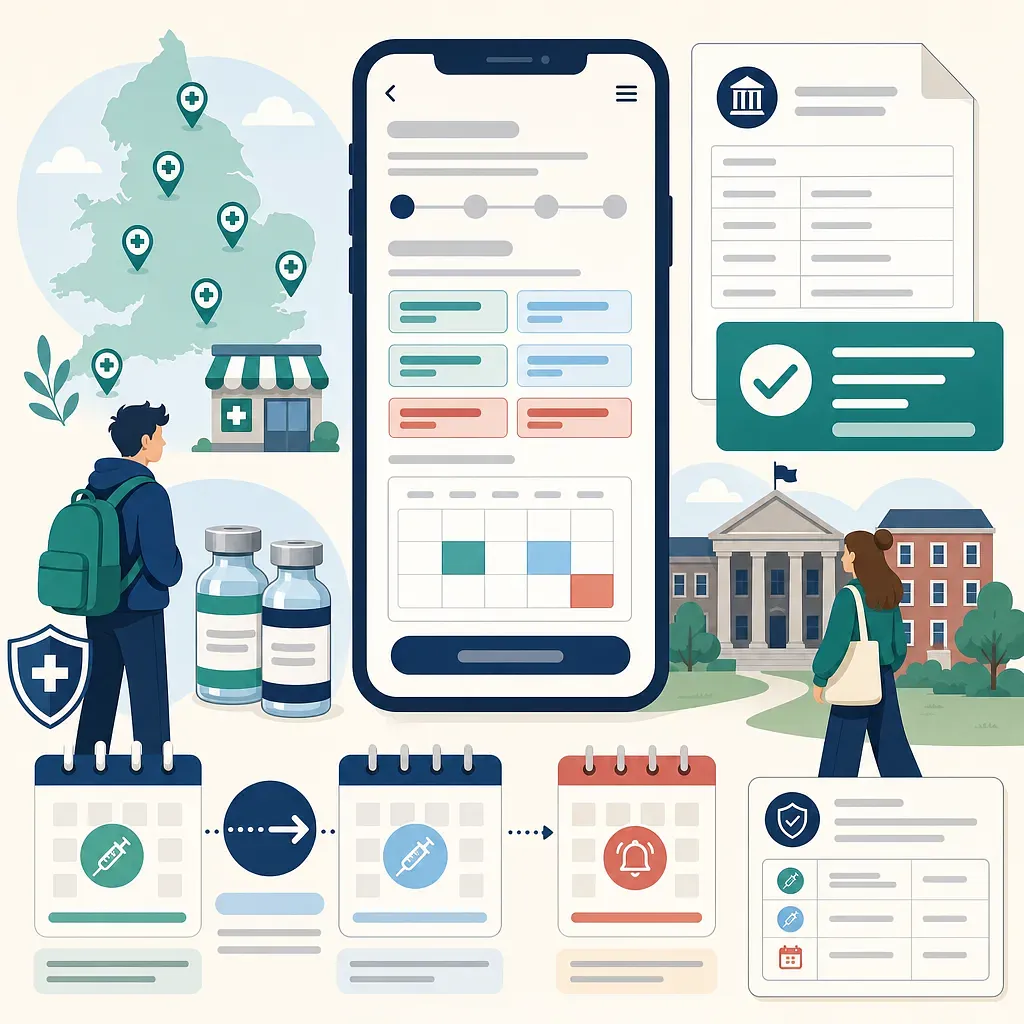
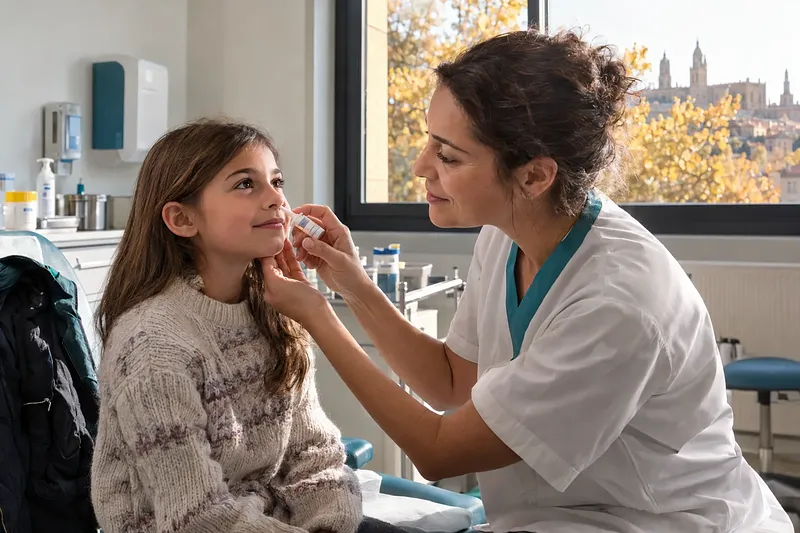
To receive the temporary free MenB vaccination in 2026, you must first check your date of birth and first-enrollment eligibility. In England, the access routes differ between the birth cohort aged 17–18 and new students entering university or residential further education. The vaccination requires 2 doses with an interval of at least 4 weeks, so it is safer to schedule them without waiting until the end of December 2026, when first-dose provision ends.
Eligibility, Documents, and Deadlines at a Glance
| Item to check | England criteria |
|---|---|
| Birth cohort | People born from 1 September 2007 to 31 August 2008 |
| New-student group | People born after 21 July 2001 who are entering university or higher education for the first time in autumn 2026, or eligible new students entering residential further education |
| Number of doses | 2 |
| Interval between doses | At least 4 weeks |
| First-dose deadline | By the end of December 2026 |
| Second-dose deadline | By the end of March 2027 |
| Examples of proof for new students | Documents showing the person’s name and admission status, such as a university or college acceptance email or letter, or a UCAS acceptance screen |
| Cost | Free if you meet the eligibility criteria and use an official route |
The dates above are the provision deadlines for the temporary programme. Medical eligibility for vaccination and actual pharmacy opening hours must be checked again through the booking service or vaccination provider.
Checking Eligibility for Free Vaccination
1. People Born from 1 September 2007 to 31 August 2008
If you fall within this date-of-birth range, you are included in the temporary vaccination programme regardless of whether you are going to university. In England, you can book, change, or cancel a vaccination appointment through the NHS online service.
2. People Entering University for the First Time in Autumn 2026
Even if you are not part of the first birth cohort, you may be eligible if you meet all of the following conditions.
- You were born after 21 July 2001.
- You are entering university or an applicable higher education course for the first time in autumn 2026.
- You meet the eligibility requirements for using the programme in England.
If you are already attending university and are transferring to another university or course, this may not meet the “first enrollment” condition, so you should check with a participating pharmacy or the NHS.
3. People Entering Residential Further Education for the First Time
People entering an eligible residential further education institution in England for the first time in autumn 2026 may also be included if they meet the residency and age requirements. Not all ordinary commuter-based courses are automatically covered, so it is important to check with the institution you will attend and a participating pharmacy.
4. International Students and Students from Other UK Nations
International students are not automatically excluded from the new-student group simply because of their nationality or because they previously lived outside the UK. International students who are entering university in England for the first time in autumn 2026 and meet programme conditions such as the date-of-birth requirement may also use the service.
Students from Scotland, Wales, or Northern Ireland who are entering a university in England for the first time may also use England’s new-student route if they meet the conditions. Conversely, if you will study or be vaccinated outside England, you must check how to access the health service in that area.
Steps for Getting Vaccinated in England
Step 1: Determine Which Eligible Group You Belong To
First, check whether your date of birth falls between 1 September 2007 and 31 August 2008. If not, check in order whether you were born after 21 July 2001 and whether you are entering university, higher education, or eligible residential further education for the first time in autumn 2026.
If you may qualify under both groups, check the available route on the NHS booking screen or with a participating pharmacy. You must not receive duplicate doses for the same dose number, so you should also disclose your existing vaccination records.
Step 2: Prepare the Required Documents
When using the new-student route, prepare proof of admission such as the following.
- An acceptance email from a university or college
- An admission offer or acceptance letter
- An acceptance or confirmation screen from your UCAS account
- Equivalent documentation showing your name, educational institution, and admission status
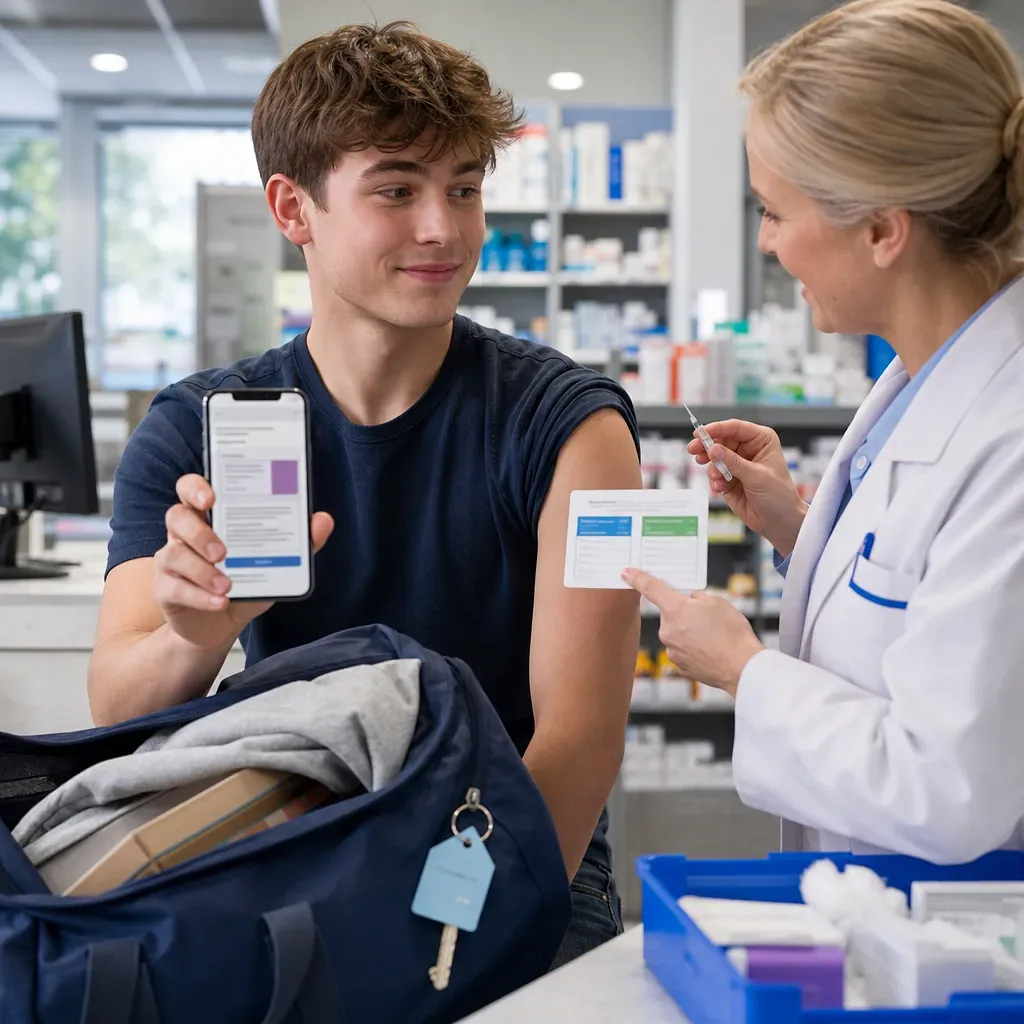
It is advisable to check with each pharmacy whether the documentation can be shown on a smartphone screen. On the day of vaccination, you must tell the healthcare professional about any medications you are currently taking, severe allergies, previous adverse vaccine reactions, and any MenB doses you have already received.
Step 3: Use the Official Route for Your Eligible Group
| Group | How to access vaccination in England |
|---|---|
| People born from 1 September 2007 to 31 August 2008 | Book, change, or cancel through the NHS online service |
| Other new university or residential further education students | Use the NHS participating-pharmacy search service to find a pharmacy offering vaccination and check its visit requirements |
Vaccinations for new students are provided through participating pharmacies, so they are not available at every pharmacy. Before visiting, check the pharmacy’s opening hours, whether an appointment is required, and what supporting documents you need to reduce the chance of a wasted trip.
Step 4: Plan the First and Second Doses Together
The first dose will be provided until the end of December 2026, and the second dose must be given at least 4 weeks after the first. Second-dose provision is scheduled to end at the end of March 2027, so plan your schedule with the following circumstances in mind.
- University enrollment and residence hall move-in dates
- Plans to return home or stay overseas during holidays
- Examination periods and pharmacy opening days
- The possibility that you may need to receive the first and second doses in different areas
Immediately after vaccination, calculate the earliest possible date for the second dose and record it on your calendar. Also check whether you can receive the second dose at the same pharmacy.
Step 5: Keep Your Vaccination Records
Keep a record showing the vaccination date, dose number, and vaccination provider. If you move to another city after entering university and need to receive the second dose there, you must show the new pharmacy your first-dose record and confirm that the minimum interval has been met.