Injoys
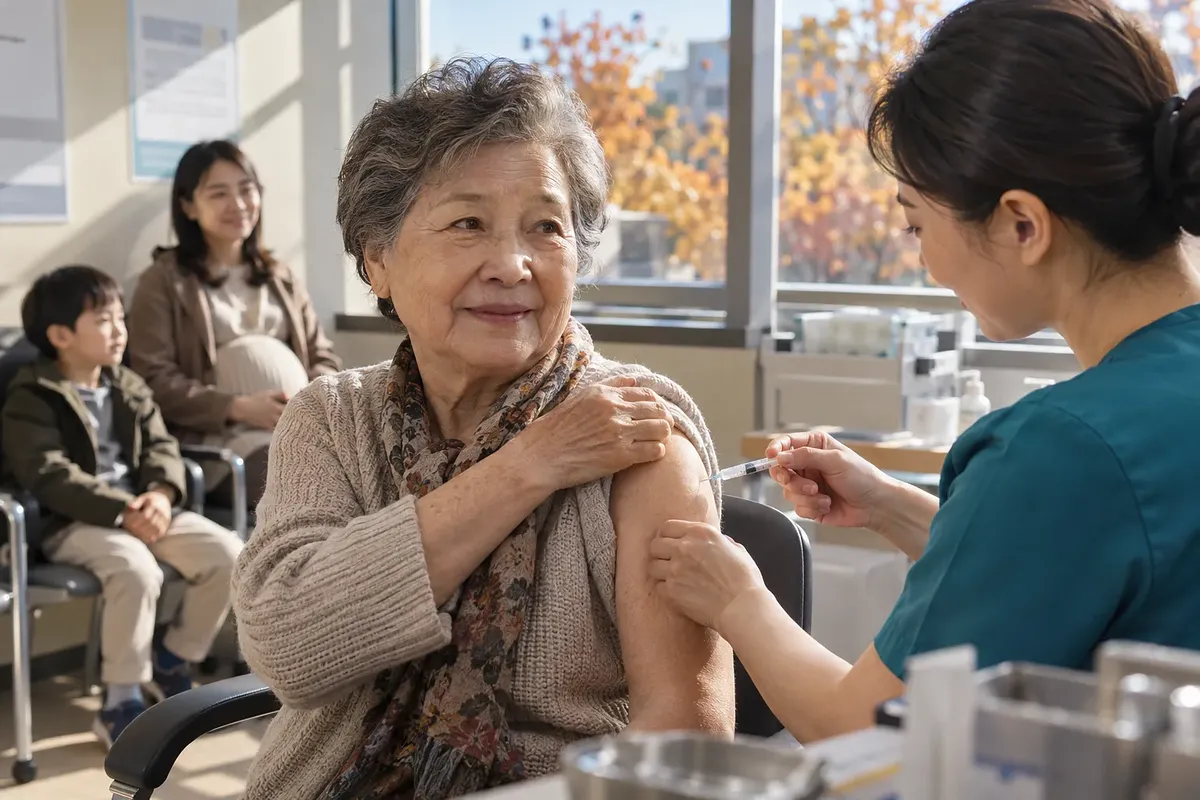
The national influenza vaccination program for the 2026-2027 season provides free vaccinations to children, pregnant women, and adults aged 65 or older. Children who need two doses and pregnant women can start getting vaccinated on September 21. Vaccination for older adults begins on October 6, 12, or 15, depending on age.
The dates and figures are based on the Korea Disease Control and Prevention Agency's September 16, 2026 announcement and its guidelines for the 2026-2027 season.
Who is eligible for free vaccination and what is covered
This season, the program covers children aged 6 months to 14 years, pregnant women, and adults aged 65 or older. It pays for influenza vaccination for people who meet the national eligibility criteria. The vaccine provided is an inactivated trivalent influenza vaccine.
| Group | Eligibility for the 2026-2027 season | How eligibility is confirmed |
|---|---|---|
| Children | Aged 6 months to 14 years, born January 1, 2012, through August 31, 2026 | Actual date of birth |
| Pregnant women | Women whose pregnancy has been confirmed | Maternity record book, pregnancy confirmation certificate, or similar document, regardless of stage of pregnancy |
| Older adults | Born by December 31, 1961 | Birth year on resident registration records |
The upper age limit for children has expanded from 13 last season to 14 this season. If a child's registered date of birth differs from their actual date of birth, the actual date applies. Pregnant women are not excluded from the program simply because they are in early pregnancy. The detailed criteria are set out in the vaccination program information.
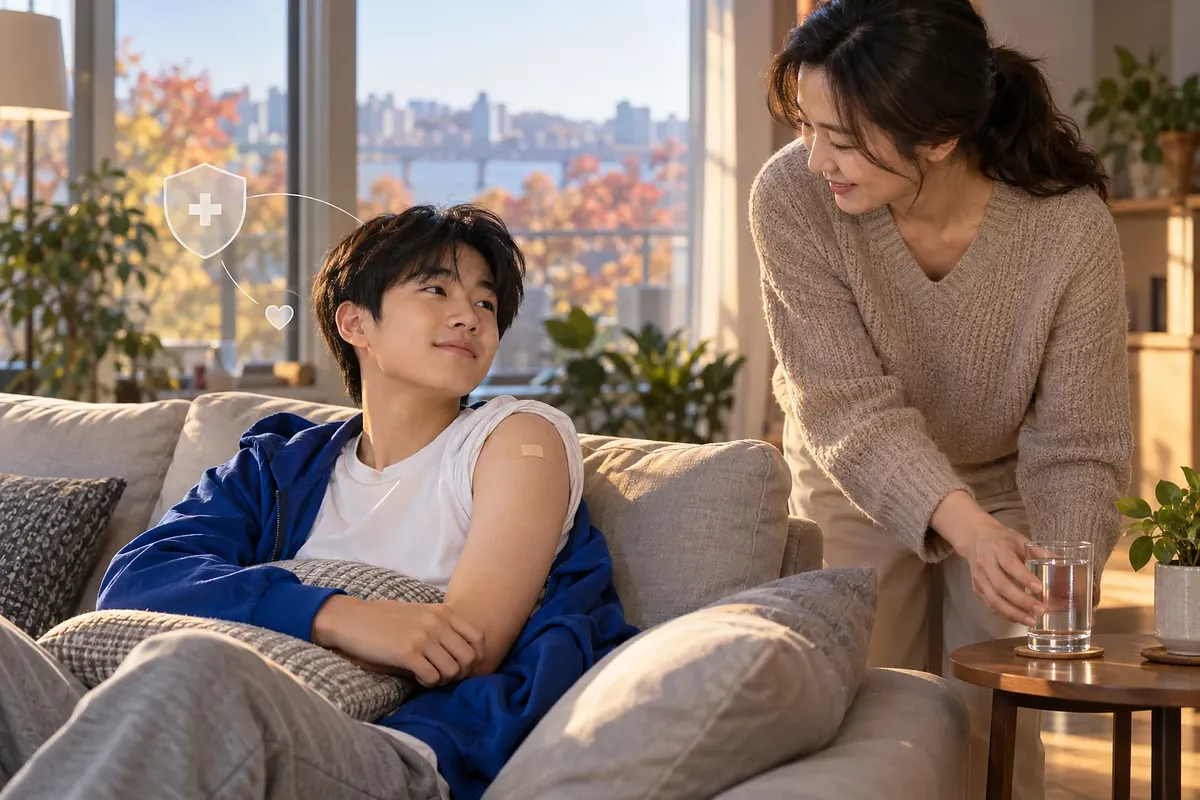
Free influenza vaccination in the 2026–2027 season covers children aged 6 months through 14 years.
Influenza vaccination schedules by age group
An adjustment on September 16, 2026 moved up the start dates for children who need one dose and for older adults. The Korea Disease Control and Prevention Agency cited an early influenza season and the need to protect high-risk groups as reasons for the change. The start dates for children who need two doses and for pregnant women have not changed.
| Group | Previous start date | New start date |
|---|---|---|
| Children who need one dose | September 28, 2026 | September 21, 2026 |
| Children who need two doses | September 21, 2026 | September 21, 2026 |
| Pregnant women | September 21, 2026 | September 21, 2026 |
| Aged 75 or older, born by December 31, 1951 | October 12, 2026 | October 6, 2026 |
| Aged 70 to 74, born from 1952 to 1956 | October 15, 2026 | October 12, 2026 |
| Aged 65 to 69, born from 1957 to 1961 | October 19, 2026 | October 15, 2026 |
The program ends for all groups on April 30, 2027. Moving up the start dates did not change the end date. The revised schedule and program period are available in the 2026-2027 influenza season guidelines.
There is an exception for high-risk older adults, including those with weakened immune systems. After consulting a healthcare professional, they can be vaccinated from October 6 regardless of their age group's start date. Separate start-date criteria based on vaccine supply apply to long-term care hospitals and facilities. This exception is set out in the Korea Disease Control and Prevention Agency's September 16 announcement.
How is the number of doses for children determined?
The number of doses a child needs this season depends on their age and vaccination history. Having the same start date does not mean children need the same number of doses. For children aged 6 months to less than 9 years, previous vaccination records must be checked.
| Age and vaccination history | Doses needed this season |
|---|---|
| Aged 6 months to less than 9 years, receiving influenza vaccination for the first time or with an unknown history | Two doses at least 4 weeks apart |
| Same age group, with one dose in total by June 30, 2026 | Two doses at least 4 weeks apart |
| Same age group, with at least two doses in total by June 30, 2026 | One dose |
| Eligible children aged 9 or older | One dose, regardless of vaccination history |
The total number of previous doses is not limited to doses received in the same season. Doses received in different seasons also count. The physician conducting the pre-vaccination screening checks the records and determines the final number of doses and vaccination dates. These rules come from the vaccination standards in the guidelines.
Applying the rules: birth dates and when vaccination is possible
Being within the eligible birth-date range is not the same as being able to get vaccinated immediately. A minimum age also applies to children on the day of vaccination. For older adults, this season's birth-year criteria apply.
| Situation | Result under the criteria |
|---|---|
| A child's birth date is within the eligible range, but the child is not yet 6 months old | The child cannot be vaccinated before reaching 6 months of age |
| A person born in 1961 has not yet had their birthday in 2026 | The start date for their birth-year group applies; they do not need to wait for their birthday |
| Vaccination takes place in 2027 | The birth-date cutoff for older adults remains December 31, 1961, for this season |
These examples apply the birth-date and minimum-age criteria in the program information to different situations. A change in calendar year does not automatically change the birth years eligible for the program. When scheduling vaccinations for family members, check each person's criteria separately.