Injoys
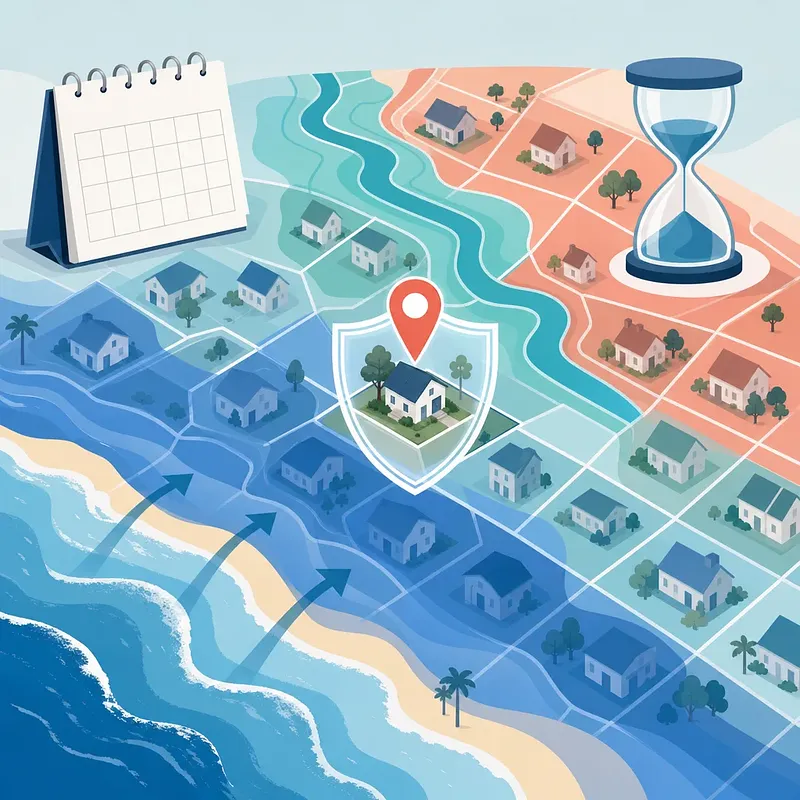
U.S. homeowners and renters can purchase National Flood Insurance Program (NFIP) coverage even outside a flood hazard area if the property is located in an NFIP-participating community. There is no separate annual application deadline, but new policies are generally subject to a 30-day waiting period after enrollment and payment of the premium. If you want coverage to begin on a specific date, you must complete the process at least 30 days in advance, and you should always verify the actual date by checking the policy’s effective date.
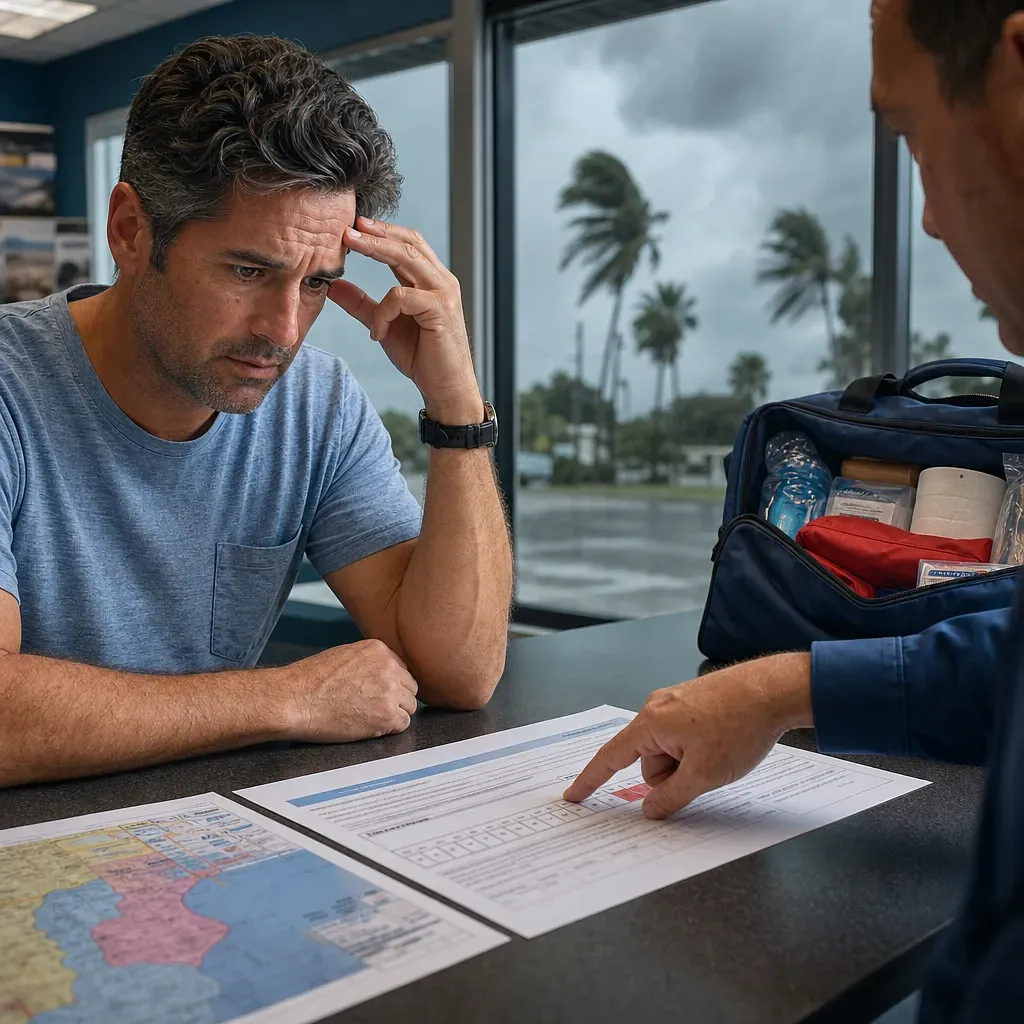
The official enrollment route is to find a participating insurer or insurance agent through the NFIP guide to purchasing insurance. NFIP is generally sold through participating insurers and agents or NFIP Direct, rather than through a direct online application to the government on the FEMA website.
What to Check, Prepare, and Time First
Who Can Purchase Coverage
- Owners and renters of homes in communities that participate in NFIP
- Parties with an interest in single-family homes, certain multifamily properties and condominiums, rental properties, and nonresidential buildings
- People outside high-risk flood zones on FEMA maps can also purchase coverage.
- Renters generally purchase coverage for their personal belongings, not the building itself.
- Condominium owners should check for gaps between the condominium association’s master flood policy and their individual unit policy.
Participation and exact eligibility requirements may vary depending on the address, building type, and community’s NFIP status, so confirmation from an insurer or agent is required.
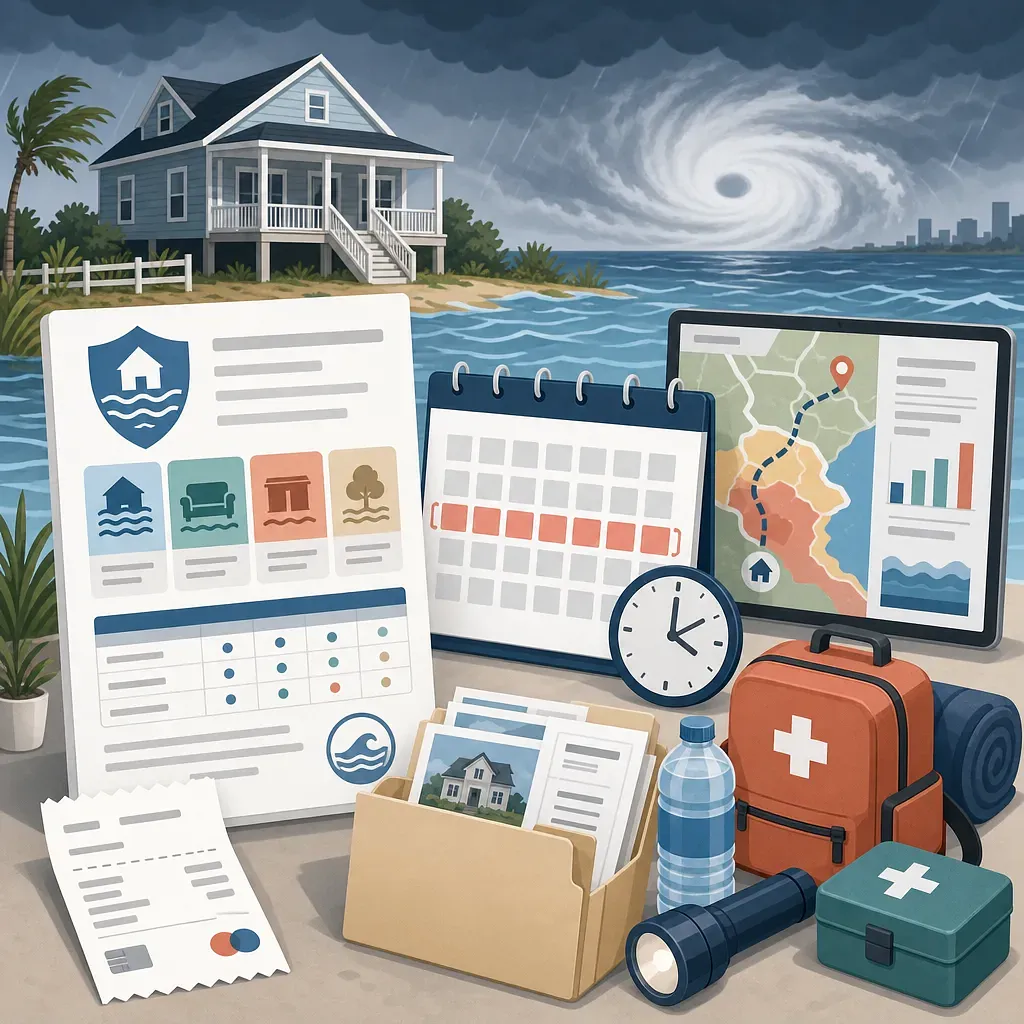
Information to Prepare Before a Consultation
| Item to Prepare | Purpose |
|---|---|
| Building address and occupancy type | Determine community participation and whether the property is owner-occupied or rented |
| Year built, number of floors, and foundation or basement type | Assess flood risk and calculate premiums |
| First-floor height or Elevation Certificate | May be used for risk assessment if available |
| Building reconstruction cost and value of personal belongings | Determine the necessary building and contents coverage amounts |
| Existing homeowners insurance policy | Identify coverage gaps rather than duplicate coverage |
| Mortgage lender information | Confirm mandatory insurance and proof-of-insurance requirements |
| Previous flood losses and insurance history | Answer underwriting and pricing questions |
| Desired coverage start date | Work backward from the 30-day waiting period |
An Elevation Certificate is not uniformly required for every NFIP policyholder. However, providing building elevation information may help assess risk more accurately, so it is advisable to provide any existing survey documents during the consultation.
Steps to Take Now to Purchase Coverage
Step 1: Check the Address’s Flood Risk and Community Participation
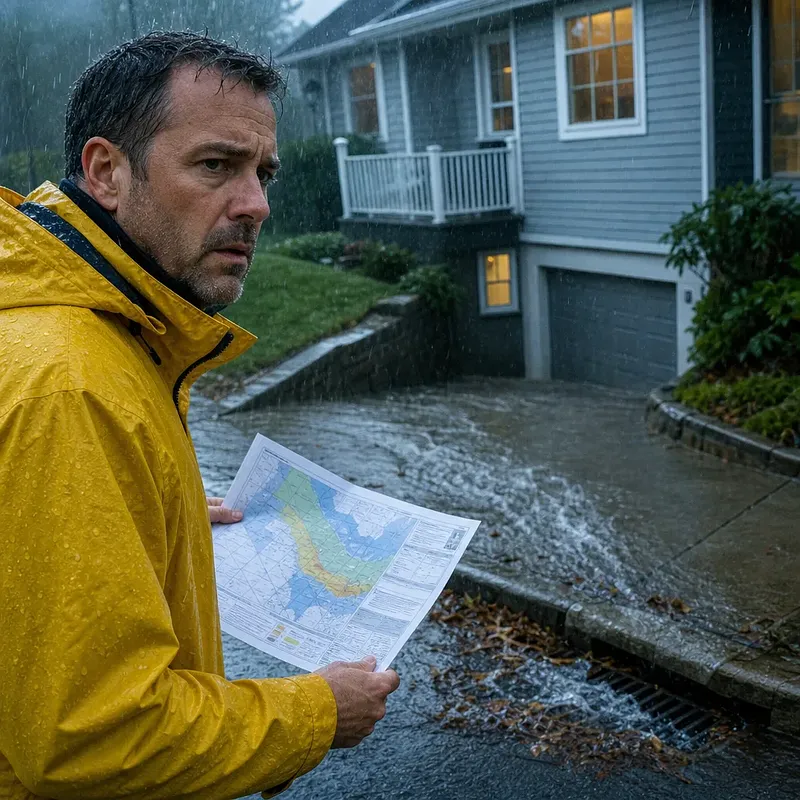
Search the address in the FEMA Flood Map Service Center to identify mapped zones such as a Special Flood Hazard Area. Being outside a mapped zone does not mean the property is safe. Heavy rainfall, poor drainage, river flooding, and coastal storm surge can cause losses outside designated high-risk areas.
A flood map is only one source of information for assessing the need for insurance. Also review the area’s flooding history, elevation, drainage facilities, distance from the coast or a river, and evacuation zones established by local emergency management agencies.
Step 2: Check Existing Policies for Flood Exclusions
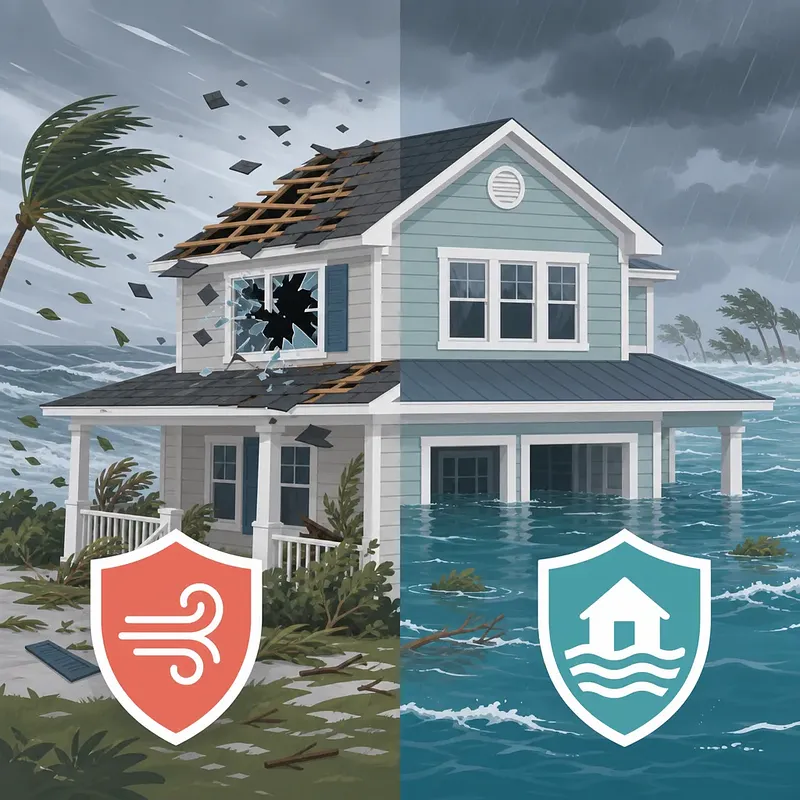
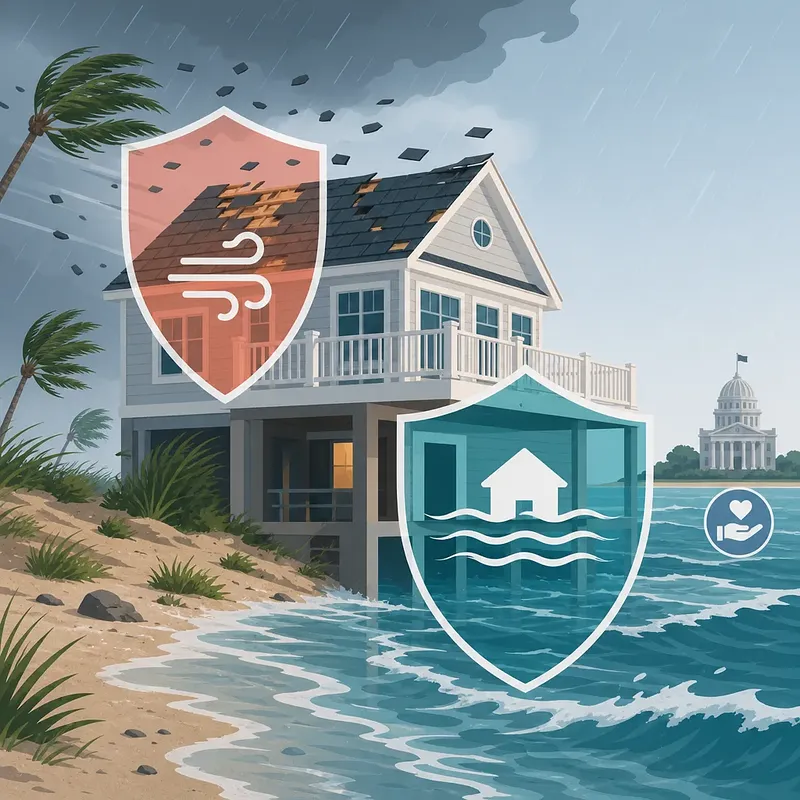
Standard U.S. homeowners insurance generally excludes flooding in which surface water covers normally dry land, as well as storm surge. Even within a single event such as a hurricane, different policies may apply depending on the cause of the damage.
| Cause of Damage | Insurance Generally to Check | Caution |
|---|---|---|
| Storm surge, river flooding, or surface-water inundation | NFIP or private flood insurance | Generally excluded from standard homeowners insurance |
| Roof or exterior-wall damage caused by high winds | Homeowners insurance or separate windstorm insurance | Coastal areas may have wind exclusions or separate deductibles |
| Rainwater entering through an opening caused by wind | Check the homeowners policy terms | The cause of damage and route of entry are important |
| Flooded automobile | Check comprehensive auto coverage | NFIP building and contents insurance does not cover vehicles |
| Hotel and food expenses during evacuation | Check additional living expense coverage under homeowners insurance and similar provisions | NFIP does not cover temporary living expenses |
Policy terms vary by insurer, so coverage should not be determined solely from this table. In particular, check whether hurricane or named-storm deductibles are charged as a percentage of the home’s insured value rather than as a fixed amount.
Step 3: Select Building and Contents Coverage Separately
NFIP building coverage and contents coverage are separate. The maximum limits for residential properties, the amounts actually available for purchase, and the applicable conditions must be confirmed based on the property type and current NFIP rules.
Ask the insurer or agent the following questions.
- Does the quoted premium include all fees and surcharges?
- What are the separate deductibles for the building and personal belongings?
- Are the coverage limits sufficient for the actual reconstruction cost and value of belongings?
- How are losses for the building and personal belongings assessed?
- What restrictions apply to basements, crawlspaces, or floors below ground level?
- If it is a private policy, will the lender accept it?
- What are the insurer’s conditions for renewal, cancellation, and premium changes?
- When does coverage begin, and what waiting period applies?
NFIP Risk Rating 2.0 pricing is not determined by a single flood zone alone. It may reflect individual risk factors such as the building’s reconstruction cost, distance from and type of water source, foundation type, building elevation, selected coverage amount, and deductible.
Step 4: Confirm the 30-Day Waiting Period and Exceptions in Writing
A 30-day waiting period generally applies to new NFIP policies and some increases in coverage. You should not expect coverage to begin immediately for a current storm simply because you purchase a policy after a hurricane is approaching.
Common exceptions include:
- When a lender requires flood insurance directly in connection with a home purchase or the origination, increase, extension, or renewal of a loan
- When coverage is purchased within the period prescribed by the rules after a FEMA map revision newly places the property in a high-risk flood zone
- When a policy is renewed normally before expiration or the coverage amount is adjusted at renewal
- When NFIP’s wildfire-related requirements are met for flooding caused or worsened by conditions following a wildfire on federal land
Do not assume that an exception will be granted automatically. Relevant facts are required, such as the loan transaction date, effective date of the map revision, expiration date of the existing policy, and causal relationship between the wildfire and flooding. Ask the insurer to provide the applicable provision and effective date in writing.
If you repurchase coverage after a policy expires or miss the renewal grace period, a new waiting period or coverage gap may result. Do not assume you are automatically protected merely because you did not receive a renewal notice; verify payment status before the expiration date.
Step 5: Confirm That Coverage Is Effective, Not Merely That Enrollment Is Complete
Receiving a quote or submitting an application does not by itself begin coverage. Save the following:
- Premium payment receipt
- Copy of the application or binder
- Policy number
- Coverage limits and deductibles for the building and personal belongings
- Exact effective date and time
- Insurance agent and claims contact information
- Proof of insurance submitted to the lender
This verification process is simple but important. If the waiting period is miscalculated or the payment is not processed, the policy may not be in force on the date of loss even if you believed you had purchased coverage before the storm.
Common Items NFIP Does Not Cover or Limits
NFIP primarily covers direct physical losses caused by flooding as defined in the insurance contract. The fact that a loss occurred in connection with a hurricane does not mean that every loss is covered.
- Basement contents: Most personal belongings in a basement below ground level are not covered, although certain essential equipment and specified items may receive limited coverage.
- Automobiles: Registered vehicles such as cars and motorcycles are not covered by NFIP building or contents insurance. Comprehensive auto coverage should be checked.
- Temporary living expenses: NFIP does not cover additional living expenses such as evacuation hotel costs, extra food expenses, or rent.
- Business interruption and loss of use: Reduced rental income and business interruption losses are not primary areas of standard NFIP coverage.
- Mold and moisture damage: Mold and long-term moisture damage that the policyholder could reasonably have prevented may be excluded.
- Earth movement: Separate exclusions may apply to subsidence, landslides, and similar events even if flooding contributed to the earth movement.
- Outdoor property: Landscaping, decks, fences, swimming pools, and similar property may have limited coverage or be excluded.
Some items, such as washing machines, freezers, or essential building equipment used in a basement, may receive exceptional treatment, so the specific list should be checked against the NFIP policy and coverage guide in effect when the policy is purchased.